
Earthquake Property Damage: Complete NZ Guide
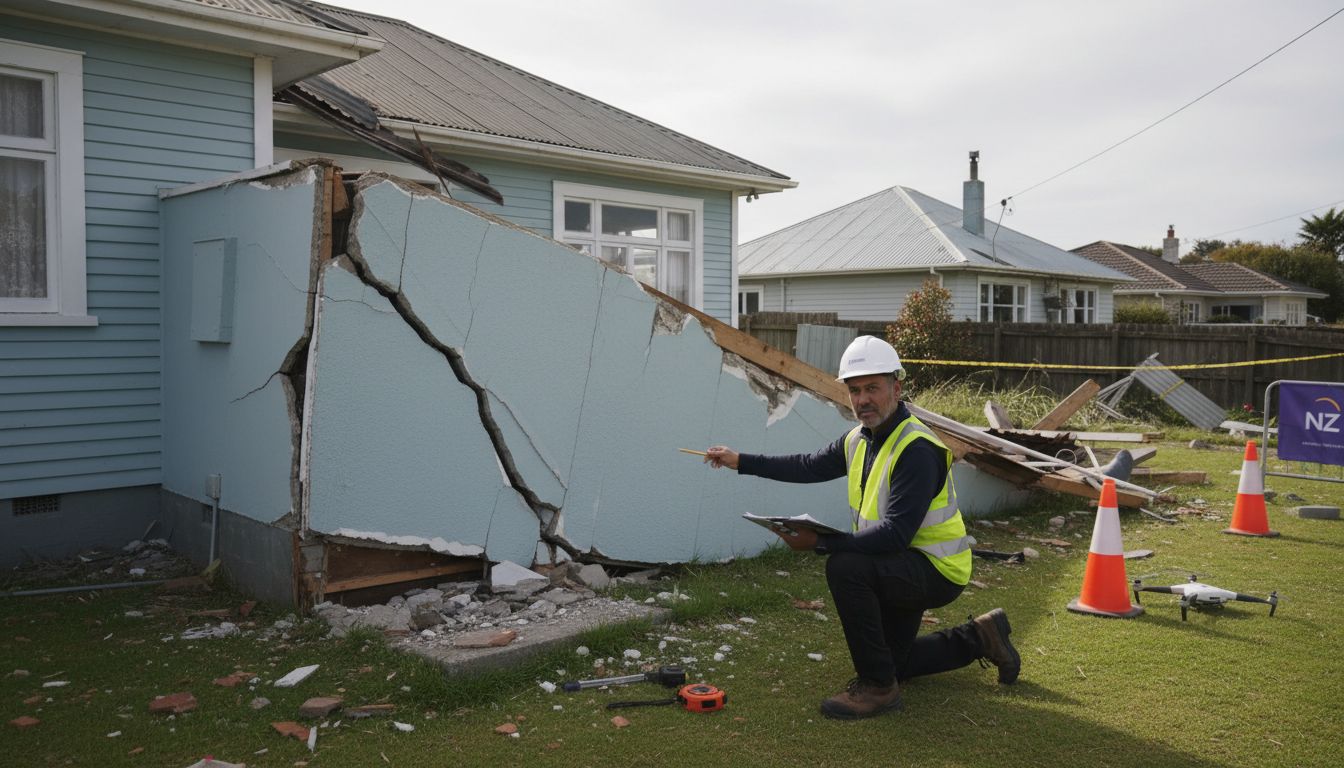
More than 15000 homes in New Zealand have suffered earthquake damage since 2010, reshaping the reality for many property owners. Living in such an active seismic zone means the risk is never out of mind. Understanding what actually counts as earthquake property damage helps you protect your investment, navigate insurance claims, and avoid unexpected costs when buying or selling a home.
Table of Contents
- What Is Earthquake Property Damage?
- Types Of Damage Caused By Earthquakes
- Assessing And Reporting Earthquake Damages
- Insurance Claims And Legal Obligations In NZ
- Repairing Versus Selling A Damaged Home
Key Takeaways
| Point | Details |
|---|---|
| Understanding Earthquake Damage | Property owners must document and disclose earthquake-related impacts, which can include structural impairments and foundational shifts. |
| Assessment Importance | Professional evaluations by structural engineers are crucial for identifying damage severity and repair costs. |
| Insurance Obligations | Homeowners should maintain detailed documentation for insurance claims and understand their legal responsibilities related to earthquake damage. |
| Repair vs. Sell Decision | Evaluating the extent of damage and market conditions is essential in deciding whether to repair or sell a property after an earthquake. |
What Is Earthquake Property Damage?
Earthquake property damage represents the physical destruction and structural impairment caused to buildings and land by seismic events. In New Zealand, where tectonic activity is prevalent, understanding earthquake damage goes beyond simple structural assessment. According to Real Estate Authority, property owners must comprehensively document and disclose the extent of earthquake-related impacts.
Typically, earthquake property damage can manifest in several critical ways. Structural damages might include foundation cracks, wall fractures, roof misalignments, and compromised building integrity. These damages range from cosmetic surface issues to severe structural weaknesses that could render a property unsafe or uninhabitable.
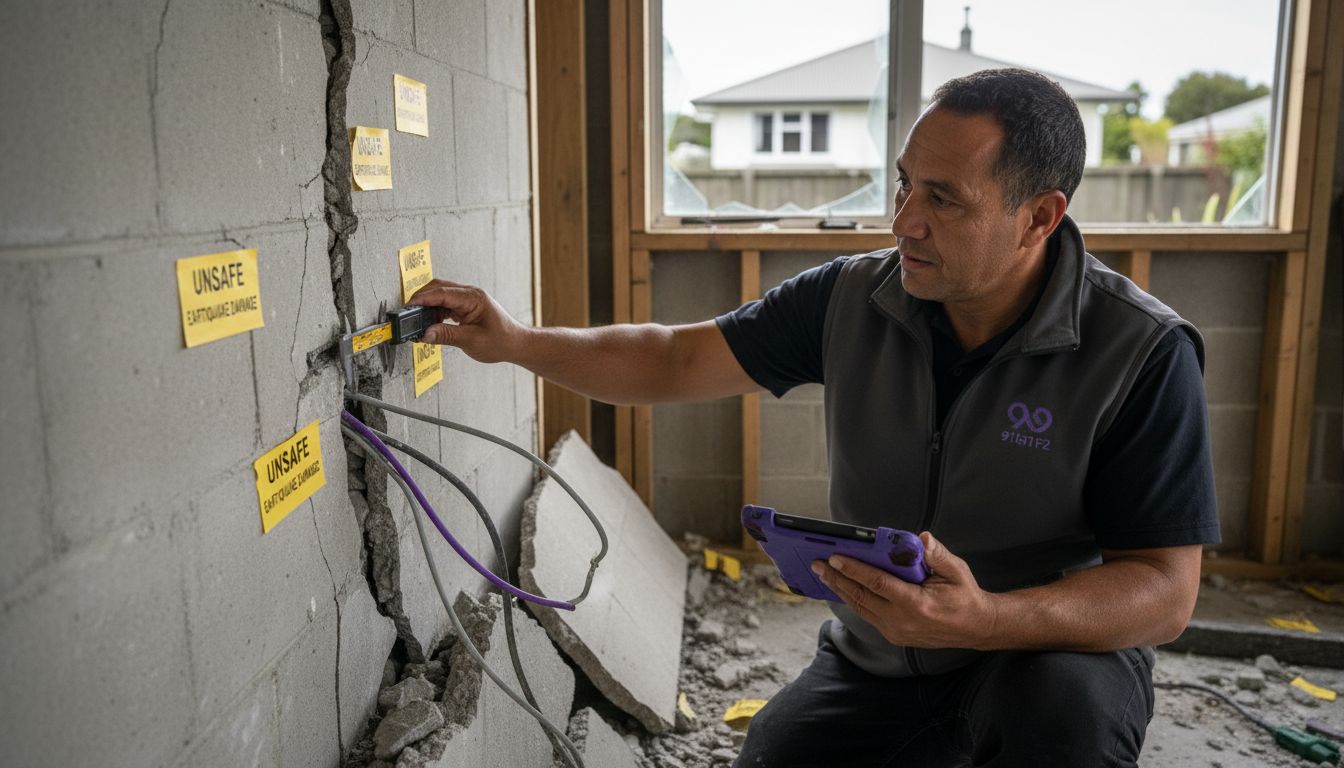
Seismic events can cause immediate visible damage or create subtle, long-term structural vulnerabilities that might not be immediately apparent.
Consumer Protection emphasizes the importance of thorough property assessments after earthquake events. The potential damage categories include:
- Foundational Shifts: Ground movement causing building base displacement
- Structural Cracks: Visible and hidden fissures in walls, floors, and ceilings
- Infrastructure Damage: Compromised plumbing, electrical, and utility systems
- Exterior Deterioration: Damage to exterior walls, roofing, and landscaping
Recognizing earthquake property damage requires professional assessment. Structural engineers and licensed property inspectors can provide detailed evaluations, determining the severity and potential repair costs. For homeowners facing earthquake damage, understanding these nuances becomes crucial in making informed decisions about repair, insurance claims, or potential property sale strategies.
Types Of Damage Caused By Earthquakes
Earthquakes generate multiple devastating damage types that can transform landscapes and structures in moments. From surface disruptions to deep structural failures, seismic events create complex and multifaceted destruction. Wikipedia’s historical records highlight how profound these impacts can be, particularly in regions with significant geological volatility like New Zealand.
Structural damage represents the most immediate and visible consequence of earthquake events. Building failures can manifest through several critical mechanisms, including:
- Foundation cracking and shifting
- Wall collapse and structural misalignment
- Roof and ceiling structural compromises
- Total building demolition
Land transformation constitutes another critical damage category. As demonstrated by the 1848 Marlborough earthquake, seismic events can dramatically alter terrain. Geological disruptions might include:
- Ground liquefaction
- Landslides and terrain displacement
- Ground fissures and surface ruptures
- Elevation changes in landscape
Infrastructural damages extend beyond physical structures, affecting critical community systems.
Utilities like water pipes, electrical grids, communication networks, and transportation routes can suffer extensive damage. These disruptions can isolate communities, interrupt essential services, and create cascading economic and social challenges that persist long after the initial seismic event.
Assessing And Reporting Earthquake Damages
Property damage assessment is a critical process following seismic events, requiring systematic and professional evaluation. Real Estate Authority emphasizes the legal and ethical obligations of property owners to accurately document and disclose earthquake-related damages during real estate transactions.
The assessment process involves multiple comprehensive steps. Professional structural engineers and licensed building inspectors typically conduct detailed evaluations that go beyond surface-level observations. Damage documentation requires meticulous examination, including:
- Comprehensive photographic evidence
- Detailed written reports
- Structural integrity measurements
- Precise mapping of damage locations
- Estimated repair cost calculations
Consumer Protection recommends engaging specialized professionals who understand the nuanced impacts of earthquake damage. These experts can differentiate between cosmetic issues and critical structural vulnerabilities that might compromise a building’s long-term safety.
Reporting earthquake damages involves more than professional assessments. Property owners must prepare comprehensive documentation for insurance claims, potential sales, and legal compliance. This includes gathering inspection reports, obtaining professional evaluations, recording all visible and potential damages, and maintaining a chronological record of the property’s condition before and after the seismic event. Transparency and detailed record-keeping are essential in navigating the complex aftermath of earthquake property damage.
Insurance Claims And Legal Obligations In NZ
Earthquake insurance claims represent a complex legal landscape for New Zealand property owners, requiring precise documentation and understanding of specific regulatory requirements. Real Estate Authority emphasizes the critical role of the Natural Hazards Commission Toka Tū Ake in managing residential property insurance for earthquake-related damages.
The legal obligations for property owners involve several key responsibilities:
- Immediate damage documentation
- Prompt notification to insurance providers
- Comprehensive evidence collection
- Accurate reporting of structural impacts
- Maintaining transparent communication channels
Insurance Business Magazine highlights the importance of understanding specific claim reopening processes and evidence requirements. Property owners must be prepared to provide detailed documentation, including professional assessments, photographic evidence, and comprehensive damage reports.
Navigating insurance claims requires strategic approach and thorough understanding of legal frameworks. Homeowners should carefully review their insurance policies, understand coverage limitations, and seek professional guidance when necessary. When selling a damaged property, full disclosure of earthquake damage and insurance claim history becomes a legal and ethical requirement, potentially impacting property valuation and future transactions.
Repairing Versus Selling A Damaged Home
Property damage decisions can be overwhelming for homeowners facing earthquake-related structural challenges. Consumer Protection emphasizes the importance of comprehensive assessment before determining whether to repair or sell a damaged property.
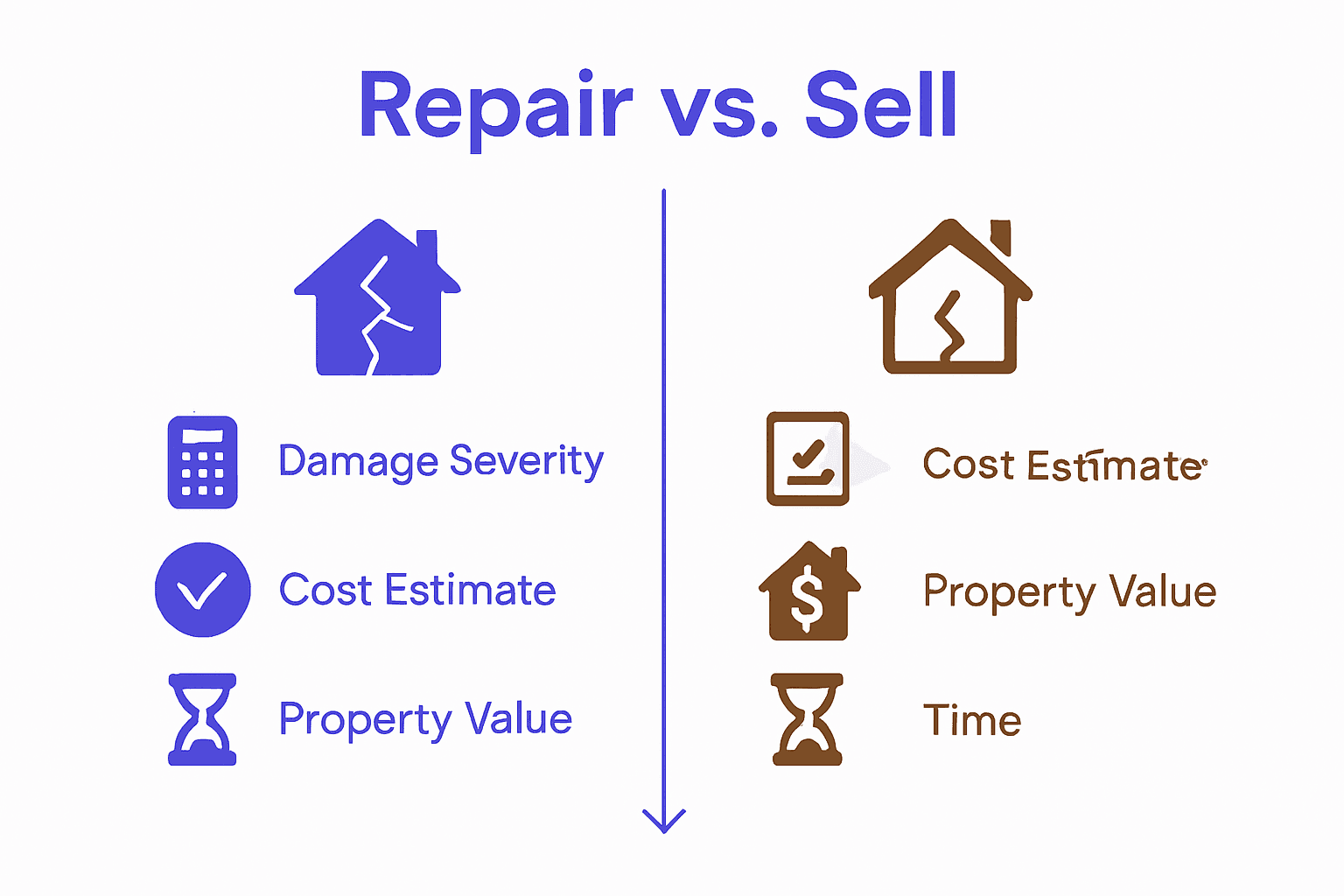
The decision-making process involves evaluating several critical factors:
- Extent of structural damage
- Estimated repair costs
- Property market conditions
- Insurance coverage limitations
- Long-term property value implications
Real Estate Authority highlights that full disclosure becomes mandatory regardless of repair or sale strategy. Homeowners must transparently communicate the property’s damage history, which can significantly impact potential transactions. When exploring alternative selling options, property owners might find selling as-is more financially pragmatic than investing in extensive repairs.
Ultimately, the repair versus selling decision depends on individual circumstances. Professional structural assessments, detailed cost-benefit analyses, and understanding market dynamics are crucial. Some homeowners might find that immediate sale provides financial relief, while others may benefit from strategic repairs that enhance property value. The key is making an informed decision that aligns with personal financial goals and property condition.
Facing Earthquake Property Damage in New Zealand? Get a Fast, Fair Solution Today
Earthquake damage can leave homeowners overwhelmed by costly repairs and complex insurance claims. If your property shows structural cracks, foundation issues, or you simply want to avoid the stress of repairing and selling through traditional channels, help is available. Understanding the true extent of damage is crucial but deciding your next move quickly can protect your financial wellbeing.

At easySale.co.nz, we specialise in buying homes in any condition, including those affected by earthquake damage. You can receive a fair cash offer without agents, commissions, or lengthy processes. Whether you want to skip costly repairs or urgently sell to move forward with your life, our simple three-step approach is designed to give you peace of mind with a quick, transparent sale. Don’t wait until repairs or insurance claims drain your resources. Visit easySale.co.nz now and take control of your property’s future.
Frequently Asked Questions
What is earthquake property damage?
Earthquake property damage refers to the physical destruction and structural impairment caused to buildings and land due to seismic events, including foundation cracks, wall fractures, and compromised building integrity.
How can I assess earthquake damage to my property?
Assessment of earthquake damage requires professional evaluation by structural engineers or licensed inspectors, who will conduct a comprehensive examination and document any visible and potential damages.
What should I include in my insurance claim for earthquake damage?
Your insurance claim should include immediate documentation of damages, photographic evidence, professional assessment reports, and accurate descriptions of the structural impacts.
Should I repair my damaged home or sell it as-is?
The decision to repair or sell your damage depends on the extent of damage, repair costs, current market conditions, and your insurance coverage. A professional assessment can help you evaluate the best option based on your circumstances.
Recommended
