
How do you sell your home in six practical steps?

You can sell your home in six clear steps: choose your selling method, prepare the property, set a realistic price, market it properly, handle offers with care, then complete the sale with a lawyer. That’s the whole roadmap, whether you’re going through an agent, selling privately, or taking a fast cash offer.
A fast cash buyer suits you best when speed, property condition, or privacy matter more than squeezing out the last dollar of sale price. Whichever path you choose, your first move is the same: pull together your title documents and talk to a lawyer or conveyancer before you sign anything, or request a no-obligation offer from Easysale if time is tight.
- Choose your method (private sale, auction, or agent-assisted)
- Prepare and price the property honestly
- Market it, negotiate offers, then finalise the contract and settle
Pro Tip: Don’t wait until you’ve got an offer on the table to find a lawyer. Line one up in week one so contract wording doesn’t become a last-minute scramble.
Key Takeaways
Selling a home successfully requires choosing the right method for your priorities, preparing and pricing honestly, and involving a lawyer before you sign anything binding.
| Point | Details |
|---|---|
| Six-step roadmap | Choose your method, prepare, price, market, negotiate, then complete the sale with a lawyer. |
| Legal advice comes first | Engage a lawyer or conveyancer before signing any sale and purchase agreement, not after. |
| Disclosure is non-negotiable | Undisclosed defects like unconsented work or leaks can trigger legal claims well after settlement. |
| Price sets the pace | Overpricing is the most common reason a listing stalls for months instead of weeks. |
| Fast cash sale as an option | Easysale offers a no-obligation cash offer and flexible settlement for sellers prioritising speed or selling as-is. |
This article is general information, not a substitute for advice from a qualified lawyer. Consult a qualified legal professional about your own circumstances before acting on anything here.
Table of Contents
- Choosing how to sell: private sale, auction or agent-assisted?
- Preparing your property: repairs, documents and disclosure
- How much should you sell your home for?
- Marketing and viewings: how do you attract buyers?
- Handling offers: conditional vs unconditional
- The sale and purchase agreement: what actually binds you
- What happens on settlement day?
- Agent-assisted, DIY private sale, or a fast cash buyer: which route wins?
- Tips for selling your home quickly without an agent
- Common pitfalls and red flags to avoid
- Financial considerations beyond settlement costs
- Need speed or a sale in any condition? How Easysale works
- Sources
Choosing how to sell: private sale, auction or agent-assisted?
Private treaty means you negotiate a price directly with a buyer, with no auction clock ticking. Auction sets a hard date and lets competing bidders push the price up, but it demands strong marketing beforehand and doesn’t guarantee a sale on the day. Agent-assisted sale hands the marketing, buyer vetting, and negotiation to a professional, for a commission.
Run through this before deciding:
- How fast do you need the money in hand?
- Is the property in a condition buyers will want to inspect and finance easily?
- Do you have time to handle enquiries, photos, and open homes yourself?
- Are you comfortable negotiating face-to-face with a buyer?
Private sale suits confident, time-rich sellers with a straightforward property. It saves commission but shifts the marketing and legal load onto you entirely, and many sellers underestimate how much work that actually is.
Preparing your property: repairs, documents and disclosure
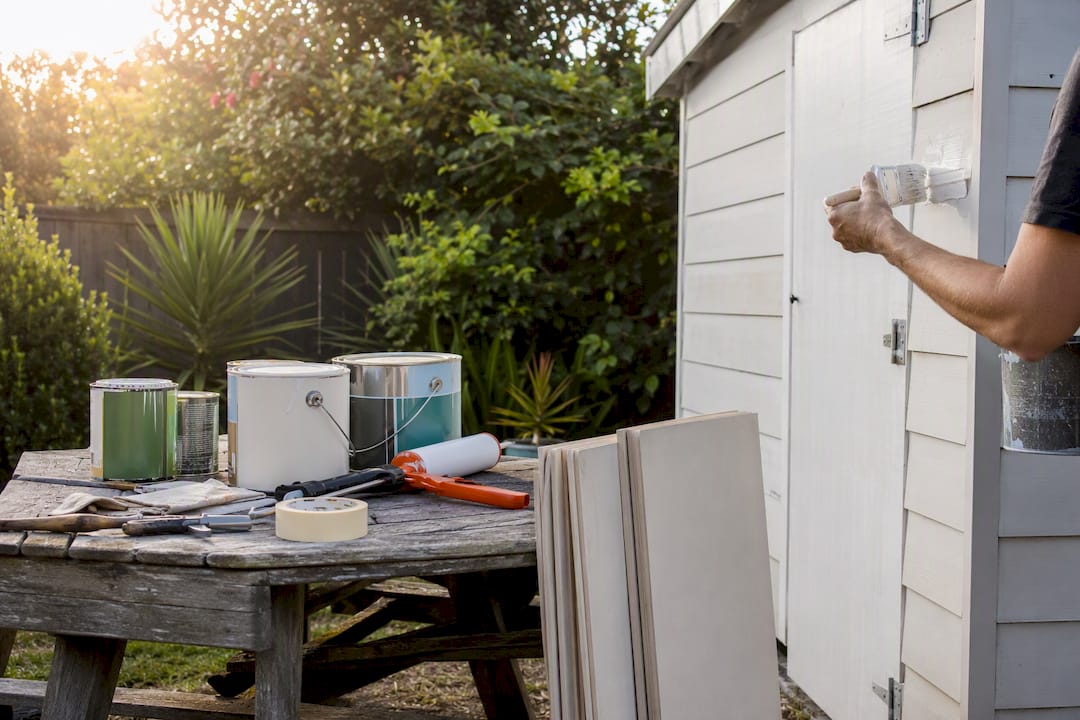
Presentation sells houses. Declutter every room, give the place a proper clean, fix the small stuff (leaking taps, cracked tiles, sticking doors), and tidy the front garden. None of this needs to be expensive, but it needs to happen before the first photo gets taken.
- Gather your title, current mortgage details, and a full chattels list (what stays, what goes).
- Pull together body corporate records if the property is part of one.
- Order a LIM report and building report early, and check any unconsented work or natural hazard history.
- Do your own vendor due diligence so nothing surprises a buyer’s inspector later.
Sorting reports and consents upfront can prevent a buyer walking away or renegotiating the price after their own building inspection turns something up.
Pro Tip: If you’ve done unconsented work, get it sorted or disclosed before marketing starts. Buyers who discover it themselves during due diligence tend to negotiate harder, or walk.
How much should you sell your home for?
A comparative market analysis (CMA) looks at recent sales of similar homes nearby and gives you a realistic price range, usually free from an agent. A registered valuer gives an independent, formal valuation, useful if you want a defensible figure or you’re selling without an agent’s input. Online estimate tools are a rough starting point at best, not a pricing strategy.
- Factor in repairs you’ve done (or haven’t) and how they affect buyer perception
- Auction and tender pricing works differently to a fixed asking price, so match your method to your figure
- Leave room to negotiate, rather than pricing at your absolute floor
- Budget for legal fees, any agent commission, and mortgage discharge costs when calculating your real proceeds
Overpricing is the single biggest reason a listing sits stale for months.
Marketing and viewings: how do you attract buyers?
A listing needs sharp photos, an honest description, a clear price guide, a complete chattels list, and upfront disclosure of anything material. Vague listings waste everyone’s time, including yours.
- List on major property portals and consider a real estate marketing platform if you’re budgeting for paid promotion or professional photography
- Set a realistic budget for signage, photography, and any paid listing upgrades
- Screen viewing attendees before they arrive, and ask early about finance readiness
- Keep a written record of every enquiry, viewing, and question asked
Open homes work well for private sellers, but only if you’re organised enough to follow up every lead within a day or two.
Handling offers: conditional vs unconditional
A conditional offer depends on something still happening, finance approval, a building report, or a LIM coming back clean. An unconditional offer has none of that and is binding once signed. Most genuine buyers start conditional.
- Common conditions: finance, building report, LIM report, sale of the buyer’s own home
- Put every counteroffer and condition change in writing, never rely on a verbal understanding
- Poorly worded conditions can leave you obliged to complete a sale you didn’t intend to agree to
- Pause and call your lawyer the moment contract wording gets complicated or a buyer pushes an unusual clause
Don’t let momentum push you into signing something you haven’t had checked.
The sale and purchase agreement: what actually binds you
The agreement covers price, the chattels list, settlement date, and every condition attached to the sale. Once both parties sign and conditions are satisfied, it’s legally binding, so read every clause before you commit.
- Confirm the settlement date works with your own moving plans
- Check the chattels list matches exactly what you agreed verbally
- Understand what “subject to” conditions actually require of you
Your lawyer, not the buyer’s, holds and manages the deposit in a trust account, which protects both sides until settlement. Getting legal advice before you sign is strongly advised, and skipping it is one of the most expensive mistakes a seller can make.
Failing to disclose known defects, unconsented work, leaks, or hazard risk, can expose you to a dispute or legal claim well after settlement has happened.
What happens on settlement day?
- The buyer’s lawyer transfers the remaining balance, and your lawyer confirms funds have cleared.
- Your lawyer pays out your mortgage and arranges title transfer through Land Information New Zealand (LINZ).
- You vacate the property, take final meter readings, do a last clean, and hand over keys, usually via the agent or lawyer.
If funds don’t arrive on time or something delays registration, contact your lawyer immediately, not the buyer.
Agent-assisted, DIY private sale, or a fast cash buyer: which route wins?
An agent-assisted sale typically takes weeks to months, involves professional marketing reach, and costs commission, often the biggest single deduction from your proceeds. A DIY private sale saves that commission but demands your own time for marketing, screening, and negotiation, and it usually still takes weeks rather than days.
A fast cash buyer settles in days rather than months, buys as-is with no repairs required, and suits sellers facing a tight deadline, a property in poor condition, or a situation they’d rather keep private.
- Urgent relocation, inherited property, or a tenanted home you don’t want to manage
- A property with unconsented work or damage that would scare off finance-dependent buyers
- Sellers who value certainty and a private process over chasing the highest possible price
Pro Tip: Get a written offer from more than one route before deciding. Comparing a cash offer against a realistic agent appraisal takes an afternoon and removes the guesswork.
Whichever route looks best, getting legal advice before signing anything still applies. Easysale itself advises sellers to get that advice before accepting any offer, even a fast one.
Tips for selling your home quickly without an agent
Speed and DIY selling aren’t mutually exclusive, but they take discipline most sellers underestimate. Price it right the first time. A property that sits for three weeks at the wrong price gets a reputation, buyers start wondering what’s wrong with it, even when nothing is.

Get your paperwork sorted before you list, not after an offer arrives. Title, LIM, chattels list, any consent records, have them ready so a serious buyer can move fast without waiting on you. This alone can shave weeks off a private sale.
Be available. Private sellers who reply to enquiries within hours convert far more viewings into offers than those who take days. If you’re working full time and can’t answer calls promptly, that’s often where a private sale starts to drag.
Set a hard deadline and say so in your listing, “offers close [date]” creates urgency without needing an auction. It also stops buyers from sitting on their hands indefinitely.
Consider a shorter marketing campaign with a tender or deadline sale structure rather than an open-ended listing. Two to three weeks of focused viewings usually outperforms a listing that lingers for two months.
If none of that fits your timeframe, a step-by-step private sale guide can help you plan the DIY route properly, or a direct cash sale skips the marketing phase entirely when days matter more than weeks.
Common pitfalls and red flags to avoid
Overpricing tops the list. Sellers who anchor to what they “need” rather than what the market supports end up chasing the price down after months of silence, which costs more in the end than pricing right from day one.
Skipping legal advice until an offer lands is the second big mistake. By then, you’re under pressure to sign quickly, exactly the wrong moment to be reading a sale and purchase agreement for the first time.
Watch for these warning signs during negotiation:
- A buyer pushing for verbal agreements instead of written variations to the contract
- Vague or missing finance confirmation from a buyer claiming to be “pre-approved”
- Pressure to waive a building report or LIM condition to “speed things up”
- A buyer who won’t put a deposit into a proper trust account arrangement
Undisclosed defects cause the most expensive pitfalls of all. If you know about a leak, unconsented renovation, or hazard risk and don’t disclose it, you risk a legal claim long after settlement, not just a renegotiation before it. Selling privately doesn’t remove that duty, it arguably increases your exposure since there’s no agent double-checking disclosure on your behalf.
One more trap: if you’ve had an agency agreement in place and then try to sell privately, you may still owe commission if that agent introduced the eventual buyer or materially assisted the sale. Check your agreement’s terms before assuming you’re free of it.
Financial considerations beyond settlement costs
Settlement costs, lawyer’s fees, mortgage discharge, and rates adjustments, are only part of the financial picture. Agent commission is usually the largest single line item if you go that route, typically calculated as a percentage of the sale price plus a marketing fee, and it comes straight off your proceeds before you see a cent.
Selling privately avoids that commission entirely, which is the main financial argument for going it alone. But weigh that saving against the time you’ll spend marketing, screening buyers, and negotiating, hours that have a real cost even if no invoice shows up for them.
The bright-line test and other tax rules can affect whether profit on a property sale is taxable, depending on how long you’ve owned it and whether it was your main home. These rules are genuinely complex and vary by individual circumstance, so this is a conversation for your accountant or lawyer, not something to guess at from a blog post.
Don’t forget smaller costs that add up: a registered valuation if you order one, LIM and building report fees, any repairs done specifically to prepare for sale, and moving costs once settlement is locked in. None of these are dealbreakers, but they all chip away at your net return, and it pays to total them before you commit to a listing price.
Author perspective from Aaron: quick recommendation and a human note
If speed matters most, a cash buyer is worth serious consideration. If maximum price is the goal, prepare thoroughly and list with an agent. Either way, your legal disclosure duties don’t change, and a good lawyer makes both paths safer.
— Aaron
Need speed or a sale in any condition? How Easysale works
Sometimes the six-step roadmap above is exactly right, and sometimes life doesn’t give you the luxury of weeks of viewings and open homes. If unconsented work, storm damage, a difficult tenancy, or a tight deadline is part of your situation, Easysale is built for exactly that gap between what a traditional sale requires and what you can actually manage right now.
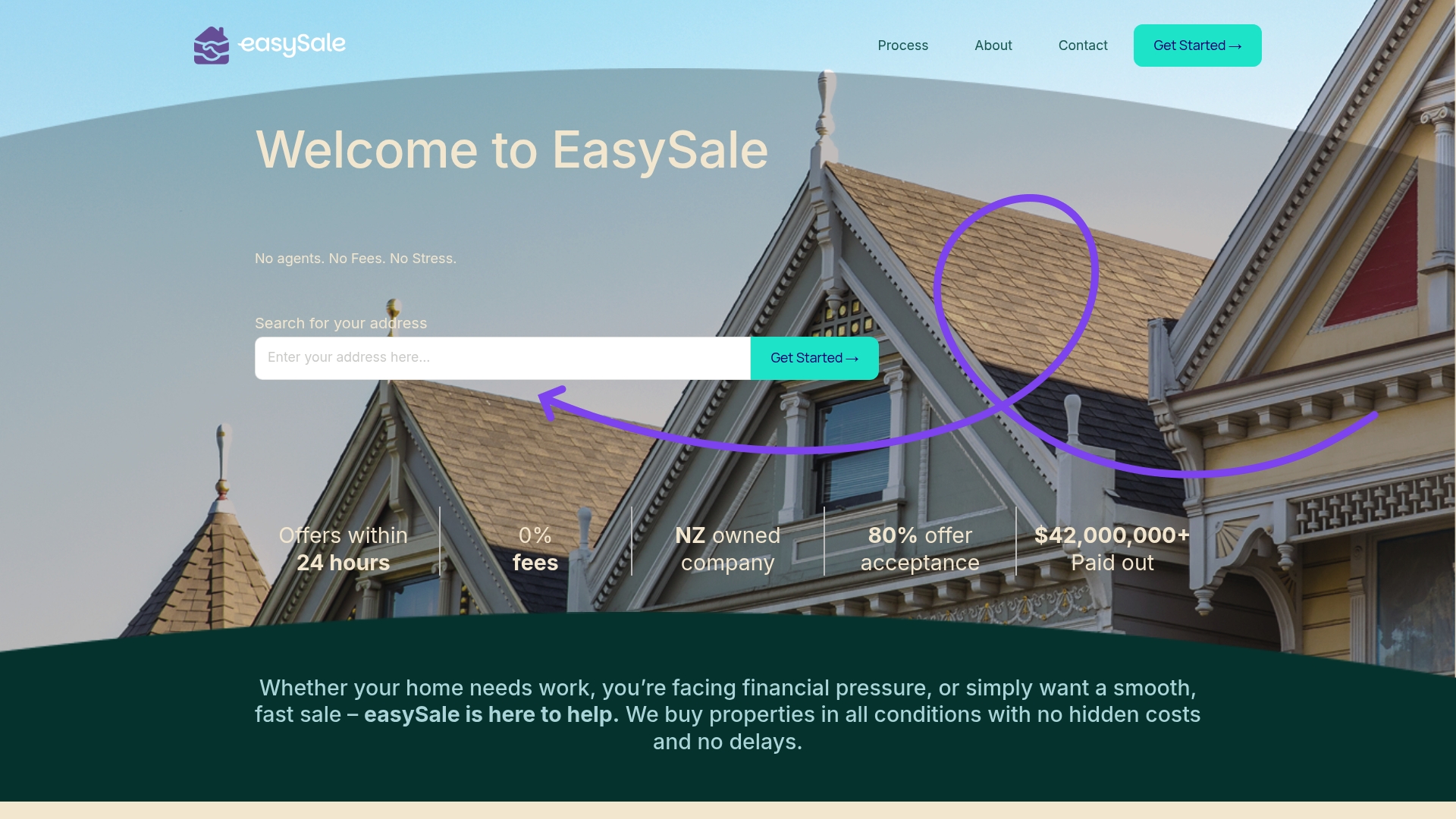
The process runs in three steps: you submit your property details, Easysale gives you a no-obligation cash offer, and you settle on a timeline that suits you, days rather than months. There’s no agent commission, no repairs to organise, and no open homes to prepare for.
This route tends to suit you if you’re facing financial pressure, you’ve inherited a property you don’t want to manage, your home needs work you can’t afford before selling, or you simply want a private, low-fuss sale. Even with a straightforward cash offer, get your own legal advice before signing anything.
If that sounds like your situation, get a no-obligation offer from Easysale and see what a fast, straightforward sale actually looks like for your property.
Sources
- Settled
- Selling your house | New Zealand Government
- NZLS | Frequently asked questions
- Do You Need a Lawyer Before Signing an Agreement to Buy or Sell Residential Property? - Harkness Henry Lawyers
Recommended
