
How to Sell House in Any Condition Fast in NZ
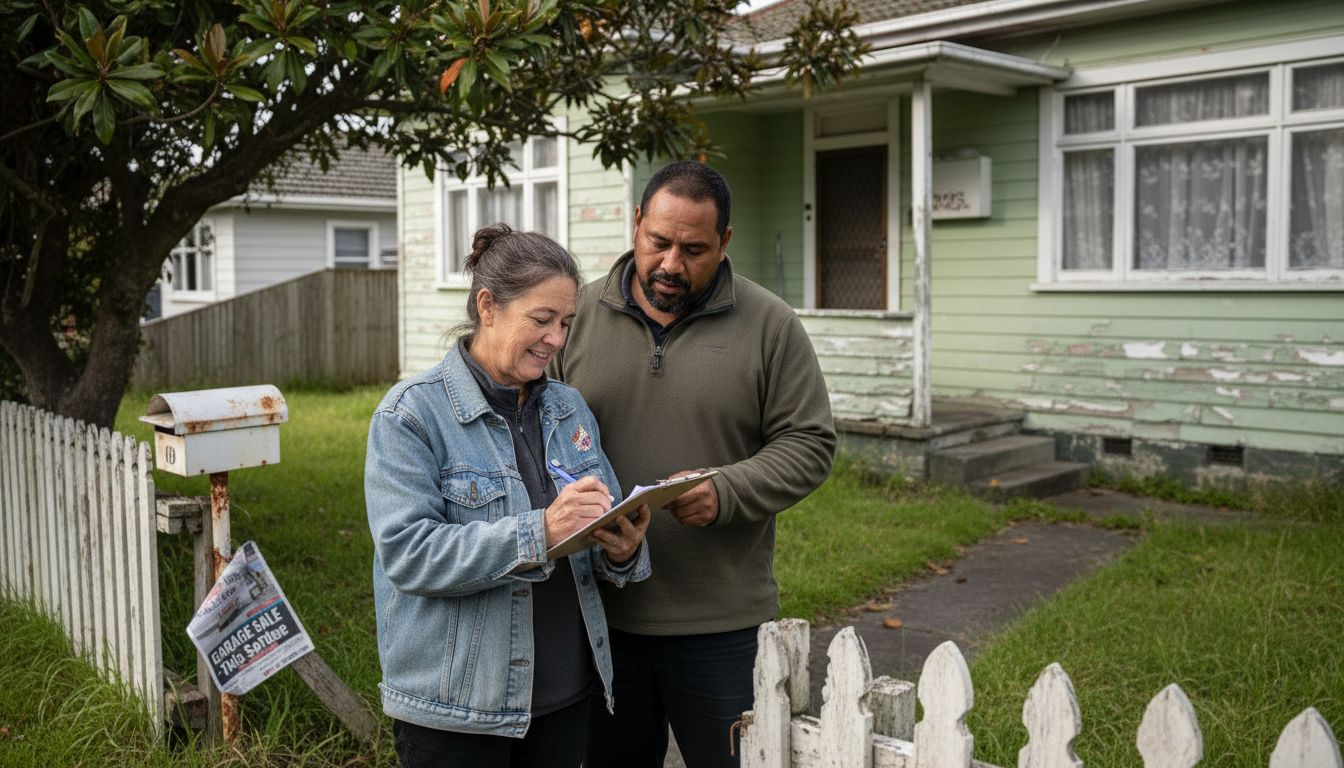
Over 85 percent of Australian homeowners consider selling their property at some point, but getting the process right can make all the difference. Knowing how to assess your property’s real condition helps you avoid costly mistakes and sets realistic expectations. Whether you are managing repairs or looking for the fastest way to sell, this guide outlines practical steps to streamline the process and support you in making confident choices from start to finish.
Table of Contents
- Step 1: Assess Your Property’s Unique Situation
- Step 2: Request A Fast Cash Offer Online
- Step 3: Review And Compare Your Selling Options
- Step 4: Accept The Offer And Set Your Timeline
- Step 5: Finalise The Sale And Receive Payment
Quick Summary
| Important Insight | Explanation |
|---|---|
| 1. Assess Your Property’s Condition | Conduct a thorough evaluation, including any necessary repairs and inspections for informed selling. |
| 2. Gather Essential Documentation | Compile building reports, maintenance history, and property photos to support your sale. |
| 3. Compare Selling Methods | Evaluate different options like agents, auctions, or cash buyers to choose the best fit for you. |
| 4. Carefully Review Offers | Analyze proposed terms and negotiate timelines to align with your needs before accepting. |
| 5. Prepare for Final Settlement | Ensure all documents are in order and understand financial transactions for a smooth closing. |
Step 1: Assess your property’s unique situation
Selling a house in any condition starts with an honest and comprehensive assessment of your property’s current state. Understanding your property’s specific characteristics will help you develop the most effective selling strategy. This means looking beyond surface appearances and digging deep into the structural, legal, and potential maintenance aspects that could impact your sale.
Begin by conducting a thorough property inspection. While professional assessments are ideal, you can start with a careful self-evaluation. Look for visible signs of damage, structural issues, or needed repairs. Pay special attention to areas like the foundation, roof, walls, and plumbing. New Zealand property experts recommend getting a professional building inspection to provide an objective evaluation of your property’s condition, which can help you understand potential challenges and pricing considerations.
Documentating your property’s current state is crucial. Take detailed photographs of both exterior and interior spaces, noting any damage, wear, or unique features. Collect any existing documentation such as building consent records, previous inspection reports, or maintenance history. This information will be valuable when discussing your property with potential buyers or cash property buyers who specialise in purchasing homes in various conditions.
Use this quick-reference table to help organise your preparatory documents:
| Document Type | Purpose | How to Prepare |
|---|---|---|
| Building inspection report | Verifies property condition | Get recent professional report |
| Maintenance history records | Shows care and upkeep | Gather receipts, service logs |
| Consent or compliance docs | Confirms legal improvements | Request from local council |
| Property photos | Provides visual proof of condition | Take clear, date-stamped images |
Pro tip: Create a comprehensive property dossier that includes all known information, repairs, and potential issues. This transparency can actually increase buyer confidence and potentially streamline your sales process.
Step 2: Request a fast cash offer online
After thoroughly assessing your property, the next crucial step is obtaining a fast cash offer that reflects its true value. Online cash offer platforms have revolutionised property sales by providing quick, transparent valuations without the traditional real estate complexities. This process allows you to receive a no obligation offer directly from property investors who understand the nuanced value of homes in various conditions.

To request your online cash offer, start by gathering all the documentation and information you compiled during your property assessment. Visit the cash buyer’s website and look for their offer submission form. You will typically need to provide key details such as property address, current condition, recent repairs or renovations, square meterage, and any unique features. Understanding the cash sale process can help you prepare the most accurate information for your submission.
Most online cash offer platforms have streamlined digital forms that can be completed in minutes. Be honest and comprehensive when describing your property to ensure the most accurate initial offer. Some platforms may request additional photographs or schedule a brief virtual consultation to confirm property details. After submission, you can expect a preliminary offer within 24 to 48 hours, providing a fast alternative to traditional property sales methods.
Pro tip: Prepare digital copies of your property documents in advance and have them readily accessible to expedite the online offer request process.
Step 3: Review and compare your selling options
Now that you have a comprehensive understanding of your property’s condition, it is time to explore the various selling strategies available to you in the New Zealand real estate market. Your goal is to find the most suitable approach that maximises your property’s value while minimising stress and complexity. Smart home selling options can help you navigate the different paths to selling your property effectively.
Traditional selling methods like listing with a real estate agent typically involve extensive preparation and potential renovation work. Preparing your property for sale suggests focusing on low cost activities such as decluttering and minor repairs rather than major renovations that might not yield a return on investment. Cash property buyers offer an alternative route for homeowners wanting to sell quickly without the hassle of staging or extensive repairs.
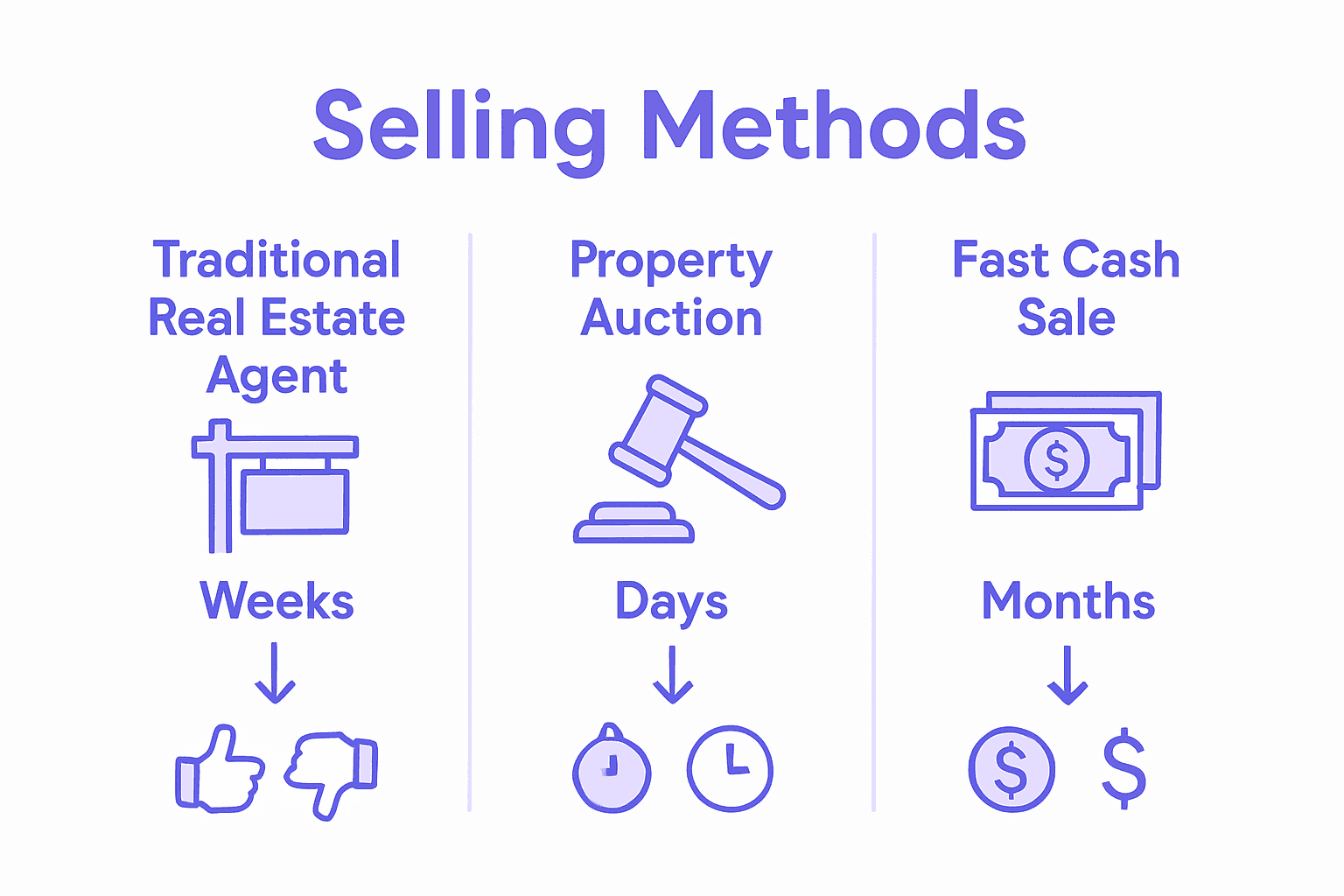
Carefully compare each option’s pros and cons including time to sale, potential costs, required effort, and final sale price. Consider factors like your property’s condition, your financial needs, and personal timeline. Some options might include traditional real estate listings, private sales, property auctions, or direct cash buyer platforms. Each method has unique advantages depending on your specific circumstances and property characteristics.
Here’s a summary comparing the main property sale methods in New Zealand:
| Selling Method | Typical Timeframe | Level of Seller Involvement | Potential Costs |
|---|---|---|---|
| Real estate agent sale | 1-3 months | High (preparation, showings) | Agent fees, repairs |
| Private sale | 1-2 months | Very high (DIY marketing) | Marketing, legal fees |
| Auction | Few weeks to 1 month | Medium (auction preparation) | Auctioneer, marketing |
| Cash buyer platform | 7-14 days | Low (minimal preparation) | Lower sale price, legal |
Pro tip: Create a detailed comparison spreadsheet listing each selling method’s estimated timeframe, potential costs, and expected net proceeds to help you make an informed decision.
Step 4: Accept the offer and set your timeline
After carefully reviewing and comparing your selling options, you are now ready to move forward with accepting an offer that best meets your needs. This crucial stage involves carefully evaluating the proposed terms, understanding the financial implications, and negotiating a settlement timeline that aligns with your personal circumstances and financial objectives.
When reviewing the cash offer, pay close attention to the proposed purchase price, payment terms, and any conditions attached to the sale. Understanding why selling property for cash matters can help you make an informed decision about the offer’s suitability. Look for transparency in the offer details, including any fees, potential contingencies, and the proposed settlement date. Do not hesitate to ask questions or seek clarification on any aspects of the offer that seem unclear.
Once you are satisfied with the offer, work with the buyer to establish a settlement timeline that works for both parties. Consider your current living situation, any outstanding financial obligations, and your need to relocate. Some cash buyers offer flexible settlement dates, allowing you to coordinate the sale with your personal moving plans. Ensure all agreed terms are documented in writing and that you fully understand the legal and financial implications of the sale.
Pro tip: Request a written breakdown of all costs and a detailed timeline of the settlement process to ensure complete transparency and avoid any unexpected surprises during the transaction.
Step 5: Finalise the sale and receive payment
With the offer accepted, you are now entering the final stages of your property sale where careful attention to detail will ensure a smooth and successful transaction. The process of finalising your sale involves several critical steps that protect your interests and guarantee a clean transfer of property ownership.
Before settlement, prepare for the pre-settlement inspection process which allows the buyer to verify the property’s condition matches the agreed terms. Ensure all chattels are in working order and the property is presented exactly as negotiated. This typically occurs one to two days before the official settlement date, providing an opportunity to address any last minute concerns or potential discrepancies.
On the settlement day, your legal representative or conveyancer will manage the financial transactions and property title transfer. You can expect the full purchase amount to be transferred to your nominated bank account, completing the sale process. Confirm all documentation is correctly processed, including the discharge of any existing mortgages and the transfer of property ownership. Keep copies of all settlement documents for your personal records and potential future reference.
Pro tip: Request a detailed settlement statement that itemises all financial transactions including sale price, any deductions, and net proceeds to ensure complete transparency and financial clarity.
Sell Your NZ Property Fast Without the Stress
Selling a house in any condition can be overwhelming, especially when facing urgent financial needs or unexpected life changes. This article highlights common seller challenges like property damage, legal paperwork, and choosing the right sales method. If you want a fast, fair cash offer without lengthy inspections or realtor commissions, easySale.co.nz specialises in exactly that. We help New Zealand homeowners avoid the uncertainty of traditional sales, offering a simple three-step process that respects your timeline and property condition.

Take control now by submitting your property details instantly and get a no-obligation cash offer tailored to your situation. With a high acceptance rate and transparent, hassle-free service, easySale.co.nz is your trusted partner for quick property sales. Discover how easy it can be by learning more about how selling your house for cash works and explore smart home selling options to make the best decision for your future.
Frequently Asked Questions
How do I assess my property’s condition before selling it fast in New Zealand?
Start by conducting a thorough inspection of your property, focusing on structural, legal, and maintenance issues. Document your findings with photographs and collect any existing documentation like building consent records to facilitate a smooth sales process.
What is the process for obtaining a fast cash offer for my house?
To request a cash offer, gather all documentation regarding your property’s condition, and submit key details through an online cash buyer’s platform. You can typically expect a preliminary offer within 24 to 48 hours, allowing you to move quickly on your sale.
What are the selling options available for my house in any condition?
You can explore various selling methods including traditional real estate listings, private sales, property auctions, and cash buyer platforms. Compare each option’s timeframe, involvement level, and associated costs to choose the best fit for your situation.
How should I prepare for the final sale process once I accept an offer?
Before settlement, ensure a pre-settlement inspection is conducted to confirm the property’s condition matches what was negotiated. Prepare all necessary documentation and ensure any chattels are in order to facilitate a smooth transfer of ownership on settlement day.
What should I do on the settlement day of my property sale?
On settlement day, your legal representative will handle the financial transactions and transfer the property title. Confirm that all required documents are processed correctly and ensure the full purchase amount is transferred to your bank account, completing the sale.
How can I make my property more appealing to potential buyers?
Enhance your property’s appeal by undertaking minor repairs and decluttering spaces to make your home more inviting. Focus on low-cost improvements that can positively impact buyer perception and potentially increase your selling price.
Recommended
