
How to Sell Property Fast in NZ: Easy Step-by-Step Guide

Selling a property in New Zealand can feel like a maze, especially when so much is at stake. With over 50,000 homes sold each year across the country, every seller wants their process to stand out for the right reasons. Whether you are aiming for a speedy sale or the best possible price, understanding each stage and its challenges gives you the confidence to move forward. This step-by-step guide helps you take control, from the first assessment to final settlement.
Table of Contents
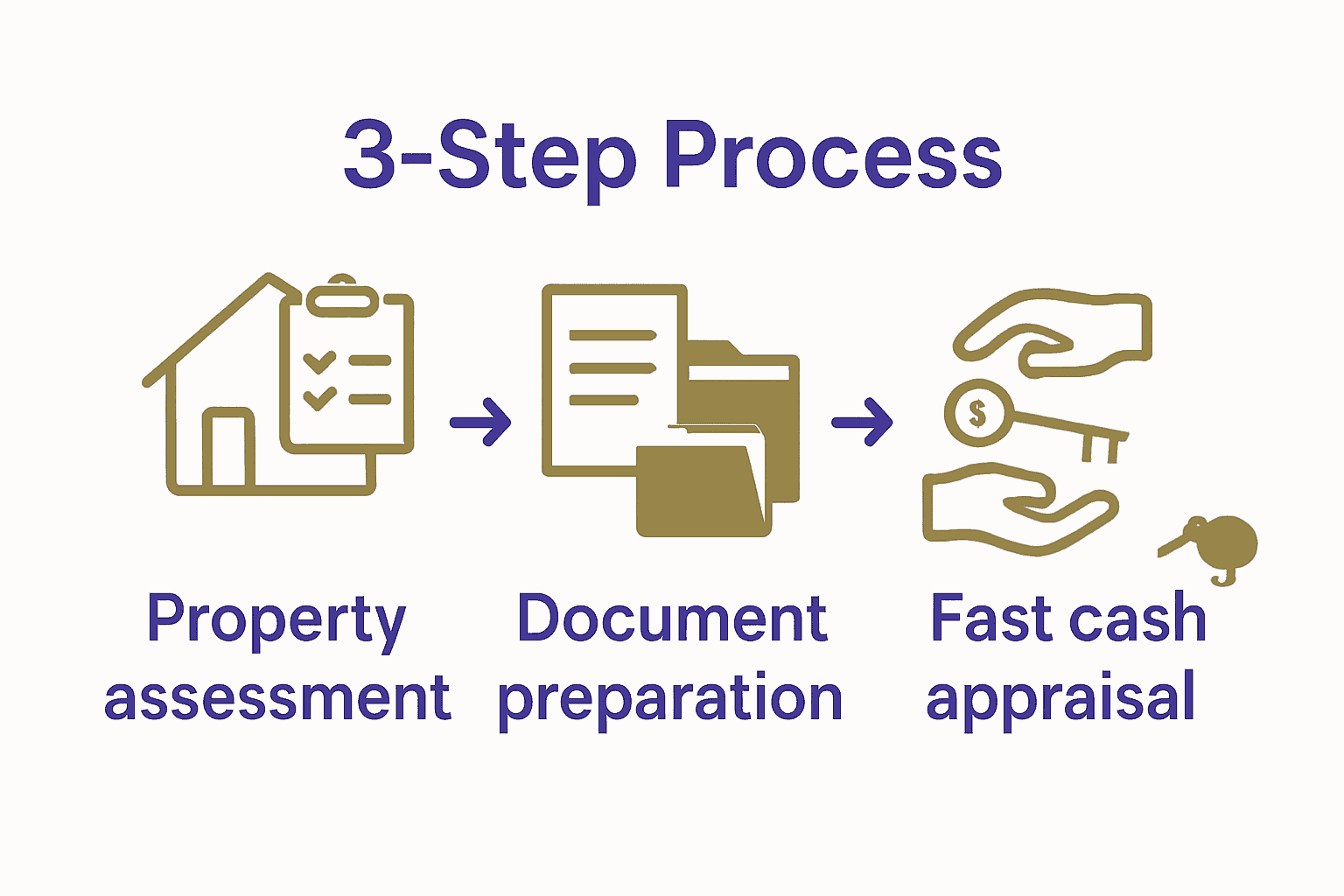
- Step 1: Assess Your Property and Set Your Priorities
- Step 2: Gather Essential Property Details and Documents
- Step 3: Submit Your Property for a Quick Cash Appraisal
- Step 4: Review and Negotiate the No-Obligation Offer
- Step 5: Finalize Settlement on Your Preferred Timeline
Quick Summary
| Key Point | Explanation |
|---|---|
| 1. Assess property condition thoroughly | Conduct a comprehensive evaluation of your property to identify repairs or improvements needed before selling. |
| 2. Set clear selling priorities | Determine if you value a fast sale or maximum price, as this affects your selling strategy significantly. |
| 3. Gather essential documents | Collect all important legal and financial paperwork to streamline the selling process and ensure transparency with buyers. |
| 4. Obtain a cash appraisal | Submit your property for a cash appraisal to better understand its market value, gathering detailed property information. |
| 5. Review and negotiate offers carefully | When you receive a no-obligation offer, review it in detail and negotiate terms to achieve the best outcome for your sale. |
Step 1: Assess Your Property and Set Your Priorities
Selling a property in New Zealand starts with a strategic self assessment that determines your sale potential and goals. When you understand your property’s current condition and market position, you create a roadmap for a successful transaction. Settled recommends thoroughly evaluating your property before listing.
Begin by conducting an honest and comprehensive property evaluation. Walk through your home and make a detailed list of its current condition identifying areas that might need repair or improvement. Consider factors like recent maintenance work completed age of major systems such as heating plumbing and electrical and overall structural integrity. Some key aspects to assess include roof condition window quality interior paint state flooring condition and any potential structural issues. Govt suggests understanding your property’s worth plays a critical role in setting realistic expectations.
Next set clear priorities for your sale. Are you looking for the maximum possible price or a quick transaction? Do you need to sell within a specific timeframe due to relocation financial needs or other personal circumstances? Your priorities will significantly influence your selling strategy. Some homeowners prioritize speed while others focus on maximizing their return. Be honest with yourself about what matters most in this transaction. A quick property assessment can help you determine whether minor repairs might increase your property value or if selling as is makes more sense for your situation.
Pro Tip: Take clear high resolution photos of your property during this assessment. These initial images will help you track improvements and could be useful for initial marketing materials.
With a thorough property assessment and clear priorities established you are now ready to move forward in your selling journey.
Step 2: Gather Essential Property Details and Documents
Preparing to sell your property requires assembling a comprehensive collection of important documents and details that potential buyers and legal professionals will need to review. This crucial step helps streamline your selling process and demonstrates transparency. Settled recommends compiling all necessary property information before listing.
Start by gathering critical legal and financial documents. This includes your property title certificate recent rates bills building consent documents and any warranties for renovation work completed. Look for documents such as building permits electrical compliance certificates plumbing certifications and any recent structural assessment reports. These documents provide potential buyers with confidence about your property’s history and condition. Law Society emphasizes the importance of having accurate and complete documentation to prevent potential legal complications during the sale process.
Organize your documents systematically creating both digital and physical copies.
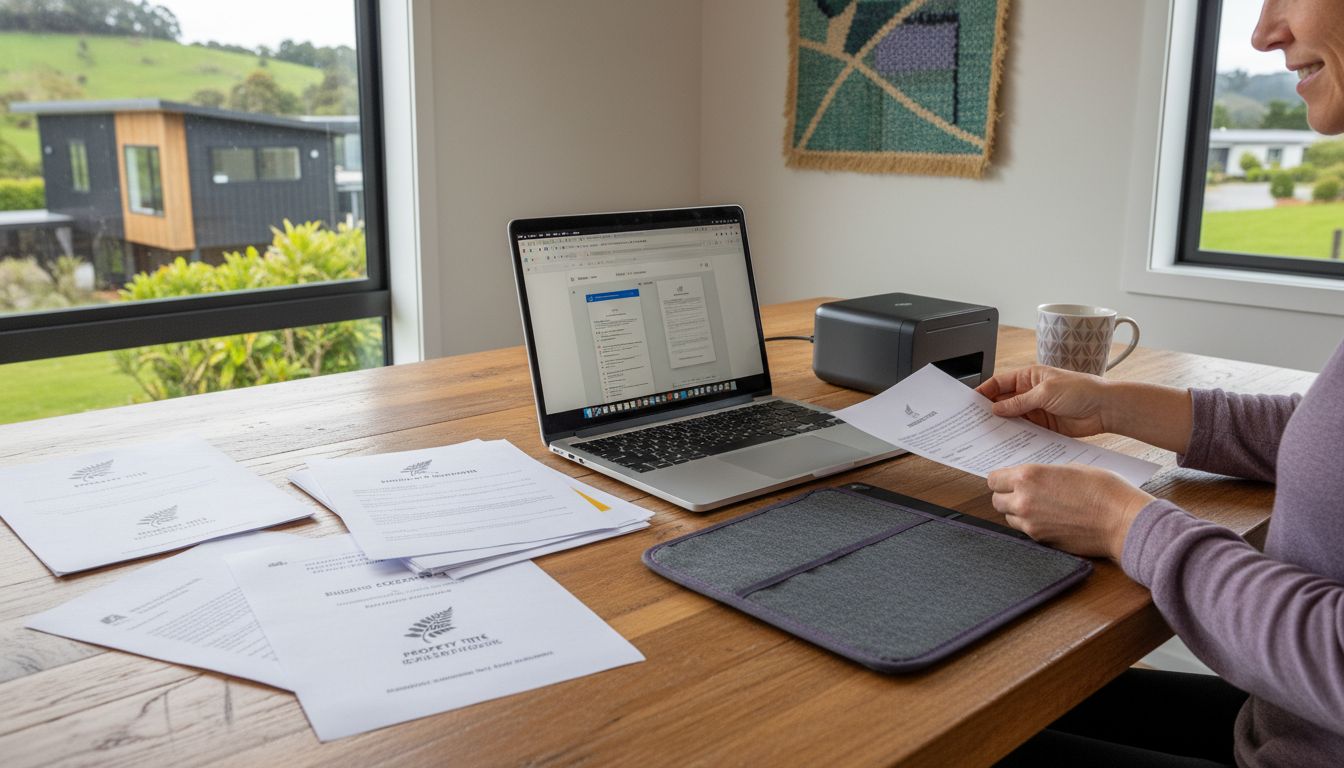
Digital scans can be easily shared with potential buyers or real estate professionals while physical copies serve as reliable backups. Ensure all documents are current and clearly readable. If you are missing any critical paperwork contact the relevant local authorities or previous contractors to obtain duplicates. Keep these documents in a secure yet accessible location where you can quickly retrieve them when needed.
Pro Tip: Create a dedicated folder physical or digital where you store all property related documents. This organization will save you significant time and stress during the selling process.
With your essential property documents gathered and organized you are now prepared for the next steps in your property selling journey.
Step 3: Submit Your Property for a Quick Cash Appraisal
Submitting your property for a cash appraisal is a critical step in understanding its true market value and potential selling price. This process helps you gain clarity about what your property is worth in the current real estate market. Settled explains that appraisals provide an accurate assessment based on market trends and property features.
To begin the appraisal process prepare comprehensive information about your property. Compile details such as total square meterage number of bedrooms and bathrooms recent renovations unique features and any recent improvements. Govt recommends obtaining multiple appraisals to ensure you receive a fair and accurate valuation. When submitting for a cash appraisal be prepared to provide clear high resolution photos of your property both exterior and interior shots that showcase its best attributes. Include information about recent maintenance recent upgrades and any special characteristics that might increase its value.
Consider working with professional cash buyers who can provide quick transparent appraisals. These professionals typically offer faster turnaround times compared to traditional real estate agents. Some cash buying services can provide an initial evaluation within 24 to 48 hours. Be ready to answer questions about your propertys condition recent repairs and reasons for selling. Need to Sell My House Quickly: A Step-by-Step Guide can provide additional insights into streamlining this process.
Pro Tip: Organize your property documents and maintenance records before submitting for an appraisal. Having these readily available can help expedite the valuation process and potentially increase your propertys perceived value.
Once you receive your cash appraisal you will be better equipped to make an informed decision about selling your property.
Step 4: Review and Negotiate the No-Obligation Offer
Receiving a no-obligation offer represents an exciting milestone in your property selling journey. This step allows you to carefully evaluate the proposed terms without committing to a sale. Real Estate Authority emphasizes the critical importance of thoroughly understanding every aspect of the offer before making a decision.
Start by meticulously reviewing the entire offer document. Pay close attention to the proposed purchase price settlement timeline contingencies and any special conditions. Law Society recommends consulting legal counsel to ensure all terms are clear fair and legally sound. Consider factors beyond the purchase price such as proposed settlement dates potential repair requirements and any additional conditions that might impact your sale. If certain aspects of the offer do not meet your expectations do not hesitate to negotiate. Cash buyers are often more flexible and willing to work with you to reach a mutually beneficial agreement.
When negotiating keep an open mind and remain professional. Your goal is to achieve the best possible outcome while maintaining a constructive dialogue. House Sale Negotiation Tips for Fast Results suggests focusing on your key priorities while remaining willing to compromise on less critical points. Consider requesting small adjustments that could make a significant difference such as a slightly higher purchase price faster settlement or coverage of specific repair costs.
Pro Tip: Always get negotiation terms in writing. Verbal agreements can lead to misunderstandings and potential legal complications.
Once you are satisfied with the negotiated terms you will be ready to move forward with the property sale.
Step 5: Finalize Settlement on Your Preferred Timeline
The settlement process represents the final and most crucial stage of your property sale where all legal and financial transactions are completed. This is the moment when ownership officially transfers from you to the buyer. Govt emphasizes the importance of adhering precisely to the agreed settlement timeline and completing all necessary procedures.
Prepare comprehensively for settlement day by organizing all required documentation and ensuring your property is ready for handover. This includes gathering all property titles recent rates receipts building compliance certificates and any other relevant legal paperwork. Coordinate with your legal representative to confirm all financial transactions are properly processed. Arrange for the transfer of utilities cleaning and final property inspection. Make certain you have a clear understanding of the exact settlement date and time to avoid any potential last minute complications.
On settlement day be prepared to hand over the keys and ensure the property is in the condition previously agreed upon. Remove all personal belongings and conduct a final walkthrough to verify the property meets the expected standards. Double check that all agreed repairs or modifications have been completed. Confirm with your legal representative that funds have been correctly transferred and all settlement conditions have been satisfactorily met. Keep communication channels open with the buyer and be responsive to any final queries or requirements.
Pro Tip: Create a settlement day checklist in advance to ensure you do not overlook any critical tasks or documents.
With settlement completed you have successfully navigated the entire property selling process and can now move forward to your next life chapter.
Sell Your NZ Property Fast with Confidence and Ease
If you are ready to move beyond assessing and preparing your property and want to avoid the usual delays and complexities of the traditional market the solution is here. Many homeowners in New Zealand face challenges like lengthy settlement timelines and confusing negotiations when trying to sell. That is exactly why easySale.co.nz offers a fuss-free alternative that aligns perfectly with the article’s clear steps toward a quick sale — especially when you need a fast, fair cash offer that respects your timeline and priorities.
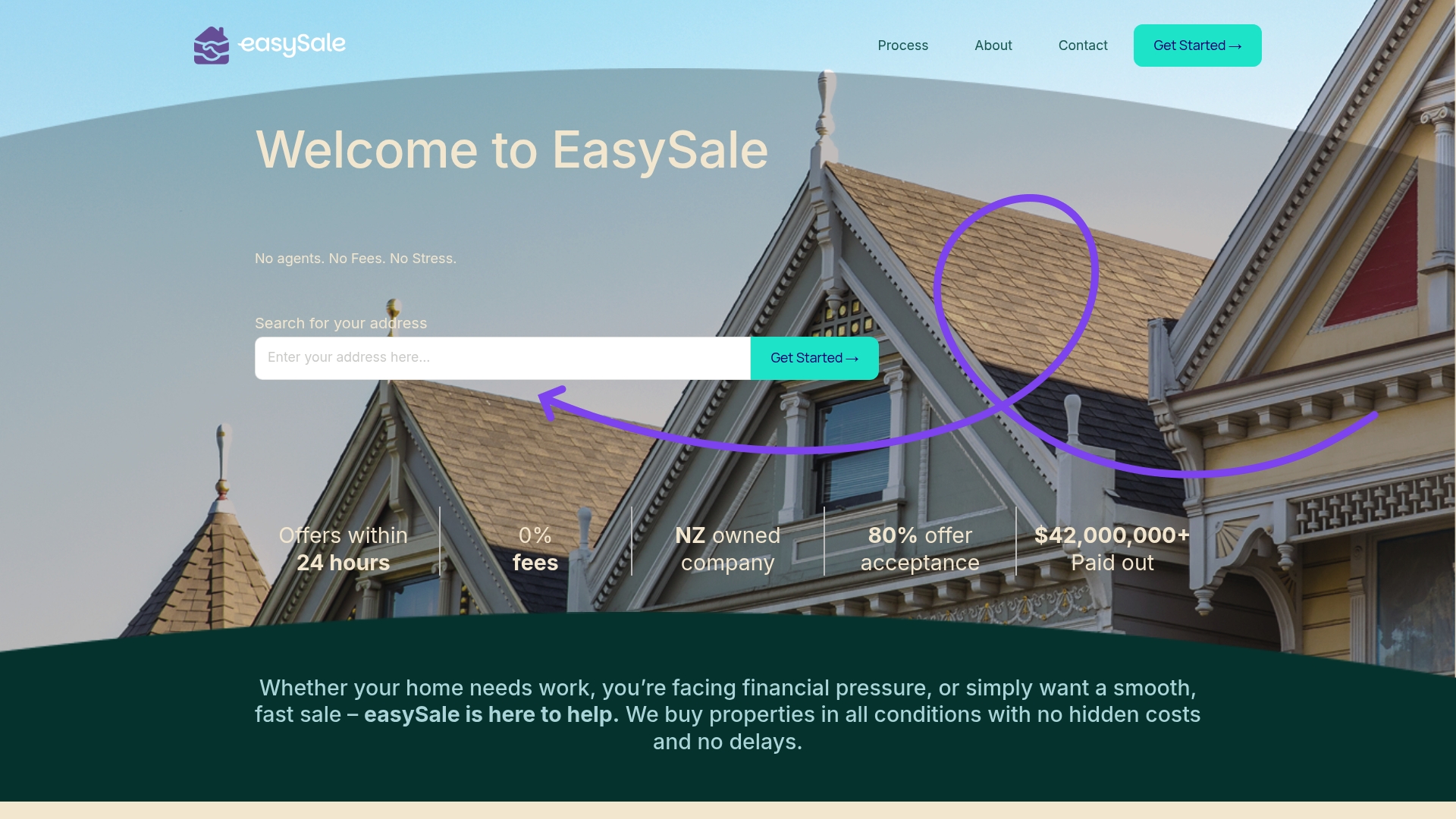
Why wait and worry about repairs or missing paperwork? With easySale.co.nz you can:
- Submit your property details quickly online
- Receive a no-obligation cash offer without agent fees
- Settle on a timeline that suits your life
Take action now to turn your property into cash without the usual headaches. Visit easySale.co.nz to get your fast appraisal and discover a selling experience designed to match your needs. If you want a seamless, transparent step after reading this guide it starts right here.
Frequently Asked Questions
How can I assess my property before selling it?
To assess your property effectively, conduct a thorough evaluation of its condition and make a list of necessary repairs. Consider factors like the age of major systems and the state of the roof, windows, and flooring to identify areas that may impact your sale price.
What essential documents do I need to gather before selling my property?
Before selling your property, collect critical documents such as your property title, recent rates bills, and building consent documents. Organize these materials systematically to streamline the selling process and demonstrate transparency to potential buyers.
How do I submit my property for a cash appraisal?
To submit your property for a cash appraisal, prepare comprehensive information about its features, including square meterage and any recent renovations. Be ready to provide high-resolution photos of your property to help the appraiser understand its best attributes and condition.
What should I consider when reviewing a no-obligation offer?
When reviewing a no-obligation offer, focus on the proposed purchase price, settlement timeline, and special conditions. Carefully evaluate each term to ensure it aligns with your expectations before deciding whether to accept or negotiate.
How can I prepare for the settlement process after selling my property?
To prepare for the settlement process, organize all necessary documentation and ensure the property is ready for handover. Conduct a final walkthrough to confirm that all agreed repairs are completed and that you have all essential paperwork ready for settlement day.
What are some tips for negotiating with cash buyers?
In negotiations with cash buyers, start by reviewing your key priorities while remaining open to compromise on less critical points. Aim for small adjustments that could improve your outcome, such as a slightly higher price or covering repair costs, and always get any agreements in writing.
Recommended
