
Private Property Sale: Faster, No-Commission Selling in NZ
Sudden events like a job loss, urgent repairs, or a relationship breakdown can leave New Zealand homeowners searching for fast answers. In times of financial pressure, the idea of a quick, uncomplicated property sale becomes more appealing than ever. A private property sale gives you control over every step, offering a real chance to skip commission fees and move forward on your terms.
Table of Contents
- Defining Private Property Sales In New Zealand
- Choosing Between Private Sale And Agent Sale
- Steps Involved In A Private Property Sale
- Legal And Disclosure Requirements For Sellers
- Risks, Costs, And How To Avoid Pitfalls
Key Takeaways
| Point | Details |
|---|---|
| Private Property Sales Empower Homeowners | Property owners can save significant commission fees by managing the sales process independently, gaining full control over their transactions. |
| Thorough Understanding Required | Homeowners must comprehend local property regulations and market dynamics to navigate the sales process effectively. |
| Risks and Legal Compliance | Private sellers face financial and legal risks, necessitating careful documentation and compliance with established regulations. |
| Professional Advice Recommended | Engaging a qualified property lawyer is crucial for reviewing documentation and ensuring compliance throughout the sale process. |
Defining Private Property Sales in New Zealand
A private property sale represents a strategic approach for New Zealand homeowners to sell their property directly without engaging traditional real estate agents. This method empowers property owners to manage the entire sales process independently, saving significant commission fees while maintaining full control over transaction details.
In the New Zealand real estate context, a private property sale involves the homeowner handling every aspect of marketing, negotiation, and legal documentation without professional agent representation. Sellers become responsible for critical tasks including property valuation, marketing strategy, buyer communication, and legal compliance. This approach requires comprehensive understanding of local property regulations, market dynamics, and legal documentation requirements.
Private property sales offer distinct advantages for proactive New Zealand homeowners. By eliminating agent commissions, sellers can potentially retain thousands of dollars that would otherwise be paid in fees. Managing the entire sales process independently allows for greater flexibility in pricing, negotiation, and timeline management. However, this method demands significant time investment, research skills, and a thorough understanding of legal obligations.
Pro tip: Before initiating a private property sale, consult a local property lawyer to review your sales documentation and ensure full compliance with New Zealand real estate regulations.
Choosing Between Private Sale and Agent Sale
Deciding between a private sale and working with a real estate agent requires Kiwi homeowners to carefully evaluate their personal circumstances, financial goals, and market expertise. Understanding the core differences between these selling approaches is crucial for making an informed decision that maximises property value and minimises potential risks.
Traditional real estate agents bring significant professional advantages to the selling process. They offer comprehensive market knowledge, established marketing networks, and skilled negotiation capabilities. Most importantly, licensed agents are regulated under the Real Estate Agents Act 2008, providing sellers with a layer of professional accountability. Their expertise typically includes professional property valuation, strategic marketing placement, managing buyer interactions, and navigating complex legal documentation.
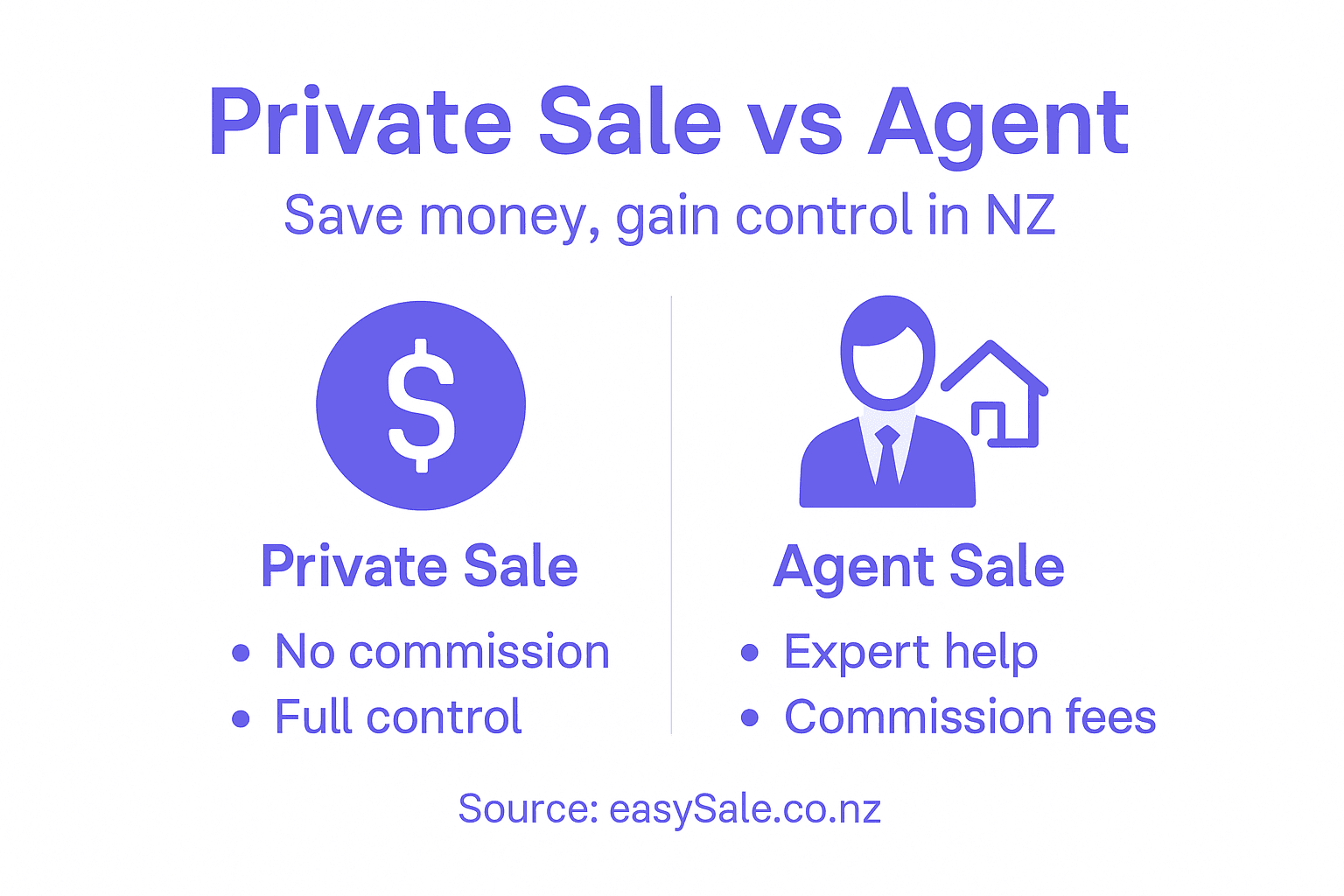
Private sales, on the other hand, present a compelling alternative for hands-on homeowners willing to invest time and effort. Commission costs typically range between 2-5%, which can represent substantial savings for sellers prepared to manage the entire transaction independently. This approach demands a thorough understanding of local property markets, strong communication skills, and the ability to handle legal and marketing responsibilities typically managed by professional agents.
Pro tip: Regardless of your chosen selling method, always engage a property lawyer to review sales documentation and ensure complete legal compliance with New Zealand real estate regulations.
Here’s a comparison of key factors when deciding between private sale and using an agent:
| Factor | Private Sale | Agent Sale |
|---|---|---|
| Sale Cost | Lower (no commission fees) | 2–5% commission fees |
| Time Commitment | High (self-managed process) | Lower (agent-managed process) |
| Legal Oversight | Must arrange independently | Included in agent services |
| Marketing Reach | Self-driven, may be limited | Broader professional networks |
| Negotiation Expertise | Requires seller skill | Provided by experienced agent |
Steps Involved in a Private Property Sale
Executing a successful private property sale in New Zealand requires a systematic approach that balances strategic planning with meticulous attention to legal and marketing details. Selling a home privately involves seven critical steps that demand careful preparation and proactive management from the homeowner.
The initial phase focuses on property presentation and market positioning. Homeowners must first conduct a comprehensive property assessment, addressing any necessary repairs or cosmetic improvements that could enhance marketability. Professional photography becomes crucial, as high-quality images significantly impact potential buyers’ first impressions. Strategic pricing requires thorough research of local market comparables, ensuring the property is competitively yet realistically valued. Preparing comprehensive property documentation, including a detailed Property Information Memorandum, establishes transparency and builds buyer confidence.

Marketing and negotiation represent the next critical stages of a private sale. Sellers must leverage multiple online and offline platforms to maximise property exposure, including specialized real estate websites, social media channels, and targeted local advertising. Comprehensive property documentation ensures legal compliance during buyer interactions, negotiations, and final settlement. Effective communication skills become paramount, as the seller must manage property viewings, respond to inquiries, and negotiate directly with potential buyers without professional agent intermediation.
Pro tip: Invest in a pre-sale property inspection to identify and address potential issues before listing, which can significantly streamline the selling process and increase buyer confidence.
Legal and Disclosure Requirements for Sellers
Navigating the legal landscape of private property sales in New Zealand demands rigorous attention to disclosure and compliance. Sellers must comprehensively disclose property information to potential buyers, ensuring transparency and mitigating potential legal risks associated with misrepresentation.
Key legal obligations encompass several critical areas of property disclosure. Sellers are legally required to reveal significant property issues including structural defects, boundary disputes, weather-tightness problems, unconsented alterations, and any known environmental challenges. While sellers are not obligated to publicly advertise every minor property detail, they must proactively inform serious buyers about material facts that could substantially impact the property’s value or desirability. This disclosure requirement extends beyond physical conditions to include legal encumbrances, existing easements, resource consent limitations, and potential zoning restrictions that might affect future property use.
Compliance with financial regulations represents another crucial aspect of private property sales. Sellers must adhere to the Anti-Money Laundering and Countering Financing of Terrorism Act 2009, which mandates stringent identity verification and financial transaction protocols. Professional legal assistance becomes invaluable in preparing comprehensive Sale and Purchase Agreements, managing deposit transactions, and ensuring all documentation meets regulatory standards. Failure to disclose significant property defects can potentially result in legal action, contract cancellation, or financial penalties, underscoring the importance of thorough and honest communication throughout the sales process.
Summary of major legal requirements for sellers in New Zealand:
| Requirement | What It Involves | Consequence of Non-Compliance |
|---|---|---|
| Disclosure of Property Issues | Informing buyers about material defects | Legal action or contract cancellation |
| Financial Regulation Compliance | Following AML/CFT verification steps | Transaction delays or penalties |
| Sale Agreement Preparation | Drafting and reviewing all documents | Invalid or unenforceable contract |
| Boundary & Title Verification | Confirming clear property ownership | Potential disputes post-sale |
Pro tip: Engage a qualified property lawyer to review all sale documentation and provide a comprehensive compliance checklist before finalising any private property sale.
Risks, Costs, and How to Avoid Pitfalls
Private property sales in New Zealand present a complex landscape of potential financial and legal risks that require strategic navigation. Selling a property independently increases sellers’ exposure to multiple challenges, demanding comprehensive preparation and proactive risk management strategies.
Financial risks represent a significant concern for private sellers. Without professional agent guidance, homeowners may unintentionally undervalue their property, potentially losing thousands of dollars in potential sale proceeds. Marketing expenses can quickly accumulate, including professional photography, online listing fees, printed materials, and advertising costs. Additional financial risks emerge from potential legal complications, such as incomplete documentation, improper disclosure, or negotiation missteps that could result in costly disputes or contract cancellations.
Mitigating these risks requires a multifaceted approach centred on professional guidance and meticulous preparation. Careful documentation and legal compliance are crucial to preventing potential financial and legal challenges. Sellers should invest in professional legal advice, conduct thorough property research, obtain independent property valuations, and develop a comprehensive understanding of local real estate regulations. Transparent communication with potential buyers, detailed property disclosures, and careful negotiation can significantly reduce the likelihood of subsequent legal challenges or financial losses.
Pro tip: Allocate a contingency budget of at least 2-3% of your expected property value to cover unexpected marketing, legal, and administrative expenses during your private sale process.
Simplify Your Private Property Sale with easySale.co.nz
Selling your property privately in New Zealand can be rewarding but challenging. From managing marketing and legal disclosures to avoiding costly pitfalls, the process demands time, knowledge and careful planning. If you are seeking a faster, no-commission sale without the usual stress of negotiations or legal complexities, easySale.co.nz offers a straightforward alternative tailored to your needs.
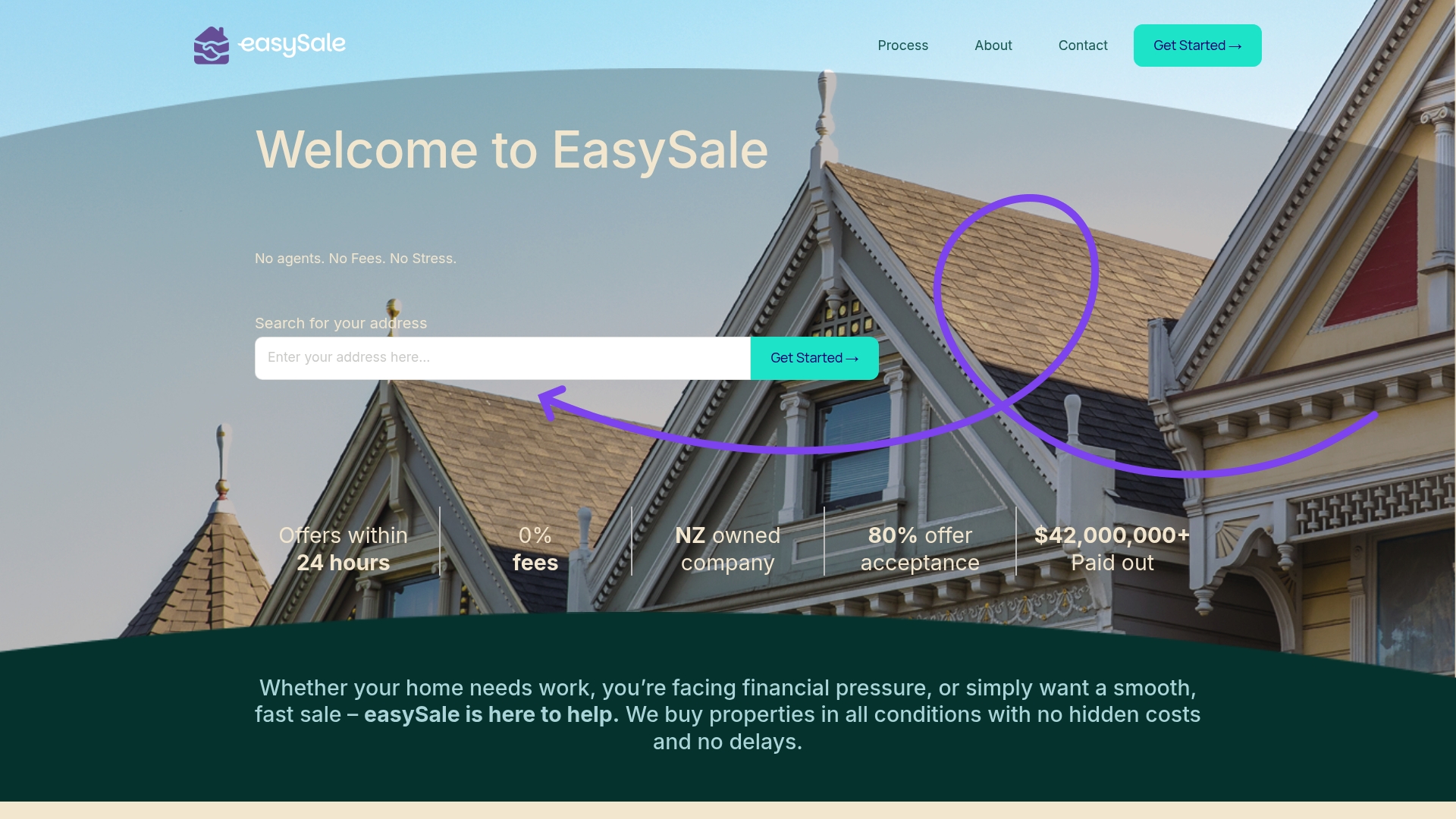
Experience the ease of receiving a fast, fair cash offer without involving real estate agents or paying commission fees. With easySale.co.nz, you can sell any property in any condition on your terms, avoiding time-consuming steps like property inspections, negotiating or preparing extensive documentation. Take control of your sale today and discover a simpler path to selling by visiting easySale.co.nz now. For a practical solution that respects your timeline and financial goals, start your hassle-free sale journey online today.
Frequently Asked Questions
What is a private property sale?
A private property sale is when homeowners sell their property directly without the help of real estate agents, allowing them to save on commission fees and maintain control over the entire sales process.
What are the advantages of selling my property privately?
Selling privately allows you to avoid agent commission fees, potentially saving thousands of dollars. It also gives you greater flexibility in managing the pricing, negotiation, and timeline of the sale.
What legal requirements should I be aware of when selling my property privately?
You must disclose significant property issues to buyers, comply with financial regulations, and prepare a Sale and Purchase Agreement. It’s crucial to engage a property lawyer to ensure all documentation is compliant.
How can I avoid common pitfalls when selling my property privately?
To avoid pitfalls, ensure thorough property research, obtain independent valuations, maintain transparent communication with potential buyers, and engage professional legal advice to help with documentation and compliance.
Recommended
