
Property Sale Options Explained: Fast, Fair Choices NZ

Most australian property owners may not realize that over 40 percent of quick home sales in New Zealand happen without using a real estate agent. For Kiwis confronting financial hardship or life changes, knowing when and how to sell fast can make all the difference between relief and more stress. This guide breaks down your options so you can make practical decisions, avoid hefty agent commissions, and gain a clearer path toward financial recovery.
Table of Contents
- Property Sale Options In New Zealand Explained
- Key Types: Auction, Private, Tender And Cash Offer
- How Each Sale Method Works In Practice
- Legal And Financial Realities For Sellers
- Weighing Costs, Risks And Common Pitfalls
Key Takeaways
| Point | Details |
|---|---|
| Understanding Sale Methods | Evaluate various property sale options, including auctions, private sales, tenders, and cash offers, to find the best fit for your situation. |
| Legal Obligations | Be aware of the legal responsibilities involved in property transactions, including disclosure requirements and potential financial risks. |
| Proper Marketing Strategy | Choose the right selling strategy based on market conditions and property characteristics, which can significantly affect sale outcomes. |
| Financial Preparedness | Prepare for potential costs associated with the sale, including legal fees and marketing expenses, to maximise net proceeds. |
Property Sale Options In New Zealand Explained
Selling property in New Zealand involves multiple strategic approaches that cater to different seller needs and circumstances. Whether you’re relocating, downsizing, or managing an investment, understanding your property sale options can significantly impact your financial outcome and stress levels. The sale and purchase agreement serves as the critical legal framework that governs how these transactions proceed.
New Zealand offers several primary property sale methods. Traditional real estate agent sales remain popular, where professionals market your property, manage viewings, and negotiate on your behalf. These sales typically involve commission fees ranging from 3% to 4% of the final sale price. Another option includes private sales, where homeowners directly market and sell their property, potentially saving on agent commissions but requiring more personal time and marketing expertise.
For homeowners seeking faster, more straightforward transactions, direct property buying services have emerged as an attractive alternative. These services provide quick cash offers, often purchasing properties in their current condition without requiring repairs or staging. Such options work particularly well for those facing time constraints, financial pressures, or properties that might not present ideally in traditional markets.
Quick cash property sales typically involve a streamlined process: property assessment, immediate cash offer, and rapid settlement. This approach eliminates lengthy marketing periods, multiple property inspections, and complex negotiation stages. Sellers can often complete transactions within weeks instead of months, providing immediate financial relief and certainty.
Pro tip: Before selecting a property sale method, carefully evaluate your personal circumstances, financial goals, and timeline to choose the most suitable approach.
Key Types: Auction, Private, Tender And Cash Offer
New Zealand property sellers have multiple sale methods available, each with unique advantages and strategic considerations. The Property Law Section Guidelines outlines four primary approaches: auction, private sale, tender, and cash offer. Understanding these options helps sellers select the most appropriate strategy for their specific circumstances and property market conditions.
Auction sales represent a highly transparent and competitive method, where properties are publicly marketed and sold to the highest bidder on a specific date. According to the Auctioneers Association of New Zealand, these sales work exceptionally well in markets with high buyer interest and properties with unique characteristics. Sellers benefit from potential competitive bidding that might drive prices above initial expectations, though they must be prepared for the uncertainty of the final sale price.

Private sales involve direct negotiation between seller and buyer without public auction. This method offers more control and flexibility, allowing sellers to set their price and negotiate terms privately. Tender sales differ slightly, involving sealed bids submitted by potential buyers by a specific deadline. Cash offer transactions provide the fastest route, with investors or specialised buying services offering immediate purchase without traditional marketing processes.
Each sale method carries distinct advantages. Auctions work best for unique properties or high-demand markets. Private sales suit sellers wanting more personalised negotiation. Tenders provide a structured, time-limited approach, while cash offers deliver rapid transactions with minimal complexity. Sellers should carefully evaluate their property’s characteristics, market conditions, and personal financial needs when selecting an approach.
Here’s a concise comparison of the four main property sale methods used in New Zealand:
| Sale Method | Typical Timeframe | Level of Seller Control | Ideal Use Case |
|---|---|---|---|
| Auction | 2-4 weeks | Moderate | Unique properties, high demand areas |
| Private | 4-8 weeks | High | Personal negotiation preferences |
| Tender | 3-6 weeks | High | Multiple interested buyers, set deadline |
| Cash Offer | 1-3 weeks | Low to Moderate | Fast sale needed, condition issues |
Pro tip: Consult a property law professional to understand the legal implications of each sale method before making your final decision.
How Each Sale Method Works In Practice
Understanding the practical mechanics of different property sale methods is crucial for New Zealand sellers seeking the most effective approach. The sale and purchase agreement process reveals the intricate details of how these transactions unfold in real-world scenarios.
Auction sales represent the most dynamic selling method, where registered auctioneers manage a public bidding process. Sellers establish a reserve price, remaining hidden from potential buyers. On auction day, registered bidders compete openly, with the highest offer winning if it meets or exceeds the reserve price. This method works exceptionally well for unique properties or in markets with high buyer competition, providing maximum transparency and potentially driving prices above initial expectations.
Private sales and tenders offer more controlled negotiation environments. In private sales, sellers directly engage with potential buyers, negotiating terms and price without public competition. Tender processes involve a structured approach where interested buyers submit sealed bids by a specific deadline. Sellers then review these confidential offers, selecting the most attractive proposal. These methods provide greater flexibility, allowing sellers to maintain more control over the transaction process and potentially secure better terms through strategic negotiation.
Cash offer transactions represent the fastest and most straightforward approach. Specialised property buying services evaluate properties quickly, providing immediate offers without the complexities of traditional marketing. This method suits sellers facing time constraints, financial pressures, or those with properties that might struggle in conventional markets. The streamlined process typically involves a rapid property assessment, immediate cash offer, and quick settlement, eliminating lengthy marketing periods and multiple inspection stages.
Pro tip: Always obtain independent legal advice to understand the specific contractual implications of your chosen sale method.
Legal And Financial Realities For Sellers
Property sales in New Zealand involve complex legal and financial considerations that can significantly impact a seller’s financial outcomes. The Property Law Section Guidelines emphasise the critical importance of understanding contractual obligations, disclosure requirements, and potential financial risks before entering any property transaction.
Sellers must navigate a series of legal responsibilities that extend beyond simply listing a property. Disclosure becomes paramount, with vendors required to transparently communicate any known defects or issues that could materially affect the property’s value. Financial preparations involve understanding deposit structures, settlement timelines, and potential tax implications. Contracts under standard REINZ/ADLS agreements demand precise compliance, with specific conditions that must be met to prevent potential legal disputes or contract cancellations.
Particular attention must be paid to scenarios involving financial distress. Mortgagee sales represent a critical situation where lenders may be forced to sell a property due to borrower default. These circumstances dramatically reduce a seller’s control and can result in significant financial losses. Proactive communication with financial institutions, understanding debt recovery processes, and seeking early legal advice can help mitigate potential negative outcomes.
Each sale method carries unique legal and financial nuances. Auction sales involve immediate contractual commitments, private sales allow more negotiated terms, and cash offer transactions prioritise speed and certainty. Regardless of the chosen approach, sellers must remain informed about their legal rights, potential liabilities, and financial implications to protect their interests throughout the property sale process.
Pro tip: Engage a property lawyer to review all sale documents and provide personalised advice specific to your transaction.
Weighing Costs, Risks And Common Pitfalls
Navigating property sales in New Zealand requires a strategic understanding of potential financial risks and legal complications. The Property Law Section Guidelines highlight critical areas where sellers can inadvertently expose themselves to significant financial and legal vulnerabilities during transactions.
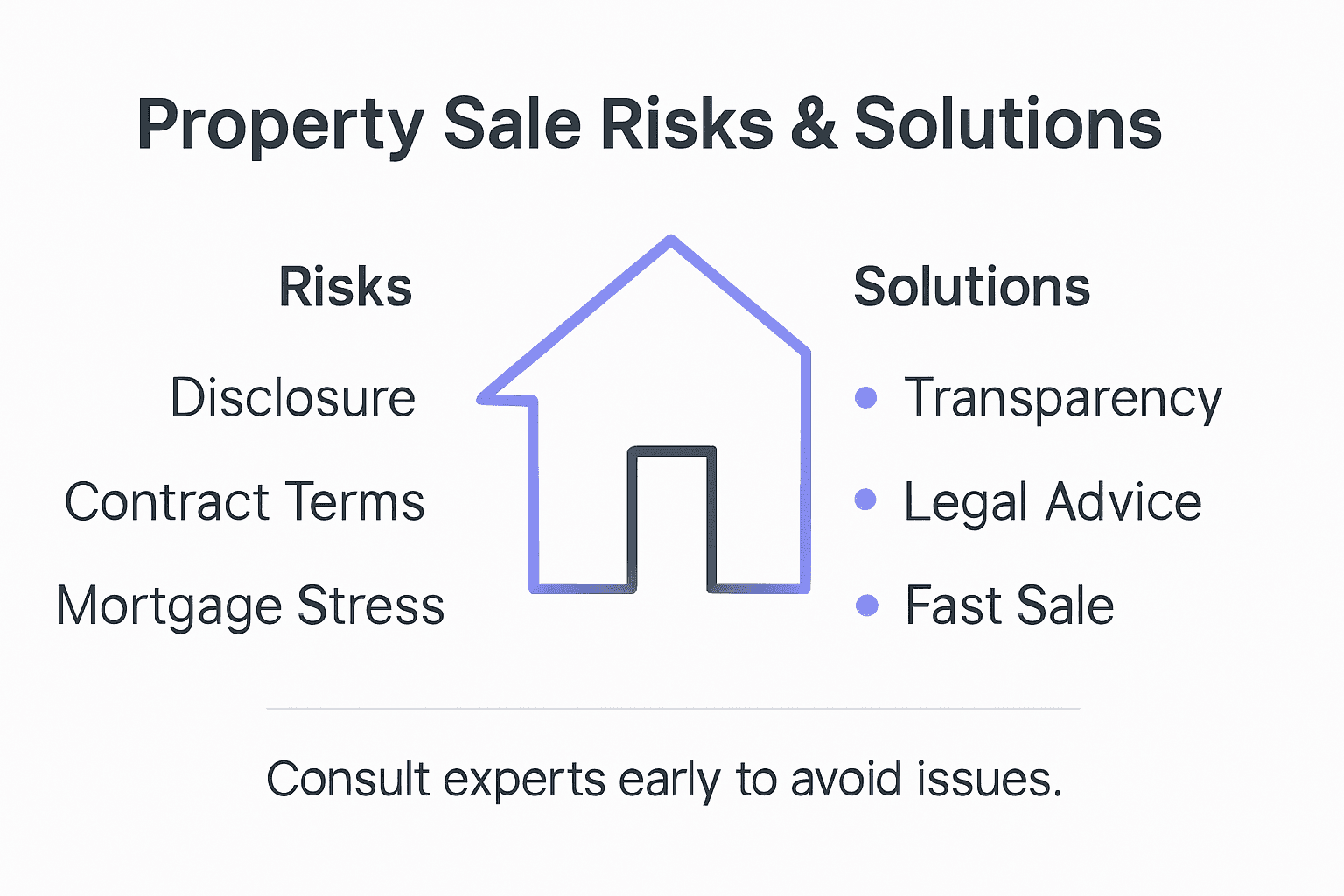
Common pitfalls include inadequate property disclosure, which can lead to legal disputes, and poorly structured contracts that create ambiguity about settlement conditions. Sellers often underestimate associated costs such as legal fees, potential marketing expenses, and potential penalty clauses for contract breaches. These unexpected financial burdens can substantially reduce the net proceeds from a property sale, making comprehensive preparation essential.
Below is a summary of potential legal and financial risks sellers may face and strategies to manage them:
| Risk Category | Potential Impact | Risk Mitigation Strategy |
|---|---|---|
| Inadequate Disclosure | Legal disputes, contract cancellation | Provide full and accurate information |
| Contract Ambiguities | Settlement delays, litigation risk | Engage legal review, clarify terms |
| Unexpected Costs | Reduced net proceeds | Budget for all fees and commissions |
| Mortgagee Sale | Loss of property, financial loss | Communicate early with lender, seek advice |
Mortgagee sales represent one of the most financially devastating scenarios for property owners. These forced sales occur when borrowers default on mortgage payments, dramatically reducing seller control and potentially resulting in substantial financial losses. Proactive communication with financial institutions and understanding debt recovery processes can help sellers mitigate these risks, explore alternative solutions, and protect their financial interests.
Risk management in property sales requires careful consideration of multiple factors. Sellers must assess their chosen sale method’s inherent risks, understand potential financial implications, and prepare contingency plans. This includes having accurate property valuations, maintaining transparent communication with potential buyers, and seeking professional legal and financial advice to navigate complex transaction landscapes.
Pro tip: Maintain a comprehensive financial and legal document portfolio to streamline your property sale and minimise unexpected complications.
Find Fast, Fair Property Solutions Tailored to Your Needs
Selling your property in New Zealand can feel overwhelming, especially when time is tight or your situation demands quick action. The article highlights common challenges such as lengthy marketing processes, uncertainty with auctions, and the stress of legal and financial complexities. If you want to avoid commission fees and complicated negotiations while getting a transparent, straightforward cash offer, there is a solution designed just for you.
easySale.co.nz specialises in helping homeowners like you close property sales quickly and fairly without real estate agents or hidden costs. Whether your property needs repairs or you face financial pressure, their simple three-step process means you can submit your details, receive a no-obligation offer, and settle on your preferred timeline. This flexible approach directly addresses the pain points of slow auctions and private sales, giving you control and certainty.
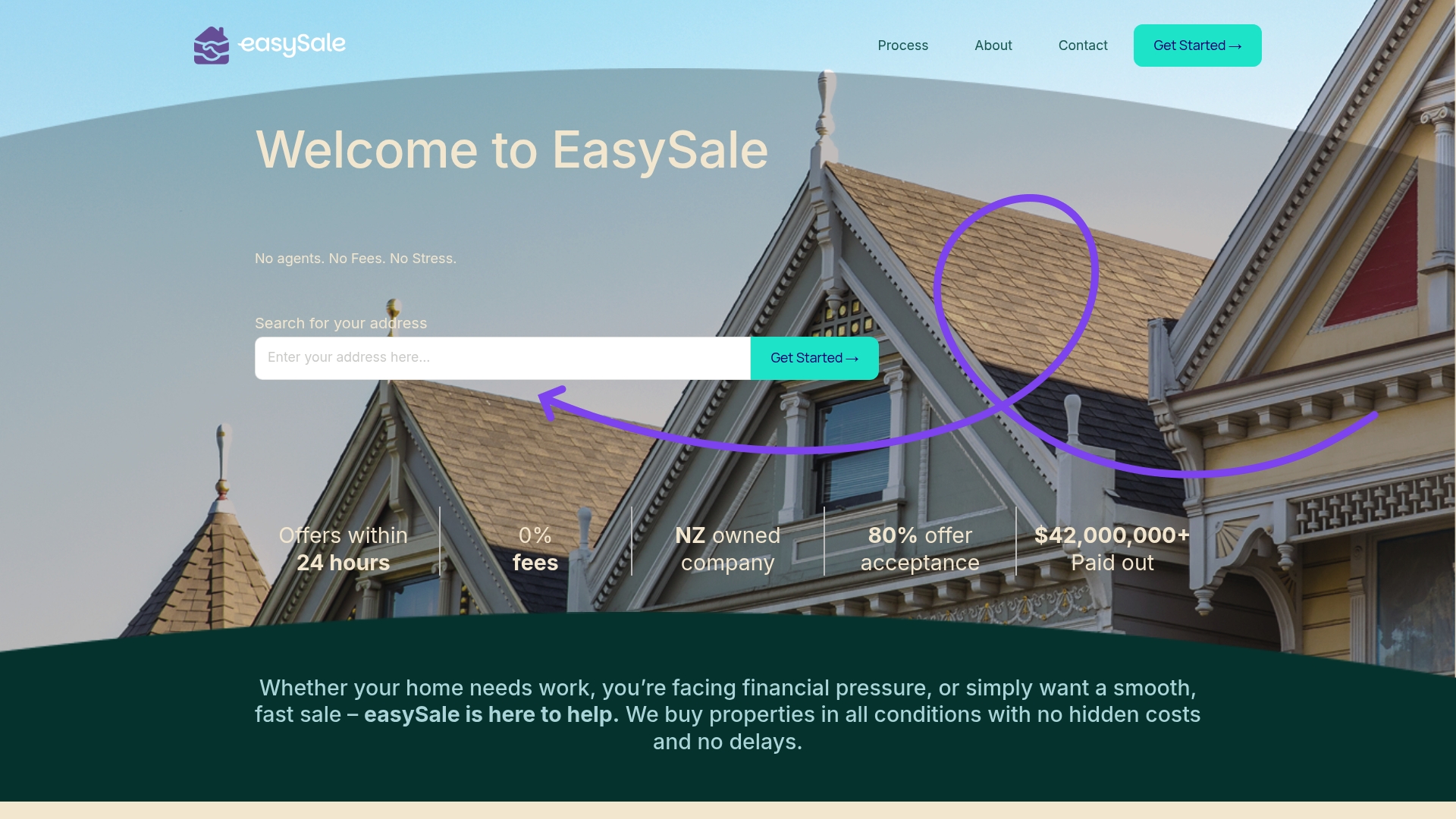
Don’t let legal jargon, lengthy contracts or mortgage stress hold you back. Visit easySale.co.nz now to get a fast, fair cash offer and experience a hassle-free sale. Take the first step towards peace of mind and financial relief today.
Frequently Asked Questions
What are the main property sale options available?
New Zealand offers several property sale methods, including auction, private sale, tender, and cash offers. Each has unique advantages and is suited for different types of properties and seller needs.
How does the auction sale process work?
In an auction, registered bidders compete to purchase a property on a specified date. Sellers set a reserve price, and if bidding meets or exceeds this price, the highest bidder wins the property. This method provides transparency and can drive prices above initial expectations.
What are the benefits of choosing a cash offer for property sales?
Cash offers provide a fast and straightforward selling process, bypassing lengthy marketing and negotiation periods. Sellers typically receive immediate cash offers and can close deals quickly, making this option ideal for those facing time constraints or needing financial relief.
What legal responsibilities do sellers have during the property sale process?
Sellers must disclose any known defects and ensure compliance with all contractual obligations. Understanding the terms of the sale and being aware of potential financial implications, including tax responsibilities, is crucial to prevent legal disputes and financial losses.
Recommended
