
Purpose of Direct Home Sale in New Zealand Property
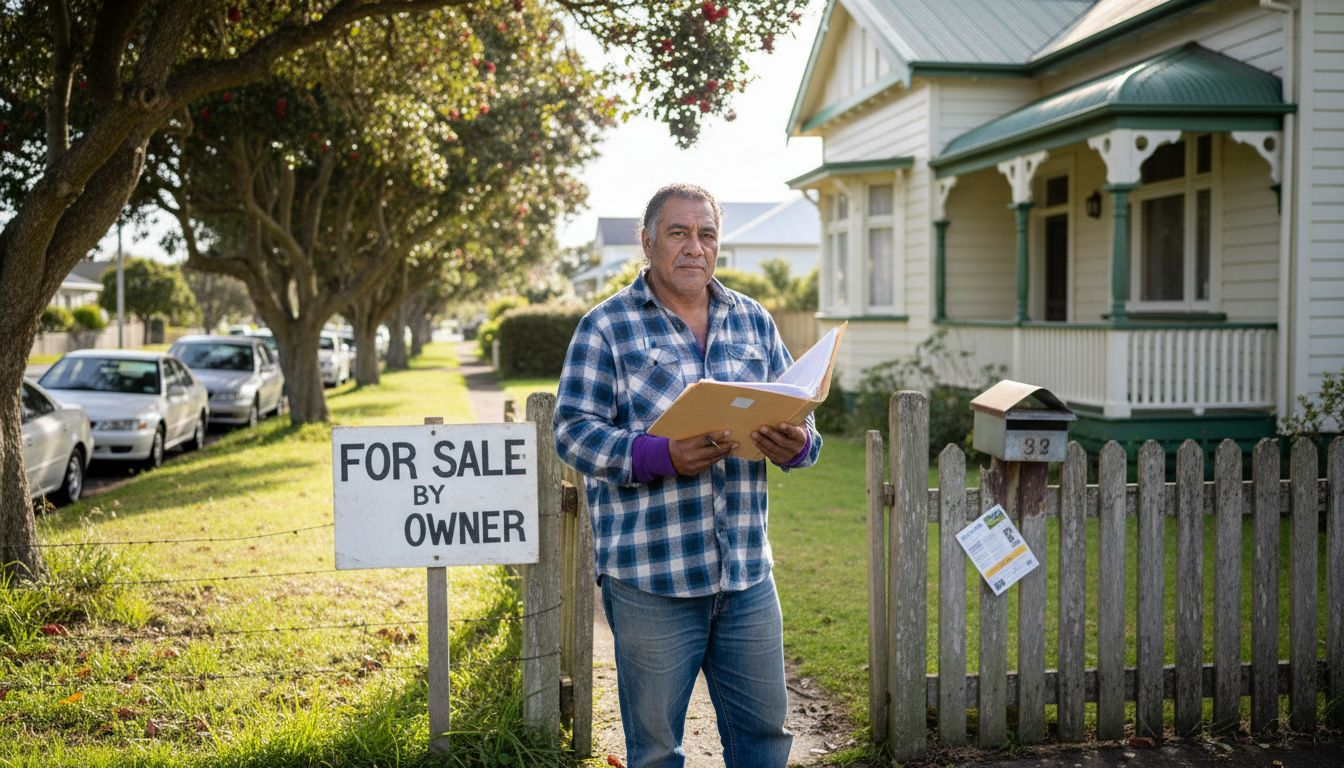
In tough financial times, New Zealand homeowners often discover that selling distressed properties through traditional channels can cost both time and money. With australian investors entering the local market, direct home sales now promise faster transactions and fewer hurdles. By cutting real estate agent commissions, which can reach up to $30,000, sellers gain more control and keep more of their cash. This guide reveals how taking the reins can help you secure a fair cash offer and move forward quickly.
Table of Contents
- Direct Home Sale Defined For NZ Sellers
- Methods And Types Of Direct Sales
- Legal Requirements And Seller Obligations
- Costs, Fees And Financial Implications
- Key Benefits For Distressed Homeowners
- Risks, Pitfalls And How To Avoid Them
Key Takeaways
| Point | Details |
|---|---|
| Direct Home Sales Offer Control | Homeowners can manage the sales process independently, potentially saving on agent commission fees. |
| Legal Obligations Are Crucial | Sellers must understand and comply with legal requirements, including accurate property disclosures and documentation. |
| Financial Implications Should Be Considered | While avoiding agent fees can save money, sellers should budget for marketing and legal expenses to ensure a smooth process. |
| Understanding Market Dynamics is Essential | Accurate property valuation and awareness of local market trends are vital for successful pricing and negotiation. |
Direct home sale defined for NZ sellers
A direct home sale in New Zealand represents a property transaction where homeowners take complete control of their selling process without engaging traditional real estate agents. Selling a home independently involves marketing the property, managing negotiations, and handling legal documentation directly, providing sellers more autonomy and potential cost savings.
Under this approach, sellers become responsible for critical transaction elements traditionally managed by real estate professionals. This includes setting an appropriate market price, preparing comprehensive property listings, conducting open homes, screening potential buyers, and managing complex legal paperwork. While demanding more personal effort, direct home sales offer significant financial advantages by eliminating substantial agent commission fees that typically range between 3-4% of the total property value.
The direct sale method requires sellers to understand key legal requirements and market dynamics. Sellers must accurately assess their property’s value, prepare necessary documentation like sale and purchase agreements, and ensure compliance with New Zealand property transfer regulations. Successful direct sales demand strong communication skills, negotiation capabilities, and a comprehensive understanding of local real estate processes.
Pro tip: Research local property sale prices in your specific suburb and invest time in professional property presentation to maximise your direct sale potential.
Methods and types of direct sales
In the New Zealand property market, direct sales encompass multiple strategic approaches that empower sellers to manage their property transactions independently. Property sale types in New Zealand include diverse methods like private treaty, auction, deadline sale, and tender, each offering unique advantages for homeowners seeking maximum control over their selling process.
A private treaty involves direct negotiation between the seller and potential buyers, allowing flexible pricing and personalised communication. Auctions create a competitive environment where buyers publicly bid, potentially driving the sale price higher through real-time market competition. Deadline sales require interested parties to submit offers by a specific date, creating a structured yet time-limited selling window that encourages prompt decision-making.
The tender method represents another sophisticated direct sale approach, where buyers submit sealed bids without knowing competing offers. This technique can be particularly effective in markets with high property demand or unique properties that might attract multiple interested parties. Each method demands different preparation levels, with sellers needing to understand market dynamics, legal requirements, and strategic pricing to successfully execute their chosen sale approach.
Here’s a quick comparison of the primary direct sale methods available to NZ homeowners:
| Sale Method | Buyer Interaction Style | Pricing Transparency | Most Suitable For |
|---|---|---|---|
| Private Treaty | Direct, personal | Flexible, negotiable | Sellers wanting control |
| Auction | Competitive, public | Open bidding process | High-demand or unique properties |
| Deadline Sale | Written, time-limited | Fixed submission period | Urgent sellers seeking quick close |
| Tender | Sealed, confidential | No knowledge of offers | Properties attracting multiple bids |
Pro tip: Consult a property valuation expert before selecting your sale method to understand the most suitable approach for your specific property and local market conditions.
Legal requirements and seller obligations
In New Zealand, direct home sellers carry significant legal responsibilities that must be carefully navigated to ensure a compliant and transparent property transaction. Private property sale legal conditions encompass a range of critical obligations that protect both the seller and potential buyers, requiring meticulous attention to legal details and disclosure requirements.
Key legal obligations for sellers include providing a comprehensive and accurate sale and purchase agreement that clearly outlines all property details and transaction terms. Sellers must disclose any known property defects, ensuring full transparency about the home’s condition. This includes addressing structural issues, renovation history, potential environmental risks, and any outstanding compliance matters that could impact the property’s value or habitability. Compliance with the Property Law Act and Consumer Guarantees Act becomes crucial, mandating sellers to represent the property honestly and fairly.
Additionally, direct home sellers must engage qualified legal professionals to oversee the transaction process. This typically involves working with a licensed conveyancer or property lawyer who can review documentation, ensure all legal requirements are met, and guide the seller through complex regulatory landscapes. Sellers are responsible for preparing precise documentation, including property title information, building compliance certificates, and any relevant land information memorandums that potential buyers might require for due diligence.
Pro tip: Engage a property lawyer specialising in direct sales early in your selling process to ensure comprehensive legal compliance and minimise potential transaction risks.
Costs, fees and financial implications
Direct home sales in New Zealand present a unique financial landscape that requires careful consideration of potential savings and associated expenses. Selling property without traditional commission can potentially save homeowners between 3-4% in agent fees, representing a significant financial opportunity for sellers willing to manage the sales process independently.
The primary financial advantages include eliminating substantial real estate agent commissions, which typically range from $15,000 to $30,000 depending on the property’s value. However, sellers must budget for alternative expenses such as professional property marketing, professional photography, online listing fees, legal documentation preparation, and potential advertising costs. These expenses can range from $1,500 to $5,000, representing a more controlled and transparent financial investment compared to traditional sales methods.

Sellers must also factor in potential financial risks associated with direct sales, including potentially lower sale prices if marketing and negotiation skills are not professionally executed. Accurate property valuation becomes crucial, as underpricing or overpricing can significantly impact the final financial outcome. Professional property appraisals, though an additional expense, can provide critical market insights and help sellers establish competitive and realistic pricing strategies that maximise their property’s financial potential.
The table below summarises key financial considerations for a direct home sale in New Zealand:
| Expense Type | Typical Cost Range | Impact on Final Profit |
|---|---|---|
| Agent Commission | $15,000 - $30,000 | Major cost avoided |
| Marketing & Advertising | $1,500 - $5,000 | Required for strong exposure |
| Legal Documentation | $1,200 - $2,500 | Ensures transaction compliance |
| Property Valuation/Appraisal | $400 - $800 | Protects against underpricing |
Pro tip: Create a comprehensive budget spreadsheet tracking all potential direct sale expenses to understand your true net financial position before commencing the selling process.
Key benefits for distressed homeowners
Distressed homeowners in New Zealand face unique challenges that direct home sales can effectively address, offering a lifeline during financially challenging periods. Flexible property selling options for homeowners provide critical advantages for those experiencing sudden financial pressures, property damage, or urgent relocation requirements.
The primary benefit of direct home sales is the unprecedented level of control and speed in transaction management. Homeowners can negotiate directly, set their own timelines, and avoid lengthy traditional sales processes that might exacerbate financial strain. This approach becomes particularly valuable when facing potential foreclosure, debt resolution, or rapid equity conversion. Direct sales eliminate complex agent negotiations, reducing stress and providing a more transparent path to property liquidation.
Financial flexibility represents another crucial advantage for distressed property owners. By circumventing traditional real estate commission structures, sellers can retain a larger portion of their property’s value. This becomes especially important for homeowners dealing with mounting financial challenges, as every dollar saved can significantly impact their economic recovery. The ability to quickly convert property to liquid assets without prolonged market exposure offers a strategic option for those needing immediate financial relief.
Pro tip: Gather all financial documentation and property records before initiating a direct sale to streamline the process and demonstrate transparency to potential buyers.
Risks, pitfalls and how to avoid them
Direct home sales in New Zealand involve significant potential risks that sellers must carefully navigate to ensure a successful transaction. Private property sale risks and mitigation strategies highlight several critical challenges that can derail an otherwise promising property sale, demanding sellers maintain rigorous attention to detail and professional preparation.
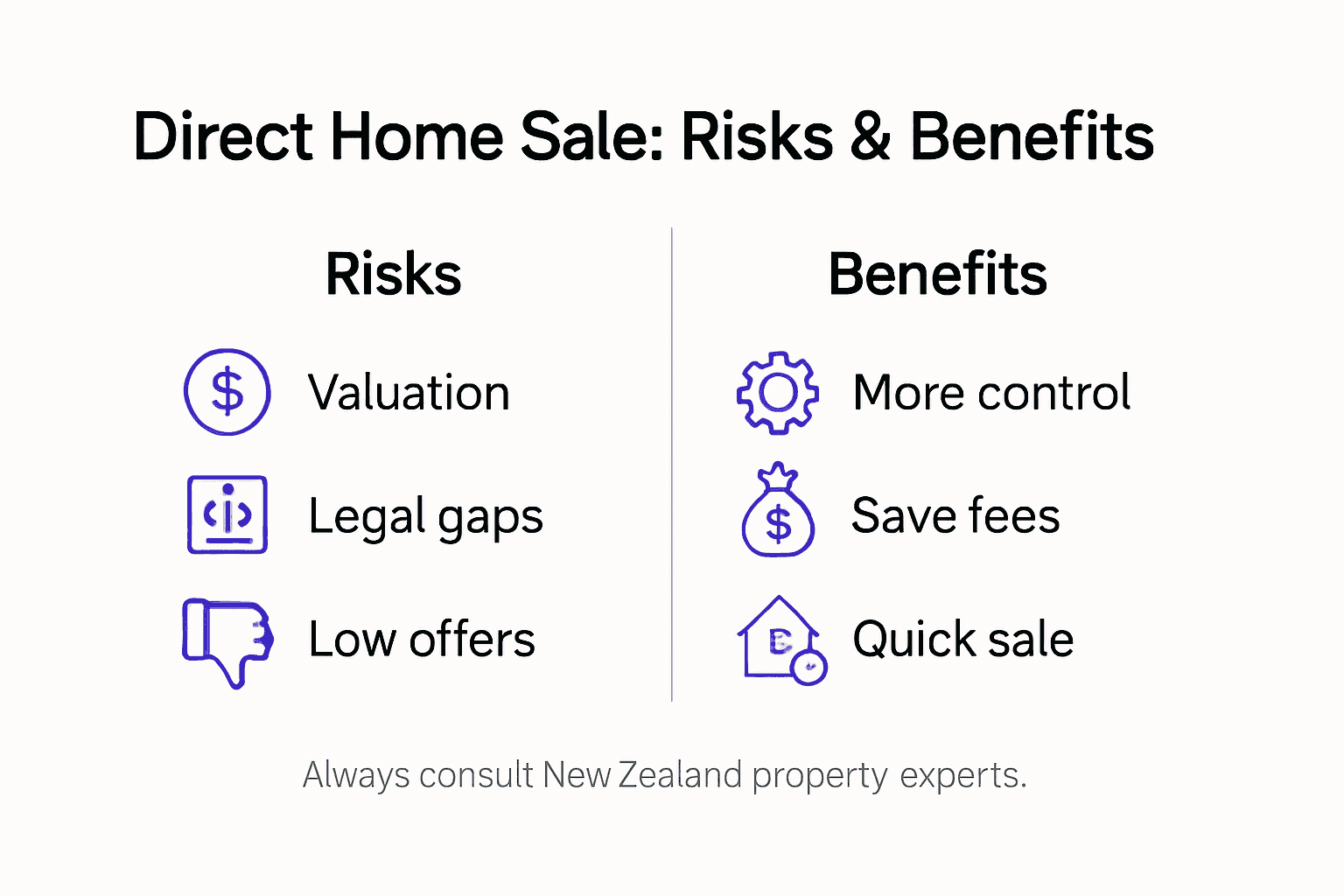
One primary risk involves property valuation accuracy, where inexperienced sellers might substantially under or overestimate their property’s market value. This miscalculation can lead to prolonged market exposure, reduced buyer interest, or financial losses. Sellers can mitigate this risk by obtaining professional appraisals, conducting comprehensive market research, and comparing recent sales of similar properties in their neighbourhood. Understanding current market trends and obtaining objective property assessments becomes crucial in establishing a competitive and realistic pricing strategy.
Legal and documentation risks represent another significant potential pitfall in direct home sales. Incomplete or incorrect sale agreements, inadequate property disclosure, and failure to comply with New Zealand property transfer regulations can expose sellers to potential litigation or transaction cancellation. Professional legal consultation becomes essential, with sellers needing to meticulously prepare all necessary documentation, ensure full transparency about property conditions, and understand their comprehensive legal obligations throughout the sales process. This approach helps prevent costly misunderstandings and protects both seller and buyer interests.
Pro tip: Engage a property lawyer specialising in direct sales to review all documentation and provide a comprehensive compliance check before listing your property.
Take Control of Your Home Sale with EasySale
Selling your home without a real estate agent can feel overwhelming with all the legal, marketing, and negotiation challenges involved. If the thought of managing complex paperwork, setting the right price, and finding buyers on your own feels stressful, you are not alone. Many New Zealand homeowners looking for a direct home sale face these exact hurdles, especially when speed and certainty are crucial.
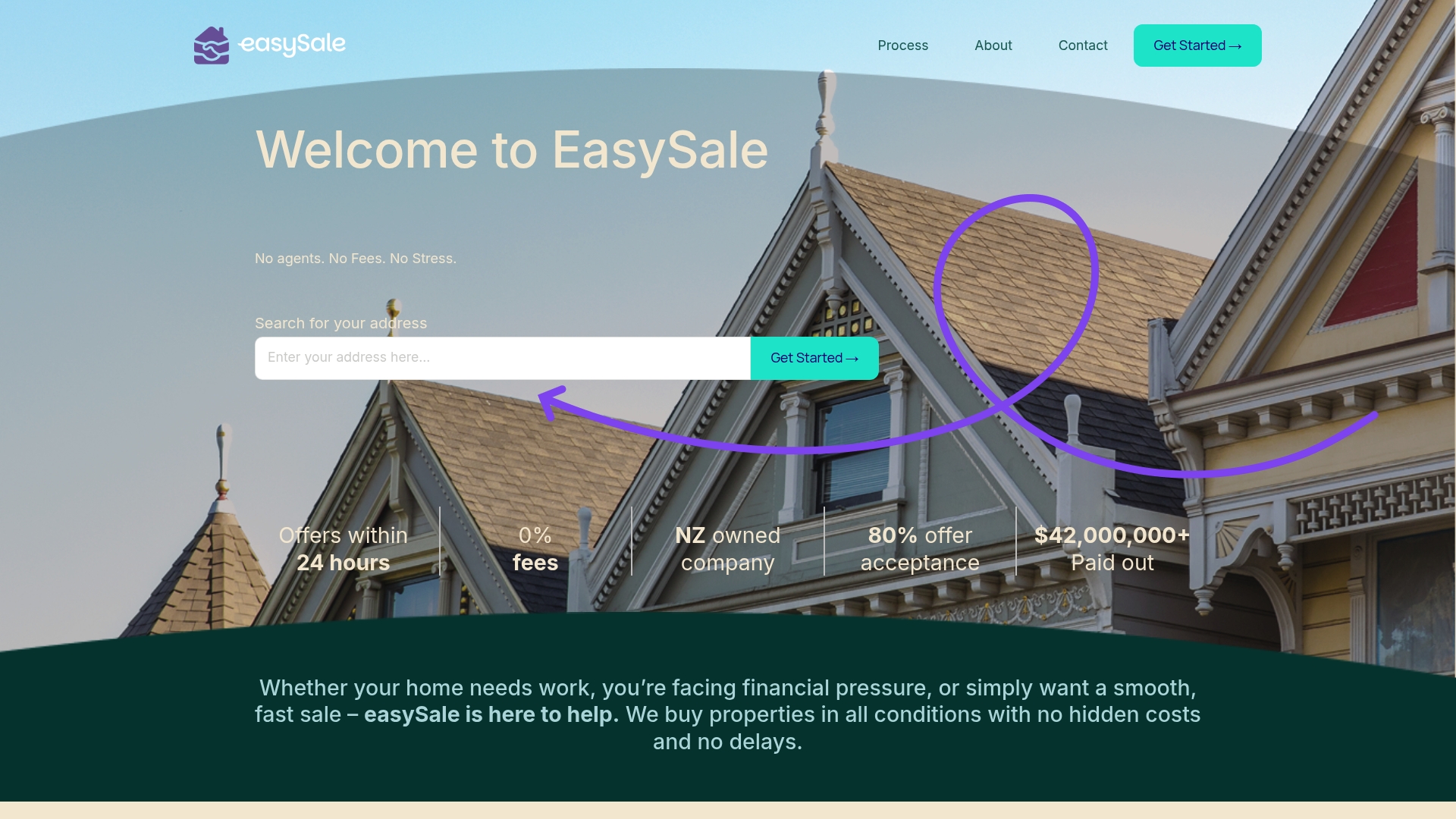
EasySale.co.nz understands these pain points and offers a smooth solution for sellers who want a fast, hassle-free sale without commission fees or drawn-out processes. With EasySale, you can get a no-obligation cash offer quickly, skip agent commissions, and settle on your own timeline, no matter your property’s condition. Visit EasySale.co.nz and discover how to transform the challenges of a direct home sale into a simple and transparent experience. Take the first step now and see why so many homeowners trust EasySale to buy their property stress-free.
Frequently Asked Questions
What is a direct home sale?
A direct home sale is a property transaction where homeowners manage the selling process themselves without relying on traditional real estate agents. This includes marketing, negotiations, and handling legal documentation independently.
What are the advantages of selling my home directly?
The primary advantages include cost savings by avoiding agent commissions, increased control over the selling process, and the ability to negotiate directly with potential buyers.
What are the common methods of direct home sales?
Common methods include private treaty, auction, deadline sale, and tender. Each method has unique characteristics that may suit different selling situations and homeowner preferences.
What legal obligations do I have as a direct seller?
As a direct seller, you must provide a detailed sale and purchase agreement, disclose any known property defects, and ensure compliance with relevant property laws. Engaging a legal professional to oversee the transaction is highly recommended.
Recommended
