
Reasons to sell fast in NZ: what Kiwis need to know
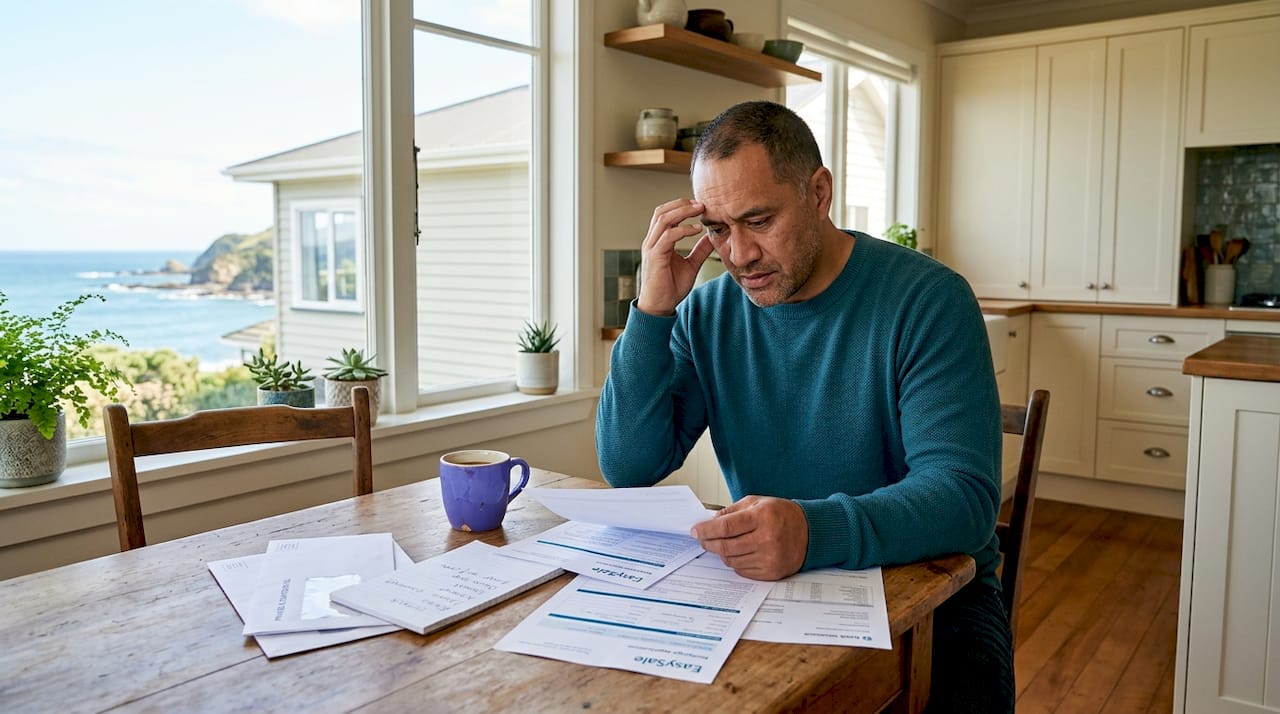
TL;DR:In New Zealand, urgent property sales are often driven by financial pressures, personal life changes, or property issues that require quick action. Selling quickly through cash buyers or as-is options minimizes holding costs, legal complications, and delays caused by overpricing or poor presentation. Choosing a fast sale method tailored to your circumstances can provide certainty, closure, and financial relief, often outweighing the benefits of waiting for a higher market value.
Life has a way of forcing your hand. Whether it’s a job offer across the country, a relationship breakdown, mounting debt, or a house that’s become more of a liability than an asset, the reasons to sell fast in NZ are more varied than most people realise. And in 2026, with property values shifting and holding costs rising, the decision to move quickly carries real financial weight. This article lays out the most common situations that lead Kiwi homeowners to pursue a fast sale, along with honest guidance on what to expect and how to make the best of it.
Table of Contents
- Key takeaways
- 1. Financial pressures that push homeowners to sell quickly
- 2. Life changes that make a fast sale necessary
- 3. Property condition and legal challenges
- 4. Pricing and timing pitfalls that slow NZ sales
- 5. Comparing your options for a fast property sale in NZ
- My honest take on why selling fast is often the right call
- How Easysale can help you sell fast with no fuss
- FAQ
Key takeaways
| Point | Details |
|---|---|
| Financial pressure drives urgency | Mortgage arrears, debt, and holding costs can compound quickly, making a fast sale the most cost-effective option. |
| Life changes often require speed | Divorce, relocation, inheritance, and retirement create time-sensitive situations where a slow traditional sale isn’t practical. |
| Property condition affects your buyer pool | Damaged or unconsented homes struggle to attract financed buyers, pushing sellers toward cash buyers or as-is sales. |
| Pricing is the biggest obstacle | Overpricing is the top reason homes sit unsold in NZ, and a realistic price is non-negotiable if speed is the goal. |
| Sale method matters as much as price | Cash buyers and off-market sales offer certainty and speed, though usually at a price below the traditional market. |
1. Financial pressures that push homeowners to sell quickly
Money problems don’t wait for the right season. When mortgage repayments become unmanageable, or debt starts piling up faster than income can cover it, selling the property can be the most direct way to stop the bleeding.
For homeowners in mortgage arrears, the risk is real. If repayments are missed consistently, lenders have the right to move toward mortgagee sale. That process removes control from the homeowner entirely and almost always results in a lower sale price than a voluntary sale would achieve. Acting before that point, even if it means accepting a lower offer, keeps you in the driver’s seat.
Debt consolidation is another common driver. Some homeowners use equity in their property to manage credit card debt, personal loans, or business obligations. When refinancing is no longer an option and the debt is growing, a fast property sale can release enough capital to settle what’s owed and move forward without ongoing financial stress.
The numbers from Auckland paint a sobering picture. Nearly 20% of Auckland resales are currently loss-making, with a median loss of around $77,000. In Wellington, the loss rate sits at 16.7% with a median loss of $86,120. These figures reflect what happens when homeowners hold on too long in a softening market, hoping for a recovery that doesn’t arrive in time.
Holding costs compound the problem. Rates, insurance, maintenance, and mortgage interest continue regardless of whether the property is sitting on the market or sitting empty. Distress sales require speed, and while accepting a price concession feels painful, it often avoids a much larger loss over time.
2. Life changes that make a fast sale necessary
Personal circumstances change without warning, and property doesn’t always fit neatly into the new chapter.
Divorce and separation are among the most common urgent property sale reasons in New Zealand. When a relationship ends, the shared home often needs to be sold so both parties can access their share of the equity and move on. Extended sale timelines create ongoing emotional and financial strain for both sides, which is why many separating couples choose speed over maximum price.

Job relocation is another major trigger. A promotion or career change in another city, or an employer transfer, can leave you needing to sell within weeks rather than months. Carrying two properties, or paying rent in a new city while continuing to fund a mortgage on an empty house, is rarely sustainable.
Other common reasons to sell quickly include:
- Inherited property that you don’t want to maintain, can’t afford to repair, or live too far away to manage effectively
- Retirement planning, where downsizing or releasing equity is needed to fund lifestyle costs or aged care
- Health changes, where a homeowner can no longer live in or maintain the property and needs to transition quickly
Pro Tip: If you’re selling due to a life change rather than a market opportunity, be upfront with your real estate agent or buyer about your timeline. This gives them the context to find the right buyer faster, rather than running a standard campaign that prioritises price over speed.
Time constraints genuinely shape the type of sale you should pursue. A homeowner who needs to settle within 30 days has very different options compared to someone who can wait three to six months.
3. Property condition and legal challenges
A damaged or problematic property adds a separate layer of urgency to any sale. It’s not just about wanting to move on. In some cases, the property itself is actively costing you money every day you hold it.
A small roof leak left unrepaired can escalate from $3,000 to $30,000 in a matter of months once water damage spreads to framing, insulation, and linings. The same principle applies to foundation movement, mould, and deferred maintenance. Holding a damaged property without the means or intention to repair it is a losing financial position.
There are also legal complexities to consider:
- Unconsented work carried out by a previous owner can make the property difficult or impossible to insure, and lenders may decline to fund a buyer’s purchase
- Natural hazard zone classification (coastal erosion, flood plains, liquefaction risk) can reduce buyer appetite and complicate financing
- Legal disclosure obligations require sellers to be transparent about known defects, which affects how you market the property and what you can reasonably expect a buyer to accept
The buyer pool for damaged or legally complex homes is significantly smaller. Many buyers cannot finance or insure badly damaged or unconsented homes because lenders require properties to be both insurable and liveable. That reality pushes sellers toward cash buyers who can transact without bank financing.
Pro Tip: If your property has unconsented work, get a copy of your LIM report before listing. Knowing exactly what’s flagged lets you price appropriately and avoid surprises mid-sale that could collapse a deal at the last minute.
Selling ‘as-is’ gives you speed and certainty, but you should go in with realistic expectations. The price will be lower than a renovated equivalent, and the buyer pool will be smaller. Accepting that trade-off early avoids frustration later.
4. Pricing and timing pitfalls that slow NZ sales
Even when the reasons for a fast home sale are genuine and urgent, homeowners can accidentally undermine their own timeline through pricing and preparation mistakes.
Overpricing delays sales according to 77% of leading real estate agents, making it the single biggest barrier to a quick transaction. It’s a deeply human impulse to want full value for your home, especially if you’ve invested time and money in it. But in a cooling market, an overpriced listing simply sits. Buyers scroll past it, agents lose interest, and weeks turn into months.
Timing matters too, though not as much as price. Spring is generally considered the best time to sell in New Zealand, with more buyers active and stronger competition driving prices. If you’re selling in winter and targeting speed, you may need to price more competitively to compensate for reduced buyer activity.
Presentation and marketing quality have a direct impact on speed. Poor photos, clutter, and odours reduce buyer interest before they even book a viewing. If you’re selling quickly but still going to market, a clean, well-presented property will always move faster than one that looks neglected.
“A realistic price is the single most effective tool a homeowner has for achieving a fast sale. Everything else is secondary.”
Understanding buyer psychology in 2026’s market also helps. Buyers are cautious. They’re well-researched, aware of market conditions, and less likely to make emotional offers. Meeting them with a fair price and honest information builds confidence and reduces the chance of a deal falling through after an offer is accepted.
5. Comparing your options for a fast property sale in NZ
Not every fast sale looks the same. The method you choose will depend on your circumstances, your timeline, and how much price flexibility you have.
| Sale method | Typical timeline | Best suited for |
|---|---|---|
| Traditional listing (agent) | 6 to 16 weeks | Good condition properties, flexible timelines |
| Auction | 4 to 6 weeks | Competitive markets, motivated sellers |
| As-is sale to cash buyer | 1 to 3 weeks | Damaged properties, urgent timelines |
| Off-market investor sale | 1 to 4 weeks | Distressed sellers, minimal marketing |
Each method has real trade-offs. A traditional listing gives you the widest buyer pool and the best chance of achieving a strong price, but it requires time, presentation, and patience. An auction can work well in a competitive suburb but carries risk if buyer competition is low.
Cash buyers and off-market investors offer the fastest route to a settled sale. They don’t require bank financing, which removes the risk of a deal falling through due to a declined mortgage. The trade-off is price. Cash offers are typically below market value because the buyer is absorbing the risk and cost of the property’s condition or legal complexity.
The advantages of fast property sales in NZ through a cash buyer are real and worth understanding:
- No agent commissions (typically 2 to 4% of the sale price)
- No open homes or ongoing marketing costs
- Certainty of settlement without the risk of finance conditions falling through
- Ability to choose your own settlement date
For homeowners facing genuine urgency, that certainty often outweighs the price difference. A confirmed sale at 85% of market value is often worth more than a potential sale at full value that takes five months and may still fall over.
My honest take on why selling fast is often the right call
I’ve spoken with many Kiwi homeowners who spent months hoping the market would turn in their favour, while rates, insurance, and repair bills quietly eroded their equity. The delay rarely paid off. What they lost in holding costs and stress came close to matching the difference between a fast sale price and the figure they’d been holding out for.
There’s a belief in New Zealand that waiting equals discipline, and accepting a lower offer equals giving up. In my experience, that thinking can cost you more than you realise. The real cost of a six-month delay on an empty or damaged property is not just financial. It’s the energy spent managing the process, fielding half-hearted offers, and carrying the emotional weight of an unresolved situation.
What I’ve found actually works is this: get clear on your number, understand your timeline, and choose the sale method that fits both. If your timeline is short, stop trying to squeeze every dollar from the process. The benefits of quick home selling are real, specifically certainty, closure, and the ability to redirect your energy toward what comes next.
Honest disclosure matters too. Trying to obscure problems to attract a higher offer almost always backfires. Buyers do due diligence. Deals collapse. And you’re back to square one, further into your holding costs. Transparency upfront tends to attract serious buyers who price accordingly and follow through.
— Aaron
How Easysale can help you sell fast with no fuss

If you’re facing financial pressure, a property in poor condition, or a life change that simply doesn’t allow for a six-month sales campaign, Easysale offers a practical alternative. As a specialist cash buyer operating across New Zealand, Easysale purchases properties as-is, where-is with no repairs required, no agent commissions, and no open homes. You submit your property details, receive a no-obligation cash offer, and settle on a timeline that works for you. It’s a straightforward process built specifically for homeowners who need speed and certainty over a drawn-out sale. If you’re weighing your options, a no-obligation offer costs you nothing and gives you a clear baseline to work from.
FAQ
What are the most common reasons to sell fast in NZ?
The most common reasons include financial pressure such as mortgage arrears or debt, life changes like divorce or job relocation, and property conditions that make a standard sale impractical, such as damage or unconsented work.
Will I get market value if I sell my house quickly?
A fast sale, particularly through a cash buyer, will generally come in below the standard market value. The trade-off is speed, certainty, and the elimination of agent fees and ongoing holding costs.
Is selling a damaged house as-is legal in New Zealand?
Yes, selling a property as-is is legal in New Zealand. Sellers are still required to disclose known defects under the Property Law Act, but they are not obligated to repair the property before selling.
How long does a fast property sale typically take in NZ?
A cash buyer or off-market sale can settle within one to three weeks. A traditional listing typically takes six to sixteen weeks depending on market conditions, pricing, and buyer demand.
Does overpricing really slow down a sale?
Yes. 77% of NZ real estate agents identify overpricing as the primary reason homes fail to sell quickly. Setting a realistic price from the start is the most direct way to attract serious buyers and achieve a fast result.
Recommended
