
Reverse Mortgage in New Zealand: Complete Guide

Nearly half of New Zealanders aged 65 and over worry about outliving their retirement savings. A reverse mortgage has emerged as a popular option for seniors wanting to access extra funds without giving up their cherished homes. Understanding how this unique loan works can help you make smarter decisions about tapping into home equity and secure greater financial flexibility during your retirement years.
Table of Contents
- What Is A Reverse Mortgage? Core Concepts
- How Reverse Mortgages Work In Nz
- Eligibility And Property Requirements
- Costs, Fees And Risks Explained
- Legal Protections And Borrower Rights
- Alternatives To Reverse Mortgages Compared
Key Takeaways
| Point | Details |
|---|---|
| Eligibility Criteria | Reverse mortgages are available to homeowners aged 60 and above, with properties in good condition and nearly mortgage-free. |
| No Monthly Payments | Borrowers do not make monthly repayments; repayment is required only upon sale or death. |
| Growing Debt | The loan balance can increase over time due to compounding interest, potentially reducing estate value. |
| Legal Protections | Borrowers are entitled to protections such as a lifetime occupancy guarantee and mandatory independent legal advice. |
What Is a Reverse Mortgage? Core Concepts
A reverse mortgage offers New Zealand homeowners aged 60 and over a unique financial strategy to leverage their home’s equity without selling their property. According to Heartland, this specialized loan allows seniors to access funds while retaining full home ownership, providing financial flexibility during retirement.
At its core, a reverse mortgage works differently from traditional home loans. Instead of making monthly repayments, homeowners can receive funds against their property’s value. Age Concern explains that repayment becomes due only when the homeowner sells the house or passes away, making it a strategic option for those wanting to supplement retirement income.
Key Features of Reverse Mortgages
Reverse mortgages come with several distinctive characteristics that set them apart from standard lending products:
- Available to homeowners 60 years and older
- No mandatory monthly repayments
- Funds can be received as lump sum or regular payments
- Homeowner retains property ownership
- Loan is repaid when property is sold or owner passes away
Understanding the nuances of reverse mortgages is crucial. While they offer financial freedom, they also represent a significant long-term commitment that requires careful consideration of personal financial circumstances and future goals.
Potential borrowers should consult with financial advisors who specialize in retirement planning to determine whether a reverse mortgage aligns with their specific needs and retirement strategy. Thorough research and professional guidance can help make an informed decision that supports financial wellbeing during retirement.
How Reverse Mortgages Work in NZ
Reverse mortgages in New Zealand operate as a specialized financial product designed specifically for homeowners aged 60 and above. Heartland explains that these unique loans allow seniors to access their home’s equity without requiring traditional monthly repayments, providing financial flexibility during retirement years.
Mechanics of Reverse Mortgages
Consumer highlights that the loan works by borrowing against the property’s value, with interest compounding over time. Unlike standard mortgages, repayment is not required until specific triggering events occur, such as:
- Selling the property
- Moving out permanently
- Passing away
- Entering long-term care
The amount you can borrow typically depends on several key factors:
- Your age (usually 60+ years)
- Current property value
- Location of the property
- Condition of the home
- Remaining mortgage balance
It’s crucial to understand that while reverse mortgages offer financial freedom, they also represent a significant long-term commitment.
The loan balance grows over time due to compounding interest, which means the debt increases as years pass. Potential borrowers should carefully consider how this might impact their estate and inheritance plans.
Professional financial advice is strongly recommended before pursuing a reverse mortgage. Consulting with a retirement planning specialist can help you understand the nuanced implications, potential risks, and whether this financial strategy aligns with your specific retirement goals and personal circumstances.
For those seeking additional insights into alternative property sale strategies, you might find our guide on property investors in New Zealand helpful in exploring other financial options.
Eligibility And Property Requirements
Understanding the specific eligibility criteria for reverse mortgages is crucial for New Zealand homeowners considering this financial option. Home Equity Release outlines clear guidelines for potential applicants, emphasizing that these specialized loans are designed specifically for seniors with established property assets.
Core Eligibility Criteria
According to Your Money Blueprint, the primary requirements for obtaining a reverse mortgage include:
- Minimum age of 60 years
- Ownership of a residential property
- Property must be in good condition
- Home must be fully or nearly mortgage-free
- Property must serve as primary residence
Property Condition and Valuation Requirements
The property itself plays a critical role in reverse mortgage eligibility. Lenders will typically conduct a comprehensive assessment that includes:
- Current market value of the property
- Structural integrity and overall condition
- Location and neighborhood characteristics
- Potential future marketability
- Compliance with local building and zoning regulations
Financial institutions want to ensure the property represents a sound long-term investment. This means the home should be well-maintained, free from significant structural issues, and located in an area with stable or appreciating property values.
It’s important to note that not all properties will qualify. Homes in poor condition, with extensive damage, or in declining neighborhoods might be deemed unsuitable for a reverse mortgage. Potential borrowers should consider getting a professional property assessment before applying.
For those exploring alternative property transaction strategies, our guide on property investors in New Zealand might provide additional insights into property-related financial options.
Costs, Fees and Risks Explained
Reverse mortgages come with a complex financial landscape that requires careful navigation. Consumer highlights that these financial products typically involve higher interest rates due to the extended repayment period, making it crucial for potential borrowers to understand the full financial implications.
Primary Financial Considerations
The cost structure of reverse mortgages involves several key components:
- Setup Fees: Initial administrative charges
- Ongoing Interest Rates: Generally higher than standard mortgage rates
- Valuation Fees: Cost of property assessment
- Legal Fees: Documentation and legal processing
- Compound Interest: Accumulating loan balance over time
Key Risks to Consider
Age Concern emphasizes that while these loans provide financial access, they come with significant potential risks:
- Rapidly increasing debt due to compounding interest
- Reduced inheritance for family members
- Potential loss of home equity
- Limited future borrowing capacity
- Impact on pension or government benefit eligibility
The compound interest mechanism means your loan balance grows exponentially over time. This can potentially consume a substantial portion of your property’s value, leaving less for your estate or future financial planning.
Professional financial advice is absolutely critical before committing to a reverse mortgage. Potential borrowers should conduct thorough comparisons, understand all associated costs, and carefully evaluate how these financial products align with their long-term retirement and estate planning goals.
For those seeking alternative property transaction strategies that might offer more financial flexibility, our guide on property investors in New Zealand could provide valuable additional insights.
Legal Protections And Borrower Rights
Legal protections are a critical component of reverse mortgage contracts in New Zealand, designed to safeguard the interests of senior homeowners. Home Equity Release emphasizes that independent legal advice is mandatory, ensuring borrowers fully comprehend the complex legal implications of these financial agreements.
Key Legal Safeguards
Canstar highlights that the Ministry of Social Development has established a voluntary code of standards that provides crucial borrower protections:
- Lifetime Occupancy Guarantee: Ensures borrowers can remain in their home
- No Negative Equity Provision: Protects borrowers from owing more than home’s value
- Transparent Cost Disclosure: Requires clear explanation of all financial terms
- Independent Legal Consultation: Mandatory professional advice before signing
- Right to Comprehensive Information: Full disclosure of loan implications
Fundamental Borrower Rights
Reverse mortgage borrowers in New Zealand are entitled to several fundamental legal protections:
- Right to remain in the property for life
- Protection against foreclosure while meeting contract terms
- Clear explanation of compound interest mechanisms
- Comprehensive understanding of potential estate implications
- Option to seek independent financial counseling
Understanding these legal protections is crucial.
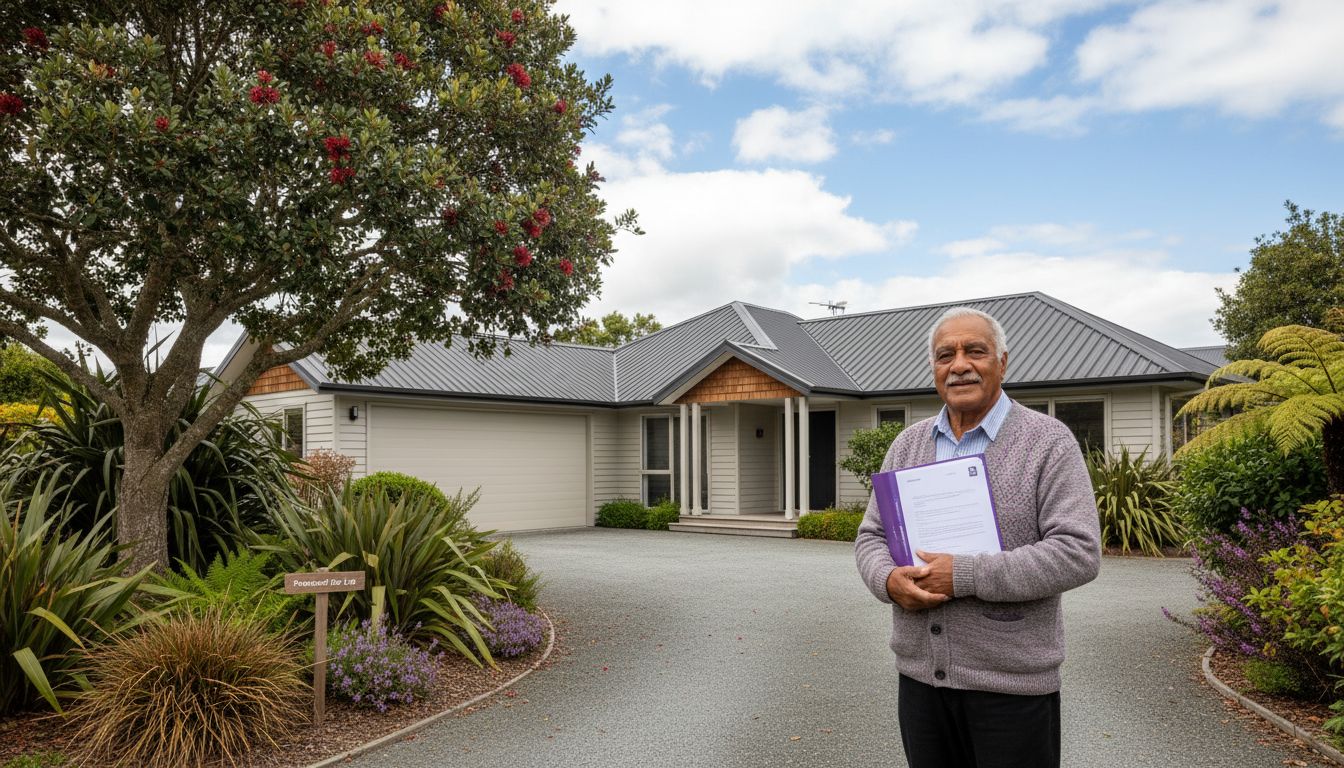
Borrowers should meticulously review all documentation, ask detailed questions, and ensure they fully comprehend the long-term implications of their reverse mortgage agreement.
For those exploring alternative property transaction strategies that might offer different financial flexibility, our guide on property investors in New Zealand could provide valuable additional perspectives on property-related financial options.
Alternatives to Reverse Mortgages Compared
Financial flexibility is crucial for seniors exploring retirement income options. Consumer recommends carefully evaluating multiple alternatives before committing to a reverse mortgage, emphasizing that different strategies might better suit individual financial circumstances.
Income Generation Alternatives
Seniors have several strategic options to generate additional funds or reduce expenses:
- Home Sharing: Renting a room or portion of your property
- Downsizing: Selling current home and moving to a smaller, less expensive property
- Part-Time Work: Supplementing income through flexible employment
- Government Support Programs: Accessing retirement and senior assistance benefits
- Investment Portfolio Restructuring: Reallocating existing assets
Comprehensive Comparison of Options
Age Concern suggests thoroughly examining each alternative’s pros and cons:
- Downsizing
- Potential significant equity release
- Reduced maintenance costs
- Possible relocation challenges
- Government Support
- Stable, predictable income
- No property equity impact
- Potential income limitations
- Investment Reallocation
- Maintains property ownership
- Potential tax implications
- Requires financial management expertise
Each alternative carries unique financial implications.
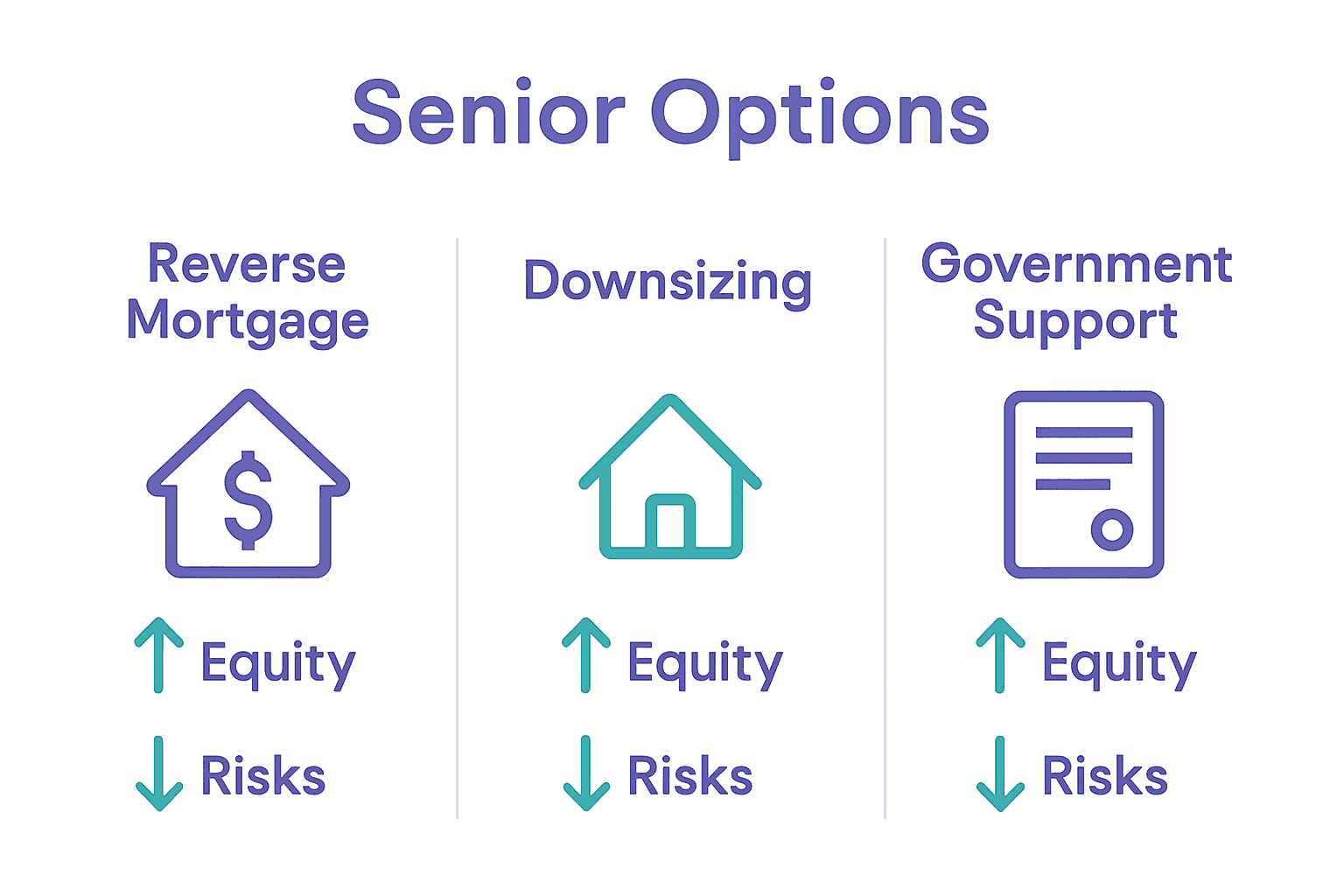
The best strategy depends on individual circumstances, including health, family situation, long-term goals, and overall financial portfolio.
Professional financial advice remains critical in navigating these complex decisions. A qualified financial advisor can help assess your specific situation and recommend the most suitable approach.
For those interested in exploring additional property transaction strategies, our guide on property investors in New Zealand offers valuable insights into alternative property-related financial options.
Unlock Your Home’s Potential With EasySale
Facing the complexities of a reverse mortgage can feel overwhelming especially when financial freedom and retaining your home equity are on the line. The article highlights how compound interest and long-term commitments can pose challenges alongside the fears about inheritance and growing debt. If you are considering a reverse mortgage but also want an option that lets you quickly access your home’s value without the risks and delays, EasySale offers a straightforward alternative.
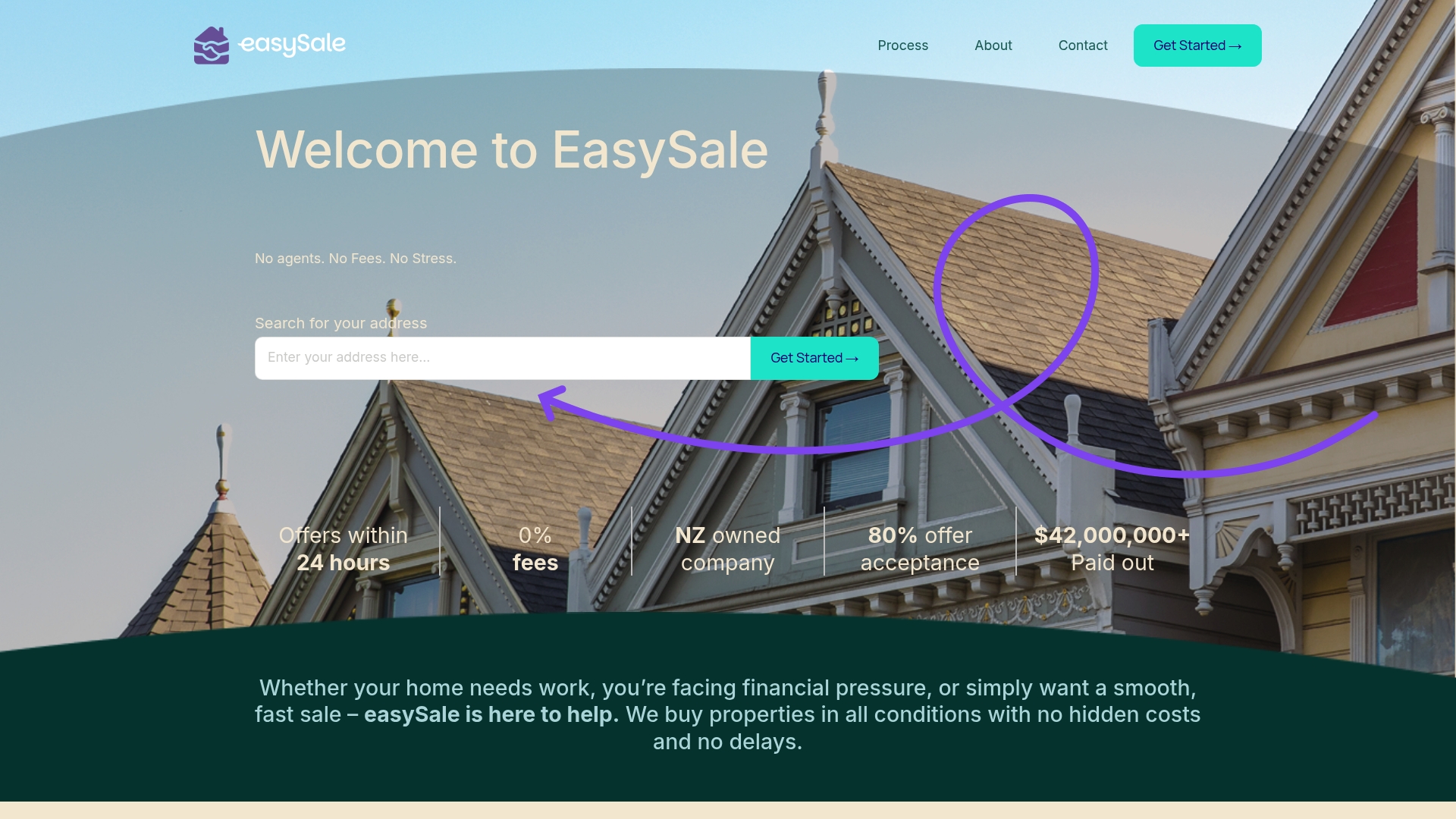
Discover how you can avoid the uncertainty and costs linked with reverse mortgages by using EasySale.co.nz. We buy properties fast and with no fuss — no agent fees and no waiting periods. This is an ideal choice for seniors who want to convert their property into cash on your terms while bypassing the long-term financial risks outlined in the article. Take control of your home and your finances right now by getting a no-obligation offer immediately at EasySale.co.nz.
Frequently Asked Questions
What is a reverse mortgage?
A reverse mortgage is a specialized loan available to homeowners aged 60 and over that allows them to access the equity in their home without selling. Homeowners receive funds without making monthly repayments, and the loan is repaid when the property is sold or the homeowner passes away.
Who is eligible for a reverse mortgage?
To be eligible for a reverse mortgage, borrowers must be at least 60 years old, own a residential property in good condition, and the property must serve as their primary residence. Additionally, the home should be fully or nearly mortgage-free.
How does a reverse mortgage work?
A reverse mortgage allows homeowners to borrow against their property’s value while retaining ownership. Instead of monthly repayments, interest is compounded over time, and the repayment becomes due only when specific events occur, such as selling the house or passing away.
What are the risks associated with reverse mortgages?
The key risks of reverse mortgages include rapidly increasing debt due to compounding interest, reduced inheritance for family members, potential loss of home equity, and limited future borrowing capacity. It’s important to thoroughly evaluate these risks before pursuing a reverse mortgage.
Recommended
