
Selling Houses Directly to Private Buyers: The Complete Guide 2025

Thinking about selling your house without the usual stress or long wait? More Kiwis are looking at private buyers for houses as a way to move on quickly and simply in 2025.
This guide is here to walk you through every step, whether you’re curious about how private buyers for houses work or want to know how to get the best deal. We’ll explain the process, highlight what makes private buyers different, and help you avoid common pitfalls.
You’ll discover the key benefits, risks, and practical tips for a smooth, successful sale. Ready to find out if this approach is right for you? Let’s get started.
Understanding Private Buyers for Houses
Thinking about skipping the traditional real estate route? You’re not alone. Many homeowners are discovering that private buyers for houses offer a different way to sell, often with less fuss and more control. But what exactly are private buyers, and how do they fit into the property market landscape in New Zealand?
What Are Private Buyers?
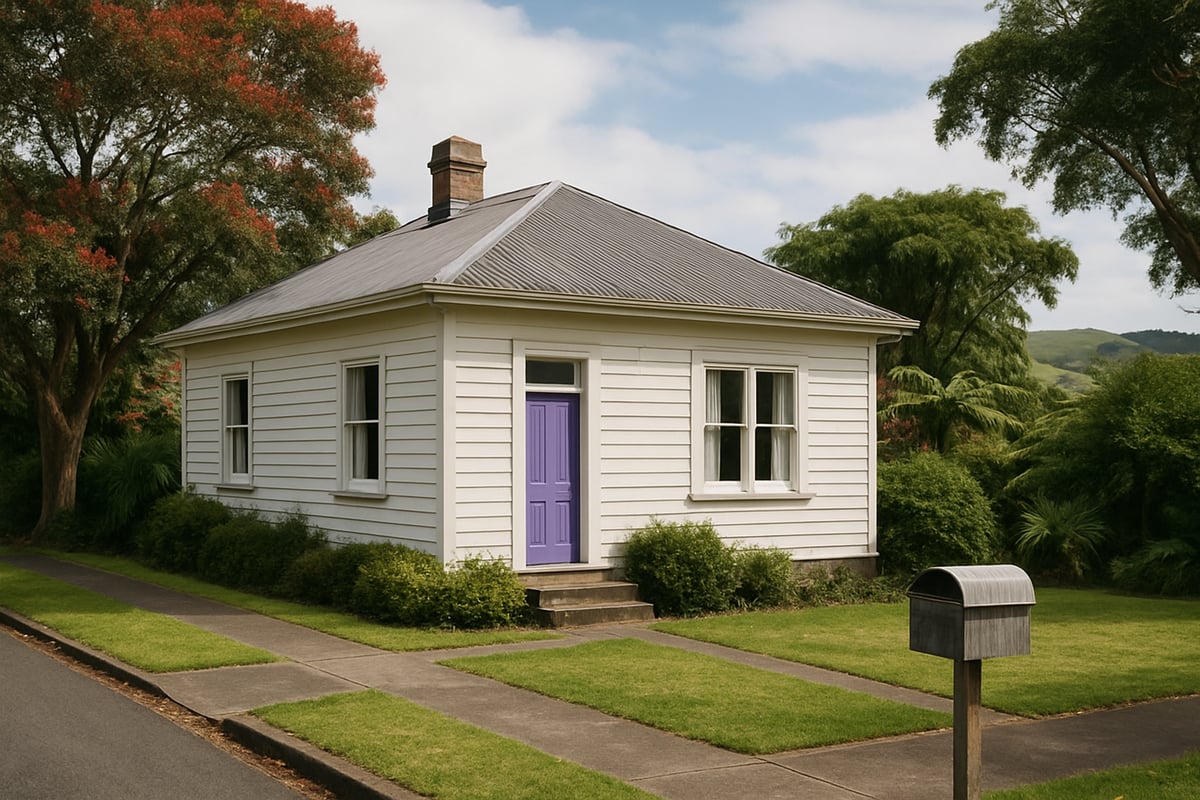
Private buyers for houses in New Zealand are individuals, small investment groups, or specialist companies who purchase residential properties directly from owners, without using a real estate agent. This can include everyday people looking for a home, investors seeking rental properties, or companies that buy properties as-is for quick turnaround.
Unlike traditional buyers who often rely on agents, private buyers usually initiate direct contact and manage negotiations themselves. Their motivations range from wanting a family home to seeking investment opportunities or renovation projects. In New Zealand, examples include local investors, first-time buyers, or companies focused on fast, hassle-free transactions.
If you’re keen to understand the ins and outs of this approach, you’ll find a wealth of practical detail in guides like Sell your house privately NZ, which breaks down the private sale process step-by-step.
Private Buyers vs. Traditional Real Estate Sales
When comparing private buyers for houses with the traditional sales process, the differences quickly stand out. In a private sale, you manage the marketing, negotiate directly, and set your own terms. With an agent, you pay commissions and rely on their expertise, but you also get access to a wider pool of buyers.
Here’s a quick comparison:
| Aspect | Private Buyers | Traditional Agents |
|---|---|---|
| Fees | No agent commission | 2%–4% commission |
| Timeline | Often faster | Can be lengthy |
| Negotiation | Direct with buyer | Agent handles |
| Privacy | High | Public marketing |
While private buyers for houses often expect a quicker, straightforward process, the trade-off can be less market exposure. Recent NZ sales show that private sellers sometimes achieve faster results, especially in competitive regions, while agent-assisted sales may yield higher prices due to broader reach.
Why Homeowners Choose Private Buyers in 2025
The appeal of private buyers for houses has surged in 2025. Market trends point to a growing demand for direct sales, with many homeowners choosing this route for speed, privacy, and to avoid agent fees. According to the latest figures, a significant portion of NZ homes are now sold privately, reflecting this shift.
Key motivations include financial pressure, needing to relocate urgently, or handling inherited properties. Economic factors, such as fluctuating interest rates and limited housing supply, also play a role. For example, sellers facing tight deadlines or those with properties needing repairs often find private buyers for houses are more flexible and responsive to their needs.
Risks and Challenges with Private Buyers
While the benefits are clear, selling to private buyers for houses does come with some risks. Potential pitfalls include undervaluation, lack of transparency, or encountering scams. It’s important to distinguish genuine buyers from opportunists, especially when large sums are involved.
Some real-life cases have highlighted issues like rushed decisions or incomplete paperwork. To protect yourself, always verify buyer credentials, request proof of funds, and engage a property lawyer for contracts. In 2025, regulatory changes have strengthened protections, but due diligence remains essential for a safe, successful sale.
The Step-by-Step Process of Selling to Private Buyers
Selling your home to private buyers for houses can be a smooth journey if you take it one step at a time. Here’s a clear, practical guide to walk you through the process, so you know exactly what to expect at every stage.

Step 1: Preparing Your Property for a Private Sale
First impressions count when it comes to private buyers for houses. Start by assessing your property’s condition and researching the current market value. Even small repairs or a thorough clean can make a big difference.
Gather essential documents, such as your property title, LIM report, and any compliance certificates. These will speed up the process and reassure buyers. Presenting your home well is key—think tidy gardens, clean windows, and uncluttered spaces.
Here’s a quick checklist for sellers:
- Inspect your property for any quick fixes.
- Collect all legal paperwork.
- Clean and declutter every room.
- Consider a fresh coat of paint for street appeal.
If you’re aiming for a fast, hassle-free sale, you might find these tips for selling a house fast in NZ useful.
Step 2: Finding and Vetting Private Buyers
Finding reputable private buyers for houses is crucial. Start with online platforms, local networks, or even word of mouth. Always be cautious—unreliable or predatory buyers do exist.
Look out for warning signs like vague communication, reluctance to provide proof of funds, or rushing the process. Ask direct questions about their purchase intentions and financial readiness.
To vet private buyers:
- Request references or recent purchase history.
- Verify their ID and legal name.
- Confirm their financial ability with bank statements.
- Use trusted platforms or seek recommendations from friends.
Taking these steps helps you find serious buyers and avoid unnecessary stress.
Step 3: Negotiating Offers and Terms
Negotiating with private buyers for houses is often more direct than with agents. Offers may come in writing or verbally, but always insist on a formal written agreement before proceeding.
Key points to negotiate include price, settlement date, and any conditions like “subject to finance” or repairs. Be prepared to discuss and compromise, but know your bottom line.
Consider these negotiation tips:
- Respond promptly to offers.
- Stay friendly yet firm about your expectations.
- Compare offers carefully, not just on price, but also on terms.
- Don’t be afraid to walk away if the deal doesn’t feel right.
A clear, open conversation can lead to a win-win outcome for both sides.
Step 4: Legal and Financial Considerations
Legal protection is vital when selling to private buyers for houses. Always use a written sale and purchase agreement—never rely on a handshake deal. It’s wise to engage a conveyancer or property lawyer early to review all documents.
Understand the deposit requirements and ensure payment terms are clear. If you have an existing mortgage or any liens, talk to your lender about how these will be cleared at settlement.
Legal safeguards for sellers in New Zealand include:
- Using standard contracts approved by property lawyers.
- Keeping all communications in writing.
- Ensuring funds are handled through a solicitor’s trust account.
Taking these steps will protect your interests throughout the sale.
Step 5: Settlement and Handover
Once you’ve agreed on terms, the settlement process with private buyers for houses begins. This period covers everything from pre-settlement inspections to the actual handover of keys.
Expect your buyer to check the property’s condition before settlement. You’ll need to finalise all paperwork, transfer ownership, and ensure the property is empty unless otherwise agreed.
A typical settlement timeline in 2025 looks like this:
- 2–4 weeks from agreement to settlement.
- Pre-settlement inspection 1–2 days before handover.
- Keys and documents exchanged on settlement day.
Staying organised ensures a smooth transition for everyone involved.
Step 6: After the Sale—What to Expect
Even after selling to private buyers for houses, there are a few tasks left to wrap up. Notify your local council and utility providers to update records and close accounts.
Keep copies of all sale documents for at least seven years, as you may need them for tax or legal reasons. Be aware of any tax obligations, especially if the property was an investment or recently inherited.
If any disputes arise after settlement, address them quickly and refer to your agreement. Useful resources and support are available if needed, so don’t hesitate to seek help.
Key Advantages of Selling to Private Buyers
Thinking about selling your home and wondering if private buyers for houses might be the right choice? Many Kiwi homeowners are discovering the unique benefits this option brings in 2025. Let’s break down why more people are choosing this route, and what real advantages you can expect from a private sale.

Speed and Convenience
One of the biggest advantages of private buyers for houses is the speed of the process. Unlike traditional sales, you can often skip weeks of open homes, endless viewings, and back-and-forth negotiations.
Most private buyers are ready to act quickly. Some can make an offer within days and settle on a date that suits you. The average time on the market is often less than half compared to selling with an agent.
- No waiting for auction dates
- Fewer delays from buyer chains
- Flexible settlement options
If you value a fast and stress-free move, private buyers for houses offer a clear edge.
Cost Savings: No Agent Fees or Commissions
Another key reason sellers look at private buyers for houses is the chance to save thousands on commission. In New Zealand, agent fees typically range from 2% to 4% of the sale price, plus marketing costs.
Let’s do the maths:
| Sale Price | Agent Fee (3%) | Private Sale Savings |
|---|---|---|
| $800,000 | $24,000 | $24,000 |
With private buyers for houses, you keep more of your sale proceeds. There are no hidden costs for marketing or staging, so your bottom line is stronger from day one.
Greater Privacy and Control
Privacy is a big concern for many sellers. When you work with private buyers for houses, you can avoid public listings and weekend open homes.
You deal directly with buyers, so you have full control over viewing times, negotiations, and the pace of the sale. This is especially appealing if you’re selling due to a sensitive situation like a relationship split or financial difficulty.
- No strangers touring your home
- Direct communication with buyers
- Set your own timeline
If privacy and control matter to you, private buyers for houses provide a more discreet and flexible alternative.
Flexibility for Unique Situations
Private buyers for houses are often willing to buy properties as-is, which is a lifesaver if your home needs repairs or you’re selling an inherited or tenanted property. You don’t have to spend time or money fixing things up.
For example, some specialist buyers focus on homes that need work or have unique circumstances. If you want to learn more, the We buy damaged houses NZ guide explains how private buyers can make fair offers on as-is homes.
Whether you’re relocating quickly, dealing with a deceased estate, or just want a hassle-free sale, private buyers for houses can tailor solutions to fit your needs.
Potential Risks and How to Avoid Them
Navigating the world of private buyers for houses can be rewarding, but it's not without its challenges. Understanding the risks involved and knowing how to sidestep them will help you achieve a smooth, successful sale. Here’s what every seller should know before jumping in.
Common Pitfalls in Private Sales
Selling to private buyers for houses comes with a few common traps. The most frequent issues include undervaluation, lowball offers, and a lack of legal safeguards. Scams and fraudulent buyers can also pose a real threat, especially if you’re unfamiliar with the process.
- Accepting an offer that’s too low or pressured
- Overlooking legal paperwork or skipping proper checks
- Falling for online scams or fake buyer profiles
One seller in Auckland accepted a quick offer only to discover hidden costs and an incomplete contract. To avoid these problems, always seek independent advice and never rush decisions.
How to Vet and Select Reputable Private Buyers
Not all private buyers for houses are equal. Take steps to vet every potential buyer before moving forward. Start by checking their background and requesting references. Use trusted online platforms and, if possible, ask for proof of funds.
Look for red flags like reluctance to provide ID, vague payment terms, or urgent demands. A verified buyer will be transparent and open to questions. If you’re selling an inherited property, this guide on selling inherited property NZ offers practical tips for ensuring a safe, straightforward transaction.
Legal Protections and Documentation
Protecting yourself legally is crucial when dealing with private buyers for houses. Draft a clear, written sale and purchase agreement, and have it reviewed by a property lawyer or conveyancer. Independent legal advice is a must, even for seemingly simple transactions.
Make sure to handle deposits through secure channels and confirm that all settlement funds are cleared before handing over the keys. For extra peace of mind, consult resources like Consumer NZ or REINZ for up-to-date guidance on private sales.
When to Seek Professional Help
There are times when professional support is not just helpful, but essential. If you’re unsure about contract terms, handling a complex situation, or facing a challenging negotiation, reach out to a conveyancer, property lawyer, or valuer.
Professional fees are a small price to pay compared to the cost of mistakes in private buyers for houses transactions. In fact, recent data shows that over half of private sellers in New Zealand now use legal services to safeguard their sales. When in doubt, get expert advice to protect your interests and ensure everything runs smoothly.
Selling Directly to a Specialist Private Buyer: The EasySale NZ Option
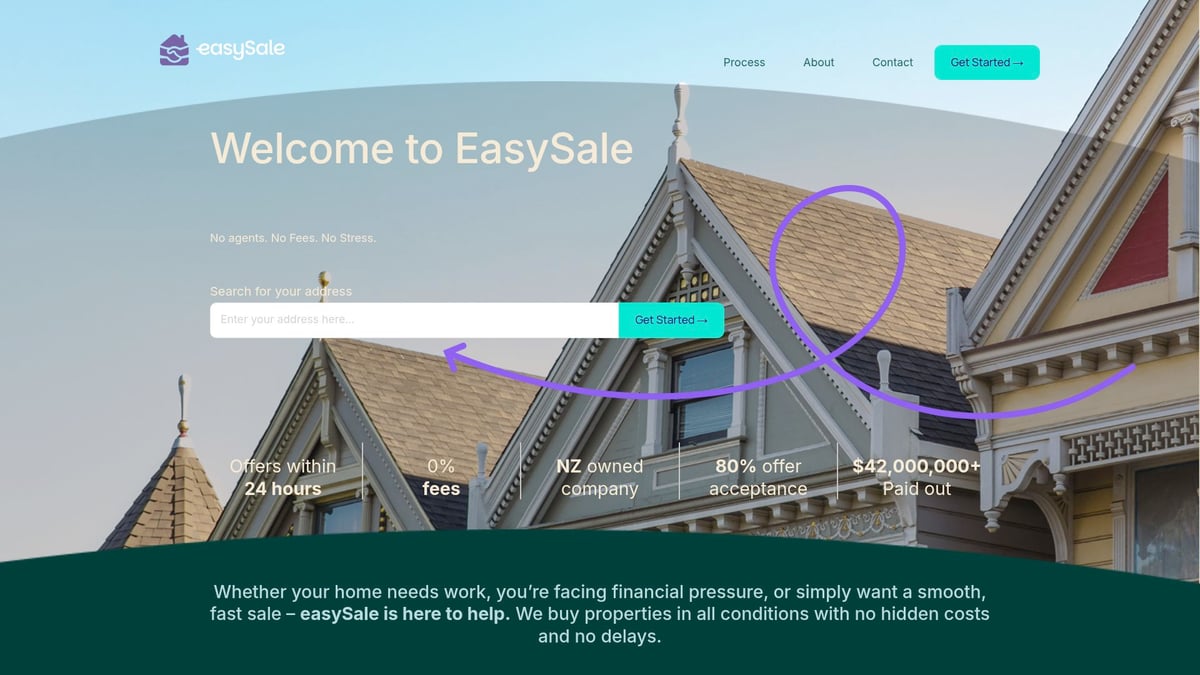
If you are looking for a straightforward, hassle-free way to sell, specialist private buyers for houses like EasySale NZ offer a refreshing alternative. These companies are changing the landscape for homeowners who want to avoid the uncertainty and delays of open market sales. With the property market in 2025 still facing fluctuating demand and tighter timelines, the appeal of a direct, certain sale is stronger than ever.
Why Consider a Specialist Private Buyer?
Specialist private buyers for houses like EasySale NZ purchase directly from homeowners, without involving agents or public listings. This means no open homes, no auctions, and no drawn-out negotiations. Instead, sellers deal directly with the buyer, keeping the process simple and private.
For many, this route eliminates the biggest headaches of selling a home. There are no agent commissions or hidden marketing costs. The offer process is quick, often taking as little as 24 hours. Sellers also avoid weeks of uncertainty waiting for the right buyer to come along. In a market where speed and certainty matter, a specialist private buyer can be a game changer.
How the EasySale NZ Model Works
EasySale NZ has streamlined the process so homeowners can move on with confidence. You start by filling out a quick online form describing your property. Within 24 hours, you’ll receive a no-obligation cash offer, valid for properties in any condition. This is ideal for people who do not want to invest time or money in repairs.
Once you accept the offer, EasySale works to your timeline. Settlement dates are flexible, allowing you to stay in control. There are no agent fees, no need for staging, and no delays caused by conditional buyers. According to EasySale, they have paid out over $42 million to Kiwi sellers, with an impressive 80% acceptance rate for their offers. This approach is gaining traction, especially as recent REINZ May 2025 Property Market Report shows sellers are prioritising speed and certainty in today’s property market.
Who Benefits Most from EasySale?
Private buyers for houses like EasySale are particularly valuable for people facing urgent situations. If you have inherited a property, are navigating financial stress, or need to relocate quickly, this option offers a lifeline. It is also ideal for landlords with tenanted homes or owners of properties needing major repairs.
Compared to traditional agents or standard private buyers, EasySale delivers a unique blend of speed, privacy, and flexibility. Sellers can avoid lengthy marketing campaigns and the uncertainty of conditional offers. This makes the process much less stressful, especially for those needing a quick resolution.
The EasySale Process: Step-by-Step
The EasySale process is refreshingly simple:
- Apply online with your property details.
- Receive a written cash offer within 24 hours.
- Choose your preferred settlement date.
- Complete legal paperwork with the support of a property lawyer.
- Settle and hand over the keys at your pace.
Many sellers report feeling relieved at how easy and transparent the experience is. For those looking to get started, visit EasySale NZ’s website and complete their quick online application. If you want to sidestep the usual headaches and deal directly with experienced private buyers for houses, this could be the best solution for your next move.
Legal, Regulatory, and Tax Considerations for Private House Sales in 2025
Selling your home in 2025 means navigating a few critical legal, regulatory, and tax considerations, especially if you’re exploring private buyers for houses. Staying informed about the latest changes can help you avoid costly mistakes and keep your sale on track.
New Zealand Property Law Updates
In 2025, several property law changes are impacting private buyers for houses. New compliance requirements now mean sellers must provide more detailed disclosures, including up-to-date LIM reports and proof of building code compliance. This is part of a broader push for greater transparency.
Recent legislative tweaks have also clarified what information must be included in sale and purchase agreements. For example, changes in anti-money laundering checks affect both buyers and sellers, so be prepared to verify your identity and financial details.
For a deeper look at current market conditions and how they might influence legal requirements, the CoreLogic June 2025 Housing Chart Pack offers valuable insights.
Tax Implications for Private Sellers
When considering private buyers for houses, tax obligations are a key part of the equation. The bright-line property rule remains a central feature in 2025, meaning if you sell a property within a certain period after purchase, you may face capital gains tax.
It’s important to distinguish between selling your family home and an investment property, as tax liabilities differ. Inherited properties or homes gifted between family members can have unique implications, so always check the latest IRD guidance before finalising a sale.
Keep all documents related to purchase and sale, as you’ll need them to accurately calculate any potential tax due. If in doubt, consult a tax specialist familiar with property transactions.
Regulatory Safeguards and Consumer Protections
Sellers using private buyers for houses should know their rights and the protections available. The Commerce Commission oversees fair trading and can assist if there are disputes or evidence of misleading conduct.
Consumer law requires all agreements to be clear and not deceptive. If a disagreement arises, there are established dispute resolution services, so you’re not left without support.
Authorities have recently stepped up enforcement, especially around property scams and false advertising. If you suspect something is amiss, reach out promptly to the relevant agency for guidance.
Documentation and Record-Keeping Best Practices
Proper paperwork is essential when dealing with private buyers for houses. Retain copies of sale and purchase agreements, LIM reports, compliance certificates, and any correspondence for at least seven years.
Digital record-keeping is now widely accepted, but ensure your files are backed up and accessible. Poor documentation can lead to tax or legal headaches down the track.
Use a checklist to confirm you have all necessary documents post-sale. Staying organised will protect you if questions or disputes arise in the future.
If you are ready to skip the hassle of listings, negotiations, and endless paperwork, you are not alone. As we have seen, private buyers can offer a quicker, more flexible way to sell your home, especially if you are after certainty and speed. With easySale, you can get a fair, no-obligation offer without any fees or stressful open homes. It is a straightforward process designed for people who just want to move on with confidence. Curious about what you could get for your property right now? See how much your offer is now and take the first step towards a smoother sale.
