
Selling My House As-Is in NZ: The Essential Homeowner's Guide 2025

Imagine putting your house on the market without picking up a paintbrush or stressing about costly repairs. If you have ever wondered, “Is selling my house as is even possible?”, you are not alone. This essential guide is here to help New Zealand homeowners confidently navigate every step of selling my house as is in 2025.
You will discover what “as is” really means, the pros and cons, your legal responsibilities, strategies for pricing and marketing, and how to handle offers with ease. Take the guesswork out of the process and find out how selling my house as is can save time, reduce stress, and put you in control of your next move.
Understanding “As Is” Home Sales in 2025
Imagine you’re staring at a to-do list of repairs, feeling overwhelmed. The idea of selling my house as is in 2025 means you can skip the paintbrush and the stress. But what does this really involve? Let’s explore what sets as-is sales apart, why sellers choose this path, the legal side, and which properties usually qualify.
What Does “As Is” Mean?
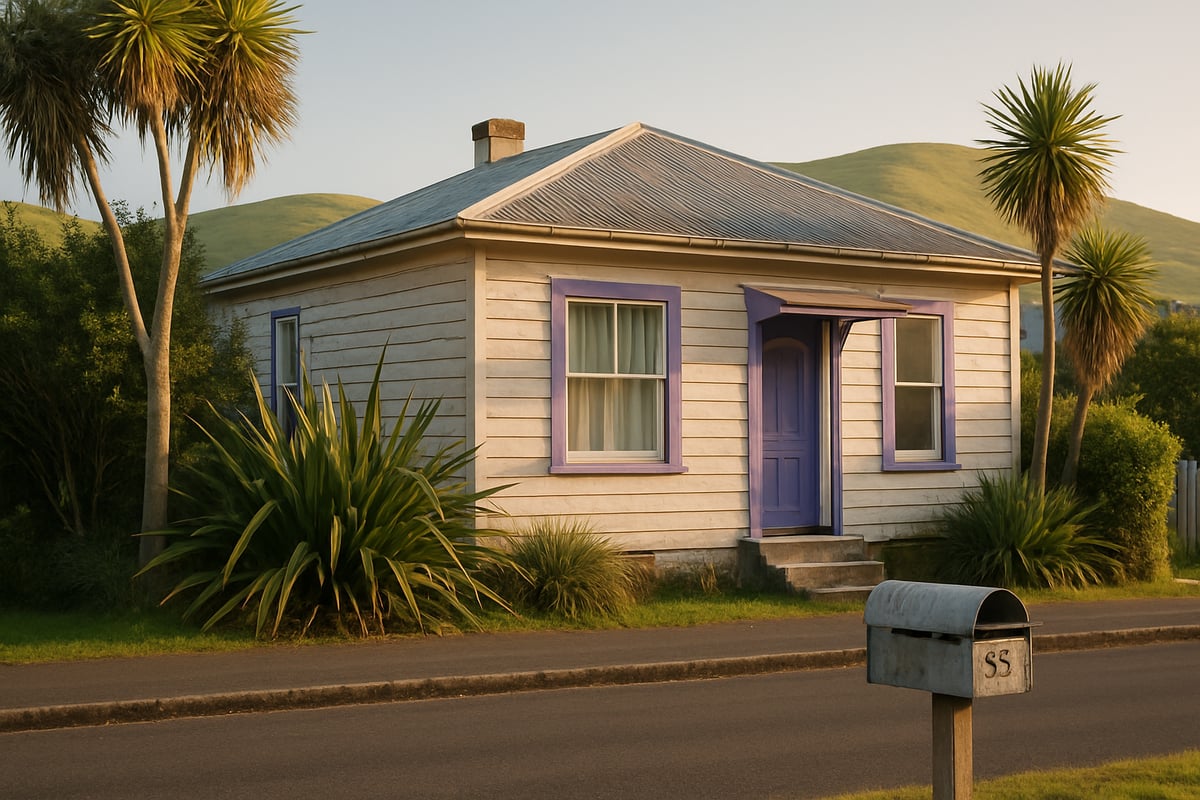
Selling my house as is means putting your property on the market exactly as it stands, flaws and all. Unlike traditional sales, you won’t be fixing leaks, repainting, or updating kitchens. What buyers see is what they get, with no promises of repairs before settlement.
A common misconception is that as-is means hiding problems. In fact, honesty is key. For example, if your home suffered flood damage, you can sell it as is but must disclose the issue upfront. This approach removes the pressure of renovations and appeals to buyers seeking a project or a bargain.
Why Homeowners Choose to Sell As Is
Many New Zealanders consider selling my house as is when finances are tight or time is short. If you’ve inherited a property or your house needs major work, selling as is offers a fast, hassle-free solution.
A 2024 NZ survey found 28% of sellers prefer this route for the cost savings. It’s especially attractive if you want to avoid the stress and expense of renovations. For some, inherited or distressed properties make repairs unrealistic, so selling as is is the practical choice.
Legal and Disclosure Requirements in New Zealand
When selling my house as is, you’re still bound by New Zealand’s legal disclosure rules. Vendors must be upfront about known defects, even if selling as is. The “as is, where is” clause makes it clear the buyer accepts the home in its current state, but it doesn’t protect sellers from consequences of hiding major problems.
Failing to disclose issues can lead to legal trouble. For example, after the Christchurch earthquakes, some sellers faced claims for not revealing structural damage. Always consult a property lawyer to ensure your paperwork and disclosures meet NZ law.
Types of Properties Commonly Sold As Is
The most frequent candidates for selling my house as is include homes with water or fire damage, unconsented renovations, or significant tenant wear and tear. Rental properties and inherited homes after probate often fit this category.
A standout case involved a family selling an inherited property as is, saving time and avoiding costly repairs. If your home falls into these categories, you can learn more about selling damaged houses as is and get a fair offer without the usual hassle.
Weighing the Pros and Cons of Selling As Is
Selling my house as is can sound like a dream come true for many New Zealand homeowners. But before you jump in, it pays to know the upsides, the challenges, and how buyers might see your property. Let’s weigh up the pros and cons so you can decide if this approach fits your needs and goals.

Key Benefits for Sellers
One of the biggest appeals of selling my house as is is the speed and simplicity of the process. You can skip costly repairs, avoid endless cleaning, and forget about staging the place for open homes. This approach removes a lot of the stress and disruption that comes with a traditional sale.
Sellers often find they can move on quickly, especially when facing urgent situations or financial pressure. For example, a homeowner recently saved $25,000 by selling their property as is and not spending on renovations. If you want more ideas to speed up your sale, check out these fast house sale strategies that often apply to as-is deals.
Potential Drawbacks and Risks
Of course, selling my house as is has its downsides. The most obvious is that you’ll likely get a lower sale price than if you fixed up the property first. On average, as-is homes in New Zealand fetch 10-20% less than comparable renovated houses, based on 2023 data.
Another challenge is the smaller pool of buyers. Most traditional buyers are looking for a move-in-ready home, so you’ll mainly attract investors or cash buyers. There’s also the risk of stigma—some buyers may assume the property has serious issues or try to negotiate aggressively.
Buyer Perspectives: What Attracts or Deters Them
When selling my house as is, it’s helpful to see things through a buyer’s eyes. Investors often love as-is properties because they see potential for value-add renovations or quick flips. These buyers are usually prepared for repairs and may move fast if the numbers stack up.
On the other hand, owner-occupiers can be put off by the uncertainty of repair costs or the inability to get standard bank lending. Many buyers will negotiate hard, looking for discounts to cover the risks. Being upfront and realistic about your home’s condition can help build trust and keep negotiations on track.
Is Selling As Is Right for You?
Deciding on selling my house as is comes down to your situation and priorities. Consider your finances, your timeline, and the state of your property. Is the market in your area strong enough to support an as-is sale, or would minor improvements boost your result?
Here’s a quick checklist to help you decide:
- Do you need to sell quickly?
- Is the cost of repairs too high?
- Are you comfortable with a lower sale price?
- Can you be transparent about all known issues?
Carefully weigh these questions to see if selling as is is your best path forward.
The Step-by-Step Process to Selling Your House As Is
Ready to make selling my house as is a reality? This step-by-step process breaks down everything you need to know, from getting your house ready to closing the deal. Even if you're new to as-is sales, these simple steps will help you move forward confidently.

Step 1: Assessing Your Property’s True Condition
Before selling my house as is, take an honest look at your property. Walk through each room and note any visible issues, such as damp patches, cracks, or outdated wiring.
Consider a pre-sale building inspection. This report highlights both obvious and hidden problems, like water damage behind walls or under floors. It helps you separate major issues from cosmetic ones, so you know exactly what you’re selling.
For example, some sellers discover hidden leaks only after a professional check. Spotting these early can prevent surprises during negotiations. Being realistic about your home’s condition sets the foundation for transparency and helps you price your property appropriately.
Step 2: Understanding Your Legal Responsibilities
When selling my house as is, legal obligations are non-negotiable. New Zealand law requires you to disclose any known defects or issues that could affect the property’s value or safety.
Review your council records for any outstanding consents or compliance notices. If you’re unsure about anything, consult a property lawyer. They’ll guide you on required disclosures and help you avoid accidental misrepresentation.
Document everything honestly. Keeping clear records and providing information upfront protects you from future disputes and builds trust with buyers. Remember, being upfront is not just best practice, it’s the law.
Step 3: Deciding How to Sell—Private Sale, Agent, or Direct Buyer
Choosing the right selling method is crucial when considering selling my house as is. Each option has pros and cons:
Method | Pros | Cons |
|---|---|---|
Private Sale | Save on commission, direct control | More admin, can be stressful |
Real Estate Agent | Market expertise, wider reach | Fees apply, less control |
Direct Buyer | Fast, hassle-free, no open homes | May get lower offers |
If you’re weighing up a private sale, check out this guide on Private house sales in NZ for practical tips.
Think about your timeline, comfort with paperwork, and the level of support you want before deciding.
Selling As Is with a Direct Home Buyer: The EasySale Option
For many, selling my house as is means wanting speed and certainty. Direct home buyers like EasySale offer a streamlined solution.
With EasySale, there’s no need for repairs, open homes, or agent fees. You can get a fair offer within 24 hours, and the settlement is flexible to suit your needs. The process is no-obligation, so you can decide if it’s right for you.
One seller facing foreclosure used EasySale to avoid losing their home. The quick, transparent process gave them peace of mind and a fresh start. If you value simplicity and speed, this approach is worth considering.
Step 4: Setting the Right Asking Price
Pricing is key when selling my house as is. Start by researching recent as-is sales in your area. Look at similar homes that needed work and note their sale prices.
Factor in estimated repair costs and current market demand. For example, in Auckland, as-is listings sold 18% below the median price in 2024. Being realistic about your price attracts genuine buyers and reduces time on the market.
A competitive price signals you understand the property’s condition and are open to a fair deal. It also helps you avoid endless negotiations or lowball offers.
Step 5: Marketing Your As Is Property Effectively
Your listing should be honest yet appealing. When selling my house as is, highlight the property’s potential and location, not just its flaws.
Use “as is, where is” language in your advertising to set clear expectations. Reach out to investor networks and cash buyers, who are often more interested in properties needing work.
Include quality photos, a straightforward description, and any documentation you have. This approach attracts serious buyers and builds credibility from the start.
Step 6: Managing Viewings and Buyer Expectations
Even if you’re not staging, tidy up and address obvious safety hazards before viewings. When selling my house as is, be upfront with buyers about the property’s condition.
During open homes or private viewings, answer questions honestly and provide any reports you have. If you receive a low offer, stay calm and use it as a starting point for negotiation.
Transparency during viewings helps set the right expectations and reduces the risk of deals falling through later.
Step 7: Negotiating Offers and Closing the Deal
When offers come in, compare cash offers with conditional ones. Cash buyers usually settle faster, but conditional offers may be higher. Decide which works best for your situation when selling my house as is.
Allow buyers to conduct their own due diligence. Once you’ve accepted an offer, work with your lawyer to finalise contracts and arrange settlement.
Clear communication and following legal steps ensure a smooth handover, letting you move on with confidence.
Legal, Financial, and Tax Considerations for As Is Sales
Selling my house as is comes with unique legal, financial, and tax considerations. Understanding these aspects upfront can help you avoid costly mistakes and protect your interests throughout the process.

Navigating Contractual Obligations
When selling my house as is, the contract must clearly state the property's condition with an "as is, where is" clause. This clause protects both you and the buyer by confirming that no repairs will be made and the sale is based on the current state of the home.
Your lawyer will draft or review the agreement, ensuring it includes all required disclosures. Common clauses cover chattels, settlement dates, and any exclusions. It is vital to have legal guidance to avoid disputes and ensure a smooth transaction.
Remember, selling my house as is does not mean you can hide defects. Transparency in the contract reduces the risk of future claims and builds trust with buyers.
Understanding Tax Implications
Tax can get tricky when selling my house as is, especially with New Zealand’s bright-line test and possible GST obligations for investment properties. If you sell within a certain period after purchase, you may need to pay tax on any profit, depending on your circumstances.
Inherited or estate properties have different rules. For a detailed look at how tax applies to inherited homes, see the Selling inherited or estate property guide. Owner-occupied homes are usually exempt, but always check with an accountant to ensure compliance.
Being clear on tax implications before selling my house as is helps you plan for any liabilities and avoid surprises later.
Handling Existing Mortgages and Liens
Before selling my house as is, make sure your mortgage and any other debts secured against the property are addressed. Your lender will usually require full repayment of the home loan at settlement, so coordinate with them early.
Outstanding rates, body corporate fees, or other liens must also be cleared before the title can transfer. Provide your lawyer with all relevant documents to avoid settlement delays.
Communicating with your lender and lawyer throughout the selling my house as is process keeps things moving and reduces last-minute stress.
Protecting Yourself from Post-Sale Liability
One concern when selling my house as is is future liability for undisclosed problems. Accurate, full disclosure is your best defence. Document all known issues, provide reports if available, and keep records of your communication with the buyer.
A well-drafted contract with clear clauses can limit your liability. For example, after the Christchurch earthquakes, sellers who fully disclosed damage and used "as is" contracts were better protected in court.
Taking these steps when selling my house as is ensures peace of mind long after settlement.
Maximising Value: Tips for a Successful As Is Sale
Boosting the value of your home when selling my house as is does not mean you have to spend big. Small, strategic changes and clear communication can make a real difference. Let’s break down the best ways to maximise your outcome, even if you are not planning any major repairs.
Improving Appeal Without Major Repairs
First impressions matter. Even when selling my house as is, a good clean and tidy-up go a long way. Start by clearing away clutter and giving key areas a deep clean. Tidy the garden, mow the lawn, and trim any unruly plants. Fix minor safety hazards, like loose steps or exposed nails, with low-cost materials.
Simple curb appeal tricks, such as painting the front door or adding a few cheerful plants, can make your property stand out. These small touches show buyers you care and help them see the potential in your home. Remember, a little effort here can attract better offers.
Effective Communication with Buyers
Transparency is your strongest tool when selling my house as is. Be upfront about any known issues and provide documentation, such as a recent builder’s report or council records. This builds trust and makes buyers feel more confident about their decision.
Prepare to answer questions honestly during viewings. If you have already identified problems, let buyers know what you have found. Managing expectations from the outset reduces surprises later and can speed up negotiations. Open, honest communication helps you stand out in a competitive market.
When to Consider Minor Repairs or Staging
Sometimes, a small investment pays off. If you can fix minor issues for a few hundred dollars, like patching holes or replacing broken handles, it may boost your sale price. Focus on repairs that offer the highest return on investment.
Simple staging, such as rearranging furniture or adding fresh linen, can make spaces feel inviting. For example, spending $1,000 on landscaping has increased offers by $10,000 for some sellers. According to New Zealand Housing Market Predictions 2024, buyers respond well to homes that look move-in ready, even if they need work.
Common Pitfalls and How to Avoid Them
Avoid overpricing your property when selling my house as is. Research similar sales and use recent data, like the REINZ July 2024 data, to set a realistic price. Disclose all known issues—hidden problems can lead to legal trouble.
Check contract terms carefully and confirm potential buyers have the funds to settle. Use this quick checklist:
- Price reflects property condition
- Full disclosure of all defects
- Vet buyers’ financial position
- Review sale contract with your lawyer
Stay alert to these risks, and your as-is sale is more likely to run smoothly.
Frequently Asked Questions About Selling As Is in 2025
Thinking about selling my house as is but still have a few concerns? You’re not alone. Here are clear, practical answers to the questions New Zealand homeowners ask most often about the as-is sales process. Get the clarity you need to take the next step with confidence.
Can I Sell My House As Is If It Has Unconsented Work?
Yes, selling my house as is with unconsented work is possible, but it comes with extra responsibility. Legally, you must disclose any unpermitted renovations or alterations to potential buyers. Failing to do so risks breaching the Fair Trading Act and could result in a sale falling through later.
Be upfront in your listing and provide all relevant documentation. Buyers will often factor the cost and hassle of consenting work into their offers, which may lower your sale price. For example, selling a home with an unpermitted extension usually means a smaller pool of interested buyers, but transparency can help maintain trust and speed up negotiations.
How Long Does an As Is Sale Typically Take?
When selling my house as is, the process is usually much quicker than a traditional sale. On average, as-is transactions in New Zealand close within 30 days, especially when the property is marketed to cash buyers or investors. This speed appeals to owners facing urgent timelines, like settling an estate or managing financial hardship.
However, delays can occur if buyers need more time for due diligence or if there are legal complications, such as outstanding code violations. Preparation is key: have your paperwork in order and be ready to answer questions. Clear communication and realistic expectations help keep the sale on track.
Will I Still Need to Provide a LIM or Building Report?
While there is no legal requirement to provide a LIM (Land Information Memorandum) or building report when selling my house as is, buyers often expect them. Supplying these reports upfront can reassure buyers about the property’s condition and may speed up negotiations.
On the flip side, providing detailed reports could highlight issues that reduce your sale price. Weigh the pros and cons: if your property has significant known problems, being upfront can build trust, but if you prefer a faster, less complicated sale, let buyers obtain their own reports during due diligence.
What Types of Buyers Are Most Interested in As Is Properties?
Typically, as-is buyers include investors, renovators, and cash buyers looking for value-add opportunities. Owner-occupiers may also be interested if the location is desirable and they’re comfortable with repairs. According to the New Zealand Residential Real Estate Market Analysis 2025, investor demand remains strong, especially in areas with affordable entry points.
Selling my house as is appeals to buyers who prioritise speed, potential, or negotiation leverage. For 2025, expect savvy investors and first-home buyers with renovation skills to be at the front of the queue, looking for properties with upside.
If you are ready to skip the stress of repairs, open homes and endless negotiations, selling your house as is could be your smartest move this year. With everything you have learned here, you can see how a direct sale brings speed and certainty, especially if you want a hassle-free process or need to move on quickly. EasySale is all about making things simple, fair and fast for New Zealand homeowners like you—no fees, no obligations, just a straightforward offer. Curious what your property might fetch right now? See how much your offer is now and take the first step towards a smooth, stress-free sale.
