
7 Essential Property Selling Tips for 2025 in New Zealand

Selling your home in New Zealand comes with more than just posting a listing and waiting for buyers to appear. You need to tackle complex paperwork, set the right price, and make your property stand out in a shifting market. With property statistics showing changing home values across regions and an 8.7 percent improvement in national home affordability reported by Massey University, knowing how to approach each step is vital to maximising your results.
This guide gives you practical steps, backed by expert advice and current data, to help you master every part of the selling process. You will discover targeted strategies for pricing, preparation, and fast sale options that could save time and help you secure the best possible outcome. Keep reading to learn exactly which actions can make a real difference when selling your property.
Table of Contents
- Understand Your Current Market Value
- Prepare Key Documents Early
- Highlight Your Property’s Best Features
- Consider a Fast Cash Sale Option
- Set a Realistic Asking Price
- Streamline the Disclosure Process
- Choose the Right Settlement Timeline
Quick Summary
| Takeaway | Explanation |
|---|---|
| 1. Assess Your Property’s True Value | Conduct a professional appraisal and use various methods to accurately determine your home’s market value before listing it for sale. |
| 2. Prepare Necessary Documents Early | Gather all legal documents such as titles, compliance certificates, and disclosures to streamline the selling process and avoid delays. |
| 3. Highlight Unique Features | Showcase your property’s best attributes through professional photography and staging to attract potential buyers and elevate perceived value. |
| 4. Set a Competitive Asking Price | Research local market trends and obtain multiple appraisals to establish a realistic asking price that will attract serious buyers. |
| 5. Simplify the Disclosure Process | Provide comprehensive and transparent information about your property’s condition and history to build trust with prospective buyers. |
1. Understand Your Current Market Value
Knowing your property’s precise market value is the foundation of a successful sale in New Zealand’s dynamic real estate landscape. Your home isn’t just a structure but an investment that requires strategic pricing to attract serious buyers and maximise your potential returns.
Accurate property valuation goes beyond simple guesswork. It involves carefully analysing multiple factors including recent local sales, current market trends, and specific property characteristics. Property market statistics reveal that regional variations can significantly impact home values across New Zealand.
To determine your property’s true worth, consider several key assessment methods. Professional property appraisals provide the most reliable valuation, typically costing between $300 and $500. Online valuation tools can offer a preliminary estimate, but they shouldn’t be your sole reference point. Local real estate agents with deep market knowledge can also provide comparative market analyses that reflect current buyer interests.
Regional data from Massey University’s Home Affordability Report indicates significant market shifts. The national home affordability improvement of 8.7% means buyers are more discerning and price sensitive. This underscores the importance of precise, data driven pricing strategies.
Key factors influencing your property’s value include location, property condition, recent renovations, local infrastructure developments, and current market demand. Homes near good schools, public transport, and emerging urban centres typically command higher prices.
Pro tip: Invest in a professional property appraisal and cross reference multiple valuation methods to establish the most accurate market value for your home.
2. Prepare Key Documents Early
Selling a property in New Zealand involves navigating a complex web of legal documentation that can make or break your transaction. Early document preparation is not just recommended but crucial for a smooth and successful property sale.
The Real Estate Authority guidelines emphasise the importance of having all necessary paperwork organised before listing your property. This includes comprehensive documentation such as the Sale and Purchase Agreement, property title documents, building compliance certificates, and disclosure statements about the property’s condition.
Key documents you will need to gather include:
Property Title Documents • Current certificate of title • Land Information Memorandum (LIM) report • Any relevant subdivision or resource consent documents
Sale Related Documents • Completed property disclosure statement • Building compliance certificates • Recent property valuation reports • Any relevant maintenance or renovation records
Government resources recommend building a support team early in the process. This might include a property lawyer, conveyancer, and potentially a real estate agent who can help you compile and review these critical documents.
Timely document preparation helps prevent potential legal complications and demonstrates transparency to potential buyers. By having all paperwork ready and organised, you signal professionalism and reduce the likelihood of last minute delays or negotiations falling through.
Pro tip: Create a dedicated folder both digitally and physically to systematically collect and store all property sale documents, ensuring nothing gets misplaced during the selling process.
3. Highlight Your Property’s Best Features
Every property tells a unique story, and your ability to showcase its most compelling attributes can significantly impact your sale price and buyer interest. Strategic presentation transforms how potential buyers perceive your home.
Property marketing guidelines emphasise the critical role of professional presentation in attracting serious buyers. This means going beyond basic descriptions to create an emotional connection that makes your property memorable.
Key Areas to Highlight • Architectural uniqueness • Recent renovations • Exceptional views • High quality fixtures and fittings • Location advantages • Energy efficiency features • Outdoor living spaces
Professional photography is crucial. High resolution images that capture your property’s best angles can dramatically increase online engagement. Consider hiring a professional photographer who specialises in real estate imagery and understands how to make spaces look inviting and spacious.
The Real Estate Authority recommends maintaining absolute transparency while highlighting your property’s strengths. This means accurate descriptions that showcase genuine features without exaggeration.
Staging your home can also dramatically improve its perceived value. Remove personal items, declutter spaces, and create a neutral yet welcoming environment that allows potential buyers to imagine themselves living in the property.
Pro tip: Invest in professional staging and photography, focusing on creating visual stories that highlight your property’s most unique and appealing characteristics.
4. Consider a Fast Cash Sale Option
When traditional property sales become too complex or time consuming, a fast cash sale option offers a streamlined alternative for New Zealand homeowners seeking immediate financial resolution. This approach can transform your property selling experience from weeks of uncertainty to a swift transaction.
Fast sale strategies provide homeowners with an efficient method to sell their property without the typical market uncertainties. Unlike traditional sales that involve lengthy negotiations and potential buyer finance delays, cash sales eliminate many typical complications.
Benefits of Cash Sale Options • Immediate property sale • Guaranteed funds transfer • No bank approval waiting periods • Reduced legal complexities • Minimal property preparation requirements • Faster settlement timeframes
Unlike conventional property transactions, sale methods like auctions can provide unconditional cash sales that protect sellers from conditional offer risks. These approaches are particularly beneficial for homeowners facing urgent financial situations or needing to relocate quickly.
Cash buyers typically purchase properties in their existing condition, which means you can avoid expensive renovations or extensive property preparations. This approach works exceptionally well for properties that might require significant repairs or updates.
Pro tip: Research multiple cash sale providers and request transparent quotes to compare offers and understand the complete financial implications of your fast sale strategy.
5. Set a Realistic Asking Price
Determining the right asking price requires more than wishful thinking. Your property’s market value represents a delicate balance between current market conditions, local trends, and your home’s unique characteristics.
Property price statistics provide critical insights into realistic pricing strategies. These comprehensive data sets reveal median sale prices, market trends, and regional variations that can significantly influence your pricing decisions.
Key Pricing Considerations • Recent comparable sales in your neighbourhood • Current market demand • Property condition and unique features • Local infrastructure developments • Economic factors affecting real estate
Professional real estate training emphasises the importance of comprehensive property appraisal. Real estate professionals are trained to assess properties using multiple valuation methods, ensuring sellers understand their property’s true market potential.
Overpricing can lead to prolonged market exposure, while underpricing might result in financial loss. The goal is to find a pricing sweet spot that attracts serious buyers while protecting your financial interests.
Consider obtaining multiple professional appraisals to cross reference market values. Online valuation tools can provide initial estimates, but they should not be your sole pricing reference.
Pro tip: Request at least three independent property valuations and calculate the median value to establish a robust and competitive asking price.
6. Streamline the Disclosure Process
Transparency is the cornerstone of any successful property sale in New Zealand. A streamlined disclosure process protects both sellers and buyers by ensuring all critical property information is communicated clearly and comprehensively.
Disclosure principles require sellers to provide accurate and complete information about their property’s condition, history, and potential issues. This goes beyond simple legal compliance and builds trust with potential buyers.
Key Disclosure Documents • Property title documents • Building compliance certificates • Council zoning information • Maintenance and renovation records • Known structural issues • Environmental hazard reports • Utility service reports
Specifically for unit title properties, comprehensive documentation becomes even more critical. Sellers must provide detailed financial statements, maintenance records, and body corporate information to facilitate smooth buyer due diligence.
Organising these documents early can significantly reduce sale delays. Consider creating a dedicated folder both digitally and physically to compile all necessary paperwork. This proactive approach demonstrates professionalism and can accelerate the entire sales process.
Pro tip: Engage a professional property documentation service to help you systematically gather and organise all required disclosure documents before listing your property.
7. Choose the Right Settlement Timeline
Your property settlement timeline is more than a simple date on a contract. It represents a critical strategic decision that can impact your financial planning, moving arrangements, and overall sale success.
Settlement day preparations require careful coordination and proactive planning. The right timeline balances your financial needs with practical moving logistics and buyer expectations.
Settlement Timeline Considerations • Current property market conditions • Your personal moving requirements • Buyer’s financial readiness • Rental or tenancy agreements • Property chain complexities • Legal and contractual obligations
Government advice emphasises understanding all legal implications when selecting settlement dates. Different scenarios require different approaches.
Typical settlement periods in New Zealand range from 30 to 90 days. Shorter timelines might suit urgent sales, while longer periods provide more flexibility for complex property transactions. Consider factors like tenant occupancy, renovation requirements, and your next living arrangement.
Consult with a property lawyer or conveyancer to understand potential risks and negotiation strategies related to settlement timelines. They can help you craft settlement conditions that protect your interests.
Pro tip: Build a contingency buffer of at least two weeks into your settlement timeline to accommodate unexpected delays or complications.
Below is a comprehensive table summarising the key strategies, considerations, and tips for successfully selling a property in New Zealand.
| **Topic** | **Description** | **Key Actions** |
|---|---|---|
| Understanding Current Market Value | Knowing the accurate market value of your property is critical for strategic pricing and potential return maximisation. | Engage professional appraisals, use reliable valuation tools, and consult local agents. |
| Document Preparation | Early organisation of legal documents ensures smoother selling processes. | Compile essential papers like title documents, LIM reports, and valuation records systematically. |
| Highlighting Property Features | Effective marketing and presentation emphasise unique characteristics, enhancing appeal. | Invest in staging, quality photography, and transparent feature descriptions. |
| Considering Fast Cash Sales | Simplifies transactions by avoiding typical sale complications. | Research providers, obtain multiple offers, and assess implications securely. |
| Setting the Asking Price | A realistic price balances market trends and property attributes. | Request multiple valuations and evaluate comprehensive market data. |
| Streamlining Transparency | Providing correct information builds buyer trust and prevents issues. | Thoroughly prepare disclosure documents and engage professional services if needed. |
| Settlement Timeline | Aligning timeline selection with needs aids in financial and logistical planning. | Consult legal professionals to understand implications of timeline choices. |
Sell Your Property Quickly and Easily with easySale.co.nz
Navigating the complexities of property selling in New Zealand can be overwhelming, especially when faced with challenges like accurate pricing, legal document preparation, and tight settlement timelines. If you want to avoid the stress of lengthy negotiations or uncertain traditional sales methods, easySale.co.nz offers a straightforward solution to meet your needs. Our service is designed for homeowners who need a fast, fair cash offer without costly commissions or repairs, making it perfect for those seeking a hassle-free sale process.
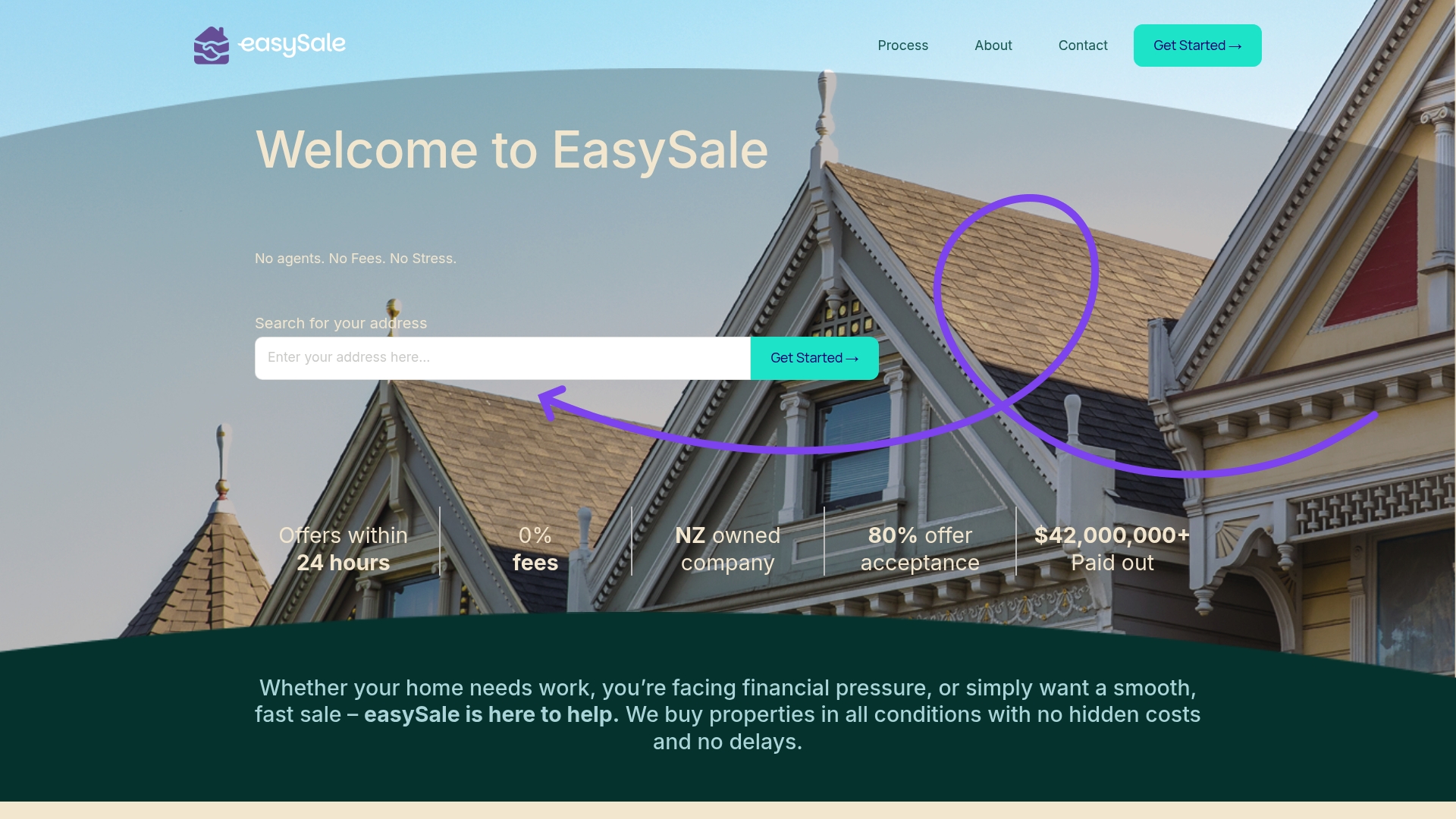
Take control of your sale today by submitting your property details to receive a no-obligation offer. With easySale.co.nz, enjoy a seamless process where you choose your preferred settlement date, and we handle the rest. Discover how our transparent, nationwide service can simplify your property sale by visiting easySale.co.nz. Say goodbye to uncertainty and hello to a quick, confident sale.
Frequently Asked Questions
How can I accurately determine my property’s market value in 2025?
To accurately determine your property’s market value, consider obtaining a professional property appraisal and analysing recent sales in your area. Gather local market data and three independent valuations to set a competitive asking price that attracts buyers.
What key documents should I prepare before selling my property?
Before selling, collect essential documents including the Sale and Purchase Agreement, property title, and building compliance certificates. Organise these documents in a dedicated folder to streamline the selling process and demonstrate transparency to potential buyers.
What are the benefits of a cash sale option for selling my property?
Cash sales provide a quicker and simpler selling experience, as they eliminate financing complications and reduce legal complexities. Consider using this option if you need to sell your property swiftly, avoiding lengthy traditional processes.
How do I effectively showcase my property’s best features?
To showcase your property’s best features, invest in professional photography and staging that highlight unique attributes and create an inviting atmosphere. Focus on enhancing visual appeal to make your property more memorable to potential buyers.
What factors should I consider when setting a realistic asking price?
Consider factors such as recent comparable sales, current market conditions, and your property’s unique features when setting your asking price. Aim for a price that aligns with market data and attracts serious buyers without undervaluing your investment.
How can I ensure a smooth disclosure process when selling my home?
To ensure a smooth disclosure process, organise vital documents like property title and compliance certificates ahead of time. Being transparent about your property’s condition fosters trust with buyers and can help prevent issues during the sale.
Recommended
