
Sell in 7 Days in New Zealand: When a Cash Offer Beats an Agent
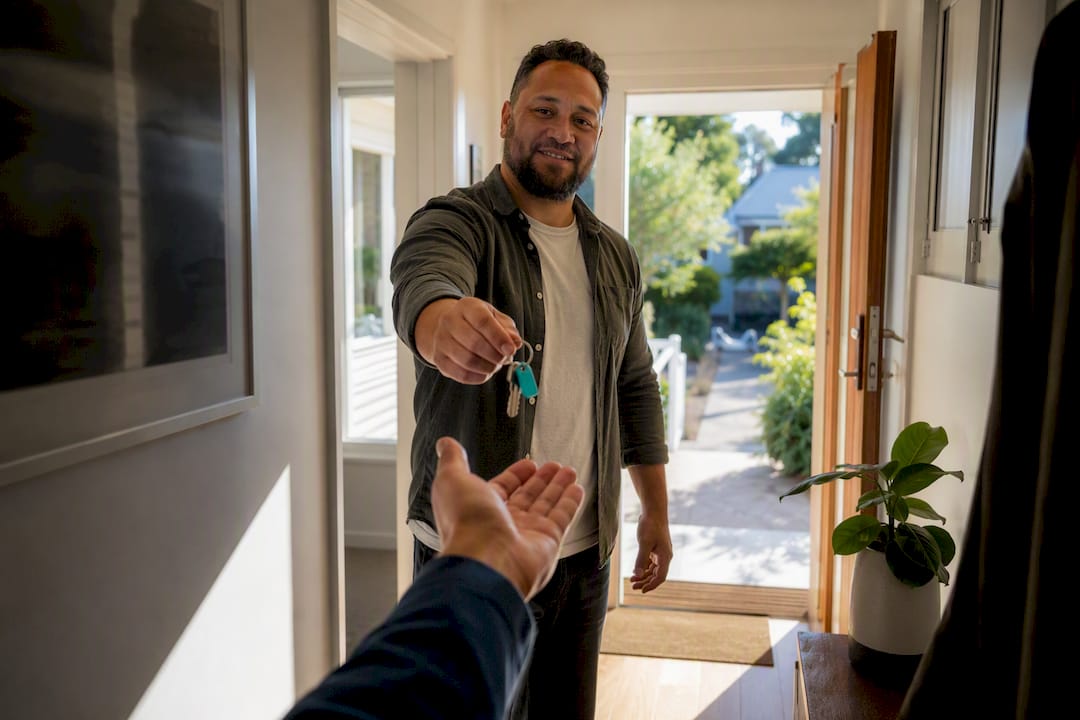
Selling a house is achievable for most homeowners, but “easy” depends entirely on your market, your property’s condition, and how much time you can genuinely spare. Two things trip people up every time: the legal disclosure obligations you carry as a seller, and the negotiation skill needed to hold your price. The sections below break down private sale versus using an agent, and what to actually do first.
TL;DR:Private sales often generate less exposure and trust, which can lead to lower offers and increased legal risks if disclosure obligations are not properly managed.Selling with an agent increases success rates by over 10% and reduces median days on market due to access to an extensive buyer database and negotiation expertise.Proper property presentation, accurate pricing based on a recent valuation, and consistent availability for viewings are critical factors regardless of the chosen sale method.Legal disclosure of issues like weather-tightness and unconsented work is mandatory and requires early engagement with a lawyer or conveyancer to avoid post-sale disputes.For urgent sales or properties in poor condition, a cash buyer like Easysale offers a no-commission, quick settlement option that can sometimes close within days.
EasysaleSell Your Property With Less HassleEasysale helps New Zealand homeowners receive a fast, fair cash offer without agents or commission fees.Get a cash offer
Table of Contents
- What affects how easy your house is to sell?
- Private sale: what actually goes right and wrong
- How much faster or more successful is an agent-led sale?
- Step-by-step: what you actually need to do to sell
- Legal obligations and the costs sellers forget
- What sellers get wrong before they even list
- When a direct, no-agent sale makes more sense
- Where to check the facts yourself
- Sources
- FAQ
What affects how easy your house is to sell?
Your suburb sets the baseline. Some areas move in weeks, others sit for months, and seasonal demand shifts that timeline again, with spring and early autumn typically drawing more buyers through open homes than the middle of winter.
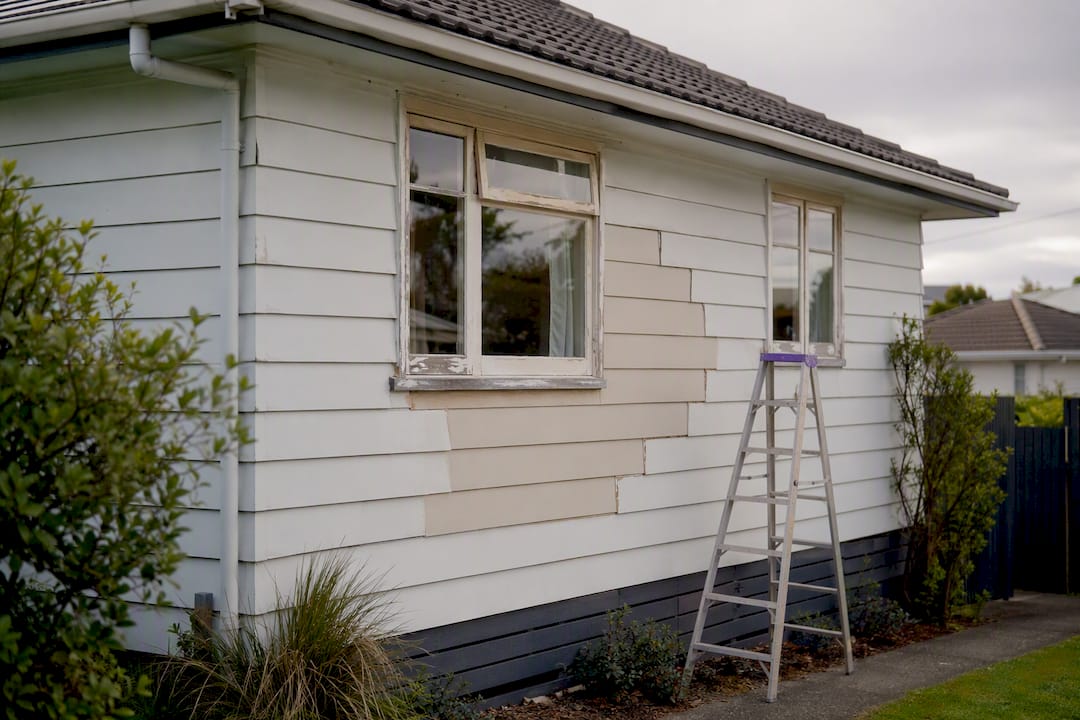
Property condition matters just as much as location. Unconsented renovations, weather-tightness issues, or deferred maintenance don’t just slow a sale, they can scare off buyers entirely once a builder’s report flags them.
Pricing realism is where most sellers stumble. List too high hoping for a “test the market” outcome, and your listing risks going stale, and stale listings attract lower offers because buyers assume something’s wrong. Relab’s analysis points to overly optimistic pricing as a common cause of listings losing momentum.
Beyond the property itself, your own resources shape the outcome:
- Time available for fielding enquiries, hosting viewings, and following up leads
- Marketing reach, since a Facebook post and a couple of signs won’t match an agent’s buyer database
- Negotiation skill, particularly staying firm when a buyer tests your resolve
- Presentation, where modest fixes like fresh paint, tidy gardens, and decluttering can noticeably lift buyer interest without a full renovation budget
Pro Tip: Get a registered valuation before you set your asking price. It costs a small fee upfront but stops you anchoring to a number that has no basis in recent sales, which is one of the fastest ways to watch a listing sit unsold.
Private sale: what actually goes right and wrong
Selling privately means no commission, which on a typical New Zealand property can save tens of thousands of dollars. You also keep full control of the process and deal directly with buyers rather than through an intermediary.
The trade-offs are real, though. Here’s what tends to happen:
- Limited exposure compared to an agent’s existing buyer list and marketing channels
- Lower buyer trust, since some buyers assume a private sale means the seller is cutting corners or hiding something
- Solo negotiation, which is harder than it sounds once a buyer starts probing for weaknesses in your price
- Legal exposure, if disclosure obligations or contract terms aren’t handled properly
Settled is blunt about this: the commission you save only counts as a genuine saving if you can match an agent’s marketing reach and negotiation skill. Otherwise, the time cost and risk of underselling can quietly erase the benefit.
The most frequent private-seller mistakes follow a pattern: overpricing out of the gate, being inconsistently available for viewings (which frustrates buyers enough to walk away), and skipping a lawyer to save a few hundred dollars, only to face a costly dispute later.
Pro Tip: Block out specific hours each week for viewings and enquiries, and treat it like a part-time commitment. Tremain’s comparison of private versus agent sales notes that private selling often becomes a second job once open homes and buyer calls stack up.
How much faster or more successful is an agent-led sale?
Agent-listed properties have historically sold at meaningfully higher rates than private sales. RNZ reported an average 11.5% higher success rate for agent sales over a 10-year period, with shorter median days on market in most of those years.
What you’re paying for with commission is access to:
- An existing buyer database built from years of local transactions
- Negotiation experience that keeps emotion out of the price discussion
- Compliance knowledge around disclosure and contract terms
- Consistent availability for viewings, since it’s their job, not a rushed evening after work
Barfoot & Thompson’s advice for private sellers notes that many buyers actively expect a lower price when there’s no agent involved, on the assumption they’re getting a discount for the seller’s savings.
The real comparison isn’t commission versus zero cost. It’s commission versus the hours you’ll spend, the marketing gap you’ll need to fill yourself, and the risk of settling for less because you lacked the leverage or the time to hold firm. Sellers with a straightforward, well-presented property in a hot suburb often do fine privately. Sellers with a complex, older, or harder-to-value property, or genuinely no spare time, usually come out ahead using an agent, or exploring a direct sale route instead.
Step-by-step: what you actually need to do to sell
Whichever route you choose, the sequence of tasks looks similar:
- Decide your sale method. Weigh private sale against using an agent, and check comparable sold prices within a few kilometres and the last few months to ground your price. A registered valuation helps if you’re unsure.
- Prepare the property. Declutter, fix obvious safety issues, and get photos taken in good light. Small repairs (a dripping tap, a cracked tile) cost little but change how buyers perceive the whole house.
- Choose your marketing channels. Free listing sites reach fewer buyers than paid portals or an agent’s database, so factor that gap into your price expectations.
- Run viewings and open homes. Be consistently available, since buyers move fast when they’re genuinely interested and slow responses lose momentum.
- Handle enquiries and negotiate. Keep emotion out of it. A buyer’s first offer is rarely their final one, and pushing back calmly usually recovers value.
- Bring in a lawyer or conveyancer once you have a genuine offer, to handle the sale agreement and hold the deposit correctly.
Pro Tip: Read your listing description as if you’re the buyer, not the seller. Sellers who write “cosy” when they mean “small” lose credibility fast once viewers turn up.
For a fuller walkthrough with templates and timelines, this step-by-step private sale guide covers each stage in more depth.
Legal obligations and the costs sellers forget
New Zealand guidance is clear on this point: sellers must disclose relevant property information, including weather-tightness issues and unconsented work, before a sale goes through. Settled.govt.nz warns that skipping this exposes you to legal action or compensation claims after settlement, sometimes well after you’ve moved on.
This is why engaging a lawyer or conveyancer early isn’t optional in any practical sense. They prepare the sale and purchase agreement, hold the buyer’s deposit correctly, and check title issues before they become a settlement-day surprise.
Budget for these costs beyond commission (or instead of it, if you’re selling privately):
- Conveyancing or legal fees for contract preparation and settlement
- A LIM report and building inspection, which buyers will often request anyway
- Marketing costs if you’re not using an agent’s included package
- Minor repairs identified during inspection
Keeping a documented property history, receipts for work done, consents obtained, and any known issues, reduces dispute risk considerably and speeds up buyer confidence.
What sellers get wrong before they even list
The biggest thing owners underestimate is how much emotional distance matters once negotiation starts. You know every dollar you’ve spent on the place; a buyer doesn’t care, and pushing back without taking that personally is a skill, not an instinct.
The second trap is over-optimism on price. Hope isn’t a pricing strategy, and a listing that sits too long because it started too high almost always sells for less than if it had been priced correctly from day one.
If speed and certainty matter more to you than chasing the last dollar, particularly with a property that has damage, tenancy complications, or an urgent timeline, a direct cash sale is worth genuine consideration rather than a last resort.
— Aaron
When a direct, no-agent sale makes more sense
Some situations don’t suit the private-sale-versus-agent decision at all. If you’re dealing with a damaged property, an inherited estate, a separation, or simply need certainty within days rather than months, the usual sale process can add stress you don’t need.
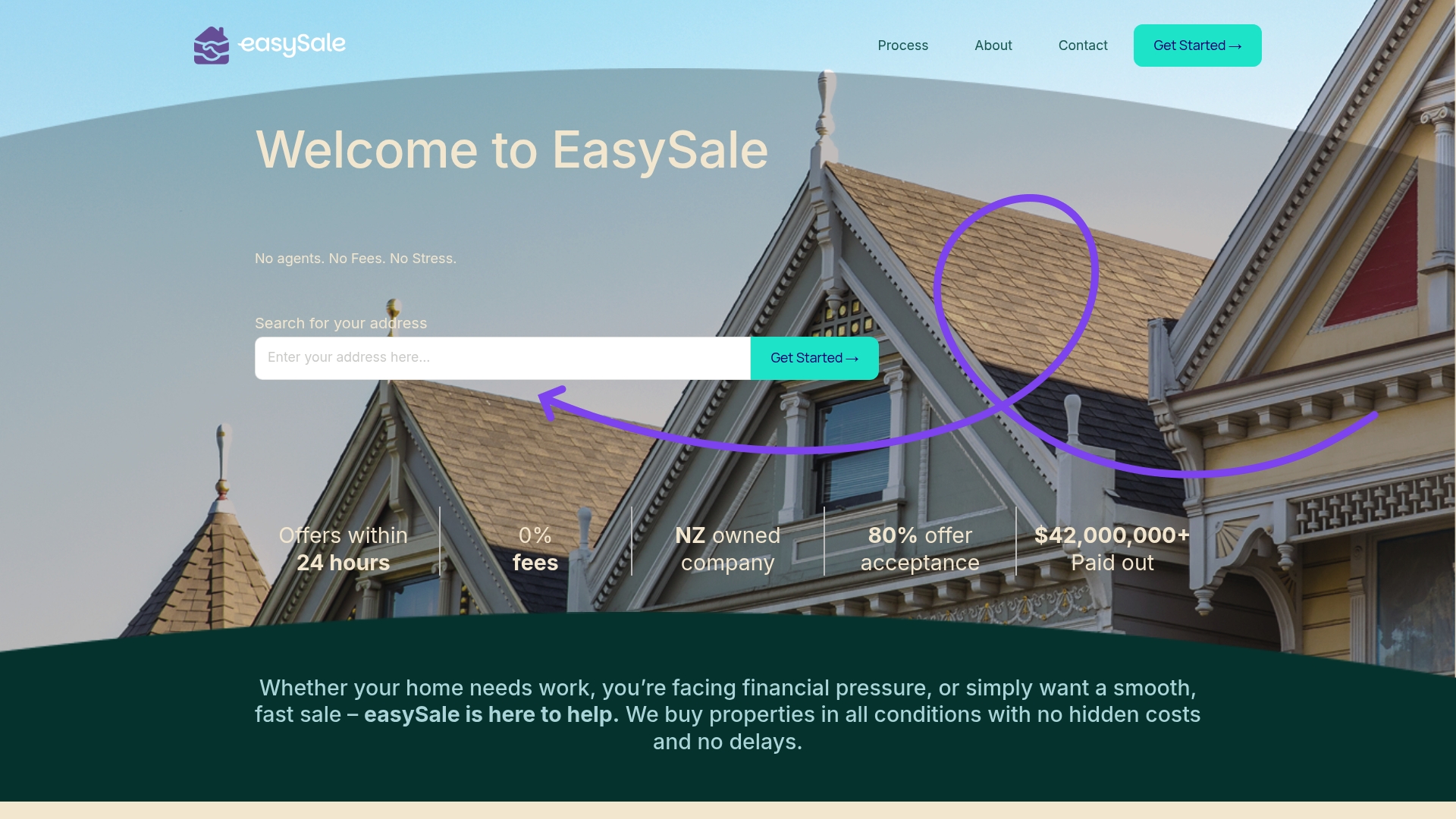
There is a direct alternative to both routes covered above that offers no agent, no commission, and no repairs required before you sell. Where a private sale demands your time and an agent-led sale costs a commission slice of your equity, Easysale buys properties in whatever condition they’re in, including damaged or as-is homes, and settles on a timeline you choose.
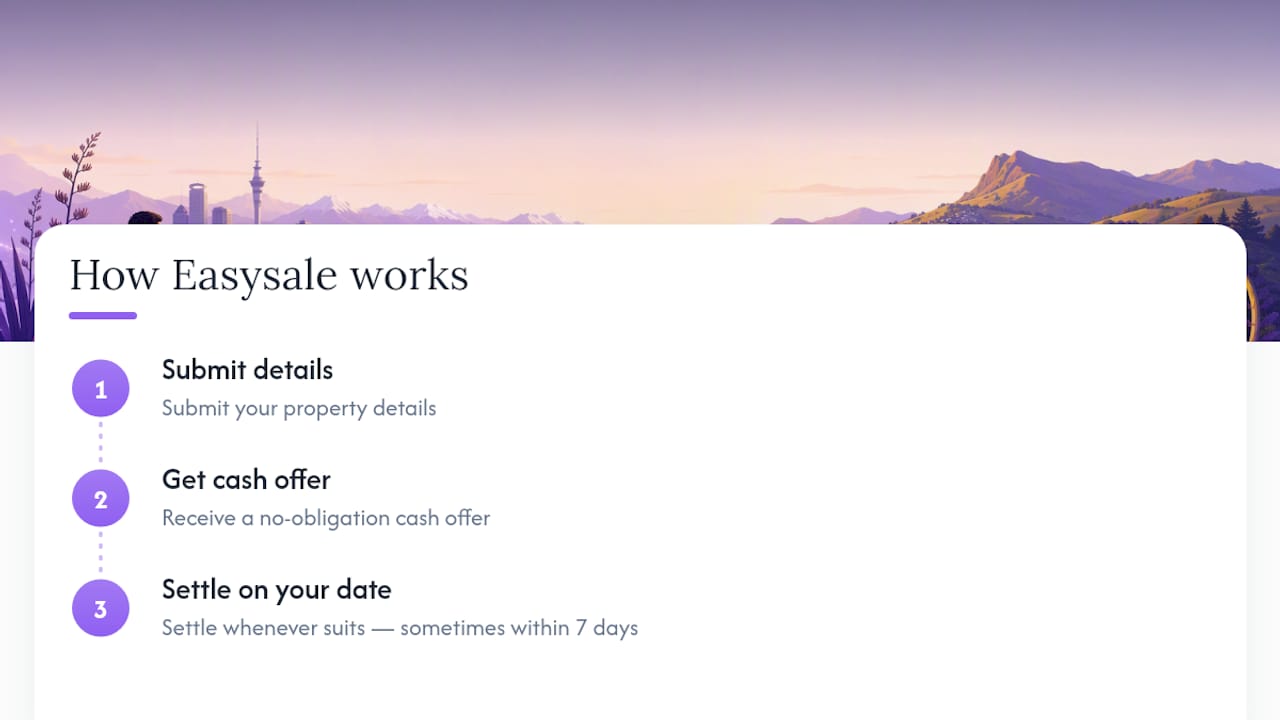
The process runs in three steps: you submit your property details, receive a no-obligation cash offer, and settle whenever suits you, sometimes within days if that’s what you need through the sell fast within 7 days option. It also covers specific circumstances directly, including estate sales, divorce or separation, and retirement downsizing.
Ask yourself three quick questions: do you need certainty over the top dollar, do you want to skip repairs and staging entirely, and would a fixed settlement date solve more stress than a higher offer would? If yes to any of those, get your no-obligation cash offer started today.
Where to check the facts yourself
For legal disclosure rules and private-sale guidance, Settled.govt.nz is the government’s own resource. For market performance data comparing agent and private sales, see RNZ’s reporting. For a practical private-sale checklist, this private sale how-to guide is worth bookmarking.
This article is general information, not a substitute for advice from a qualified financial advisor. Consult a qualified financial professional about your own circumstances before acting on anything here.
Sources
- Is it worth paying a real estate agent to sell your house? | RNZ
- Settled
- Why you shouldn’t sell your home privately | Relab
FAQ
What devalues a house the most?
Unresolved unconsented work and weather-tightness issues devalue a house significantly, since buyers factor in repair costs or walk away entirely once a builder’s report flags them. Poor presentation, clutter, and obvious deferred maintenance also knock buyer confidence even when the underlying structure is sound.
What is the hardest time to sell a house?
Winter months typically bring fewer buyers through open homes than spring or early autumn, simply because fewer people are house-hunting in the cold and dark evenings. A soft local market, where comparable homes are sitting unsold for weeks, compounds the difficulty regardless of season.
What should I avoid doing before I sell my house?
Avoid starting major renovations you won’t finish, overpricing based on hope rather than comparable recent sales, and being inconsistently available for viewings once your listing goes live. Skipping a lawyer to save money is another common mistake that tends to cost far more if a dispute arises later.
Is it wise to sell your house privately?
Selling privately can work well if you have time, a straightforward property, and the negotiation confidence to hold your price without an agent’s buffer. Settled.govt.nz advises weighing the commission saved against the real risk of limited marketing reach and underselling, and agent-listed properties have historically shown higher success rates as a result.
What does Easysale charge to buy my house?
Easysale doesn’t charge commission or fees to the homeowner, since it buys directly as a cash purchaser rather than acting as an agent. Current offer details are available once you submit your property through the Easysale website.
Recommended
