
How to Sell House Privately: Fast, Simple NZ Guide
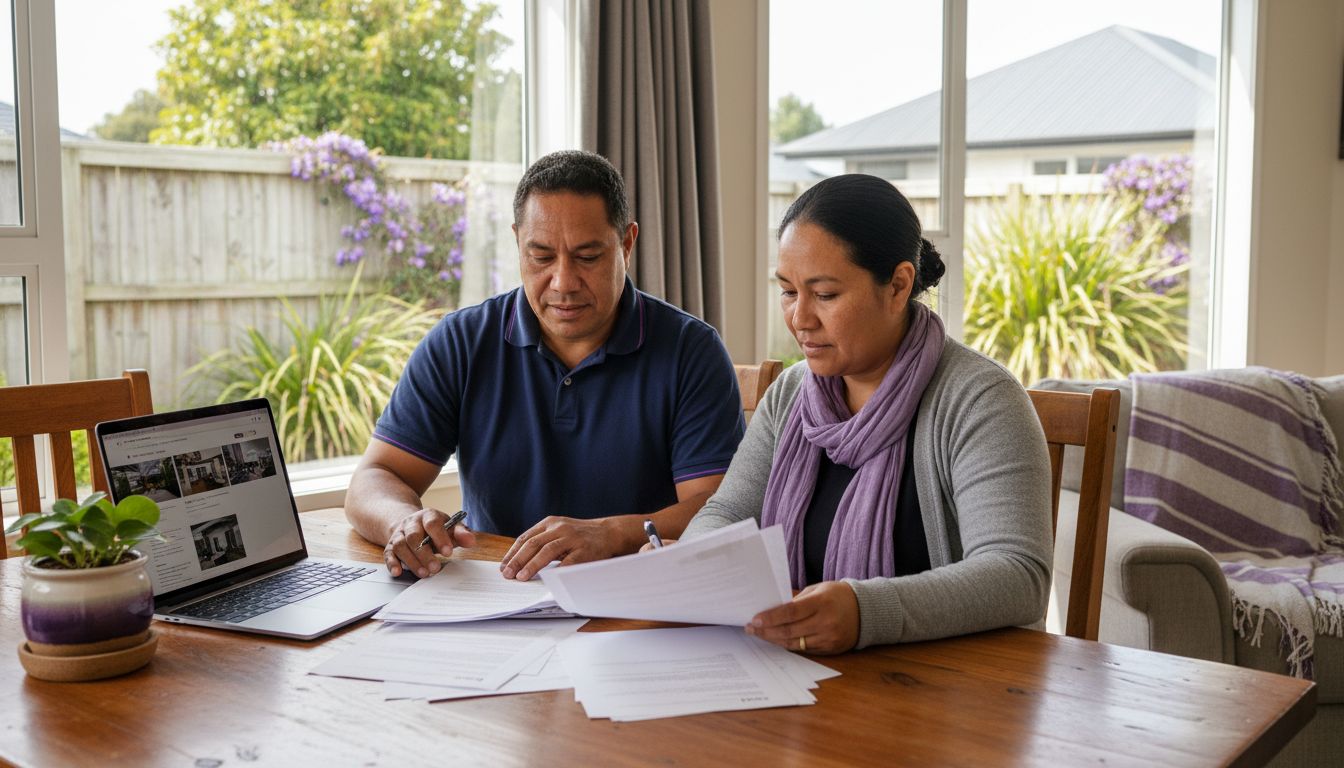
More than 20 percent of New Zealand homeowners now choose to sell their property privately, attracted by the chance to save on agent fees and control the process themselves. This path offers real rewards but also brings unique challenges most sellers underestimate. If you want a quick and smooth sale without surprises, getting every step right from your home’s first inspection through to final paperwork will make a major difference.
Table of Contents
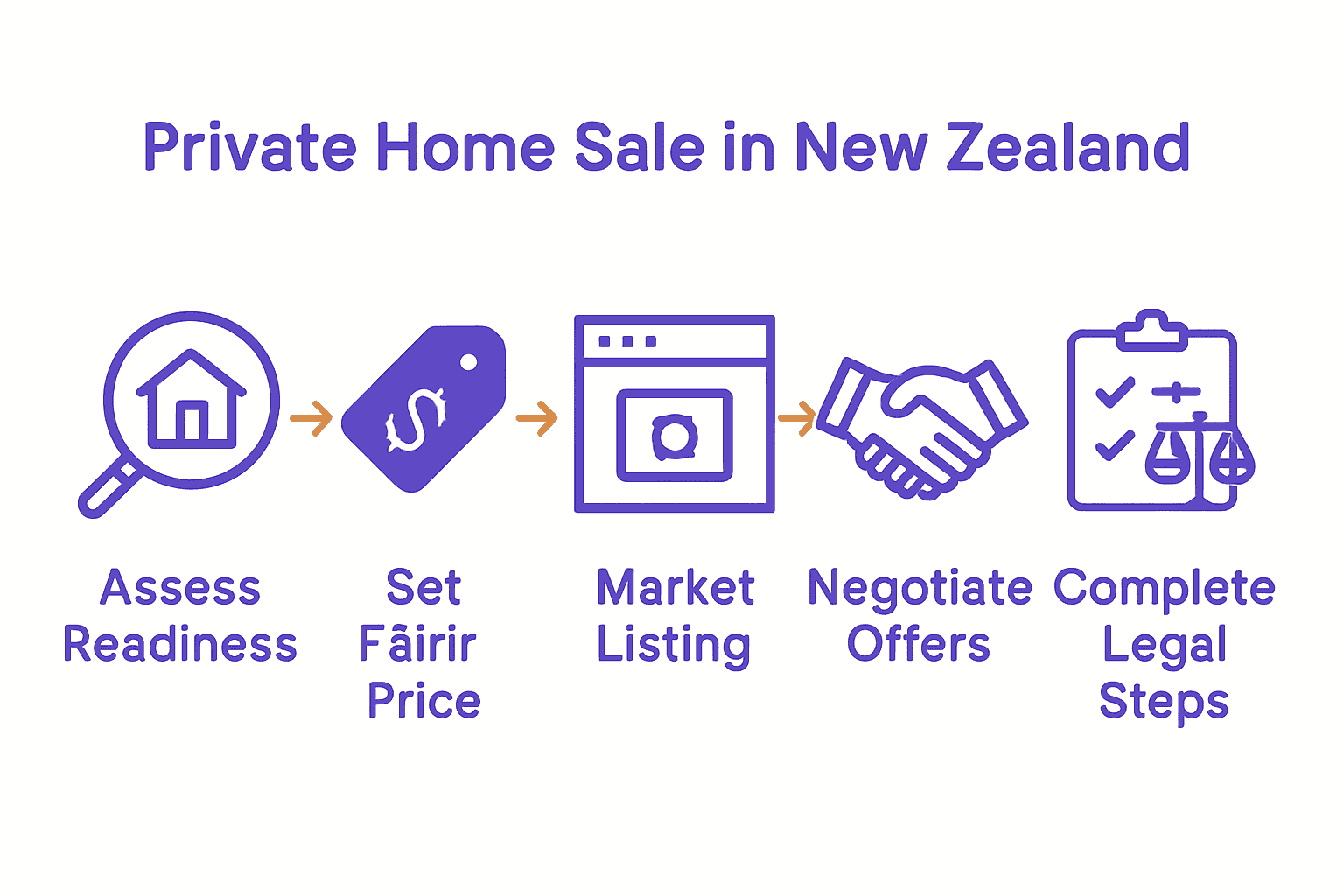
- Step 1: Assess Your Property’s Sale Readiness
- Step 2: Set A Fair Private Sale Price
- Step 3: List And Market Your House Independently
- Step 4: Negotiate And Evaluate Offers
- Step 5: Complete Legal And Settlement Steps
Quick Summary
| Key Point | Explanation |
|---|---|
| 1. Assess property sale readiness | Conduct a comprehensive inspection to identify repairs and improvements needed for a successful sale. |
| 2. Set a fair private sale price | Research comparable properties and obtain multiple valuations to establish an accurate and competitive price. |
| 3. Create an attractive online listing | Use high-quality photos and detailed descriptions to market your property effectively across various platforms. |
| 4. Evaluate and negotiate offers carefully | Assess offers based on price and conditions, negotiating respectfully to achieve a beneficial agreement. |
| 5. Complete legal requirements diligently | Work with a property lawyer to ensure all legal documents are accurate and settlement procedures are followed. |
Step 1: Assess your property’s sale readiness
Selling your house privately requires a strategic first step: thoroughly assessing your property’s market readiness and potential sale value. This critical evaluation will help you understand exactly what you’re bringing to the property market and how to position your home for a quick successful sale.
Start by conducting a comprehensive visual inspection of your property. Walk through each room and external area with a critical eye toward potential buyer perspectives. Look for obvious maintenance issues like peeling paint, damaged flooring, outdated fixtures, or signs of wear and tear. Take clear photographs documenting the current condition which will help you understand necessary repairs and improvements. Consider hiring a professional property inspector who can provide an objective assessment of your home’s structural integrity and identify any hidden problems that might impact your sale price.
Your property’s market value depends on multiple factors beyond physical condition. Research recent sales of comparable properties in your neighborhood using online real estate platforms or local property sale guides. Pay attention to square meterage, number of bedrooms, overall property condition, and recent sale prices. This comparative analysis will help you set a realistic and competitive price point. Pro tip: properties that are well presented and competitively priced tend to sell faster in the New Zealand market.
Finally, gather all relevant documentation including property titles, building consents, rates information, and any recent renovation records. Having these documents prepared in advance streamlines the selling process and demonstrates transparency to potential buyers. By thoroughly assessing your property’s readiness, you’re setting the foundation for a smooth and successful private sale.
Step 2: Set a fair private sale price
Pricing your property correctly is arguably the most critical step in selling your house privately. MoneyHub NZ emphasizes that a strategic pricing approach can make the difference between a swift sale and a property languishing on the market.
To establish a fair market price, you will need to conduct comprehensive research. Start by analyzing recent sales of comparable properties in your specific neighborhood and suburb. Look for homes with similar characteristics such as square meterage, number of bedrooms, overall condition, and proximity to amenities. Settled.govt.nz recommends obtaining at least three independent property valuations to ensure accuracy. Online tools and local property databases can provide valuable insights, but consider supplementing these with professional appraisals to get a nuanced understanding of your property’s true market value.
When setting your price, build in a small negotiation buffer without overpricing. A price that is 5-10% flexible can attract serious buyers while giving you room to maneuver during negotiations. Be realistic about your property’s condition and any unique features that might increase or decrease its value. Properties priced competitively tend to sell faster in the New Zealand market. Remember that an overpriced home can deter potential buyers, while an appropriately priced property generates genuine interest and increases your chances of a successful private sale.

Step 3: List and market your house independently
Marketing your property effectively is crucial when selling your house privately. MoneyHub NZ highlights the importance of creating a comprehensive and attractive listing that will capture potential buyers attention and generate genuine interest in your property.
Start by preparing high-quality professional photographs that showcase your home in the best possible light. Invest in a good camera or hire a professional photographer who understands how to highlight your properties strengths. Take shots from multiple angles including exterior views, key living spaces, and unique features. Create a compelling online listing across multiple platforms such as Trade Me Property, realestate.co.nz, and specialized property websites. Write a detailed description that includes essential information like square meterage, number of bedrooms, recent renovations, and key selling points.
To maximize your marketing reach, consider additional strategies beyond online listings. Host well organized open homes at strategic times that accommodate potential buyers schedules. Prepare marketing materials like printed property information sheets that visitors can take away. How to Sell Without an Agent suggests creating a virtual tour or video walkthrough which can attract buyers who might not be able to attend physical viewings. Remember that effective marketing is about presenting your property transparently and attractively while providing all the information potential buyers need to make an informed decision.
Step 4: Negotiate and evaluate offers
Negotiating a private house sale requires strategic thinking and emotional intelligence. Settled.govt.nz emphasizes the critical importance of understanding buyer motivations and maintaining clear communication throughout the negotiation process.
Carefully evaluate each offer by looking beyond just the price. Consider factors such as settlement timeline, deposit amount, unconditional versus conditional offers, and the buyers financial preparedness. MoneyHub NZ recommends creating a structured comparison sheet to objectively assess each proposal. Pay close attention to conditions like building inspections or finance clauses that could potentially derail your sale. Be prepared to negotiate respectfully but firmly demonstrate your propertys value through evidence such as recent comparable sales or unique features.
While negotiating, maintain a professional and calm demeanor. Understand your absolute minimum acceptable price and be willing to walk away if an offer does not meet your core requirements. Keep communications transparent and prompt and consider having a legal professional review any final sale and purchase agreement to protect your interests. Remember that successful negotiation is about finding a mutually beneficial outcome where both parties feel satisfied with the transaction.
Step 5: Complete legal and settlement steps
The final stage of selling your house privately involves navigating complex legal and settlement procedures with precision and care. Government.nz strongly recommends engaging a qualified property lawyer or conveyancer to ensure all legal requirements are meticulously managed during this critical phase of your property transaction.
Prepare a comprehensive documentation package that includes your property title, building consents, rates information, and any relevant property boundary or renovation records. Settled.govt.nz highlights the importance of transparency in providing accurate property information to potential buyers. Work closely with your legal representative to draft a comprehensive sale and purchase agreement that protects your interests while meeting all legal obligations. This document should clearly outline settlement date, deposit requirements, conditions precedent, and any specific agreements between you and the buyer.
During settlement, ensure all financial and legal transfers are completed correctly. This includes confirming that mortgage discharges are processed, any outstanding rates or fees are settled, and property ownership is officially transferred. Be prepared to attend the settlement meeting or have your legal representative represent you. Keep all communication channels open and responsive to address any last minute queries or requirements. A smooth settlement process requires careful preparation proactive communication and meticulous attention to legal details.
Simplify Your Private House Sale with easySale.co.nz
Selling your home privately can feel overwhelming when facing the challenges of pricing, marketing, or managing negotiations as highlighted in the guide “How to Sell House Privately: Fast, Simple NZ Guide”. You want a fast and fair outcome but worry about the time and stress involved in preparing your property, setting a competitive price, and navigating legal steps. If you are seeking a smoother, quicker way to move forward, easySale.co.nz offers a trustworthy alternative.
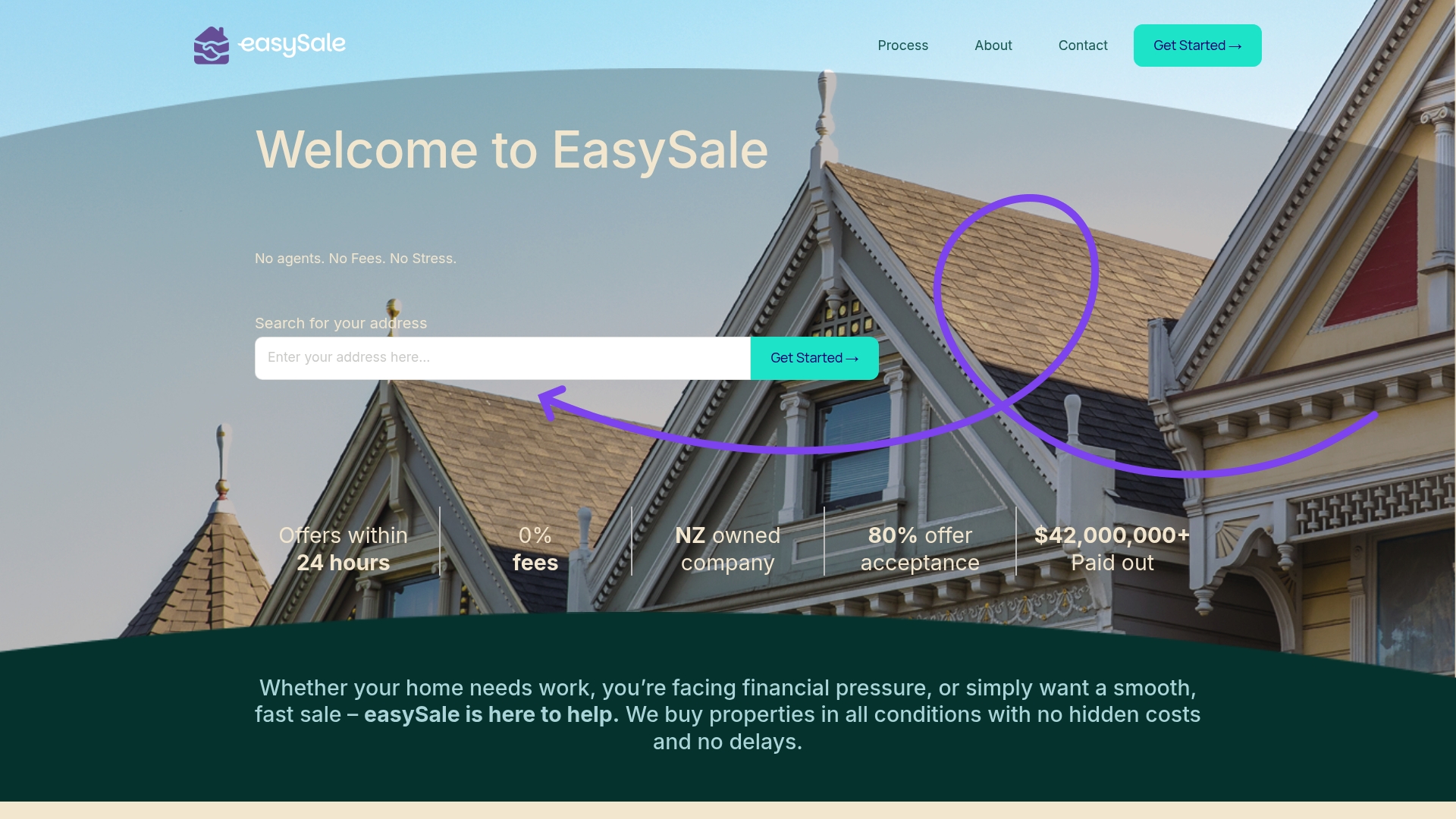
By using easySale.co.nz, you can skip the hassle of listing, open homes, and lengthy negotiations and receive a fast cash offer regardless of your property’s condition. This service is designed to remove uncertainty and pressure while giving you control over your settlement timeline. If you value a transparent, commission-free process that respects your individual situation, take the next step today by submitting your details at easySale.co.nz and experience a straightforward sale experience that aligns perfectly with your goals.
Frequently Asked Questions
How do I assess my property’s readiness for a private sale?
To assess your property’s readiness, conduct a thorough visual inspection and document any maintenance issues. Take high-quality photos and consider hiring a professional inspector to identify any hidden problems that could affect your sale price.
What is the best way to set a private sale price for my house?
To set a fair private sale price, research recent sales of similar properties in your area and consider obtaining multiple independent valuations. Factor in a slight negotiation buffer of about 5-10% to attract serious buyers while leaving room for discussions.
How can I effectively market my house for a private sale?
You can effectively market your house by creating a detailed online listing with high-quality photographs and a compelling description highlighting its features. Utilize multiple property platforms and consider hosting open homes or virtual tours to reach a wider audience.
What should I consider when evaluating offers for my private sale?
When evaluating offers, consider not just the price, but also the settlement timeline, deposit amounts, and any conditions attached to the offer. Create a comparison sheet to objectively assess each proposal and stay prepared for respectful negotiation with potential buyers.
What legal steps do I need to take to complete my private house sale?
To complete your private house sale, engage a qualified lawyer or conveyancer to help draft a comprehensive sale agreement. Ensure all necessary documentation is prepared and financial transfers are handled correctly during the settlement process.
Recommended
