
Keep the Commission: Lawyer Checked Private Home Sale in New Zealand

Yes, you can sell your house yourself in New Zealand, and doing so can save you the commission a real estate agent would otherwise charge. Before you list, you need a lawyer or conveyancer on board, your key documents in order and a plan for handling viewings, offers and buyer questions. Skip that groundwork and you risk expensive mistakes once an offer lands on the table.
TL;DR:Sellers must have a lawyer or conveyancer involved from the start to avoid costly legal mistakes during the sale process.Pricing should be grounded in recent comparable sales and backed by a valuation or broker’s opinion to prevent underselling or scaring buyers off.Honest disclosure of known property issues, including past defects or unpermitted modifications, is legally necessary and helps limit future claims.High-quality photos, clear descriptions, and structured open homes significantly reduce market time compared to DIY, low-effort listings.For sellers needing quick settlement or with properties requiring repairs, cash buyer services offer a fast, no-commission alternative.
EasysaleSell Your Property With Less HassleeasySale helps New Zealand homeowners receive a fast, fair cash offer without agents or commission fees, whatever the property’s condition.Request a cash offer
Table of Contents
- Step-by-step selling workflow: prepare, price, list, show and settle
- Contracts, deposits and closing the sale
- Disclosure, legal risks and how to limit post-sale claims
- Marketing, photos and showings that make a private sale work
- Handling offers, conditions and negotiating
- A publisher’s view on the cash-buyer alternative
- What most DIY sellers get wrong
- A straightforward alternative: request a fast cash offer from easySale
- Authoritative government and consumer pages to consult
- Sources
- FAQ
Step-by-step selling workflow: prepare, price, list, show and settle
Selling privately follows the same broad path an agent would take you through, minus the middleman. The difference is that every task below now sits with you.
Start with preparation. Tidy the property, handle minor repairs that could put buyers off, and put together a chattels list so there’s no confusion later about what stays and what goes. Pull together your certificate of title and any council or land information you already hold. These documents are things a lawyer will ask for anyway, so gathering them early saves time once an offer comes in.

Pricing comes next, and it’s where many private sellers either undersell or scare buyers off. Look at recent sales of comparable homes in your area, and consider getting a registered valuation or a broker’s price opinion so your number is grounded in evidence rather than hope. You’ll also need to decide how you’re selling: by negotiation, by tender or by auction, each of which suits different property types and market conditions.
Once pricing is settled, list the property following a home selling process to guide you step-by-step. Trade Me is the main portal most Kiwi sellers use, alongside other property websites that accept private listings. Write a clear, honest description covering land size, bedrooms, carparks and any standout features, and be upfront about the property’s condition rather than glossing over issues a buyer will spot anyway.
Showings need structure. Run organised open homes rather than ad hoc visits, and keep a visitor log for every person who walks through, both for safety and so you can follow up efficiently. Ask serious buyers for identification when you meet them one on one.
- Prepare the property and gather title, council and chattels documentation.
- Research comparable sales and choose a pricing method with a valuation to back it up.
- List on Trade Me and other property portals with a clear, factual description.
- Run scheduled open homes with a visitor log and ID checks for serious buyers.
- Document every offer in writing and set tight response timelines when multiple buyers are interested.
When offers start coming in, put everything in writing. A verbal offer means nothing until it’s documented, and if you’ve got more than one interested buyer, setting a clear deadline for offers helps you manage competing interest without dragging the process out.
- Keep a written record of every offer, including price, conditions and expiry date.
- Ask buyers for proof of finance approval before you take an offer seriously.
- Never let a verbal agreement substitute for a signed document.
Contracts, deposits and closing the sale
The sale and purchase agreement is the legally binding document at the centre of the transaction, and it should be prepared or reviewed by your lawyer or conveyancer before anyone signs it. Working with a lawyer or conveyancer is a step Consumer Protection recommends taking before you even start marketing, not after an offer arrives.
Deposits are typically a significant percentage of the purchase price, and your lawyer or conveyancer usually holds these funds in a trust account rather than you receiving them directly. Most agreements include conditions such as finance approval, a Land Information Memorandum (LIM) or a building report, and the sale only becomes unconditional once every condition has been satisfied or waived, a process Settled sets out clearly for sellers.
- Verify buyer identification before accepting a written offer.
- Have your title documents and chattels list ready for your lawyer.
- Keep the property insured right up until settlement, not just until the agreement is signed.
Pro Tip: Ask your lawyer to confirm the deposit has actually landed in a trust account before you treat the sale as secure.
Disclosure, legal risks and how to limit post-sale claims
Honesty about your property’s condition isn’t optional. Selling privately means disclosing anything a buyer would reasonably want to know, including weather-tightness or leaky building history, boundary disputes, unconsented alterations and any planned developments nearby that could affect value.
Failing to disclose known issues can lead to contract cancellation or a compensation claim, according to Consumer Protection’s guidance for buyers, which sets out what sellers are expected to reveal before a sale proceeds. That risk sits entirely with you when there’s no agent acting as a buffer.
- List every known defect, past repair and consent issue before marketing starts.
- Keep written records of any conversations with buyers about the property’s condition.
- Ask your lawyer about wording that limits your liability without hiding relevant facts.
Marketing, photos and showings that make a private sale work
A private listing lives or dies on how it presents. Your headline should be concise, your price indication realistic, and your description should cover land area, bedrooms and carparks alongside anything that makes the home stand out.
Photos matter more than most sellers expect. Declutter every room, shoot in natural light where possible, and include a floorplan so buyers can picture the layout before they book a viewing. If your phone photos aren’t cutting it, a professional photographer is a worthwhile spend for a listing that’s otherwise unpaid.
- Write a clear headline with an honest price range, not a vague guide.
- Declutter, use natural light and add a floorplan to your photo set.
- Follow up every serious enquiry within a day, not a week.
Pro Tip: Good photos and accurate listing facts consistently shorten time on market compared with rushed, low-quality DIY listings, as Consumer Protection notes in its guidance for sellers.
Handling offers, conditions and negotiating
Don’t judge offers on price alone. A slightly lower unconditional offer can be worth more than a higher one loaded with finance, LIM and building report conditions that could fall through weeks later.
- Compare offers on total value and on how many conditions each buyer needs satisfied.
- Use expiry times to keep competing buyers moving instead of letting the process stall.
- Counter-offer where there’s room to negotiate price or conditions rather than accepting the first number.
- Get your lawyer to review any offer before you sign anything that makes the sale binding.
Once you sign, you’re committed subject to the conditions listed, so that legal review needs to happen before pen touches paper, not after.
A publisher’s view on the cash-buyer alternative
Not every seller wants the DIY path. A cash buyer service runs in three steps: submit your property details, receive a no-obligation cash offer, and settle on a timeline that suits you. It tends to suit sellers facing tight deadlines, properties needing repairs they can’t fund, or estate and separation sales where speed and certainty outweigh chasing the highest possible price.
What most DIY sellers get wrong

The mistakes I see most often aren’t about marketing, they’re about paperwork. Sellers skip proper contract review, under-disclose known defects, or spend nothing on presentation and wonder why buyers walk past.
My checklist before listing: lawyer engaged, sale and purchase agreement drafted, photos and listing live, and a viewing schedule with proper record-keeping in place.
— Aaron
A straightforward alternative: request a fast cash offer from easySale
If the paperwork, disclosure obligations and open home logistics above feel like more than you want to take on, there’s another route. Some cash buyer services buy properties in any condition, with no agent fees or commission, and settle on a timeline you choose rather than one dictated by a buyer’s finance approval.
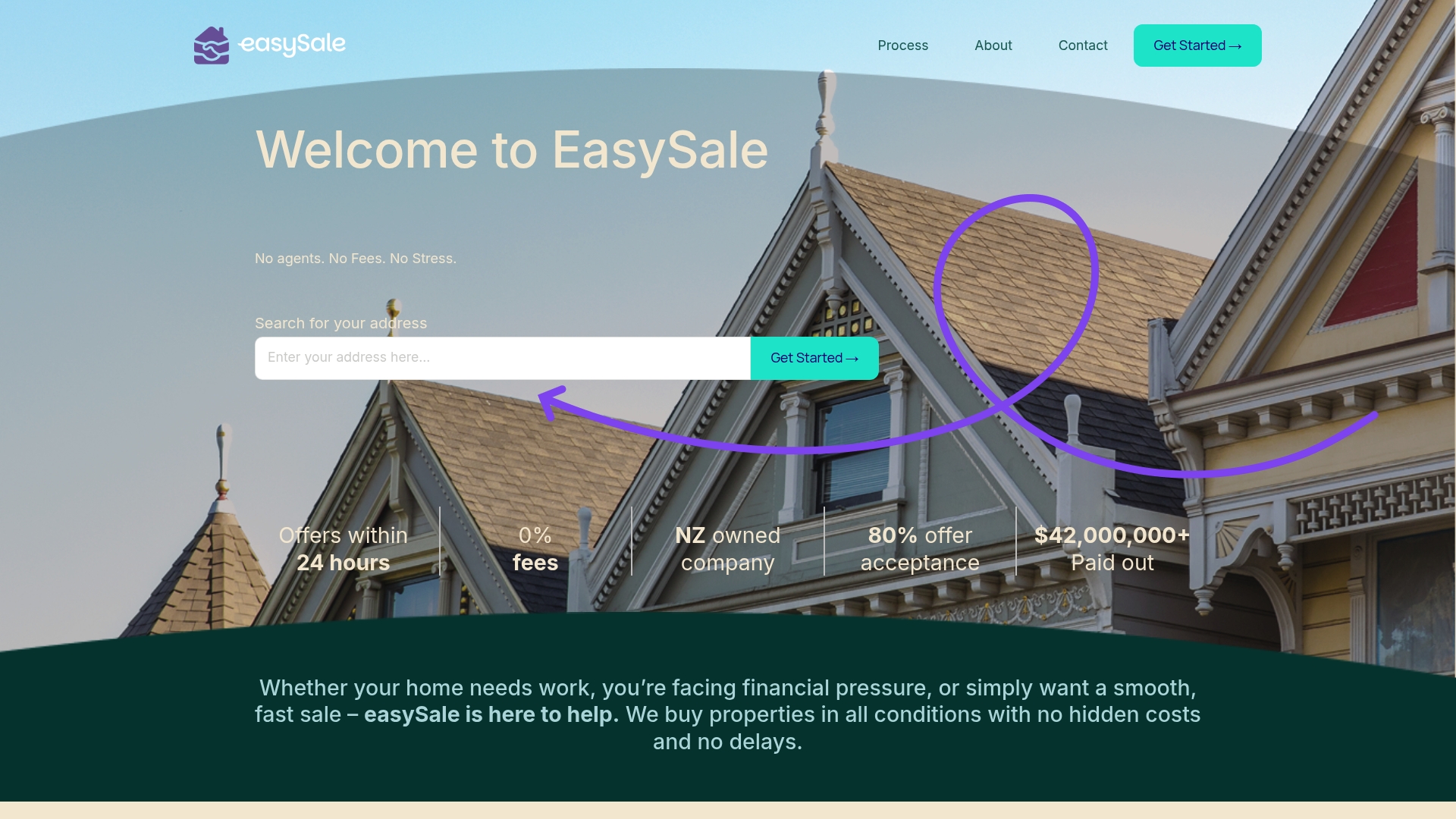
This suits sellers who need speed, families managing an estate sale, or anyone whose property needs repairs they’d rather not fund before listing. This option may not suit everyone, particularly if maximising sale price matters more than certainty and pace.
- Cash offers for properties in any condition.
- No agent fees, no commission, and no repairs required before settlement.
- Flexible settlement dates that can be set around the seller’s circumstances.
Head to the Direct Private Sale FAQ or the main easySale page to see if it fits your situation.
Authoritative government and consumer pages to consult
- Settled for private-sale checklists and process guidance.
- Consumer Protection on lawyers, conveyancers and offer handling.
- REA guidance on sale and purchase agreements.
Sources
FAQ
What is the best way to sell my house by myself?
The best approach combines careful preparation, an accurate price based on recent local sales, clear marketing with honest disclosure, and a lawyer or conveyancer engaged from the start. Settled.govt.nz frames private selling as viable but complex, and recommends professional legal support throughout.
What is the hardest month to sell a home?
There’s no single month that applies universally across New Zealand’s different regions and property types, since local demand shifts with weather, school terms and buyer activity. Check recent sales data for your specific area rather than relying on a general rule.
Can I sell my house myself in Australia?
This guide covers the process for selling a house yourself in New Zealand, where government resources like Settled.govt.nz and the Real Estate Authority provide the relevant guidance. Rules and required documents differ between countries, so sellers outside New Zealand should consult their own local guidance.
How do I sell my own property in Queensland?
This article focuses on the New Zealand private sale process, so Queensland-specific rules aren’t covered here. New Zealand sellers should refer to Settled.govt.nz and Consumer Protection for the equivalent local requirements.
Recommended
