
How to Sell Without Agent in NZ: A Fast, Stress-Free Guide
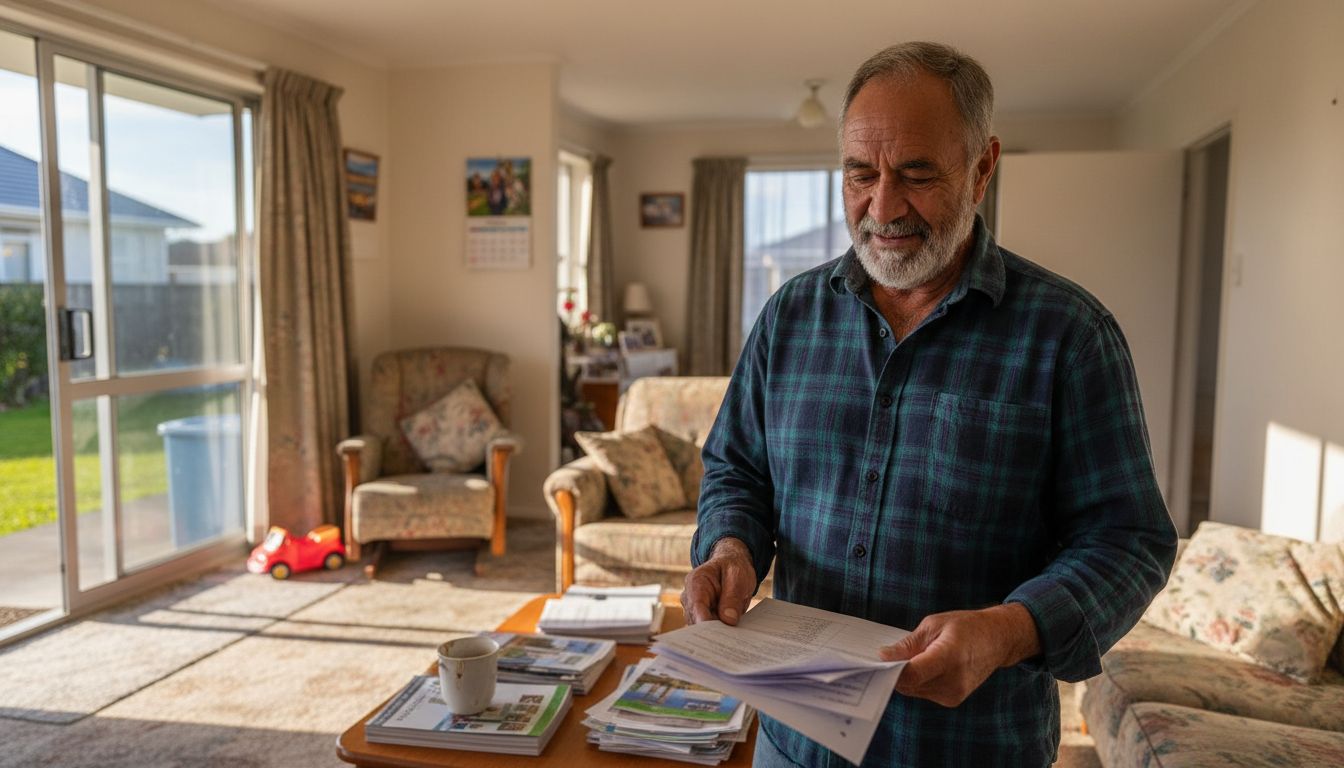
Most australian homeowners are surprised to learn that nearly half of private property sales succeed without a real estate agent. Taking control of your sale can lead to significant savings and a more hands-on experience, but it also brings new challenges at every stage of the process. This guide breaks down the essential steps that australian sellers need to understand to navigate private sales confidently from assessment through to settlement.
Table of Contents
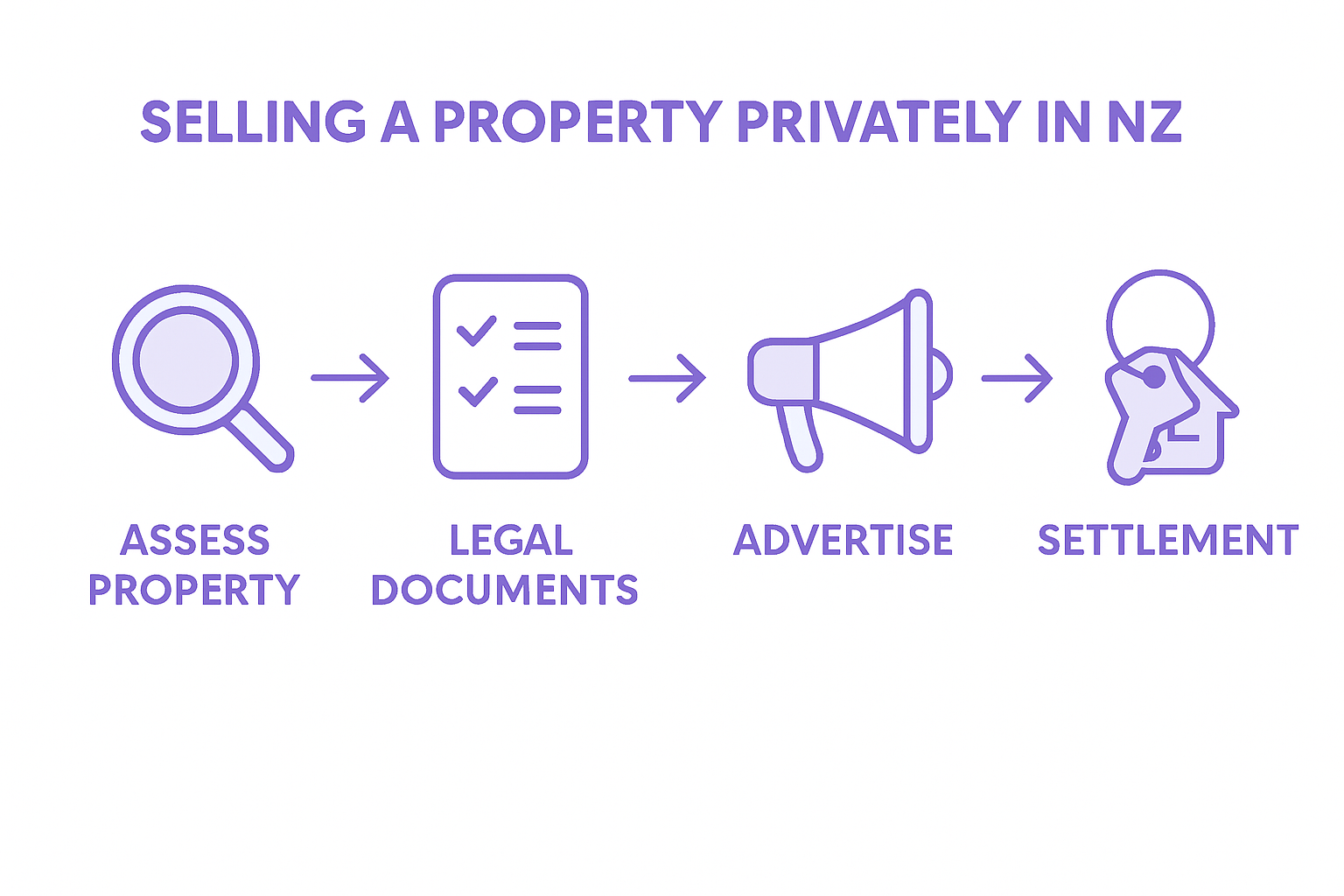
- Stage 1: Assess Your Property and Situation
- Stage 2: Prepare Essential Legal Documents
- Stage 3: Advertise Directly to Cash Buyers
- Stage 4: Review and Accept a Fair Offer
- Stage 5: Arrange Settlement and Finalise Sale
Quick Summary
| Key Point | Explanation |
|---|---|
| 1. Accurately assess your property’s value | Use comparable sales, rating value, or professional appraisals to determine a realistic market value for your property. |
| 2. Prepare essential legal documentation | Gather a Land Information Memorandum, title deeds, lease agreements, and a sale and purchase agreement to protect your interests. |
| 3. Advertise strategically to cash buyers | Create compelling listings with professional photos and descriptions; promote through online platforms and local channels to maximise visibility. |
| 4. Review offers carefully | Assess terms beyond price, including settlement timelines and buyer readiness; consult with a legal professional to ensure favourable conditions. |
| 5. Organise settlement documentation thoroughly | Work with your legal representative to manage title transfers and financial matters, and prepare a checklist for a smooth property transfer. |
Stage 1: Assess Your Property and Situation
Selling your property without an agent begins with a clear understanding of your current property condition and market position. Your first critical task is conducting a comprehensive assessment that will guide your entire selling strategy.
Start by determining your property’s realistic market value using established methods. Property valuation can be approached through multiple strategies including comparing recent sales of similar properties in your neighbourhood, understanding your property’s rating value, and potentially obtaining a professional market appraisal. Accurate pricing is essential to attract genuine buyers and ensure a swift transaction.
Property assessment goes beyond just financial value. Evaluate your property’s physical condition honestly. Walk through each room and exterior area with a critical eye identify any repairs or cosmetic improvements that might impact your sale price. Minor investments in touch ups or basic maintenance can significantly increase your property’s appeal and potentially raise your asking price. Consider getting a pre sale building inspection to provide transparency and confidence to potential buyers.
Quick tip: Properties in well maintained condition typically sell faster and at better prices. Your goal is presenting a property that looks cared for and move in ready.
Stage 2: Prepare Essential Legal Documents
Private property sales require meticulous legal preparation to protect your interests and ensure a smooth transaction. Your goal in this stage is to gather and organise all necessary documentation that will facilitate a transparent and legally sound property sale.
Preparing essential legal documents involves several critical steps. You will need to obtain a comprehensive Land Information Memorandum (LIM) report, which provides detailed insights into your property’s history, potential council issues, and regulatory considerations. Engaging a property lawyer or conveyancer early in the process is crucial to ensure all legal requirements are meticulously fulfilled and your interests are safeguarded.
Your documentation package should include your property’s current title deeds, any existing lease agreements, and a professionally drafted sale and purchase agreement. These documents serve as legal protection for both you and the potential buyer. Ensure all paperwork is current, accurate, and reflects the true condition and status of your property. A comprehensive and transparent document set not only expedites the sale process but also builds trust with potential buyers.
Quick tip: Consider having a lawyer review your documents before finalising to catch any potential legal oversights and ensure complete compliance with New Zealand property sale regulations.
Stage 3: Advertise Directly to Cash Buyers
Successfully selling your property privately requires strategic advertising that targets cash buyers efficiently and effectively. Your primary goal is to create compelling property listings that capture attention and attract serious buyers ready to make a quick purchase.
Advertising strategies for private property sales involve leveraging multiple channels to maximise your property’s visibility. Online property listing platforms provide an excellent starting point where you can showcase your property with high quality photographs, detailed descriptions, and transparent pricing. Consider utilising social media platforms, local community boards, and targeted online marketplaces to reach potential cash buyers in New Zealand.

Craft a compelling property listing that highlights your home’s unique features and potential. Include clear, professional photographs that showcase your property from multiple angles, provide accurate measurements, and outline recent improvements or renovations. Be transparent about the property’s condition, potential maintenance requirements, and any recent upgrades. Your goal is to build trust and provide comprehensive information that enables cash buyers to make informed decisions quickly.
Quick tip: Professional quality images and a well written description can significantly increase your chances of attracting serious cash buyers who are looking for a straightforward purchasing experience.
Stage 4: Review and Accept a Fair Offer
Reviewing and accepting an offer is a critical stage in your private property sale that requires careful consideration and strategic decision making. Your goal is to evaluate each proposal objectively to ensure you secure a fair and financially sound transaction.
Reviewing property offers involves more than just comparing price points. Carefully assess each offer’s terms and conditions beyond the monetary value. Consider factors such as settlement timeframes, deposit amounts, potential contingencies like building inspections, and the buyer’s financial readiness. Negotiation strategies play a crucial role in ensuring you achieve the most favourable outcome.
Consult with a property lawyer or professional conveyancer to review the offer’s legal implications before accepting. They can help identify any potential risks or unfavourable clauses that might impact your sale. Pay close attention to settlement conditions, deposit structures, and any special requirements that could complicate the transaction. A comprehensive review will help you make an informed decision that protects your financial interests and ensures a smooth property transfer.
Quick tip: Trust your instincts but rely on professional advice. An offer that looks good on paper might have hidden complexities best understood by legal professionals.
Stage 5: Arrange Settlement and Finalise Sale
Arranging settlement and finalising your property sale represents the culmination of your private selling journey. This critical stage transforms your property transaction from an agreement into a legally binding transfer of ownership that secures your financial outcome.
Settlement preparation involves coordinating multiple complex elements to ensure a smooth property transfer. Work closely with your legal representative to manage all documentation including title transfers, outstanding rates clearances, and financial settlement details. Confirm the agreed settlement date with the buyer, ensuring all parties understand their specific obligations and timelines. Streamline your property sale process by maintaining clear communication and having all necessary paperwork prepared in advance.
Prepare a comprehensive settlement checklist that includes resolving any remaining financial obligations, confirming utility transfers, and ensuring the property is in the agreed condition for handover. This includes clearing any outstanding council rates, water bills, and confirming your current mortgage will be discharged. Your legal representative will coordinate the financial settlement typically involving the transfer of funds and property title between you and the buyer.
Quick tip: Keep all settlement documentation organised and easily accessible. Having a systematic approach reduces potential last minute complications and ensures a stress free property transfer.
Sell Without an Agent with Confidence and Speed
Navigating the challenges of a private property sale in New Zealand can be stressful with the need for accurate valuation, legal preparation, and finding trustworthy cash buyers. If you want to avoid the complexity of reviewing offers, legal documents, and arranging settlements on your own, easySale.co.nz offers a fast and hassle-free alternative. Designed for homeowners seeking a straightforward sale without agent commissions, easySale.co.nz buys properties in any condition and removes the delays linked to traditional selling methods.
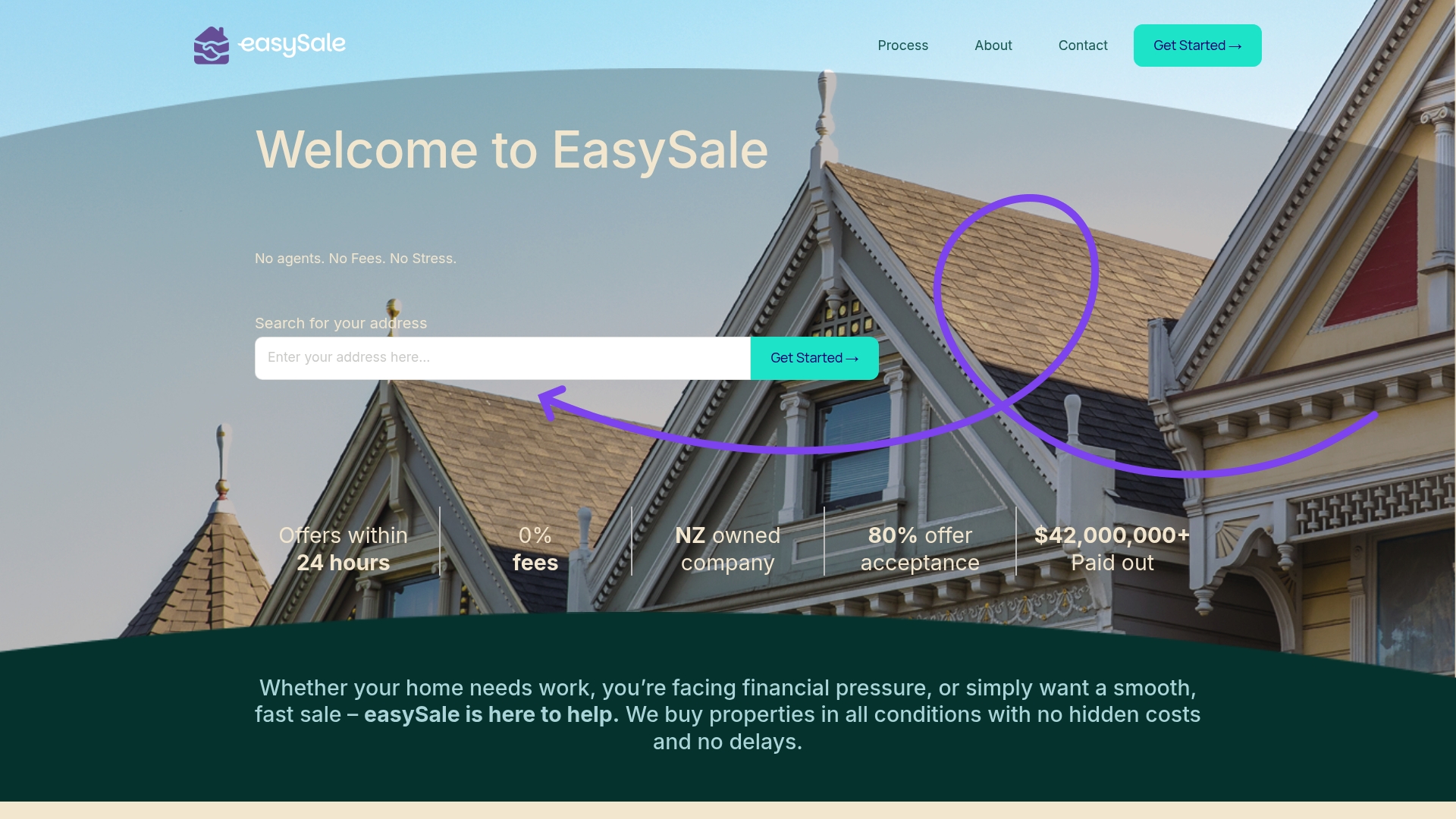
Skip the uncertainty and paperwork by submitting your details through easySale.co.nz. Receive a fair cash offer quickly with no obligation, and choose a settlement date that suits your needs. Explore how selling privately with a trusted buyer can alleviate stress related to property assessments, document preparation, and offer negotiations by visiting easySale.co.nz. Make your property sale clear, simple and stress-free today.
Frequently Asked Questions
How do I assess my property’s market value before selling without an agent?
To assess your property’s market value, start by comparing recent sales of similar properties in your area. Use online property databases or consult a professional appraiser for a more accurate valuation. This can help you set a competitive price that attracts buyers quickly.
What essential legal documents do I need for a private property sale?
For a private property sale, gather key legal documents such as a Land Information Memorandum (LIM) report, your property’s title deeds, and a written sale and purchase agreement. Ensure all documents are up-to-date and reflect the true condition of your property to protect your interests throughout the sale process.
How can I market my property effectively to cash buyers?
You can market your property to cash buyers by creating eye-catching online listings with high-quality photos and detailed descriptions. Share your listing on social media, local community boards, and property listing platforms to maximise visibility and attract serious buyers.
What factors should I consider when reviewing offers on my property?
When reviewing offers, consider the overall terms, including the proposed settlement timeframe, deposit amount, and any contingencies like building inspections. Evaluate each offer holistically to ensure you choose one that protects your financial interests and meets your selling goals.
How do I prepare for the settlement process after accepting an offer?
To prepare for the settlement process, organise and review all necessary documentation, including title transfers and financial settlements. Work closely with your legal representative to confirm the settlement date and ensure all parties understand their responsibilities, ensuring a smooth property transfer.
What quick tips can I follow to make my property more appealing to buyers?
To enhance your property’s appeal, consider minor repairs and cosmetic improvements that create a move-in-ready impression. Even small investments in touch-ups can significantly increase buyer interest and potentially raise your asking price.
Recommended
