
Industry Terms in NZ Property Sales – What Homeowners Must Know

Over 60 percent of australian buyers and sellers say property jargon makes the process confusing and stressful. When dealing with New Zealand real estate, understanding key industry terms can save you from costly errors and legal trouble. This guide unpacks the essential terminology, revealing what every australian needs to know to confidently navigate the New Zealand property market and protect their interests from start to finish.
Table of Contents
- Core Property Sale Terms in New Zealand
- Types of Property Transactions and Sale Agreements
- Legal Jargon and Compliance for Sellers
- Costs, Fees, and Their True Impacts
- Common Pitfalls When Interpreting Industry Terms
Key Takeaways
| Point | Details |
|---|---|
| Understanding Property Sale Terms is Crucial | Familiarity with terms like Sale and Purchase Agreement, Vendor, and Purchaser ensures legal protection and clear communication during transactions. |
| Types of Property Transactions are Varied | Recognising the differences between Unconditional and Conditional Sales or Auction Sales allows sellers to strategise effectively for their unique situations. |
| Legal Compliance is Essential for Sellers | Adhering to Disclosure Obligations and providing a Land Information Memorandum (LIM) can prevent legal issues and protect financial interests. |
| Financial Planning is Key | Awareness of costs, such as agent commissions and legal fees, helps sellers make informed decisions that maximise their investment outcomes. |
Core Property Sale Terms in New Zealand
Navigating property sales in New Zealand requires understanding key terminology that shapes every transaction. Whether you’re a first-time seller or experienced property investor, grasping these foundational terms can mean the difference between a smooth sale and potential legal complications. The Real Estate Authority provides crucial guidance on essential property sale vocabulary that every homeowner should comprehend.
Key property sale terms include Sale and Purchase Agreement, a legally binding contract outlining the specific conditions of a property transaction. This document details critical elements like purchase price, settlement date, and any special conditions that must be met before the sale can proceed. Another fundamental term is Vendor, which refers to the property seller, while Purchaser represents the buyer. Understanding these terms helps ensure clear communication and legal protection throughout the sale process.
Additional important terms homeowners should know include:
- Chattels: Movable items included in the property sale, such as appliances or curtains
- Conditional Agreement: A sale contract with specific conditions that must be satisfied
- Settlement Date: The official day when property ownership transfers between parties
- LIM Report: Land Information Memorandum providing comprehensive property details from the local council
Working with professional property sale guides can help demystify these complex terms and ensure you navigate your property transaction with confidence. Understanding these core concepts empowers homeowners to make informed decisions and protect their interests during the sale process.
Types of Property Transactions and Sale Agreements
Property transactions in New Zealand encompass several distinct approaches, each with unique legal implications and strategic considerations. Understanding the various sale agreement types is crucial for homeowners looking to navigate the complex real estate landscape effectively. These transactions range from standard sales to more nuanced arrangements that protect both buyer and seller interests.

The primary types of property transactions include Unconditional Sale, where the property is sold without any contingent conditions, and Conditional Sale, which allows specific prerequisites to be met before finalising the transaction. Conditional sales often include clauses related to building inspections, financing approvals, or the sale of another property. Another significant transaction type is the Auction Sale, where properties are sold through competitive bidding, providing a transparent and time-limited selling mechanism.
Key transaction variations involve different Agency Agreements that define the relationship between sellers and real estate professionals:
- Exclusive Agency Agreement: One agent has sole rights to sell the property
- Multiple Agency Agreement: Multiple agents can attempt to sell the property
- Open Listing Agreement: Seller can work with multiple agents simultaneously
- Sole Selling Rights Agreement: Agent receives commission regardless of who ultimately sells the property
Navigating these complex property sale processes requires careful consideration of individual circumstances, legal obligations, and potential financial implications. Homeowners should thoroughly understand these transaction types to make informed decisions that align with their specific selling objectives and protect their financial interests.
Legal Jargon and Compliance for Sellers
Navigating the legal landscape of property sales requires a comprehensive understanding of New Zealand’s regulatory requirements. Sellers must carefully comply with specific legal obligations that protect both parties in a property transaction. These legal responsibilities extend beyond simple financial negotiations, encompassing detailed disclosure requirements and ethical selling practices.
Key legal compliance areas for property sellers include Disclosure Obligations, which mandate full transparency about the property’s condition, known defects, and any potential issues that might affect the property’s value. Sellers are legally required to provide a comprehensive Land Information Memorandum (LIM) that details council records, potential land restrictions, and historical property information. Failure to disclose material information can result in legal challenges and potential financial penalties, making thorough documentation critical.
Essential legal considerations for sellers involve understanding various contractual elements:
- Material Defects: Mandatory disclosure of significant property issues
- Title Search: Confirming clear property ownership and resolving any encumbrances
- Zoning Compliance: Ensuring the property meets current legal and planning regulations
- Vendor Warranty: Legal assurances about the property’s condition and ownership status
Understanding these complex property sale processes helps sellers navigate potential legal pitfalls and ensure a transparent, legally compliant transaction. Professional legal advice can provide additional protection and clarity throughout the selling process.
Costs, Fees, and Their True Impacts
Understanding the financial landscape of property sales is crucial for New Zealand homeowners looking to maximise their investment. Agency agreements and their associated costs can significantly impact the overall financial outcome of a property transaction. Sellers must carefully evaluate the various expenses involved to make informed decisions about their selling strategy.
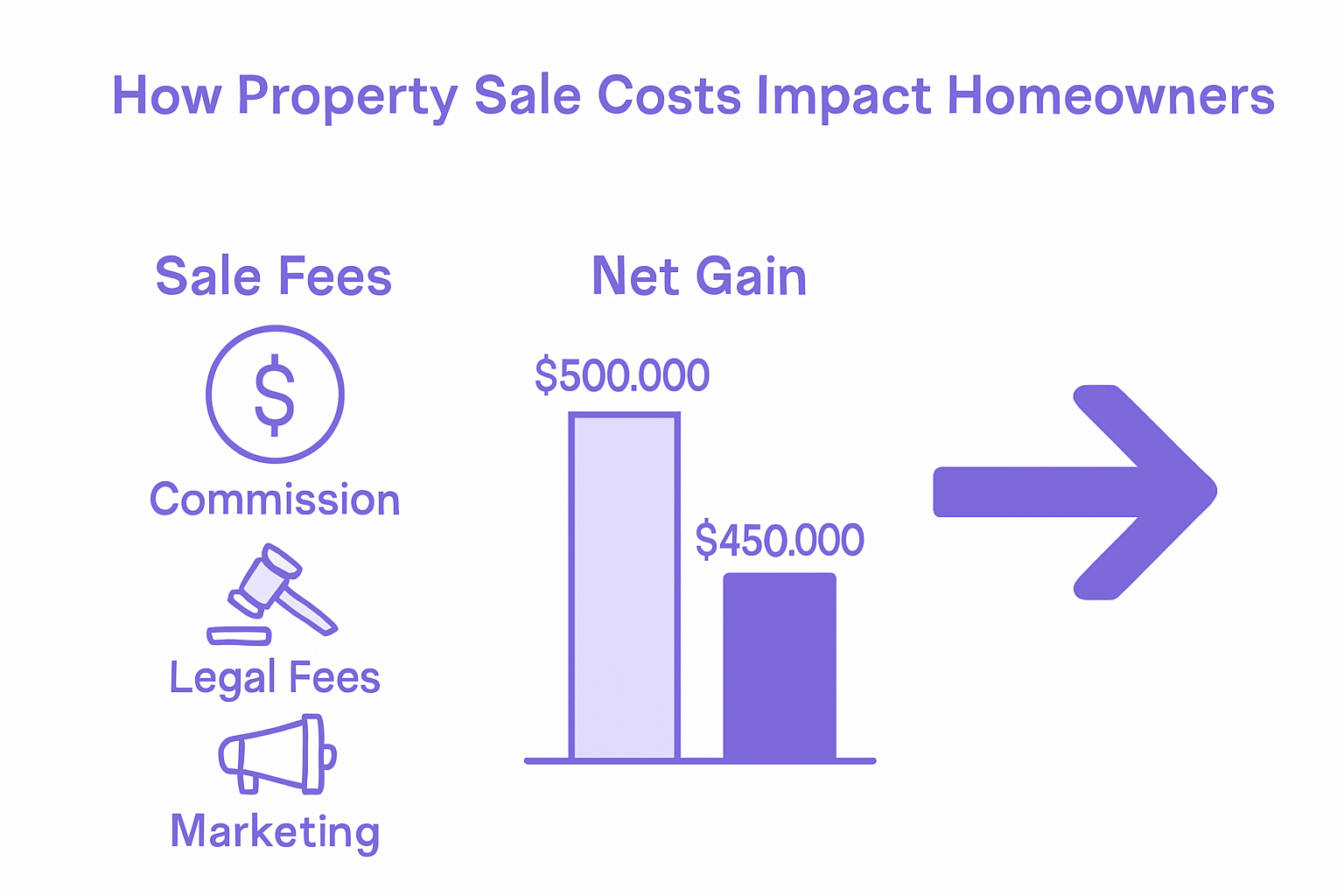
The primary costs in a property sale typically include Real Estate Agent Commissions, which can range from 3% to 4.5% of the property’s sale price, and Marketing Expenses that cover professional photography, online listings, and print advertising. Additional financial considerations include Legal Fees, typically ranging from $800 to $1,500, which cover the preparation of sale documents, title searches, and legal consultations. Sellers should also budget for potential Pre-Sale Maintenance Costs that can improve property value and marketability.
Key financial aspects sellers should consider include:
- Commission Structures: Percentage-based or fixed-rate agent fees
- Marketing Expenditure: Professional photography and advertising costs
- Legal Documentation Fees: Costs for preparing sale and transfer documents
- Potential Renovation Investments: Strategic improvements to increase property value
- Capital Gains Tax Implications: Understanding potential tax obligations
Navigating these complex property sale processes requires careful financial planning and a comprehensive understanding of potential expenses. Smart sellers approach the transaction as a holistic financial strategy, balancing upfront costs with potential long-term gains.
Common Pitfalls When Interpreting Industry Terms
Property sales terminology can be complex, with subtle nuances that often lead to significant misunderstandings. Homeowners must carefully navigate the intricate language of real estate transactions to avoid costly mistakes. Many sellers unintentionally misinterpret critical terms that can dramatically impact their property sale strategy and financial outcomes.
One of the most common misinterpretations involves Conditional vs Unconditional Offers. Many sellers mistakenly believe these terms are interchangeable, when in fact they represent fundamentally different contractual scenarios. A Conditional Offer includes specific prerequisites that must be met, such as building inspections or financing approvals, while an Unconditional Offer commits to the sale without additional requirements. Another frequent source of confusion occurs with terms like Chattels and Fixtures, which distinguish between removable and permanent property items.
Key terminology pitfalls that sellers must understand include:
- Material Defects: Often misunderstood as minor issues rather than significant property problems
- LIM Report: Frequently underestimated in its comprehensive nature and legal implications
- Settlement Date: Commonly confused with the contract signing date
- Vendor Warranties: Misinterpreted as absolute guarantees rather than specific legal representations
- Agency Agreements: Frequently misunderstood in terms of commission and exclusivity
Understanding these complex property sale processes requires careful attention to linguistic nuances. Professional guidance can help sellers interpret industry terminology accurately, preventing potential legal and financial complications.
Simplify Your Property Sale by Understanding Key NZ Industry Terms
Navigating the complex terminology of New Zealand property sales can be overwhelming and stressful. From understanding conditional versus unconditional offers to deciphering agency agreements and legal obligations, many homeowners struggle to make confident decisions. If you want to avoid costly misunderstandings and speed up your sale without dealing with confusing jargon, there is a straightforward alternative.
At easySale.co.nz, we specialise in helping New Zealand homeowners sell their properties quickly and with minimal hassle, bypassing traditional agency fees and complex sales processes. Whether you are facing financial pressures, property damage, or urgent life changes, our fast cash offer service removes the uncertainty around terms like settlement dates and vendor warranties by providing a transparent, no-obligation solution. Learn how we make selling easy by exploring our property sale process explained and discover why many choose our straightforward cash offer over conventional sales.
Take control of your property sale today by visiting easySale.co.nz and start your stress-free journey with a simple three-step process. Act now to avoid delays caused by complicated legal and industry language and receive a fair offer on your terms.
Frequently Asked Questions
What is a Sale and Purchase Agreement in New Zealand property sales?
A Sale and Purchase Agreement is a legally binding contract that outlines the specific conditions of a property transaction, including the purchase price, settlement date, and any special conditions that must be met for the sale to proceed.
What are chattels in property sales?
Chattels refer to movable items that are included in the property sale, such as appliances, curtains, or furniture. It is essential to clarify what chattels are included in the sale to avoid misunderstandings.
What are the common types of property transactions in New Zealand?
Common types of property transactions include Unconditional Sales, where the property is sold without any contingencies, Conditional Sales that depend on meeting specific requirements, and Auction Sales that involve competitive bidding among buyers.
What are the key legal obligations for sellers in a property transaction?
Key legal obligations for sellers include disclosure obligations, which require full transparency about the property’s condition and any known defects, as well as providing a Land Information Memorandum (LIM) that contains comprehensive property details from the local council.
Recommended
