
Property Sale Without Commission – How It Works in NZ

More than half of australian property owners exploring New Zealand’s market are surprised to learn that selling without an agent can mean saving tens of thousands in commission fees. This direct approach is becoming popular with sellers who value control and transparency. Understanding what it takes to manage your own property sale helps you tap into significant financial advantages, all while navigating the legal and marketing steps with confidence.
Table of Contents
- Property Sale Without Commission Defined
- Key Steps In A No-Commission Process
- Legal And Compliance Duties For Sellers
- Financial Implications And Avoiding Pitfalls
- Comparing Commission-Free To Traditional Sales
Key Takeaways
| Point | Details |
|---|---|
| Commission-Free Sales | Homeowners in New Zealand can save 3-4% in agent commissions by selling their properties independently. |
| Comprehensive Preparation Required | Sellers must invest time in property valuation, marketing, and legal obligations to ensure a successful sale. |
| Legal Obligations | It is essential for sellers to understand their legal responsibilities to avoid complications during the transaction. |
| Market Understanding Vital | Accurate property pricing and effective marketing strategies are crucial for independent sales success. |
Property Sale Without Commission Defined
A property sale without commission in New Zealand represents a direct transaction approach where homeowners sell their property independently, eliminating the traditional real estate agent intermediary and associated fees. Private property sales enable sellers to manage their entire sales process autonomously, from marketing to final negotiations, without paying substantial commission charges.
In the New Zealand property market, this sales method involves the seller taking complete responsibility for marketing, property valuation, buyer communication, contract preparation, and legal documentation. Unlike traditional sales involving real estate agents, property owners handle every aspect of the transaction themselves, which requires significant time, knowledge, and strategic planning. Sellers managing their own sales process must be prepared to invest considerable effort in understanding legal requirements, property valuation, and effective marketing strategies.
The primary advantages of a commission-free property sale include substantial cost savings and greater control over the transaction. Typical real estate agent commissions in New Zealand range between 3-4% of the property’s sale price, which can represent tens of thousands of dollars in potential savings. However, sellers must carefully weigh these financial benefits against the complexities of managing a property sale independently, including:
- Accurate property pricing without professional market insights
- Creating compelling marketing materials
- Conducting property viewings
- Negotiating directly with potential buyers
- Managing legal documentation and settlement processes
Successful commission-free sales require thorough preparation, market understanding, and a proactive approach to property transactions.
Key Steps in a No-Commission Process
Navigating a no-commission property sale in New Zealand requires a strategic and comprehensive approach. Property sellers must systematically prepare for each stage of the transaction, understanding that success depends on meticulous planning and execution. The process demands significant personal investment, but can result in substantial financial savings by eliminating traditional real estate agent fees.
The initial phase involves comprehensive property preparation and accurate market positioning. Sellers must conduct thorough research to determine a competitive and realistic pricing strategy, which requires analysing recent comparable sales in their local area. Successful independent property transactions demand sellers understand market dynamics, property valuation techniques, and effective marketing approaches that attract potential buyers without professional agent assistance.
Key steps in a successful no-commission property sale include:
- Property Valuation and Pricing
- Research local market trends
- Analyse recent comparable sales
- Consider professional property appraisal
- Set a competitive and realistic price
- Comprehensive Marketing
- Create high-quality property listings
- Utilise online property platforms
- Develop professional marketing materials
- Use social media and targeted advertising
- Property Presentation
- Deep clean and declutter
- Complete minor repairs
- Stage property for optimal presentation
- Prepare professional photography
- Buyer Engagement
- Conduct professional property viewings
- Prepare detailed property information
- Develop strong negotiation skills
- Maintain transparent communication
- Legal and Documentation Preparation
- Draft comprehensive sale agreement
- Understand legal requirements
- Consider professional legal consultation
- Prepare all necessary documentation
Successful no-commission property sales require dedication, market knowledge, and a proactive approach to managing the entire sales process independently.
Legal and Compliance Duties for Sellers
Selling a property without a real estate agent in New Zealand requires sellers to meticulously understand and fulfil their legal obligations. Property sellers must adhere to comprehensive legal disclosure requirements that protect potential buyers and ensure transparency throughout the transaction process. These legal responsibilities go beyond simple property marketing and demand a thorough understanding of regulatory frameworks.
Under New Zealand law, sellers have specific mandatory responsibilities when conducting an independent property sale. Sellers must prepare a comprehensive sale and purchase agreement that complies with legal standards, which typically involves several critical components. The most significant legal duties include:
- Property Disclosure Obligations
- Disclose all known property defects
- Provide accurate property information
- Reveal any structural issues
- Declare potential environmental risks
- Documentation Requirements
- Prepare a legally compliant sale agreement
- Ensure all contract terms are clear and unambiguous
- Include precise property boundaries
- Detail any specific sale conditions
- Seller’s Statutory Responsibilities
- Verify property ownership documentation
- Confirm no outstanding legal encumbrances
- Provide accurate property valuation information
- Maintain honest communication with potential buyers
- Legal Compliance Considerations
- Understand Real Estate Agents Act 2008 requirements
- Follow Consumer Guarantees Act provisions
- Comply with Fair Trading Act regulations
- Maintain professional transaction standards
Sellers undertaking an independent property transaction should strongly consider obtaining professional legal advice to navigate these complex requirements effectively and mitigate potential legal risks associated with property sales.
Financial Implications and Avoiding Pitfalls
Selling a property without a real estate agent presents both significant financial opportunities and potential risks for New Zealand homeowners. Property sellers can substantially reduce transaction costs by eliminating traditional agent commissions, which typically range between 3-4% of the property’s sale price. However, this approach requires careful financial planning and strategic decision making.

Thorough market research is crucial for avoiding common financial pitfalls in independent property sales. Sellers must invest time and resources in understanding current market dynamics, accurate property valuation, and developing a comprehensive marketing strategy. The potential savings must be balanced against the expenses associated with independent selling:
Potential Cost Savings:
- Eliminate 3-4% real estate agent commission
- Reduce transaction-related expenses
- Direct control over marketing expenditure
- Potentially faster sale process
Additional Expenses to Consider:
- Professional property photography
- Online listing fees
- Marketing and advertising costs
- Legal documentation preparation
- Professional valuation services
- Potential legal consultation
Financial Risks to Mitigate:
- Underpricing or overpricing the property
- Inadequate marketing exposure
- Potential legal complications
- Extended time on market
- Negotiation skill limitations
Successful independent property sales require sellers to approach the transaction as a comprehensive financial project, investing time and resources strategically to maximise potential returns while minimising financial risks.
Comparing Commission-Free to Traditional Sales
Property sales in New Zealand can be approached through two distinct methods: traditional agent-led transactions and independent commission-free approaches. Traditional sales involve comprehensive professional management where real estate agents handle marketing, negotiations, viewings, and legal documentation in exchange for a percentage-based commission.
Independent property sales require sellers to take complete responsibility for the transaction process while eliminating substantial commission expenses. Understanding the key differences helps sellers make informed decisions about their preferred sales strategy.

Comparative Analysis:
Traditional Agent Sales:
- Professional marketing expertise
- Established industry networks
- Negotiation support
- Comprehensive legal documentation
- Higher transaction costs (3-4% commission)
- Reduced personal time investment
Commission-Free Sales:
- Zero commission expenses
- Complete seller control
- Direct buyer interactions
- Potential for faster sale
- Requires significant personal time
- Demands strong market understanding
Key Considerations:
- Seller’s available time
- Personal marketing skills
- Property market knowledge
- Complexity of property sale
- Financial resources
- Negotiation capabilities
Successful property transactions depend on matching the sales approach with individual seller capabilities, market conditions, and personal objectives.
Sell Your Property Without Commission and Stress in New Zealand
If you are facing the challenge of selling your property without paying hefty real estate agent commissions or handling complex legal requirements yourself, easySale.co.nz offers a straightforward solution tailored for you. The article highlights key difficulties such as managing marketing, negotiations, and legal documentation independently while avoiding the typical 3-4% commission costs. With easySale.co.nz, you can skip those hurdles and receive a fast, fair cash offer without any agent involvement or hidden fees.
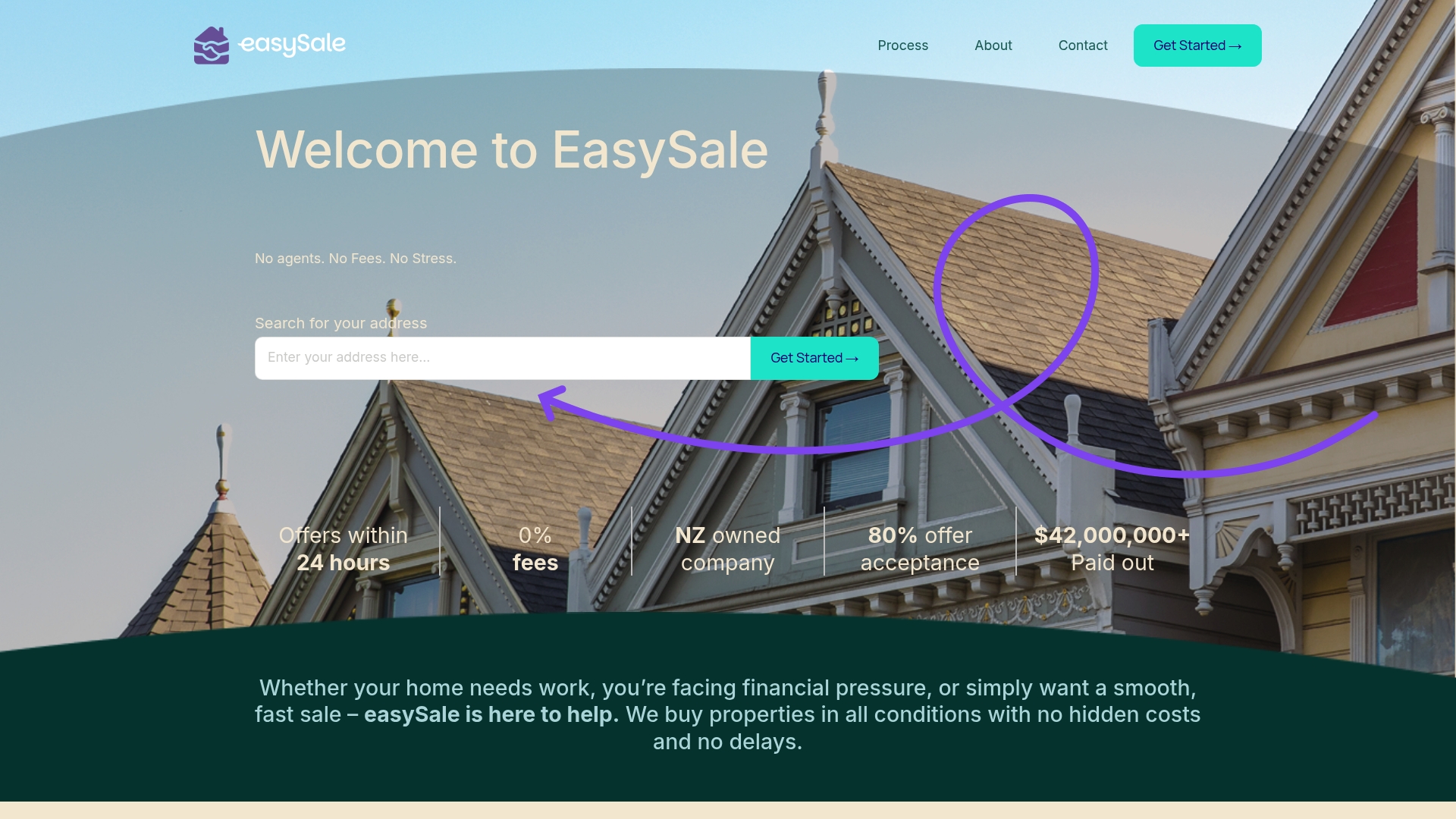
Take control of your property sale today by exploring how easySale.co.nz can simplify the entire process for you. Whether your property needs repairs or you want to avoid prolonged negotiations, our quick three-step method helps you sell securely and on your preferred timeline. Discover more about selling without agent complications at easySale.co.nz and see how our service supports commission-free sales while addressing legal and financial pitfalls effectively. Start now and experience a seamless property sale with trusted professionals committed to easing your journey.
Frequently Asked Questions
What is a property sale without commission?
A property sale without commission refers to a transaction where homeowners sell their property independently, without using a real estate agent, thereby avoiding associated commission fees.
What are the advantages of selling a property without a real estate agent?
The primary advantages include substantial cost savings by eliminating commission fees (typically 3-4% of the sale price) and greater control over the sales process, including marketing and negotiations.
What are the key steps involved in a no-commission property sale?
Key steps include property valuation and pricing, comprehensive marketing, property presentation, buyer engagement, and legal documentation preparation. Each step requires thorough research and strategic planning to ensure a successful sale.
What legal obligations do sellers have when selling their property independently?
Sellers must adhere to property disclosure obligations, prepare a legally compliant sale agreement, verify ownership, and ensure clear communication about the property’s condition and any known issues.
Recommended
