
Complete Guide to Selling a Water Damaged House NZ
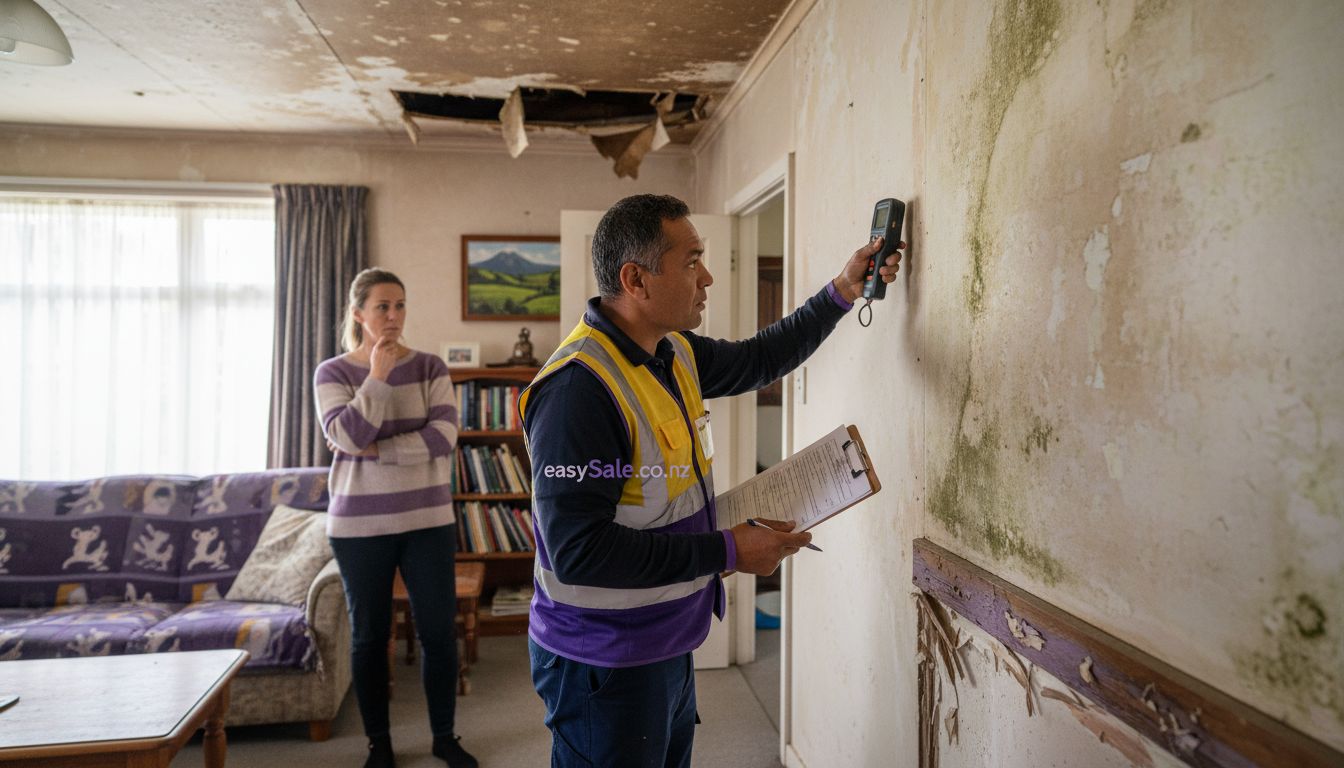
More than 40 percent of New Zealand homes have experienced some form of water damage in their lifetime. This isn’t just about the big floods you see on the news—small leaks, hidden mold, and moisture stains can quietly lower your home’s value or even prompt serious repairs. For sellers and buyers alike, knowing what actually counts as water damage is critical. You’ll learn how these issues are defined, why they matter, and what steps you should consider next.
Table of Contents
- What Qualifies As Water Damaged Property
- Types Of Buyers For Damaged Houses
- How The Quick Sale Process Works
- Legal And Disclosure Requirements In Nz
- Financial Implications And Repair Costs
- Common Pitfalls And Mistakes To Avoid
Key Takeaways
| Point | Details |
|---|---|
| Understanding Water Damage | Water damage encompasses various forms and can affect property value due to historical issues, making professional assessments essential. |
| Transparency in Sales | Sellers must disclose all known water damage issues to avoid legal repercussions and foster buyer trust. |
| Targeted Buyer Market | Different buyer types, including investors and renovators, view water-damaged properties as opportunities rather than liabilities. |
| Financial Implications | Repair costs can greatly reduce a property’s market value; homeowners should explore selling strategies that cater to investors. |
What Qualifies As Water Damaged Property
Water damage isn’t always as straightforward as a dramatic flood scenario. According to Settled, properties affected by natural disasters like flooding are considered water-damaged - and this definition covers a wide range of scenarios that might surprise homeowners.
Understanding water damage requires recognizing multiple manifestation levels. These can include:
- Visible moisture stains on walls or ceilings
- Warped flooring or structural materials
- Persistent musty odors indicating hidden moisture
- Mold growth in concealed or exposed areas
- Structural compromise from prolonged water exposure
As Natural Hazards highlights, homes with previous water damage may have associated insurance claims that significantly impact property value. This means water damage isn’t just about current visible issues, but also about the property’s documented history of moisture-related problems.
Crucial factors that determine water damage severity include the water’s source (clean water from pipes versus contaminated flood water), duration of exposure, and affected materials. Not all water incidents are equal - a small pipe leak might cause minimal damage, while prolonged flooding could completely compromise a home’s structural integrity. Professional assessments are recommended to accurately categorize and document the extent of water damage before considering a sale.
When preparing to sell a water-damaged property, transparency is key. Sellers must disclose all known water damage issues, regardless of whether repairs have been completed. This ethical approach protects both the seller and potential buyers from future disputes and ensures a fair, honest transaction.
Types Of Buyers For Damaged Houses
Selling a water-damaged property might seem challenging, but multiple buyer categories are specifically interested in these unique properties. Settled reveals that investors and developers are often the primary purchasers of ‘as is, where is’ properties, viewing potential where others might see problems.
These potential buyers typically break down into several key categories:
- Property Investors: Professionals seeking opportunities to purchase below market value
- Renovation Specialists: Experienced builders and contractors who can transform damaged properties
- Real Estate Developers: Companies looking to rebuild or significantly modify existing structures
- Cash Buyers: Individuals with immediate funds who aren’t dependent on traditional bank financing
- House Flippers: Entrepreneurs who specialize in purchasing, repairing, and reselling properties
According to Consumer Protection, purchasing a damaged property requires thorough due diligence. Serious buyers will conduct comprehensive assessments, examining structural integrity, potential repair costs, and long-term restoration viability before making an offer.
Each buyer type approaches water-damaged properties with a unique perspective. Investors might see potential profit margins, renovation specialists see a technical challenge, and developers might envision entirely new development opportunities. Understanding these perspectives can help sellers position their property effectively and negotiate more confidently.
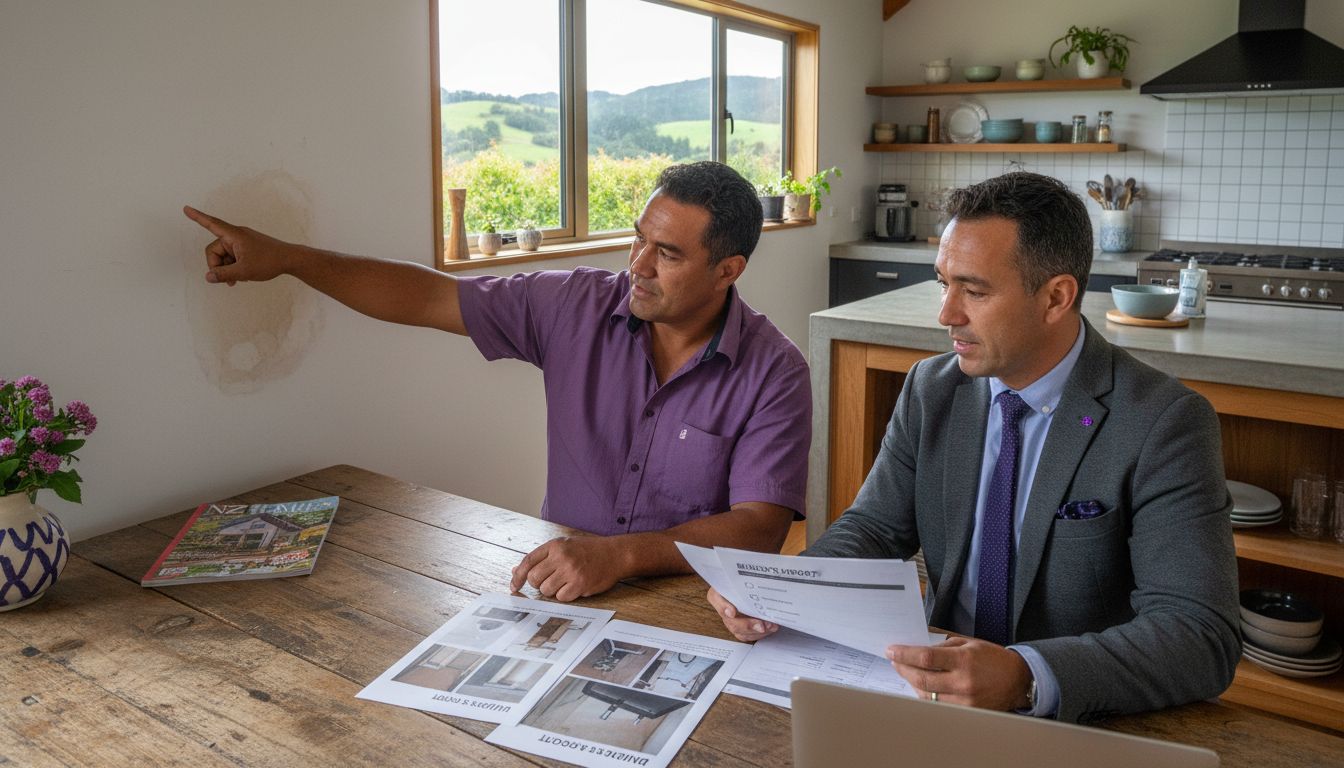
For homeowners with water-damaged properties, recognizing these buyer types means understanding that your property isn’t unsellable - it’s just waiting for the right buyer who sees its underlying potential. Why Sell House As Is: Complete New Zealand Guide provides additional insights into navigating these unique property sales effectively.
How The Quick Sale Process Works
Navigating a quick sale for a water-damaged property requires a strategic approach that prioritizes transparency and efficiency. Settled confirms that selling a property ‘as is, where is’ can expedite the sales process, particularly when extensive repairs would otherwise delay the transaction.
The typical quick sale process for water-damaged properties typically involves these critical steps:
- Property Assessment: Obtain a professional evaluation of damage extent
- Documentation Preparation: Compile all relevant repair and damage history records
- Damage Disclosure: Create a comprehensive report of known property issues
- Pricing Strategy: Price the property reflecting its current condition
- Targeted Marketing: Connect with investors and renovation specialists
According to Natural Hazards, sellers should request claim information from the Natural Hazards Commission before listing. This proactive approach provides potential buyers with complete transparency about the property’s historical damage and repair context.
Understanding the nuances of a quick sale means recognizing that speed doesn’t mean compromising on honesty. Buyers appreciate sellers who provide clear, upfront information about the property’s condition. This approach not only accelerates the sales process but also builds trust with potential purchasers who are specifically looking for properties they can renovate or transform.
For homeowners wanting to streamline their sale, Need to Sell My House Quickly: A Step-by-Step Guide offers additional insights into navigating the complexities of a rapid property transaction.
The key is preparation, transparency, and targeting the right buyer demographic who sees opportunity in what others might perceive as a challenge.
Legal And Disclosure Requirements In NZ
Navigating the legal landscape of selling a water-damaged property in New Zealand requires meticulous attention to disclosure and transparency. Settled confirms that sellers are legally obligated to disclose all known property issues, including damage from natural disasters, with real estate agents equally responsible for reporting any defects they’re aware of.
The key legal disclosure requirements include:
- Full Property History: Complete documentation of all water damage incidents
- Insurance Claim Records: Comprehensive details of previous insurance claims
- Repair Documentation: Proof of professional repairs and restoration work
- Structural Assessment: Professional evaluation of current property condition
- Potential Risk Factors: Identification of ongoing or future damage risks
According to Natural Hazards, sellers must provide potential buyers with all relevant claim information, ensuring absolute transparency about the property’s historical damage and repair context. This approach not only fulfills legal obligations but also builds trust with potential purchasers.
Failure to disclose known issues can result in significant legal consequences, including potential lawsuits and financial penalties. Sellers must understand that “as is” sales do not exempt them from the responsibility of honest, comprehensive disclosure. The goal is to provide potential buyers with a complete, accurate picture of the property’s condition and history.
For homeowners seeking additional guidance on navigating these complex legal requirements, Sell House Discreetly in NZ: Step-by-Step Guide offers valuable insights into managing property sales with maximum transparency and minimal stress.
Financial Implications And Repair Costs
Understanding the financial landscape of water-damaged properties requires a comprehensive assessment of potential repair costs and market value implications. Natural Hazards highlights an interesting opportunity where existing insurance claims can be transferred to new homeowners, potentially providing financial benefits through remaining repair entitlements.
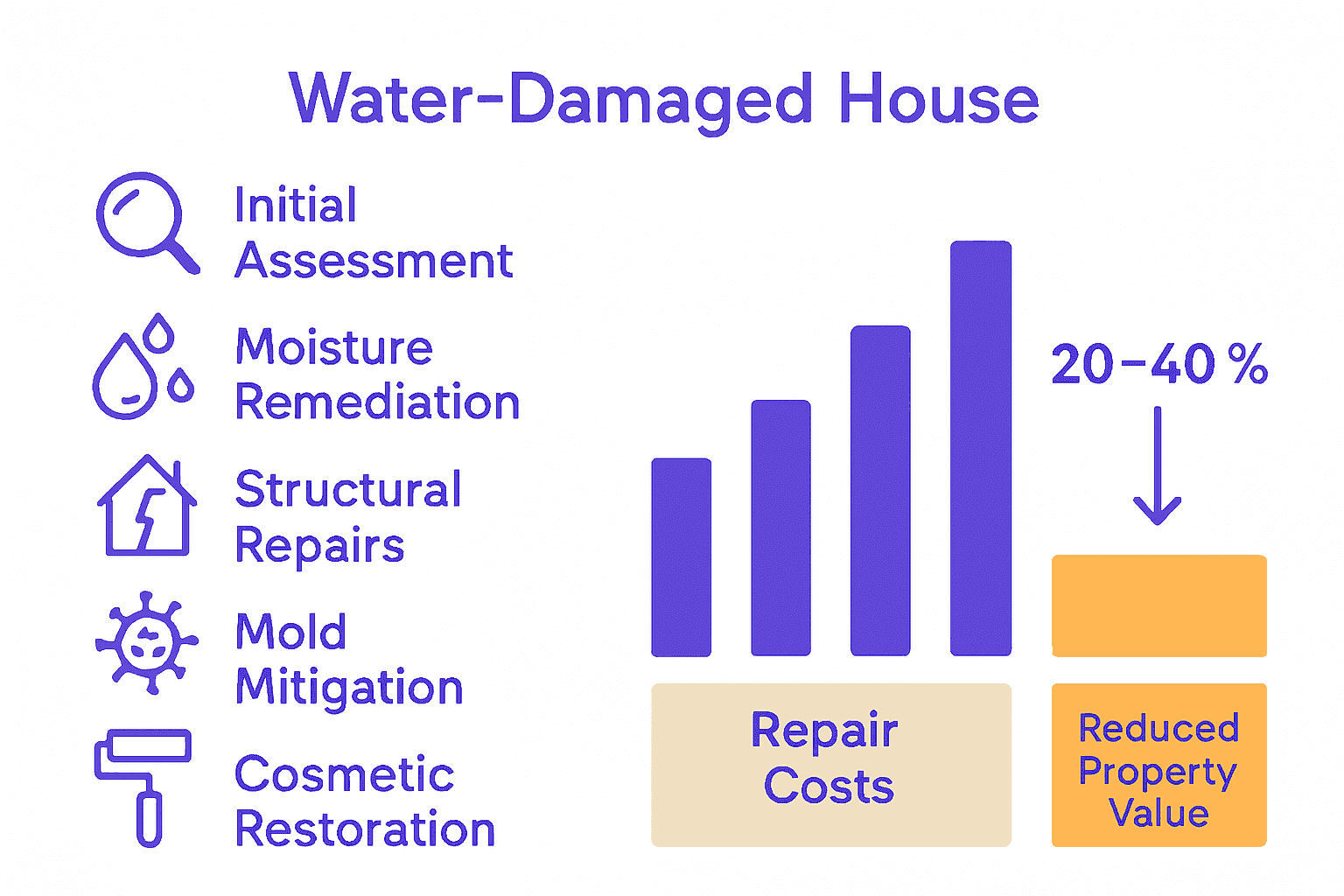
The typical financial breakdown for water-damaged properties often includes:
- Initial Damage Assessment: Professional evaluation costs ($500-$2,500)
- Moisture Remediation: Removing hidden water damage ($2,000-$10,000)
- Structural Repairs: Fixing compromised building elements ($5,000-$50,000)
- Mold Mitigation: Preventing and treating potential mold growth ($1,500-$6,000)
- Cosmetic Restoration: Repainting, replacing flooring ($3,000-$15,000)
According to Consumer Protection, potential buyers must thoroughly assess all risks and understand the property’s historical damage before making financial commitments. This means conducting comprehensive inspections and obtaining detailed repair estimates to make informed decisions.
The total repair costs can significantly impact property valuation, often resulting in a 20-40% reduction from the original market value.
Homeowners should consider alternative selling strategies, such as selling to investors or renovation specialists who can absorb these potential repair expenses and see the property’s underlying value.
For homeowners seeking strategic financial guidance, Role of Property Investors in New Zealand: Complete Guide provides additional insights into navigating property sales with complex financial considerations.
Common Pitfalls And Mistakes To Avoid
Selling a water-damaged property presents numerous potential challenges that can derail your sale if not carefully managed. Settled warns that failing to disclose known property issues can lead to serious legal consequences, making transparency absolutely critical throughout the sales process.
The most common mistakes sellers make include:
- Concealing Damage: Attempting to hide or minimize water damage
- Incomplete Documentation: Failing to provide comprehensive repair records
- Unrealistic Pricing: Overvaluing the property without considering damage
- Skipping Professional Assessments: Avoiding expert damage evaluations
- Neglecting Insurance Claims: Not properly managing existing repair claims
- DIY Repairs: Attempting unprofessional fixes instead of professional restoration
According to Natural Hazards, not transferring existing insurance claims can result in significant financial losses. Sellers must ensure all potential repair entitlements are properly documented and potentially transferred to new homeowners.
The most critical mistake is believing that an ‘as is’ sale eliminates the need for full disclosure. Legal obligations require complete transparency about the property’s condition. Buyers have the right to know exactly what they’re purchasing, and any attempt to mislead can result in potential lawsuits, financial penalties, and damage to your reputation.
For homeowners navigating these complex waters, Sell House Discreetly in NZ: Step-by-Step Guide offers strategic insights into managing property sales with maximum integrity and minimal stress.
Ready to Sell Your Water Damaged Property Fast and Fair
Dealing with a water damaged home can be overwhelming. You may be facing confusing repair costs, legal disclosure concerns, and the stress of finding the right buyer who understands your situation. Whether you are worried about hidden issues like mould or structural damage or want to avoid costly delays and endless paperwork, you are not alone. The good news is you don’t have to navigate this alone or settle for less.

At easySale.co.nz, we specialise in buying homes in any condition across New Zealand, including properties affected by water damage. Our simple three-step process means you can get a fast, no-obligation cash offer without the need for real estate agents or commission fees. We understand the urgency and emotional burden that come with selling a damaged property so we offer a clear path forward: submit your details, receive a fair offer, and choose when to settle. If you want to avoid common pitfalls and sell discreetly, check out our helpful guide at Sell House Discreetly in NZ: Step-by-Step Guide.
Don’t wait until repair issues worsen or legal complications arise. Visit easySale.co.nz now for a fast, transparent sale and take control of your property’s future today.
Frequently Asked Questions
What qualifies as water-damaged property?
Water-damaged property includes any home that has experienced issues like visible moisture stains, warped structural materials, persistent musty odors, mold growth, or has a documented history of water exposure, which can affect its market value.
How do I sell a water-damaged property quickly?
To sell a water-damaged property quickly, prioritize transparency by obtaining a professional property assessment, preparing comprehensive documentation of damage and repairs, accurately pricing the property, and targeting the right buyers who specialize in renovations or investments.
What legal obligations do I have when selling a water-damaged property?
Sellers are legally required to disclose all known property issues, including water damage histories, previous insurance claims, and structural assessments. Failing to disclose this information can result in legal consequences.
What are the financial implications of selling a water-damaged house?
Selling a water-damaged house can significantly impact its market value, often resulting in a 20-40% reduction compared to similar properties in good condition. Understanding the costs of necessary repairs and potential insurance claim transfers is essential for setting a realistic price.
Recommended
