
Selling Property As Is Process: Fast Stress-Free Guide
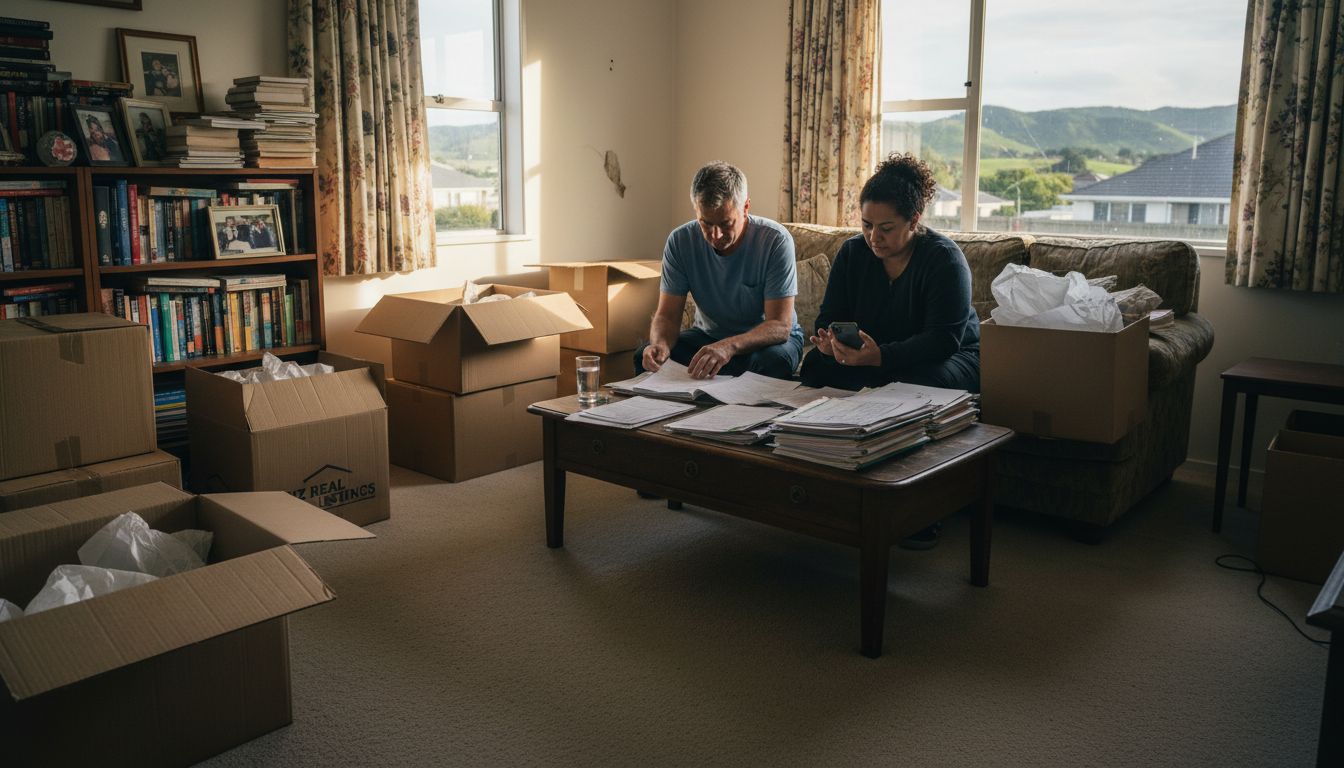
Selling an Australian property as is can feel daunting, especially when more than half of sellers report confusion over the paperwork and legal steps involved. With the real estate market in Australia constantly evolving, understanding how to prepare and present your home is critical for a smooth transaction. This guide gives you a clear pathway to evaluate, document, and navigate every stage, ensuring your Australian sale proceeds with confidence from start to finish.
Table of Contents
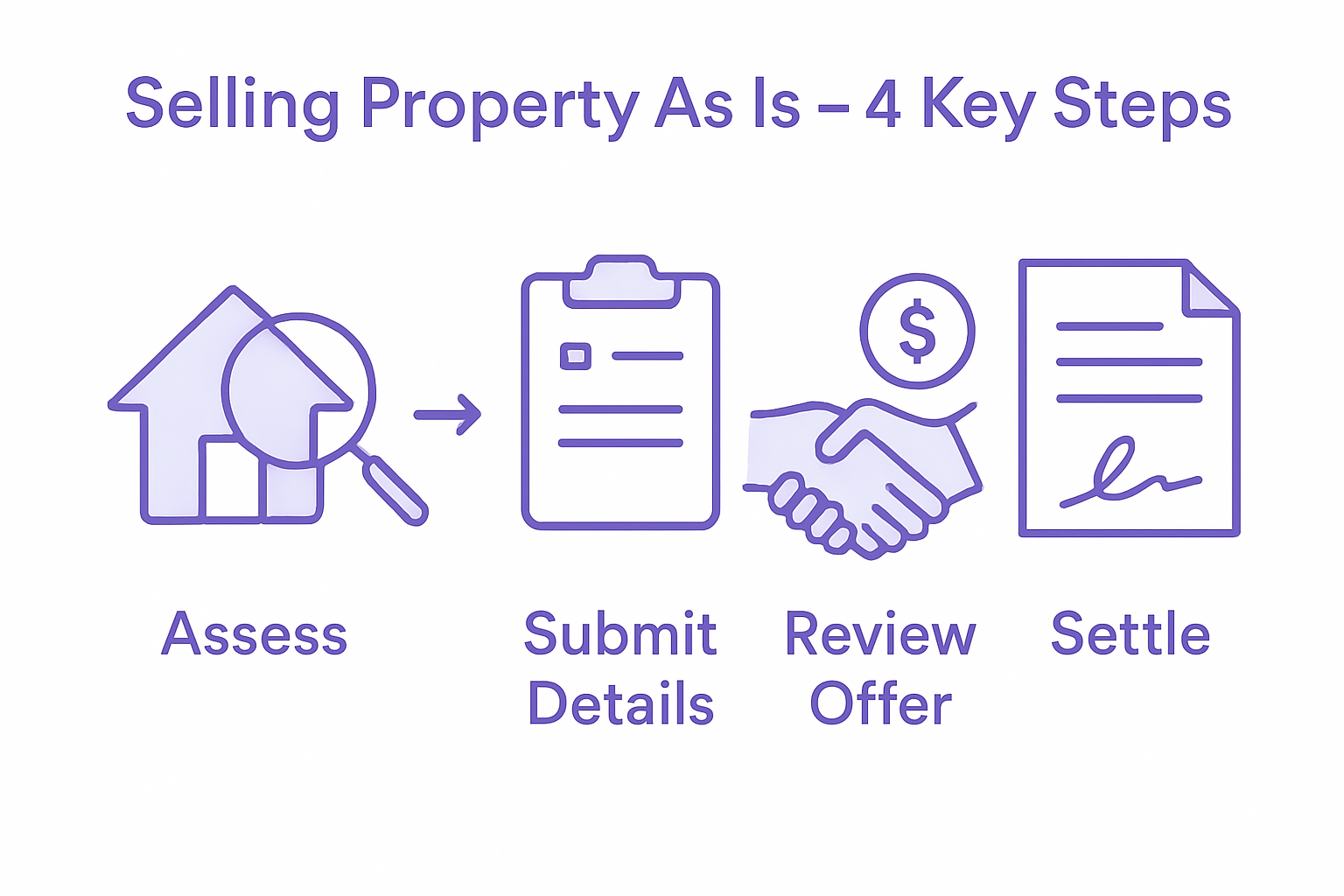
- Step 1: Assess Your Property And Gather Key Details
- Step 2: Submit Your Home Information For Review
- Step 3: Review And Consider Your Cash Offer
- Step 4: Confirm Sale Terms And Settle Efficiently
Quick Summary
| Key Point | Explanation |
|---|---|
| 1. Conduct a Thorough Property Assessment | Evaluate your property condition with detailed notes and photographs, reflecting both strengths and weaknesses. |
| 2. Gather Essential Documentation | Compile important reports like LIM and title records to provide potential buyers with comprehensive information. |
| 3. Evaluate Cash Offers Carefully | Assess offers against your financial goals and market conditions, taking time to consider all aspects of the proposal. |
| 4. Collaborate with Legal Professionals | Work closely with legal experts to ensure all transaction terms are clear and legally valid during the sale process. |
| 5. Maintain Organised Digital Records | Keep all transaction documents in an easily accessible electronic format to facilitate smooth communication during settlement. |
Step 1: Assess Your Property and Gather Key Details
Selling a property as is demands a strategic approach that begins with a thorough property assessment. Your goal in this initial stage is to understand exactly what you are selling and prepare comprehensive documentation that will help potential buyers make informed decisions.
Start by conducting a detailed property evaluation. This means walking through every room and external area of your property, documenting its current condition with honest and clear notes. Take high quality photographs that capture both the strengths and potential challenges of your property. Understanding your property’s worth involves more than just measuring square metres it requires a comprehensive view of its potential and limitations.
To support this assessment, gather a professional team who can provide expert guidance. This might include a property valuer, a legal professional, and potentially an accountant if the property has been used for business purposes. Building a support team of professionals will help you navigate the complexities of selling a property as is, ensuring you have accurate documentation and realistic expectations about your property’s market value.
Pro tip: Be brutally honest about your property’s condition. Transparency will help attract serious buyers who understand they are purchasing a property in its current state, potentially speeding up your sale process.
Step 2: Submit Your Home Information for Review
After assessing your property, the next critical phase involves compiling and submitting comprehensive property details for potential buyers to review. This step is about transparency and providing potential investors with a clear understanding of your property’s characteristics and potential.
Begin by gathering essential documentation that offers a complete picture of your property. Obtain a Land Information Memorandum (LIM) report from your local council. This document provides crucial information including stormwater drainage details, special land features, outstanding rates, zoning information, building permits, and consent history. Simultaneously, prepare your record of title which outlines ownership details, any restrictions, and access rights.
Work closely with your legal professional to ensure all documentation is accurate and complete. This might include building inspection reports, renovation certificates, council compliance documents, and any other relevant property records. The more transparent and comprehensive your information, the more confidence you’ll inspire in potential buyers interested in purchasing your property as is.
Pro tip: Digital presentation matters. Scan all documents in high resolution and organise them in a clear, logical manner. This demonstrates professionalism and makes the review process smoother for potential buyers.
Step 3: Review and Consider Your Cash Offer
Receiving a cash offer is an exciting moment in your property sale journey that requires careful and strategic consideration. Your objective at this stage is to thoroughly evaluate the offer against your financial goals and current market conditions.
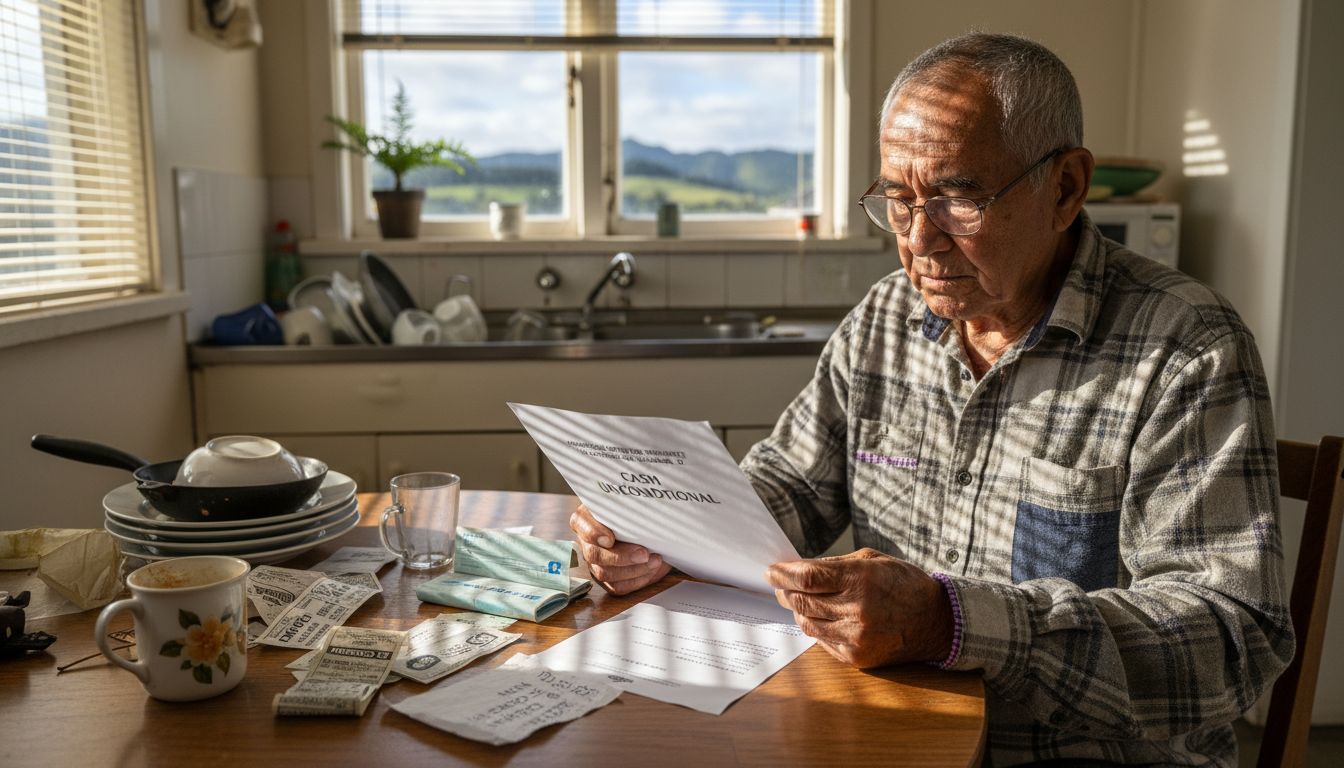
Assessing the offer carefully involves examining multiple critical factors beyond just the proposed price. Consider the buyer’s financial position, any conditions attached to the offer, and how well it aligns with your specific selling objectives. If you are GST registered and the sale relates to your taxable business activity, you will need to account for potential GST implications in your assessment.
Consulting with your support team is crucial during this evaluation process. Your legal professional and financial advisors can provide invaluable insights that help you make an informed decision. They can help you understand the nuances of the offer, potential negotiation strategies, and ensure you are not overlooking any critical details that could impact your financial outcome.
Pro tip: Do not rush your decision. Take time to compare the cash offer against your initial property valuation and current market rates. A slightly lower cash offer might be more attractive than a higher traditional sale offer that comes with more complexity and potential delays.
Step 4: Confirm Sale Terms and Settle Efficiently
The final stage of your property sale journey involves transforming your accepted cash offer into a legally binding transaction. This crucial phase requires precision coordination and strategic communication to ensure a smooth and rapid settlement process.
Working closely with your legal professional is fundamental during this stage. Your lawyer will help you navigate the complex contractual landscape ensuring all disclosure requirements are met and settlement terms are clearly defined. They will review the documentation meticulously checking for any potential legal complications that could delay or compromise your sale.
Coordinating with your support team becomes paramount as you approach settlement. This involves preparing comprehensive transfer documentation addressing any contingencies and ensuring all parties understand their specific obligations. Clear communication between you buyer legal representatives and financial institutions will help streamline the ownership transfer process and minimise potential administrative roadblocks.
Pro tip: Maintain organised digital copies of all transaction documents. Having an easily accessible electronic file can expedite communication and provide a reliable reference point throughout the settlement process.
Simplify Your “Selling Property As Is” Journey with EasySale
Selling a property as is can feel overwhelming when faced with complex paperwork and uncertain offers. If you want to skip the hassle of extensive assessments and lengthy negotiations, EasySale.co.nz offers a fast, stress-free solution tailored to New Zealand homeowners looking for quick cash offers without real estate agents or hidden fees. Our service understands the challenges of providing full property details, reviewing offers, and settling efficiently under pressure.
Experience a straightforward process designed for sellers just like you. Submit your property details with confidence, receive a fair no-obligation cash offer, and choose your preferred settlement timeline. Don’t let stress slow your sale or force you into lengthy delays. Visit EasySale.co.nz today and take the first step toward a seamless property sale that respects your circumstances and moves at your pace.
Frequently Asked Questions
What does it mean to sell a property as is?
Selling a property as is means you are selling the property in its current condition without making any repairs or improvements. To proceed, document the property’s condition thoroughly, and be clear with potential buyers about any known issues.
How do I assess the value of my property before selling it as is?
To assess your property’s value, conduct a detailed evaluation of its condition, and consider seeking assistance from professional valuers. Take comprehensive photographs and notes to present an accurate representation of your property to potential buyers.
What key documents should I prepare when selling my property as is?
Essential documents include the Land Information Memorandum (LIM), a record of title, and any relevant building inspection reports. Prepare and organise these documents clearly to ensure transparency and build buyer confidence.
How should I evaluate a cash offer for my property?
Carefully assess the cash offer by considering the proposed price, the buyer’s financial position, and any conditions attached. Take time to compare this offer against your original property valuation to ensure it meets your financial goals.
What steps should I take to finalise the sale once I accept an offer?
Once you accept an offer, closely collaborate with your legal professional to prepare and review all necessary contractual documents. Ensure all terms are clearly defined, and maintain clear communication with all parties involved to facilitate a smooth settlement process.
How can I ensure a fast and efficient settlement when selling as is?
To expedite the settlement process, maintain organised digital copies of all transaction documents and coordinate closely with your support team. Aim to complete all necessary paperwork and communications promptly to avoid any delays.
Recommended
