
Why Avoid Real Estate Agents in New Zealand Sales
Most sellers are surprised to learn that a typical New Zealand real estate agent earns a commission of 3% to 4%, and this financial structure can affect whose interests truly come first during a property deal. For australian property owners comparing cross-country markets, understanding the actual roles and common myths about New Zealand agents is vital. Get a clearer look at what agents really do, what you can realistically expect, and how common misconceptions could impact your next move.
Table of Contents
- Real Estate Agents: Roles And Common Myths
- How Agents Work In New Zealand Property Sales
- Hidden Costs And Agent Commission Fees
- Legal Complexities And Seller Liabilities
- Faster, Simpler Alternatives To Using Agents
Key Takeaways
| Point | Details |
|---|---|
| Understanding Agent Roles | Real estate agents in New Zealand assist in property transactions, but their motivations may not always align with sellers, as they earn commissions based on sale price. |
| Common Myths | Agents do not guarantee the highest sale price or better marketing; sellers should remain actively involved in the process. |
| Hidden Costs | Expect additional fees beyond agent commissions, including marketing and administrative costs, which can significantly reduce net profits. |
| Alternative Selling Methods | Homeowners can explore direct sale platforms that offer faster, cost-effective sales without relying solely on traditional agents. |
Real estate agents: roles and common myths
Real estate agents play a complex role in New Zealand’s property market, often misunderstood by homeowners seeking to sell their properties. Real estate agents assist clients in buying and selling properties, which involves seeking prospective vendors and buyers, promoting sales through various channels, presenting properties, and negotiating terms between parties.
Contrary to popular belief, real estate agents are not guaranteed to secure the best price for your property. In the early 2000s, New Zealand’s real estate market was dominated by a few large companies operating through franchises, and today, agents typically earn a commission between 3% to 4% of the sale price. This commission structure means their financial motivation might not always align perfectly with the seller’s best interests. Some agents charge a fixed fee regardless of selling price, which can create potential conflicts in their sales approach.
Common myths about real estate agents often obscure the realities of their profession. Many homeowners believe agents will automatically market their property effectively, negotiate the best price, and handle all complex paperwork. However, the truth is more nuanced. Agents work long and irregular hours, including weekends and evenings, but this doesn’t guarantee superior results. They are essentially salespeople whose primary goal is completing a transaction, not necessarily maximising your property’s value.
Here’s a summary of common real estate agent myths versus the actual facts:
| Common Myth | Reality |
|---|---|
| Agents always get top price | No guarantee of the highest sale price |
| Marketing is always effective | Marketing strategies and results vary widely |
| Agents handle all paperwork precisely | Sellers may still need to review or manage documents |
| Agent interests align with seller | Commissions can create competing priorities |
| Working long hours ensures best results | Time invested does not assure maximum property value |
Pro tip for Property Sellers: Research and interview multiple agents, request detailed marketing plans, and understand their exact commission structure before signing any agreements. Never assume an agent’s interests are completely aligned with yours.
Pro tip for Securing Fair Value: Always obtain independent property valuations and compare multiple agent proposals to ensure you’re getting a fair and competitive deal.
How agents work in New Zealand property sales
The real estate industry in New Zealand follows a structured professional pathway that requires agents to meet specific licensing and professional standards. To become a licensed real estate agent, professionals must complete the New Zealand Certificate in Real Estate (Salesperson) at Level 4, which involves rigorous training and certification processes. This ensures that agents entering the market have a foundational understanding of property sales, legal requirements, and ethical practices.
Real estate agents perform multiple critical functions in property transactions. Their primary responsibilities include identifying potential property sellers and buyers, marketing properties through various channels, presenting property details, and negotiating transaction terms. They often work extensive and unpredictable hours, including weekends and evenings, to accommodate client schedules and maximise potential sales opportunities. Commission-based compensation means their income directly correlates with successful property transactions, which can sometimes create potential conflicts of interest with client expectations.
The professional journey for real estate agents in New Zealand is carefully regulated. After obtaining their initial salesperson’s license, agents must accumulate at least three years of professional experience before qualifying for a full agent’s license. This progression ensures that only experienced professionals can independently operate in the property market. Agents must also maintain ongoing professional development, staying updated on market trends, legal changes, and emerging sales techniques to remain competitive and effective in their roles.
Pro tip for Property Sales: Always request a detailed breakdown of an agent’s marketing strategy, recent sales history, and commission structure before engaging their services.
Pro tip for Navigating Agent Services: Verify an agent’s current licensing status with the Real Estate Authority and request references from recent clients to assess their actual performance and reliability.
Hidden costs and agent commission fees
New Zealand real estate transactions involve a complex web of fees that can significantly impact a property seller’s bottom line. Real estate agent commissions in New Zealand typically range from 2.95% to 3.95% on the first $500,000, with additional percentages on higher sale amounts, creating a substantial financial burden for sellers. These percentage-based fees mean that as your property’s value increases, so do the agent’s commissions, potentially costing tens of thousands of dollars in transaction costs.
Beyond the standard commission, sellers face numerous hidden expenses that can quickly escalate the total cost of selling a property. These additional charges include marketing expenses (around $2,000), professional photography ($200–$300), auctioneer fees (approximately $900), and administrative costs ranging from $400 to $600. Some agents may also recommend extensive marketing strategies that can drive advertising expenses anywhere from $600 to $10,000, depending on the property’s value and the chosen promotional approach.
The breakdown of these fees reveals a significant financial challenge for property owners. While agents present these costs as necessary investments, many sellers find themselves paying substantial amounts without guaranteeing a faster or more profitable sale. The cumulative effect of commissions, marketing expenses, and additional fees can easily consume 5% to 6% of the total property sale value, representing a substantial financial drain that directly impacts the seller’s net proceeds from the transaction.
Pro tip for Cost Management: Always request a comprehensive, itemised breakdown of all potential fees before engaging a real estate agent, and negotiate each line item carefully.
Pro tip for Saving Money: Compare multiple agent proposals and consider alternative selling methods that can significantly reduce or eliminate these hidden transaction costs.
Legal complexities and seller liabilities
Property sales in New Zealand involve a complex landscape of legal responsibilities that can overwhelm unsuspecting sellers. The government has implemented significant reforms to overhaul the real estate industry, introducing new licensing requirements and an independent complaints system that dramatically changes how property transactions are managed. These regulatory changes create additional layers of complexity for sellers who might not fully understand their legal obligations.
Sellers face numerous potential liabilities that extend far beyond simple property transfer. Disclosure requirements mandate that sellers reveal known defects, structural issues, and potential problems with the property. Failure to disclose critical information can lead to legal challenges, potential contract rescission, and significant financial penalties. Real estate agents typically navigate these complexities as part of their service, but sellers who choose to manage their own transaction must become intimately familiar with these intricate legal requirements.
The regulatory framework surrounding property sales in New Zealand is increasingly sophisticated. Sellers must understand various legal documentation requirements, including comprehensive sale and purchase agreements, property condition statements, and potential zoning or resource management compliance issues. Each of these elements represents a potential legal minefield where a single mistake could result in costly disputes, legal challenges, or even complete transaction failure. Professional real estate agents are trained to manage these complexities, but their services come at a significant financial cost that many sellers find prohibitively expensive.
Pro tip for Legal Protection: Consult with a property lawyer before finalising any independent property sale to review all documentation and ensure complete legal compliance.
Pro tip for Risk Management: Maintain detailed records of all property disclosures, communications, and transaction documents to protect yourself from potential future legal challenges.
Faster, simpler alternatives to using agents
Homeowners in New Zealand have several innovative alternatives to traditional real estate agent services that can streamline property sales and reduce associated costs. Some real estate companies offer complementary professional marketing services, which suggests that sellers are not entirely dependent on full-service agency models. These emerging options provide flexible approaches that can significantly simplify the property selling process while potentially saving substantial amounts of money.
Online property buying platforms have revolutionised the direct sale approach, offering sellers a straightforward alternative to traditional agent-managed transactions. These digital services typically provide rapid property valuations, instant cash offers, and simplified sales processes that eliminate complex marketing campaigns, multiple inspections, and prolonged negotiation periods. By removing intermediaries, these platforms reduce transaction times from months to weeks and often cover associated legal and administrative costs, presenting a more efficient path for motivated sellers.
Direct selling methods have become increasingly sophisticated, with technology enabling sellers to reach potential buyers more effectively than traditional agent networks. Platforms now offer comprehensive tools including professional photography, online listing services, virtual tours, and targeted digital marketing capabilities. These resources empower sellers to manage their own transactions with professional-grade support, effectively bypassing the need for a traditional real estate agent while maintaining high-quality presentation and marketing standards.
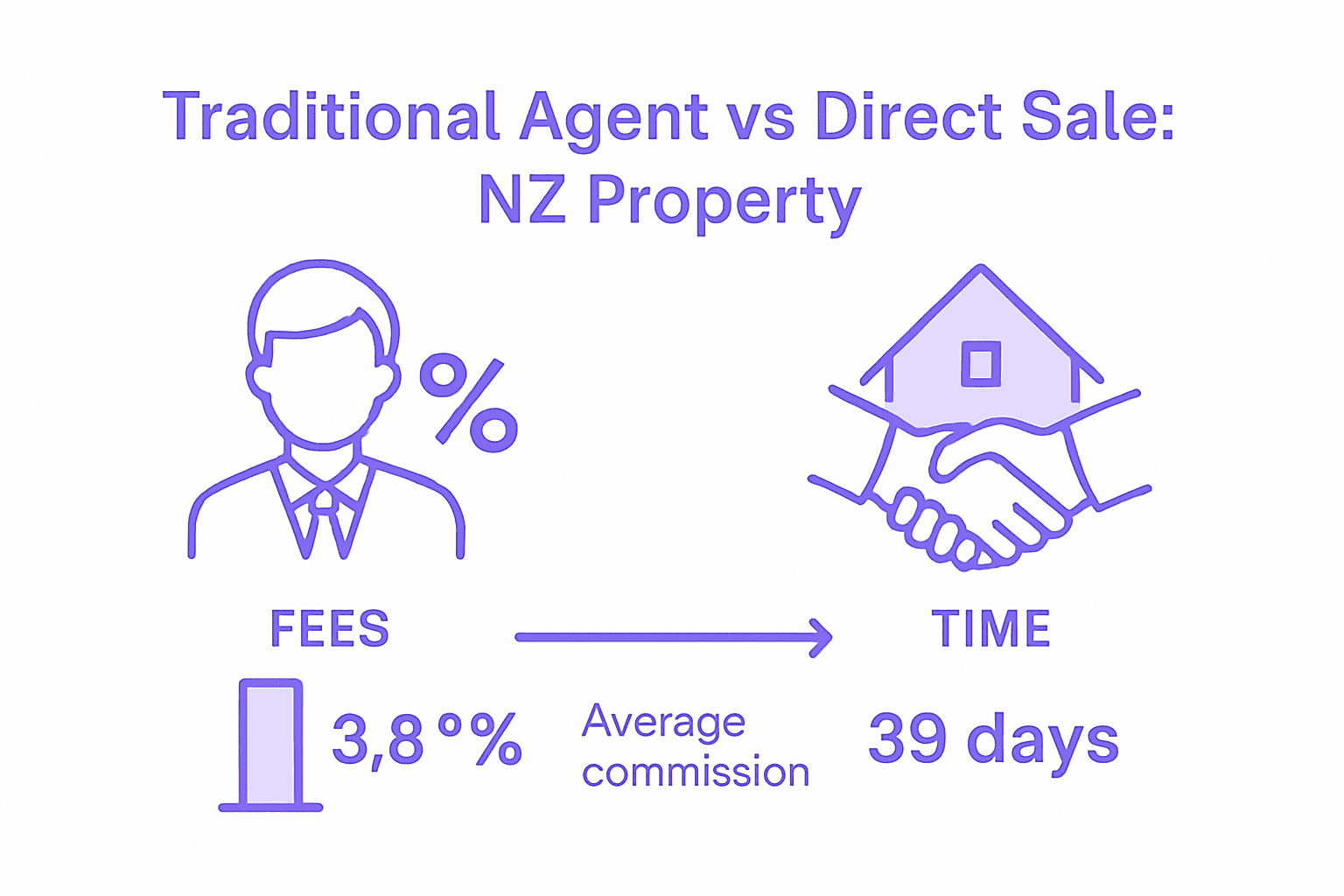
The following table compares key differences between traditional agents and direct sale platforms in New Zealand:
| Feature | Traditional Agent | Direct Sale Platform |
|---|---|---|
| Typical Fee Structure | 3–4% commission plus extra costs | Often fixed or lower, minimal add-ons |
| Marketing Method | Agency-run campaigns, open homes | Online tools, digital listings, virtual tours |
| Process Duration | Several weeks to months | Often completed within weeks |
| Legal Support | Agent usually manages, but extra costs | Often included, some legal costs covered |
| Control for Seller | Agent-driven process, less control | Seller-led, more autonomy |
| Suitable For | Broad market exposure | Sellers focusing on faster, cost-efficient sales |
Pro tip for Efficient Sales: Research and compare multiple direct property sale platforms to find the most suitable option for your specific property and selling circumstances.
Pro tip for Maximising Value: Prepare comprehensive property documentation and high-quality visual materials before engaging any selling platform to expedite the sales process.
Avoid the Hidden Costs and Hassles of Traditional Real Estate Sales Today
Selling your property with a real estate agent in New Zealand can mean facing high commissions, hidden fees, and complicated legal risks. This article clearly shows how traditional agent services may not align with your best interests and often create extra financial and emotional stress. If you want to bypass lengthy marketing campaigns, costly commissions, and unpredictable selling timelines, exploring faster, simpler alternatives is crucial.
easySale.co.nz offers a transparent, commission-free solution designed specifically for homeowners seeking a quick and fair cash sale without the headaches of agent involvement. With a straightforward three-step process, from submitting your property details to settling on your preferred schedule, easySale removes uncertainty and puts control back in your hands. Discover how you can sell any property in any condition while saving thousands compared to traditional methods.
Explore how easySale works and start your stress-free sale now.
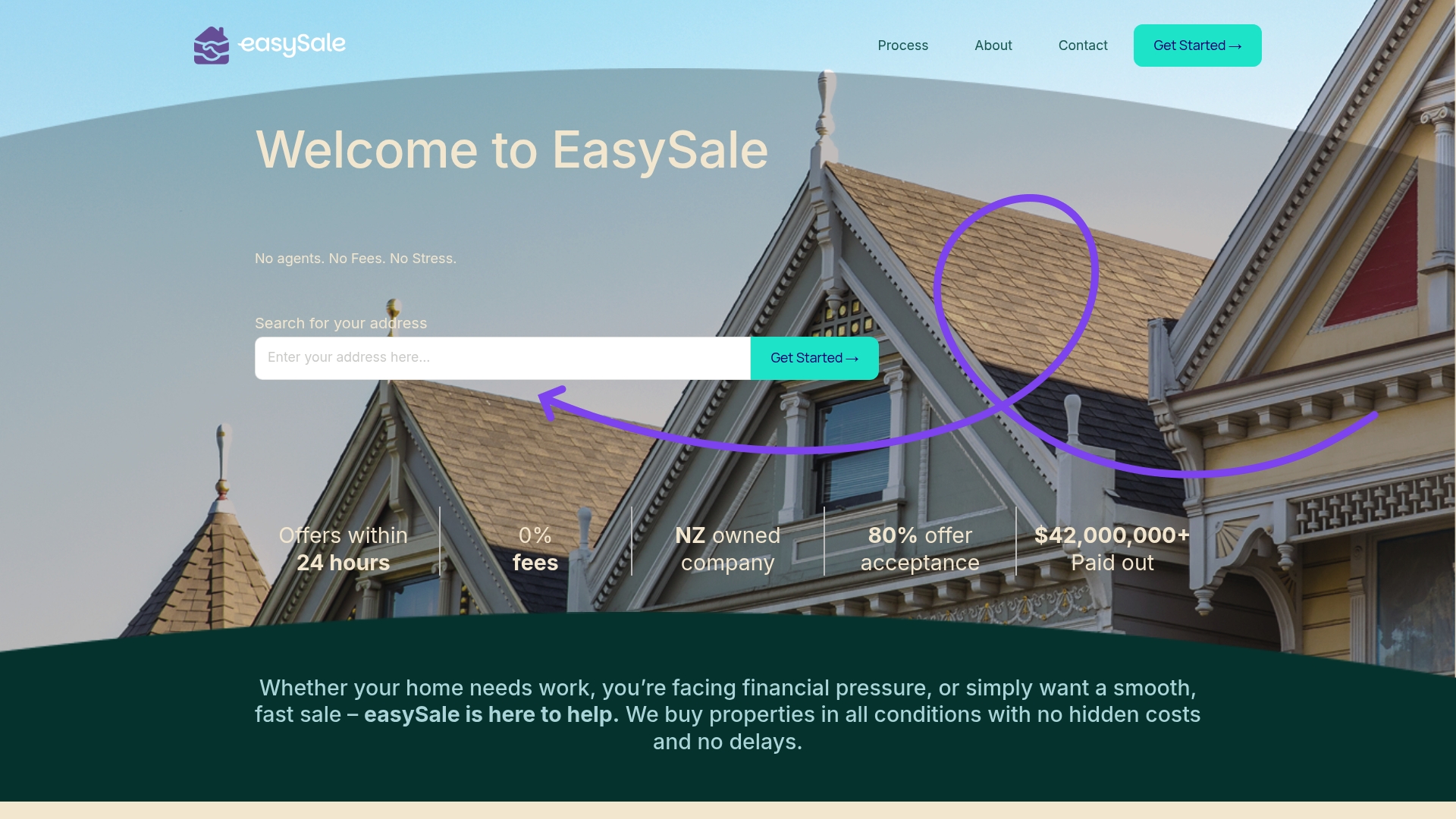
Act now to secure a fast, fair offer that respects your circumstances and saves you from the common pitfalls real estate agents bring. Visit easySale.co.nz and take your first step towards a straightforward property sale today.
Frequently Asked Questions
What are the hidden costs associated with selling a property without a real estate agent?
Selling a property without an agent can incur hidden costs such as marketing expenses, professional photography, auctioneer fees, and administrative costs. These can add up to 5% to 6% of the total sale value, potentially impacting your net proceeds.
How can I market my property effectively without a real estate agent?
You can leverage online property buying platforms that offer digital marketing tools, professional photography, virtual tours, and direct listing services, allowing you to control the marketing process and reach potential buyers efficiently.
What legal responsibilities do I have when selling my property?
As a seller, you must disclose known defects and structural issues and provide accurate legal documentation such as sale and purchase agreements. Failure to comply can lead to legal penalties and contract disputes.
What are the benefits of using direct sale platforms instead of traditional agents?
Direct sale platforms often have lower fees, faster transaction times, and provide tools for sellers to manage their own sales. This can result in significant cost savings and greater control over the selling process.
Recommended
