
Selling for cash in NZ: what's your house really worth?
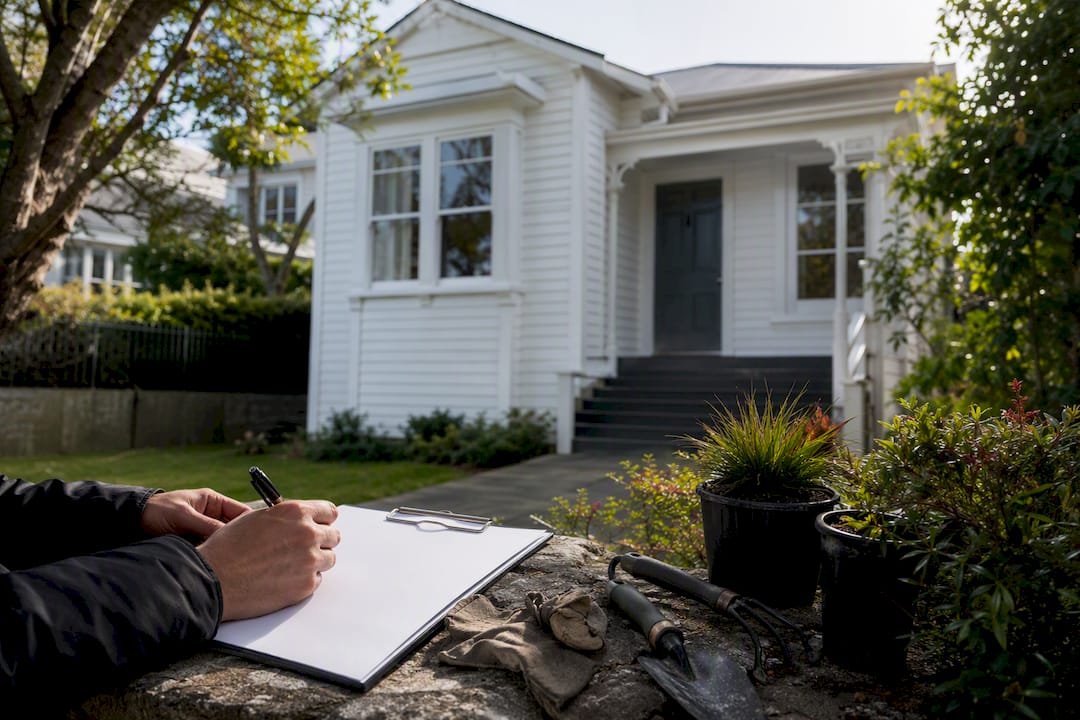
Most Kiwi homeowners selling to a cash buyer typically receive a cash offer significantly below their property’s market value, with the exact figure hinging on condition, location and how fast you need the money. That’s the honest range you should expect before anyone puts a number on your specific property. Every offer is different because every house, every seller’s timeline, and every buyer’s risk tolerance is different.
Here’s what actually shifts that percentage:
- A tidy, tenant-free home in a sought-after suburb sits at the higher end.
- A damaged, unconsented or heavily tenanted property sits lower, because the buyer inherits more risk.
- The faster you need settlement, the more that speed gets priced into the offer.
The only way to know your real number is to get a written, no-obligation offer. That costs nothing and takes a couple of days, and it beats guessing.
Key Takeaways
Cash offers in New Zealand usually represent a discounted percentage of market value, and the exact figure depends on condition, tenancy, location and how quickly you need settlement.
| Point | Details |
|---|---|
| Expect a discounted offer | Cash offers usually land 70% to 90% of market value, trading price for speed and certainty. |
| Condition drives the biggest swing | Damage, unconsented work and tenancy status shift the offer more than any other single factor. |
| You still pay some costs | Conveyancing ($1,200 to $2,000) and mortgage discharge fees remain, even without an agent. |
| You skip agent commission | Avoiding the typical 2% to 4% commission plus marketing costs can offset a lower cash offer. |
| Easysale offers speed and certainty | Easysale provides written offers within 24 to 48 hours and settlement from 7 to 30 days, with no agent fees. |
Table of Contents
- When selling a house for cash, what costs are involved?
- How much could you actually get for your house?
- What fees do you still pay, and what do you skip entirely?
- How do you actually get a cash offer, and how long does it take?
- Which questions should you ask a cash buyer before signing?
- What I’d tell a stressed seller about the cash trade-off
- Ready for a written, no-obligation cash offer?
- Where to get a written cash offer or read more
- Frequently asked questions
- Sources
When selling a house for cash, what costs are involved?
When selling a house for cash, the price a buyer proposes isn’t just a percentage pulled from a spreadsheet. It’s built from a handful of concrete adjustments that either shave money off or, occasionally, add a bit back on.
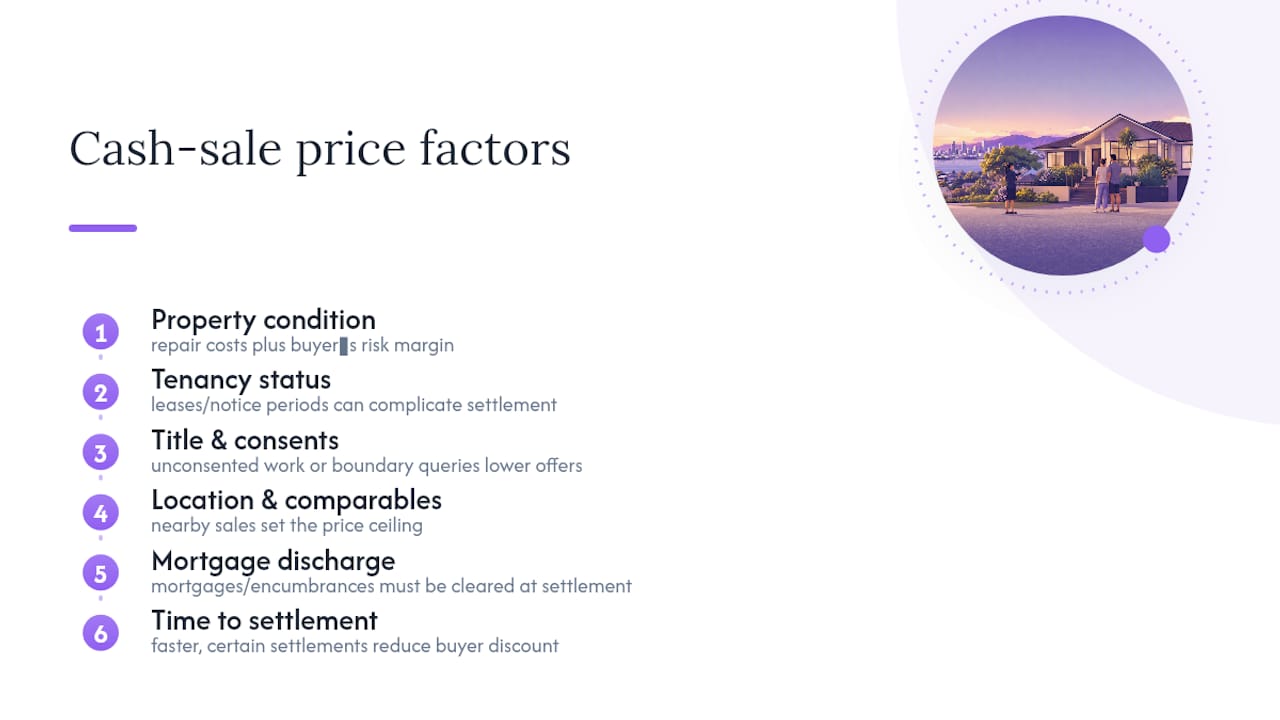
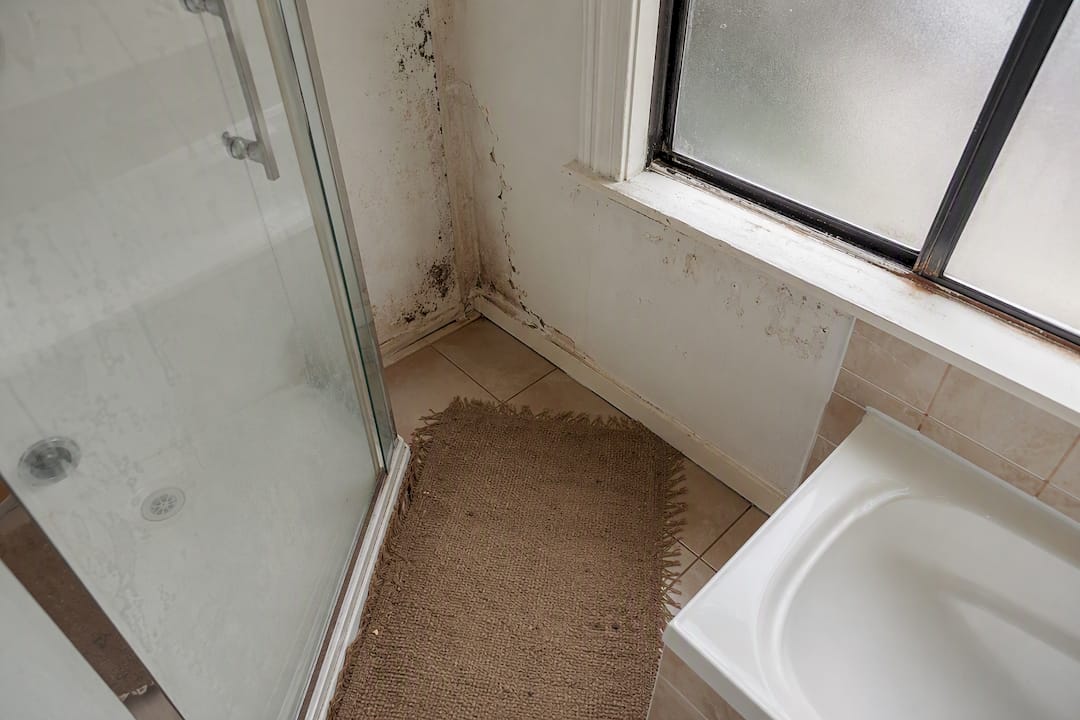
Property condition and repair risk is the biggest lever. A cash buyer who has to strip out a mouldy bathroom or fix a leaking roof will factor that cost, plus their own margin for surprises, straight into the number. Property condition materially changes how fast a home sells and what it sells for, and buyers price that risk in rather than asking you to fix anything first.
Tenancy status matters too. A property with a long-term tenant and a fixed lease can complicate a quick settlement, so buyers weigh the notice periods and any Tenancy Tribunal exposure before they offer.
Title and consent issues, such as unconsented additions or unresolved boundary queries, push the number down because they add legal legwork the buyer has to absorb.
Location and comparable sales set the ceiling. A buyer still checks what similar homes nearby have sold for, even in a rushed sale.
Mortgage discharge and encumbrances on the title need to be cleared at settlement, which buyers factor into their planning.
Time to settlement cuts both ways. Buyers who can move fast and skip finance approval altogether remove a common reason sales fall through, and that certainty is part of what you’re paying for with a lower headline price.
Pro Tip: Have your LIM report, title, and any consent documents ready before you ask for an offer. Sellers who front-load that paperwork usually get a tighter, more confident number because the buyer isn’t pricing in the unknown.
How much could you actually get for your house?
Numbers help more than percentages, so here are three realistic scenarios based on typical cash-offer behaviour in New Zealand. Treat these as illustrative, not a quote. Cash offers commonly land in a lower range than open-market value precisely because they trade certainty and speed for price, and where each example lands depends on your own property.
- Tidy, market-ready three-bedroom home. Estimated market value: $650,000. A well-presented, consent-clean property with no tenancy attracts an offer near the top of the range, roughly 85% to 90% of value, so a gross offer around $565,000 to $585,000. After conveyancing (roughly $1,200 to $2,000), mortgage discharge (often $150 to $400), and a small rates adjustment, net proceeds land around 560,000 to 580,000.
- Damaged house needing renovation. Estimated market value if renovated: $500,000. Water damage and an ageing roof push the offer down to reflect repair cost and buyer risk, landing closer to 70% to 75%, or roughly $350,000 to $375,000 gross. Subtract similar legal and discharge costs and you’re likely netting $345,000 to $370,000.
- Tenanted or inherited property, fast exit needed. Estimated market value: $580,000. A fixed-term tenancy and probate paperwork add complexity, so the offer sits around 75% to 80%, roughly $435,000 to $464,000 gross. With conveyancing, discharge and rates adjustments, net proceeds land near $430,000 to $460,000.
These bands assume no major structural issues beyond what’s stated and a standard New Zealand conveyancing process. Your actual number moves depending on suburb, market conditions at the time, and how quickly you need to settle.
What fees do you still pay, and what do you skip entirely?
Selling to a cash buyer doesn’t mean selling for free. Some costs disappear, others stick around.
What you typically save:
- Real estate agent commission, which commonly sits between 2% and 4% of the sale price plus marketing costs, easily thousands of dollars on an average Kiwi home.
- Marketing and staging costs, since there’s no photography, open homes or signage to fund.
- Repair costs, because most cash buyers purchase as-is.
What you still pay:
- Conveyancing or legal fees, generally $1,200 to $2,000 depending on complexity and your lawyer’s rates.
- Mortgage discharge fees if there’s an existing loan on the title, which vary by lender.
- Rates adjustments at settlement, a pro-rata calculation based on your settlement date.
For sellers under time pressure, the commission savings often more than offset the lower headline offer. If your alternative is months on the open market with agent fees, staging bills and the risk of a finance-conditional buyer pulling out, a slightly lower cash figure can still leave you further ahead in real terms, not just in speed.
How do you actually get a cash offer, and how long does it take?
Getting a genuine written offer isn’t complicated, but the steps matter.
- Submit your property details. Address, condition, tenancy status and any known issues. Takes about ten minutes online or by phone.
- Preliminary assessment. The buyer reviews comparable sales and your property’s condition. Usually same day.
- Written offer. A no-obligation cash offer typically lands within 24 to 48 hours.
- Legal checks. Your lawyer reviews the sale and purchase agreement, confirms title, and checks buyer funds.
- Settlement date agreement. You choose a date that suits you, often anywhere from 7 to 30 days out.
Before you start, have these ready:
- A recent LIM report and copy of the title
- Mortgage details if there’s a loan on the property
- The tenancy agreement, if the property is tenanted
- A handful of current photos
Sellers who need speed can settle in as little as seven to fourteen days; those who need more runway, say to sort out a new home first, can usually push settlement closer to 30 days.
Which questions should you ask a cash buyer before signing?
Not every buyer offering cash is equally reliable, so ask direct questions before you commit to anything.
- Is the offer genuinely cash in the bank, or subject to the buyer securing their own finance?
- Is there any condition attached, like a building inspection clause, that could let them walk away later?
- What fees, if any, do you expect me to cover?
- Am I free to choose my own lawyer and settlement date?
- Can you provide proof of funds or a recent settlement reference?
Watch for red flags: vague answers about where the money is coming from, pressure to sign before you’ve had a chance to review anything in writing, requests for an upfront fee of any kind, or reluctance to let your own lawyer look over the contract. None of that is normal in a legitimate cash sale.
Pro Tip: Never sign anything until an independent lawyer has reviewed it and you’ve confirmed the buyer’s funds are real. A reputable buyer won’t blink at that request.
What I’d tell a stressed seller about the cash trade-off
Selling under pressure, whether it’s a tight timeline, financial strain, or an inherited property nobody has time to manage, is genuinely hard, and the maths above doesn’t erase that stress. What it does is make the trade-off honest: a bit less on price for a lot more certainty and speed. The paperwork side is more protected than people expect, provided you insist on independent legal advice before anything is signed. For sellers who value privacy and a fixed settlement date over squeezing out the last dollar, a private sale route is a genuinely sound option, not a last resort.
Ready for a written, no-obligation cash offer?
If speed, privacy and a fixed settlement date matter more to you right now than chasing the top dollar an open listing might eventually fetch, Easysale is built around exactly that trade-off. There’s no agent commission, no staging, no repairs to organise. Easysale buys properties as-is, where-is, including damaged, unconsented or tenanted homes, and typically gets a written offer back to you within 24 to 48 hours.
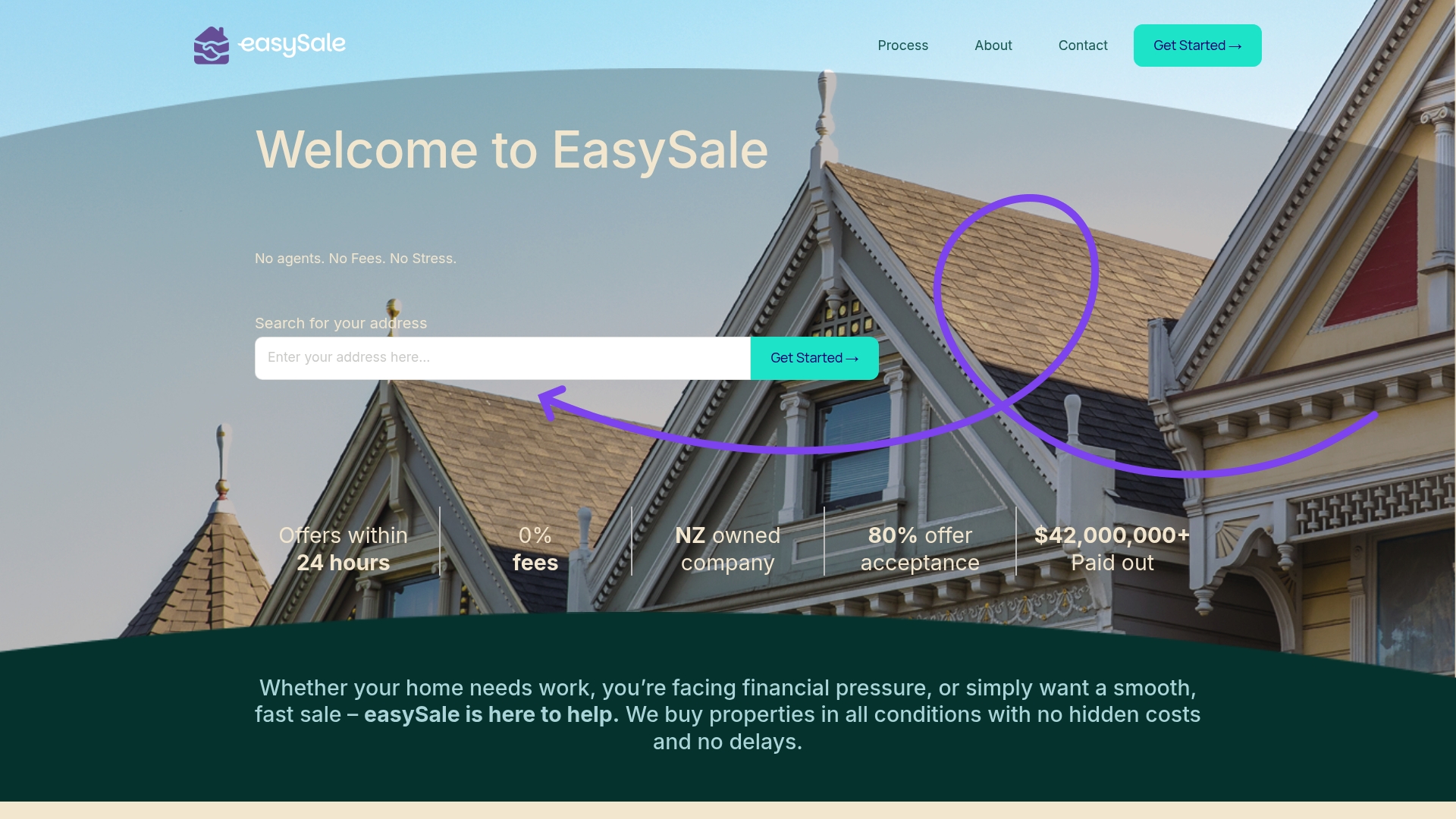
The process is three steps: submit your property details, receive your no-obligation offer, then settle on a date that suits your circumstances, whether that’s next week or next month. Easysale has paid out over $42 million to New Zealand sellers with a high offer acceptance rate, and every seller is encouraged to get independent legal advice before signing anything. If you’re ready to see a real number for your property, request your cash offer from Easysale today.
Where to get a written cash offer or read more
- Get a no-obligation offer from Easysale’s homepage.
- Check as-is buying criteria for damaged or tenanted homes.
- Read seller offer perspectives from infonews.co.nz.
Frequently asked questions
How much is it to sell a house for cash in New Zealand? Most cash offers represent a discounted percentage of estimated market value, depending on condition, location, tenancy and how fast you need to settle.
Do I pay agent commission on a cash sale? No. Selling directly to a cash buyer avoids the typical 2% to 4% agent commission plus marketing costs entirely.
What costs do I still pay if I sell for cash? You’ll typically still cover conveyancing or legal fees, any mortgage discharge fee, and a pro-rata rates adjustment at settlement.
How fast can settlement happen? Many cash sales settle in 7 to 14 days, though buyers will usually work with you if you need up to 30 days.
Can I sell a damaged or tenanted property for cash? Yes. Reputable cash buyers purchase as-is, meaning damaged, unconsented or tenanted properties don’t need repairs or vacant possession before sale.
This article is general information, not a substitute for advice from a qualified financial advisor. Consult a qualified financial professional about your own circumstances before acting on anything here.
Sources
Recommended
