
How speed impacts property sales for NZ homeowners
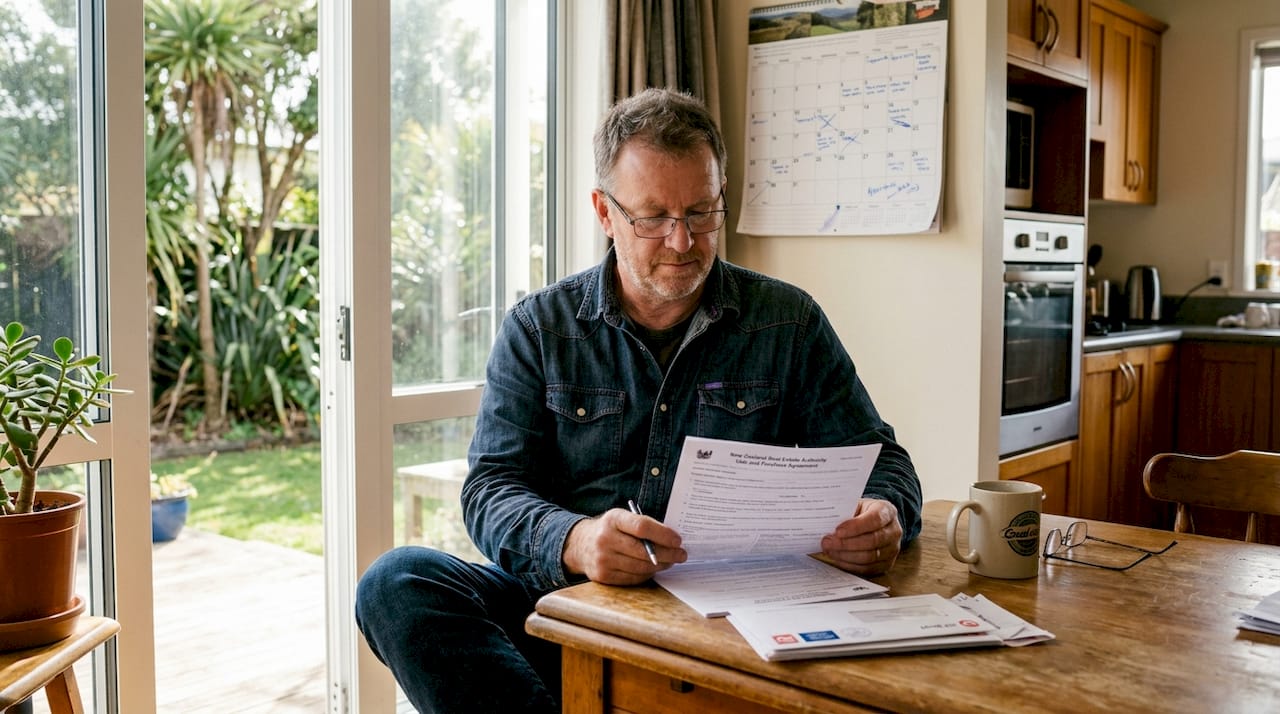
The national median sits at 56 days on the market as of February 2026. For most homeowners, that figure is just a statistic. But if you are facing redundancy, a relationship breakdown, mounting debt, or a property you simply cannot afford to hold, 56 days can feel like an eternity. Every week that passes means more mortgage interest, more rates, more insurance payments, and more stress. This article explains why speed matters so much in property sales, what actually influences how fast your home sells, and which strategies give you the best chance of a quick, certain outcome.
Table of Contents
- Why speed matters in property sales
- Traditional sales versus speed-focused strategies
- Key factors influencing how fast your property sells
- Choosing the fastest sale method: Auctions, cash sales, and direct offers
- Our take: Speed isn’t a sacrifice, it’s a strategy
- Connect with rapid-sale experts for peace of mind
- Frequently asked questions
Key Takeaways
| Point | Details |
|---|---|
| Urgency saves losses | Selling quickly can prevent worse financial or personal hardship if you face major life changes or financial stress. |
| Method matters most | Choosing the right sale strategy—auction, cash, or direct offer—affects both your timeline and final outcome. |
| Preparation is power | Being organised with pricing, repairs, and paperwork ensures the fastest possible settlement. |
| Trade-off clarity | Understand the balance between marketing for top price versus selling fast for certainty and relief. |
Why speed matters in property sales
When life throws a serious challenge your way, the last thing you need is a property sale dragging on for months. Speed in a property transaction is not simply about convenience. For many New Zealand homeowners, it is about financial survival and emotional relief.
Every month a property sits unsold, you are paying for it. Mortgage interest, council rates, insurance premiums, and maintenance costs continue to accumulate regardless of whether you are living there or not. If you are already under financial pressure, these ongoing costs can push a manageable situation into a crisis. The risk of a mortgagee sale, where your lender forces the sale of your home, becomes very real when payments fall behind.
There are many urgent sale reasons that bring homeowners to this point. Some of the most common include:
- Redundancy or job loss, which makes ongoing mortgage repayments unsustainable
- Separation or divorce, where both parties need to divide assets and move forward
- Inherited properties that come with unexpected costs and emotional complexity
- Disaster-damaged homes that are costly to repair and difficult to insure
- Serious illness or disability, which changes financial circumstances overnight
- Relocation, where a new job or family situation requires a fast move
Knowing when you are at a tipping point is important. There are clear signs to sell fast that many homeowners miss until the situation worsens.
A fast sale provides something that a prolonged listing cannot: certainty. When you know the sale is done, you can plan your next step, settle your debts, and stop the financial bleeding. As the team at easySale notes, quick sales prevent further financial loss in situations involving repossession risk, divorce, inherited properties, or damaged homes.
Delays do not just cost money. They extend stress, limit your options, and can allow a manageable problem to escalate into something far more serious. Acting early and decisively is almost always better than waiting.
Traditional sales versus speed-focused strategies
Understanding the reasons for urgency, it is essential to compare how standard and speed-focused sales differ in practice. The two approaches serve very different needs, and choosing the wrong one for your circumstances can cost you time, money, and peace of mind.
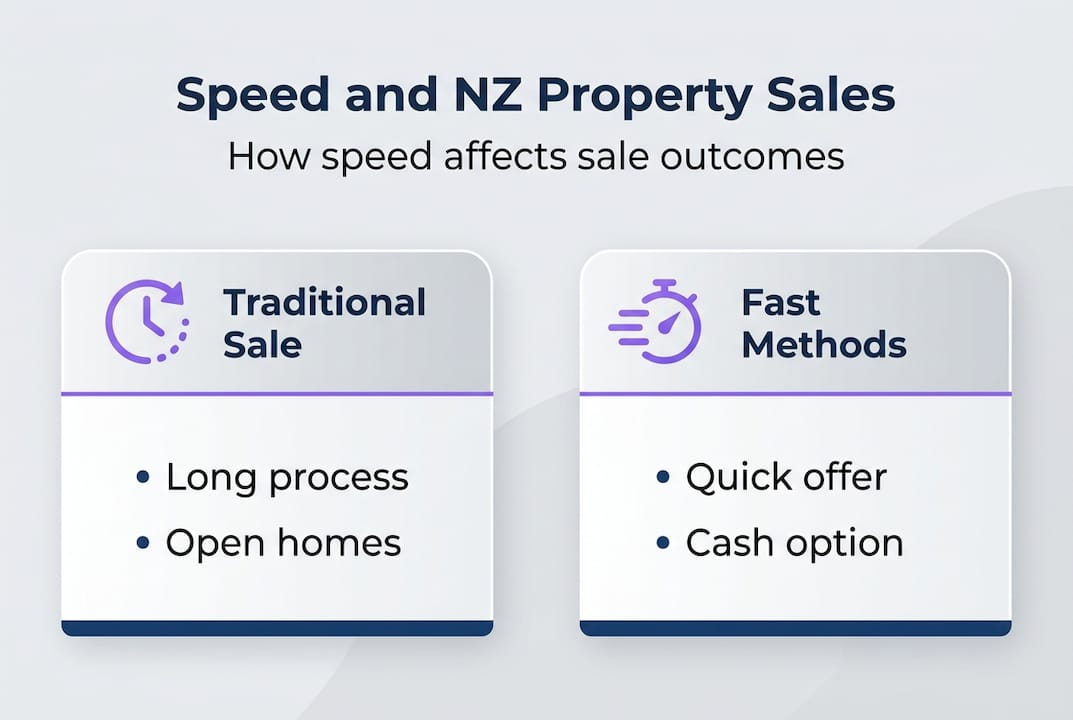
A traditional property sale through a real estate agent involves open homes, marketing campaigns, conditional offers, and often lengthy negotiations. When the market is strong and you have time on your side, this approach can maximise your sale price. But it comes with real risks. Conditional offers can fall through if a buyer cannot secure finance or if a building inspection raises concerns. The process can stretch well beyond 50 days, and there is no guarantee of a successful outcome.
Speed-focused strategies, such as cash sales or direct offers from property investors, work very differently. You receive an offer quickly, often within 24 to 48 hours. The sale is unconditional, meaning there is no risk of it falling apart at the last moment. Settlement can happen in days rather than months.

| Feature | Traditional sale | Cash or direct sale |
|---|---|---|
| Timeframe | 50 to 90+ days | 3 to 14 days |
| Sale certainty | Moderate (conditional offers) | High (unconditional) |
| Price outcome | Potentially higher | Slightly lower |
| Agent fees | Yes (commission applies) | No commission |
| Property condition | Usually needs presentation | Sold as-is |
| Suitable for | Patient sellers in good markets | Urgent or pressured sellers |
The key trade-off is certainty versus price maximisation. Traditional sales can deliver a higher figure if you are patient and the market is cooperative. But as RNZ reports, quick sales sacrifice some price for guaranteed fast liquidity, and this approach is superior in declining or uncertain markets.
If you are considering selling before auction, or simply need a clear fast sale guide to understand your options, doing your research early makes a real difference.
Pro Tip: If your market is softening or you are facing financial pressure, a slightly lower but guaranteed cash offer today is often worth more than a higher conditional offer that might not proceed.
Key factors influencing how fast your property sells
The right sale strategy is only effective when you understand which factors influence timeframes. Let us break down what truly makes a fast sale in New Zealand.
National median days on market shifted noticeably across recent months: 56 days in February 2026, 54 days in January 2026, and just 39 days in December 2025. These figures show how much seasonal and economic conditions affect timeframes. Summer months often see faster sales due to higher buyer activity.
| Month | Median days on market |
|---|---|
| December 2025 | 39 days |
| January 2026 | 54 days |
| February 2026 | 56 days |
Beyond timing, several practical factors affecting sale speed are within your control:
- Location and suburb strength: Properties in high-demand areas sell faster. Auckland’s inner suburbs and Wellington’s central areas typically move more quickly than regional or rural properties.
- Presentation and condition: A tidy, well-maintained home attracts more buyers and faster offers. You do not need a full renovation, but clean, decluttered spaces make a strong impression.
- Competitive pricing: Overpricing is one of the most common reasons properties sit on the market. A realistic price based on recent comparable sales draws genuine interest quickly.
- Documentation readiness: Having your Land Information Memorandum (LIM), title, and rates information ready before listing removes delays during due diligence.
- Seasonal trends: Spring and early summer are traditionally active periods for buyers in New Zealand.
Statistic to note: The difference between December 2025 (39 days) and February 2026 (56 days) shows a 17-day swing in median sale time, purely based on market timing.
If speed is your goal, focus on the factors you can control: price it right, present it well, and have your paperwork in order before you list.
Choosing the fastest sale method: Auctions, cash sales, and direct offers
Now that you know what speeds up or slows down a sale, let us review which selling method best matches your circumstances and timeline.
There are three main pathways for a fast property sale in New Zealand:
- Auction: A set date creates urgency and competitive bidding. Auctions can work well in strong markets with high buyer interest. However, as MoneyHub explains, auctions risk a no-sale outcome if buyer interest is low, and the process still takes several weeks to organise.
- Cash sale to a property investor: This is typically the fastest option. Investors buy properties as-is, without requiring repairs or staging. Settlement can happen within days. The trade-off is that the offer will usually be below market value, but the certainty and speed are unmatched.
- Direct offer or private sale: Selling directly to a known buyer or through a direct offer platform removes agent fees and can speed up the process, but finding the right buyer still takes time.
When choosing between these methods, consider the following:
- Property condition: If your home needs significant repairs, a cash sale or direct investor offer is your most practical path. Traditional buyers and auctions favour well-presented properties.
- Urgency level: If you need to settle within two weeks, only a cash or direct sale can realistically meet that timeline.
- Market conditions: In a slow market, auctions carry real risk. A guaranteed cash offer removes that uncertainty entirely.
Pro Tip: Before you list or accept any offer, prepare your title documents, LIM report, and rates information. Delays in providing these can stall even the fastest sale process by days or weeks.
For a step-by-step breakdown, the fast cash sale steps guide covers exactly what to expect. If you are still weighing your options, understanding why sell for cash can help clarify the decision. You can also revisit the sell quickly guide for a broader view of your choices.
Our take: Speed isn’t a sacrifice, it’s a strategy
Conventional wisdom says that rushing a sale means leaving money on the table. We think that view is too simple, and for many homeowners, it is genuinely misleading.
Here is the reality: when you are under financial or personal pressure, liquidity and certainty are worth more than a theoretical higher price that may never arrive. A higher offer that is conditional, delayed, or uncertain is not actually a better outcome. It is a gamble.
We have seen families avoid mortgagee sales by acting quickly. We have seen sellers escape months of uncertainty by accepting a fair cash offer and using that certainty to rebuild. We have seen people free up capital fast enough to start fresh, rather than watching their options narrow week by week.
Selling property in any condition is not a compromise. It is a practical, strategic choice that puts you back in control. The homeowners who regret fast sales are rare. The ones who waited too long and lost more are far more common than most people realise.
Speed, in the right circumstances, is not a sign of desperation. It is a sign of clear thinking.
Connect with rapid-sale experts for peace of mind
If speed is your top priority, working with property buyers who specialise in urgent, as-is sales is the most direct path to a certain outcome. You do not need to spend weeks preparing your home, negotiating with agents, or waiting on conditional buyers.
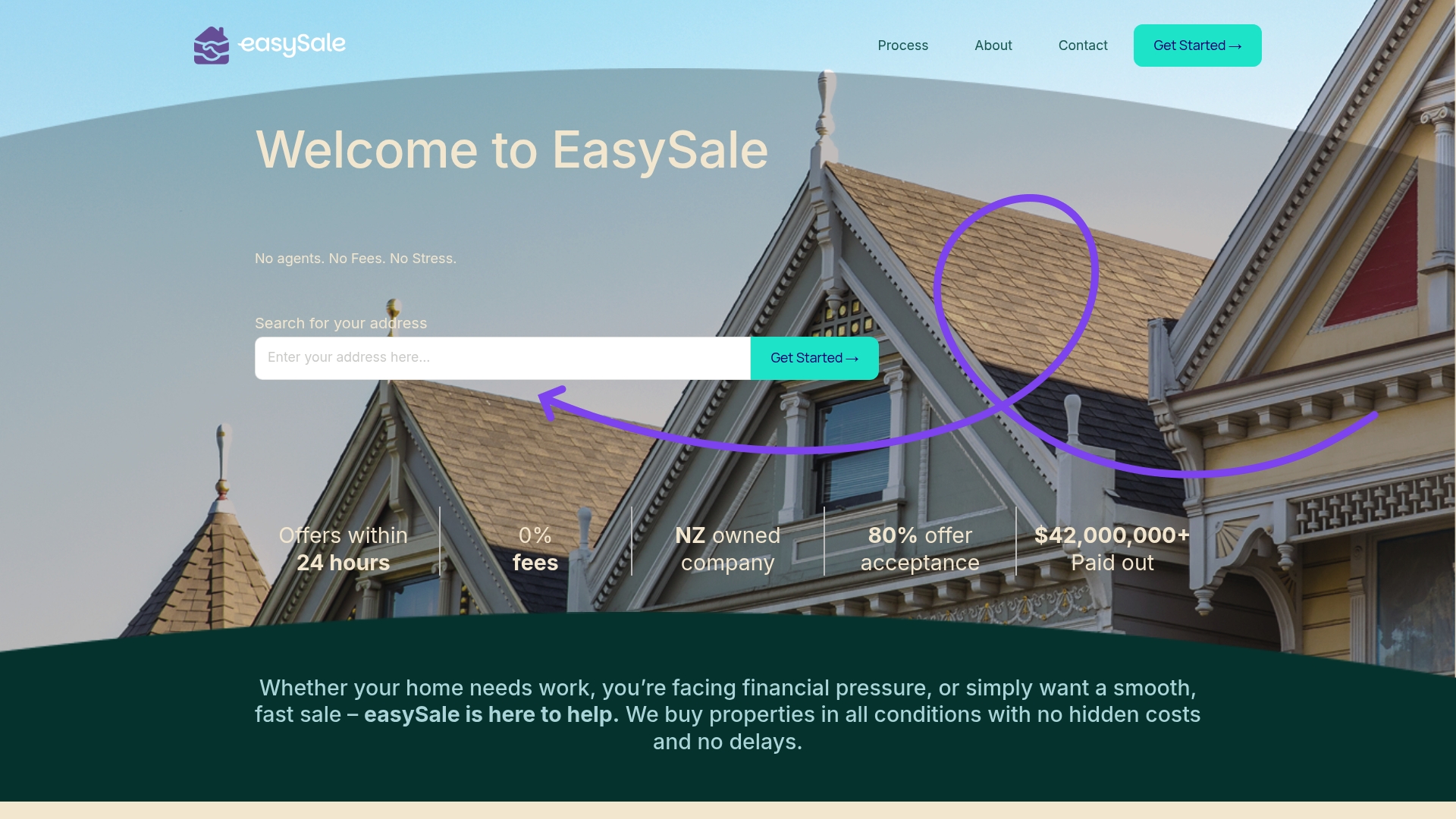
At easySale.co.nz, we work with New Zealand homeowners across all circumstances, whether you are facing debt, dealing with a damaged property, navigating a retirement downsizing house sale, or simply need to move on quickly. Our process is straightforward: submit your property details, receive a no-obligation cash offer, and settle on your preferred timeline. No agents, no commissions, no stress. Reach out today and take the first step towards certainty.
Frequently asked questions
How long does it usually take to sell a house in New Zealand in 2026?
The national median is 54 to 56 days on the market, but this varies significantly depending on your location, property type, and current market conditions.
Are cash sales really faster than auctions?
Yes. Cash sales often settle within days, while auctions risk no bids and can take several weeks to organise and finalise, with no guarantee of a successful result.
Is there a downside to prioritising speed over price?
Faster sales may bring slightly lower offers, but they prevent bigger losses. In declining markets, quick sales offer guaranteed liquidity that a prolonged listing simply cannot match.
What can I do to make my property sell faster?
Price it competitively, tidy up presentation, and prepare your documents early to avoid delays. These three steps alone can significantly reduce your time on the market.
Recommended
