
How to prepare for a quick sale: a Kiwi guide

TL;DR:Preparing for a quick sale begins with thorough market research and honest pricing, not immediate repairs. Focus on decluttering, staging, and curb appeal to attract buyers quickly while avoiding unnecessary delays. Consider cash buyer options like Easysale for certainty and speed in urgent situations.
When life forces your hand, knowing how to prepare for quick sale can mean the difference between a stressful scramble and a smooth, confident exit. Whether you are facing financial pressure, a relationship change, a job move to another city, or simply a property that has become too much to manage, the urgency is real. This guide walks you through every practical step, from the first market check to final negotiations, so you can sell quickly without leaving money on the table or your sanity behind.
Table of Contents
- Key takeaways
- How to prepare for quick sale: your first moves
- Clean, declutter, and repair the right things
- Curb appeal and staging your home
- Photography and online marketing
- Showings, pricing, and negotiating fast
- My honest take on selling under pressure
- How Easysale can help you sell fast
- Common questions
Key takeaways
| Point | Details |
|---|---|
| Research before anything else | A comparative market analysis sets a realistic price and prevents costly missteps before listing. |
| Clean and declutter first | A move-in ready presentation reduces buyer resistance and lifts listing appeal faster than repairs. |
| Stage before you repair | Prioritise staging and decluttering, then address only the repairs buyers will notice during tours. |
| Price competitively from day one | Overpricing stalls sales and raises buyer suspicion; local agent guidance keeps your price honest. |
| Consider a cash buyer option | Services like Easysale offer a fast, no-agent path for Kiwi homeowners who need certainty over speed. |
How to prepare for quick sale: your first moves
The first thing most urgent sellers do is start pulling up carpet or calling a painter. That instinct is understandable, but it can cost you weeks. The smarter first move is research.
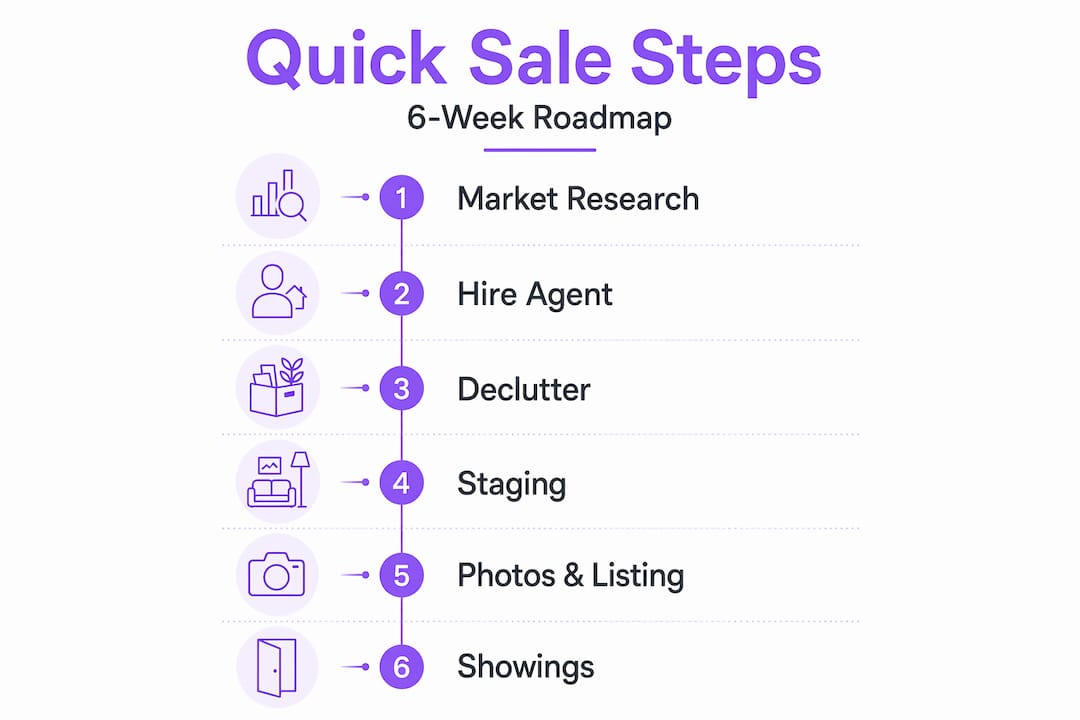
A 6-week preparatory roadmap structures preparation into phases: market research in week one, agent hire in week two, cleaning and decluttering in week three, key repairs in week four, curb appeal and upgrades in week five, then staging and photography in week six. Following that kind of logical sequence stops you wasting effort on low-priority tasks while the clock ticks.
Before you call a single tradesperson, understand what comparable homes in your area have sold for in the past 90 days. A local agent who specialises in quick sales can run a comparative market analysis for free. This tells you where to price your home honestly and what condition buyers in your specific suburb expect.
When selecting an agent, look for these qualities:
- Proven track record with fast sales, ideally within your price bracket and suburb
- Strong online marketing capability, including professional photography and social promotion
- Realistic communication style: someone who will tell you the truth about price, not just win your listing
- Availability and responsiveness, because slow communication in an urgent sale costs time
Timing also matters. Ask your agent about current stock levels in your area. If there are few comparable properties listed right now, you have more pricing power. If the market is flooded, competitive pricing from day one becomes even more critical.
Pro Tip: Ask prospective agents to show you evidence of their last three quick sales, including days on market and sale price versus initial asking price. That data tells you far more than any sales pitch.
Clean, declutter, and repair the right things
This is where a lot of sellers lose weeks. They decide to renovate the kitchen, replace the deck, and repaint every room. Then the contractors cancel, the materials take three weeks to arrive, and suddenly the property is still not listed.
Attempting too many minor repairs before listing can delay a sale by six to eight weeks due to contractor backlogs. When speed matters, you need to be ruthless about which repairs you actually tackle.
Here is a practical sequence:
- Remove personal clutter first. Clear out personal photos, excess furniture, and anything that makes rooms feel smaller or dated. Rented storage is worth every dollar at this stage.
- Deep clean every surface. Kitchens, bathrooms, windows, skirting boards, and light fittings. A pre-photography deep clean reduces buyer resistance and significantly improves how listing photos read online.
- Address visible safety issues. Loose handrails, broken locks, or damaged flooring near entryways will spook buyers and flag issues in any inspection report.
- Fix what buyers will see first. Walls with obvious scuffs or holes, leaking taps, and mouldy grout in bathrooms are all quick fixes that change buyer perception without requiring weeks of tradespeople.
- Leave everything else for post-offer negotiation. Cosmetic issues that require significant work can be credited to the buyer at settlement instead of delaying your listing.
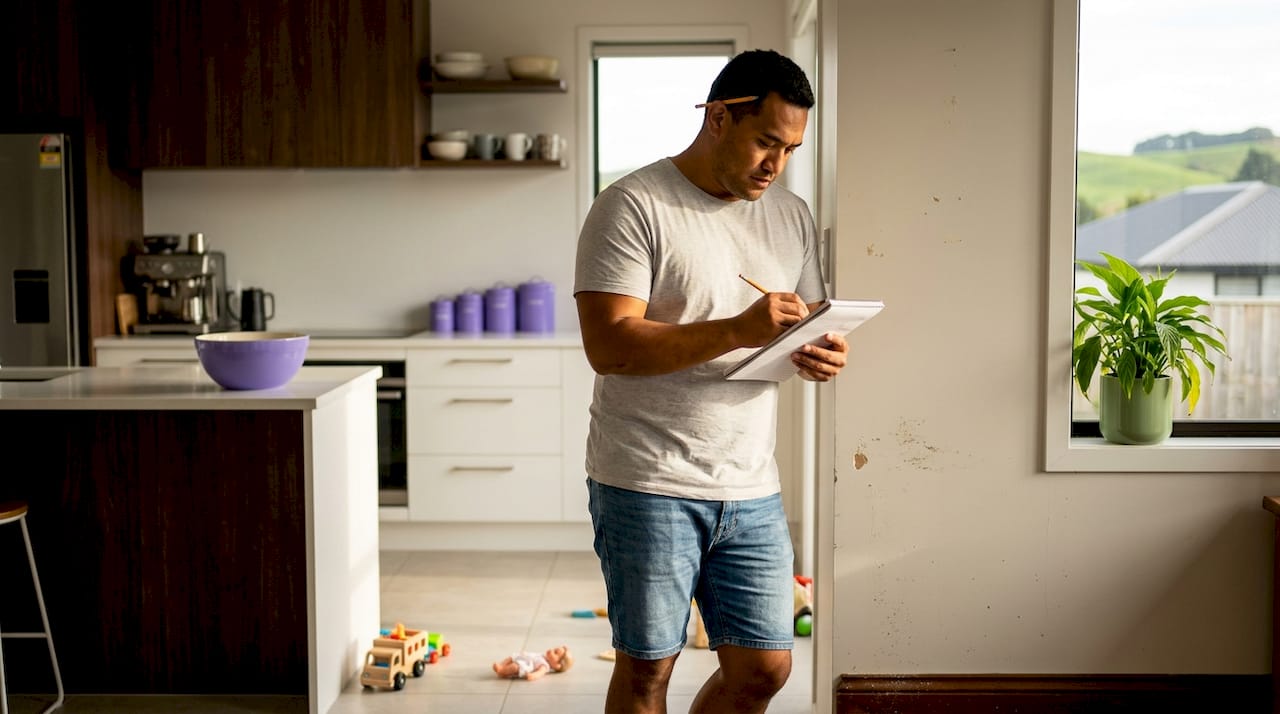
Pro Tip: Walk through your home with a notepad and a fresh eye, ideally with a friend who will be honest. Write down everything that catches their attention in the first 60 seconds. Those are the only things you need to fix before listing.
The distinction between a repair that helps your sale and one that just delays it is simple. Ask: would a buyer walk away because of this, or would they just note it and negotiate? If the answer is negotiate, leave it and focus on presentation instead.
Curb appeal and staging your home
Buyers in New Zealand make strong first impressions before they even open the front door. A neat, welcoming exterior generates more enquiries and more showings, and curb appeal improvements like a clean entryway, tidy landscaping, and fresh paint significantly influence buyer interest.
The good news is that curb appeal improvements do not need to be expensive. Mow the lawn, trim hedges, clear the driveway, replace a tired letterbox, and repaint the front door if the colour is faded. In wetter New Zealand climates, also check for mould on exterior walls, paths, and driveways. A pressure wash can transform a property’s appearance in an afternoon.
Inside the home, staging is one of the most effective tools available to any seller on a tight timeline. 83% of buyers’ agents report that staging helps buyers visualise living in the home, and 49% say it reduces market time directly. That is a significant result for a process that does not need to be expensive.
| Staging option | Approximate cost | Best for |
|---|---|---|
| DIY staging (your furniture rearranged) | Minimal | Properties with modern, presentable furniture |
| Partial staging (key rooms only) | $500 to $1,500 | Homes needing help in lounge or master bedroom |
| Full professional staging | $2,000 to $5,000+ | Vacant or dated properties needing full transformation |
| Virtual staging (digital only) | $200 to $600 | Budget-conscious sellers with vacant properties |
Staging works best not by chasing interior design trends but by helping buyers mentally picture themselves living there. That means neutral tones, uncluttered surfaces, good lighting, and a sense of space. Remove anything that anchors the home too firmly in your personal life or taste.
Photography and online marketing
Most buyers in New Zealand begin their property search online, which means your listing photos are your first open home. Poor photos of a well-presented property are a genuine missed opportunity.
Professional photography attracts more buyers faster, with photographers typically charging between $200 and $400 per session. For most sellers, that cost recovers itself many times over through stronger enquiry and faster offers.
If your budget is tight, these tips apply whether you hire a professional or shoot yourself:
- Shoot during the day with natural light flooding through open curtains
- Clear every surface completely before photographing kitchens and bathrooms
- Photograph from corners to maximise the sense of space in each room
- Include a strong exterior shot as your hero image
Beyond still photography, 360-degree video tours increase buyer confidence significantly, particularly for remote or time-pressed buyers who cannot attend open homes. A well-produced walkthrough video also keeps your listing active and engaging long after the first wave of interest.
Pro Tip: Upload your listing on a Wednesday or Thursday. Research from the New Zealand property market suggests mid-week listings attract more weekend open home registrations than Friday or Monday uploads.
Online, your listing description matters as much as the photos. Keep it factual and specific. Buyers want to know the number of bedrooms, car parks, approximate square metres, and the school zones. Save flowery language for the local newspaper. Online buyers skim listings in seconds.
Showings, pricing, and negotiating fast
The final phase of preparing your home for a quick sale is creating the conditions for offers to come in and converting those offers efficiently. Two factors determine this more than anything else: showing flexibility and price accuracy.
Homes typically require 10 to 25 showings before a sale. That number drops when your home is well-presented and priced correctly. But to get those showings, you need to accommodate buyers on their schedule, not yours. That may mean evening visits during the week or multiple open homes on a single weekend.
Follow this sequence to manage the offer phase:
- Accept all reasonable showing requests within 24 hours. Delayed responses lose buyers who are looking at several properties at once.
- Set a competitive asking price from day one. Underpricing raises red flags about potential problems, while overpricing stalls enquiry. Your agent’s comparative market analysis should guide this precisely.
- Create a clear deadline for offers when possible. Communicating an offer review date to all interested parties creates urgency without undervaluing the property.
- Negotiate on terms as well as price. A buyer who wants a long settlement might accept a slightly lower price in exchange for certainty. Being flexible on settlement date can close deals that might otherwise stall.
Speed in negotiation comes from preparation, not desperation. The sellers who close quickly are usually the ones who priced correctly, presented well, and were easy to deal with throughout the process.
My honest take on selling under pressure
I have worked alongside many Kiwi homeowners who needed to sell quickly, and the biggest mistake I see repeatedly is treating every imperfection as something that must be fixed before listing. It rarely helps and almost always slows things down.
The staging-first approach is genuinely underused in New Zealand. Most sellers think they need to repair, then stage, then list. But in my experience, decluttering and staging first gives you two advantages. Your home looks better immediately, and you can see clearly which repairs actually stand out once everything is tidy and neutral. Often the list shrinks considerably.
I also want to acknowledge the emotional weight of selling quickly. Whether it is a financial situation, a health issue, or a relationship breakdown, there is real stress attached to these sales. The most effective thing you can do is make decisions from information rather than anxiety. Know your market, know your floor price, and do not let urgency push you into accepting terms that do not serve you.
For sellers who want certainty over everything else, a cash buyer service removes the exposure entirely. That is worth considering seriously when the timeline is non-negotiable.
— Aaron
How Easysale can help you sell fast
If you have read this far and you are thinking “I do not have six weeks,” you are not alone. Many Kiwi homeowners need to sell their home fast without the uncertainty of open homes, agent timelines, or conditional offers.

Easysale works with New Zealand homeowners across the country, buying properties in any condition with no agent commissions, no repair requirements, and no drawn-out negotiations. You submit your property details, receive a fair cash offer, and choose your own settlement date. The process is genuinely straightforward. Whether you are dealing with financial pressure, an estate situation, a weather-damaged property, or a relationship change, Easysale has helped sellers in exactly your position find a clear path forward. Visit easysale.co.nz to get a no-obligation offer today.
Common questions
How long does it take to prepare a house for a quick sale?
With focused effort, most homes can be ready to list within two to four weeks. Following a structured process, starting with research and decluttering before moving to repairs and staging, keeps the timeline tight.
Should I repair everything before listing for a fast sale?
No. Tackling too many minor repairs can delay your listing by six to eight weeks. Focus on what buyers will notice during tours and inspections, and leave cosmetic issues for post-offer negotiation.
Does home staging really help sell a home faster?
Yes. Staging reduces time on market and helps buyers visualise living in the home. Even low-cost DIY staging makes a measurable difference to buyer interest and enquiry levels.
What is the most important thing to do first when preparing to sell quickly?
Conduct market research and understand comparable sale prices in your area before spending any money on repairs or improvements. Pricing correctly from day one is the single most effective move any fast-sale seller can make.
Can I sell my house quickly without a real estate agent?
Yes. Cash buyer services like Easysale allow Kiwi homeowners to sell without an agent, avoiding commission fees and drawn-out conditional offer processes entirely.
Recommended
