
How to prepare your house for a cash sale in NZ


TL;DR:A cash sale involves an outright property purchase without a mortgage, enabling settlement in as little as 7–21 days. Proper preparation focuses on targeted safety repairs, thorough documentation, and verifying genuine buyers to ensure a smooth, quick transaction. Cosmetic upgrades are unnecessary, as cash buyers plan their own renovations and price accordingly.
A cash sale is defined as a property transaction where the buyer purchases outright without mortgage financing, allowing settlement to occur in as little as 7–21 days. That speed is the single biggest reason Kiwi homeowners facing financial pressure, property damage, or sudden life changes choose this route over a traditional listing. To prepare your house for a cash sale, you do not need a full renovation. You need targeted repairs, clean documentation, and a verified buyer. Get those three things right and the process becomes straightforward.
How to prepare your house for a cash sale: the essentials
The most common mistake sellers make is treating a cash sale like a traditional listing. Cash buyers are not looking for a show-ready home. They are investors or direct buyers who plan to renovate themselves. That changes everything about how you should prepare.
Cash offers typically range between 70–95% of market value. That discount reflects the speed and certainty you gain, plus the savings on agent commissions and repair costs that would otherwise eat into your proceeds.
Your preparation goal is simple: remove the reasons a buyer might reduce their offer or walk away. That means focusing on safety, access, and honest disclosure. It does not mean new paint, landscaping, or a kitchen update.

What repairs actually matter for a cash sale?
Safety and access repairs are the only fixes that genuinely protect your offer price. Cosmetic work is largely wasted money when selling to a cash buyer.
Focus your attention on these areas:
- Leaks and water damage: Active leaks signal ongoing structural risk. Fix them or disclose them clearly.
- Electrical safety: Exposed wiring, faulty switchboards, or non-compliant fittings can become deal-breakers during a buyer’s assessment.
- Locks and security: All doors and windows should open, close, and lock properly. Buyers need safe access during inspections.
- Smoke detectors: These are a legal requirement in New Zealand. Confirm they are installed and working.
- Roof condition: You do not need to replace a roof, but visible damage should be noted and, where minor, addressed.
Cosmetic upgrades such as repainting walls, replacing carpet, or updating light fittings rarely influence a cash offer. Cash buyers price in their own renovation plans. Spending $8,000 on cosmetic work to recover $2,000 in offer value is a poor trade.
Yard presentation is a different story. A basic tidy-up and power wash can improve initial cash offers by 3–5% by lifting the property’s first impression. Mow the lawn, clear rubbish, and remove clutter from the exterior. That is a two-hour job with a measurable return.
Pro Tip: Target only the repairs that reduce a buyer’s negotiation leverage. Ask yourself: “Would a buyer use this to justify a lower offer?” If yes, fix it or disclose it. If no, leave it alone.
What documents should you prepare for cash buyers?
Documentation is where many sellers lose time and money. A buyer who cannot verify ownership or uncover the property’s history will either delay the process or reduce their offer to account for the unknown.
Prepare the following before you receive any offers:
- Title deed and proof of ownership: Your solicitor can provide a copy. Buyers need to confirm there are no caveats, mortgages, or disputes on the title.
- Council rates and property tax records: Recent statements confirm the property is up to date and give buyers a clear picture of holding costs.
- Disclosure of known issues: Document any defects, past repairs, or ongoing problems in writing. Transparency here prevents renegotiation later.
- Repair history: Invoices or records of past work, particularly for roofing, plumbing, or electrical, build buyer confidence.
- Comparable sales data: Three to five recent sales of similar properties in your area help buyers validate their offer and reduce back-and-forth.
A strong deal package includes property photos, comparable sales, a repair estimate, and your asking price. Buyers who receive this upfront move faster and negotiate less.
| Document | Why It Matters |
|---|---|
| Title deed | Confirms clean ownership and no encumbrances |
| Council rates statement | Shows property is financially current |
| Disclosure statement | Reduces post-survey renegotiation risk |
| Repair history | Builds buyer trust and speeds assessment |
| Comparable sales | Supports your asking price with market evidence |
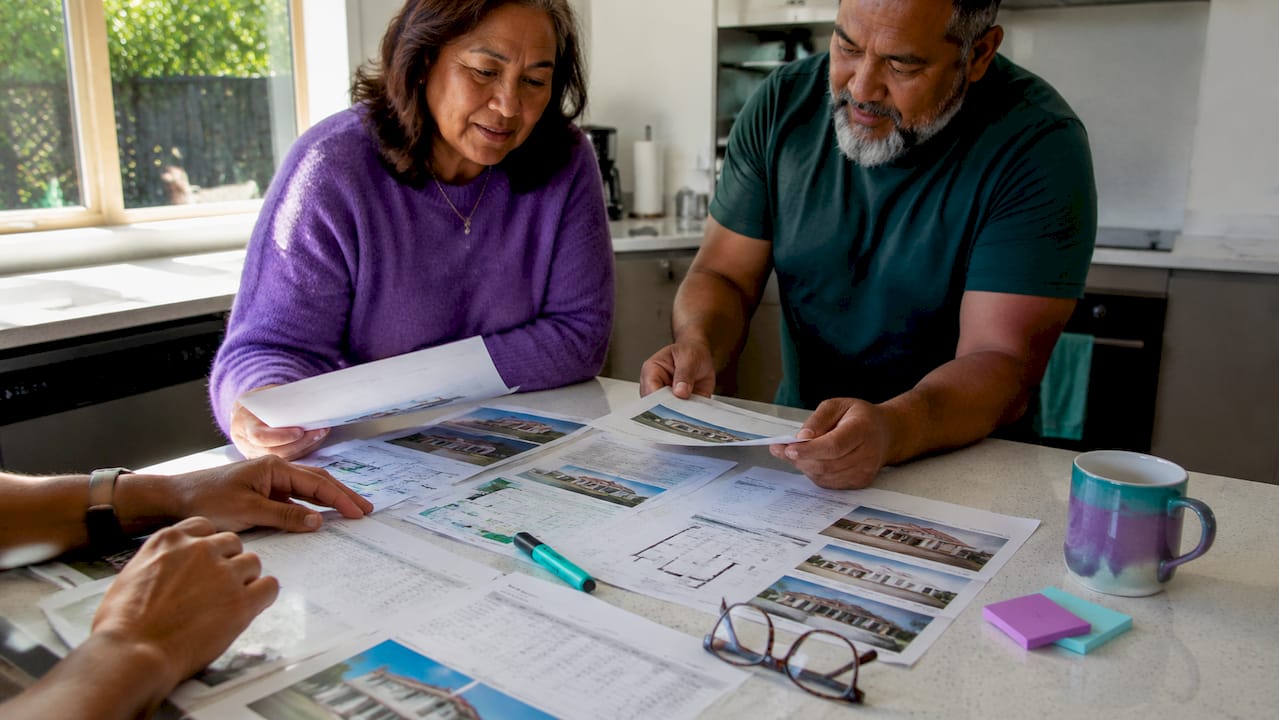
Transparency and readiness with documentation build buyer trust and are directly linked to faster cash sales. Buyers who feel informed do not need to pad their offer with a risk buffer.
Pro Tip: Write a one-page property summary covering the address, land size, key features, known issues, and your preferred settlement timeline. Share it with every buyer who makes contact. It sets a professional tone and saves hours of back-and-forth.
How do you identify a genuine cash buyer?
Not every buyer who says “cash” is ready to settle quickly. Verifying a buyer before you commit time and legal costs protects you from delays and scams.
Follow these steps to confirm a buyer is legitimate:
- Request proof of funds. Ask for a recent bank statement or a letter from a financial institution confirming available funds. A genuine cash buyer will provide this without hesitation.
- Check their purchase history. Searching property records for recent cash-only purchases confirms the buyer has completed similar transactions before.
- Watch for red flags. Requests for unusually long settlement periods, upfront fees from the seller, or pressure to skip legal review are all warning signs.
- Insist on your own solicitor. Use an independent solicitor rather than one recommended by the buyer. This protects your interests during title transfer and closing, regardless of whether the buyer offers to cover legal fees.
- Evaluate net proceeds, not headline price. The true value of an offer is what you receive after closing costs, legal fees, and any repair credits are deducted. Two offers with the same headline price can have very different outcomes.
Pro Tip: Ask every buyer directly: “Can you provide proof of funds today?” Their response tells you more than any paperwork. A buyer who hesitates or deflects is not ready to close.
What does the cash sale process look like step by step?
Understanding the full process removes uncertainty and helps you plan around your own timeline. Here is how a typical cash sale process unfolds:
- Submit your property details to one or more cash buyers. Include your documentation package and preferred settlement date.
- Receive an initial offer within 24–72 hours. This is usually a conditional figure based on the information you have provided.
- Buyer conducts a property assessment over 2–5 days. This may include a physical inspection or a desktop valuation depending on the buyer.
- Review the formal offer. At this stage you can negotiate, accept, or decline. Check the conditions carefully, particularly any clauses that allow price adjustment after survey.
- Sign the purchase agreement. Your solicitor reviews the contract before you sign. Confirm proof of funds is attached.
- Settlement occurs within 7–21 days. Title transfers and funds are received on the agreed date.
| Stage | Typical Timeframe |
|---|---|
| Initial offer received | 24–72 hours |
| Property assessment | 2–5 days |
| Formal offer and negotiation | 1–3 days |
| Contract signing | 1–2 days |
| Settlement and title transfer | 7–21 days total |
Cash sales close in 7–21 days with a success rate above 95%, compared to traditional sales that routinely take 30–90 days. That difference matters enormously when you are under financial or personal pressure.
One common pitfall at this stage is price renegotiation after the buyer’s survey. Cash buyers frequently request price reductions post-survey when issues are discovered. Clarify upfront exactly what conditions allow the buyer to adjust their offer. Get this in writing before you sign.
Common mistakes that derail a fast cash sale
Sellers who understand the process still make avoidable errors. These are the ones that cost the most time and money.
- Overinvesting in repairs or presentation. Spending on cosmetic work that cash buyers will redo themselves reduces your net proceeds without improving your offer.
- Skipping disclosure. Hiding known defects does not protect you. It creates legal risk and gives buyers grounds to renegotiate or withdraw after their assessment.
- Accepting unverified buyers. A buyer without confirmed funds can tie up your property for weeks before falling through.
- Using the buyer’s solicitor. This is one of the most common and costly mistakes. Your solicitor works for you. The buyer’s solicitor does not.
- Focusing on headline price alone. True value in offers is net proceeds after all costs. A higher headline offer with more fees and repair credits can leave you worse off than a lower but cleaner offer.
Pro Tip: Before signing any contract, ask the buyer to confirm in writing what events would trigger a price adjustment. This single step prevents the most common source of last-minute disputes in cash sales.
You can find a detailed home selling checklist that walks through each stage of a fast cash sale if you want a structured reference alongside this guide.
Key takeaways
Preparing your house for a fast cash sale requires targeted safety repairs, complete documentation, and a verified buyer. These three steps protect your net proceeds and prevent delays.
| Point | Details |
|---|---|
| Focus repairs on safety only | Fix leaks, electrical faults, and locks. Skip cosmetic work cash buyers will redo themselves. |
| Prepare documents before listing | Title deed, rates, disclosure statement, and comparable sales speed up buyer confidence. |
| Verify buyers with proof of funds | Request a bank statement or lender letter before committing time or legal costs. |
| Use your own solicitor | Independent legal counsel protects you during title transfer regardless of buyer offers to pay fees. |
| Evaluate net proceeds, not headline price | Deduct closing costs, legal fees, and repair credits to compare offers accurately. |
What i have learned from watching cash sales go wrong
The sellers who struggle most with cash sales are the ones who treat it like a traditional listing. They spend weeks repainting, staging, and tidying before they have even spoken to a buyer. By the time they receive an offer, they have already spent money the buyer does not care about.
The sellers who do well take the opposite approach. They spend a few hours fixing the things that give buyers negotiation ammunition, gather their documents, and get offers on the table fast. Then they evaluate those offers properly, meaning they look at net proceeds, not just the number at the top of the page.
The other thing I have seen trip people up is the solicitor question. Buyers sometimes offer to cover your legal fees if you use their recommended solicitor. That sounds helpful. It is not. Your solicitor’s job is to protect your interests, and that is worth paying for separately. The cost of independent legal advice is small compared to the risk of signing a contract with unfavourable terms you did not fully understand.
If you are selling under pressure, whether that is financial stress, a damaged property, or a life change that cannot wait, the best thing you can do is stay calm and stay organised. The process is faster than most people expect once the right preparation is in place. Do not let urgency push you into skipping the steps that protect you.
— Aaron
Sell your home as-is with Easysale
If your property needs work, or you simply cannot wait months for a traditional sale, Easysale offers a direct path to a fair cash offer with no agent commissions and no pressure to renovate.

Easysale buys properties across New Zealand in any condition, including homes with damage, deferred maintenance, or complex circumstances. The process takes three steps: submit your property details, receive a no-obligation cash offer, and settle on your preferred timeline. There are no hidden fees and no obligation to accept. For homeowners dealing with damaged or as-is properties, Easysale provides a clear, respectful process that gets you to settlement without the stress of a traditional listing.
FAQ
How quickly can a cash sale settle in new zealand?
Cash sales in New Zealand typically settle within 7–21 days. This is significantly faster than traditional sales, which can take 30–90 days or longer.
Do i need to fix my house before a cash sale?
You only need to address safety and access issues such as leaks, faulty electrics, and broken locks. Cosmetic repairs are generally unnecessary because cash buyers plan to renovate the property themselves.
What documents do i need for a cash sale?
Prepare your title deed, recent council rates statements, a written disclosure of known defects, and any repair history. Including comparable sales data helps buyers validate their offer quickly.
How do i know if a cash buyer is genuine?
Ask for written proof of funds, such as a bank statement or lender letter, and check their history of completed cash purchases through property records. A genuine buyer will provide this without delay.
Can a cash buyer reduce their offer after the inspection?
Yes. Many cash sale contracts allow price renegotiation if the buyer’s survey uncovers issues. Clarify the exact conditions that trigger price adjustments before you sign the purchase agreement.


