
NZ private sale: lawyer checked checklist plus fast cash in 7 days


Yes, you can sell your house without an estate agent, and plenty of Kiwis do it successfully every year. You keep control over price, marketing and negotiation, and you save on commission, but you take on the jobs an agent would normally handle: pricing, advertising, viewings, negotiation and paperwork. Mandatory disclosures and a lawyer or conveyancer are non-negotiable parts of the process. Success simply means finding a buyer, meeting the conditions, and reaching settlement.
TL;DR:Proper valuation from a registered appraiser or recent comparable sales is crucial to avoid mispricing and ensure strong negotiating leverage.Choosing the right sales method, such as auction or deadline sale, depends on local demand and can influence how quickly and effectively you sell.Marketing should include professional photos, accurate descriptions, and targeted outreach through property portals and social media for better buyer engagement.Legal disclosure obligations require sellers to reveal known issues, and using a lawyer to prepare or review the sale agreement helps protect against future legal action.Private sales typically take similar timeframes as agent-assisted ones but demand more effort, especially in marketing, paperwork, and legal compliance.
EasysaleSell Your Property With Less HassleEasysale helps New Zealand homeowners sell properties in any condition through a straightforward cash offer process without real estate agents.Explore your selling options
Table of Contents
- Quick checklist: first practical steps to selling without an agent
- Step-by-step process from listing to settlement
- How to set a realistic price and when to pay for a valuation
- Practical marketing, listing options and running viewings
- Disclosure, legal obligations and the sale and purchase agreement
- How to evaluate offers, negotiate and get to settlement
- Expected costs, realistic timeline and how to reduce common risks
- When selling privately makes sense
- A faster, agent-free option worth knowing about
- Sources
- FAQ
Quick checklist: first practical steps to selling without an agent
Before you list anything, work through a short list of decisions. Getting these right early saves you time and stress later.
- Decide whether private sale suits your timeline, confidence level and how much time you can commit.
- Get a market appraisal or valuation so your price is grounded in reality, not hope.
- Engage a property lawyer or conveyancer early, since government guidance recommends lining one up before you sign anything.
- Gather your title, LIM report and any building reports, then photograph the property properly.
- Set an asking price, choose a sales method, and get the house ready for viewings.
Pro Tip: Book your lawyer before you list, not after an offer lands. Delays waiting for legal advice can cost you a buyer.
Step-by-step process from listing to settlement
Selling privately follows a logical sequence, and skipping steps is where most sellers run into trouble.
- Choose your sales method. Advertised price, deadline sale, tender, auction and negotiation each suit different markets and levels of buyer interest, so pick the one that matches demand in your area.
- Value the property properly. Use recent comparable sales as a starting point, and get a paid valuation if your property is unusual or you’re unsure.
- Prepare the property and paperwork. Tidy up, fix obvious faults, pull together your title, LIM and any building reports, then write an accurate listing and take strong photos.
- List and manage enquiries. Respond to interest quickly, screen out timewasters, and run viewings that show the property at its best.
- Record offers and manage conditions. Track every offer in writing, use conditions like finance or building reports to manage risk, then work with your lawyer to move the accepted offer to unconditional and through to settlement.
How to set a realistic price and when to pay for a valuation
Start with recent comparable sales in your area and QV data, then adjust for your property’s condition, aspect and location relative to those comparables. A property backing onto a busy road or needing a new roof won’t sell for the same price as a near-identical home without those issues.
A registered valuation or a written appraisal from an independent valuer is worth the cost when your property is unusual, when you’re unsure about the local market, or when a bank valuation might later challenge your asking price. Pricing strategy matters too:
- An advertised price gives buyers certainty and can speed up decisions.
- By negotiation invites offers but can put off buyers who want a clear starting point.
- Tender or deadline sale creates urgency and can push competing buyers to act.
A property priced close to genuine market value from day one tends to attract serious buyers faster and gives you stronger negotiating leverage, according to Settled, which notes that private sellers who skip proper valuation advice often struggle to judge this correctly.
Practical marketing, listing options and running viewings
Good marketing starts with the basics done well. Clear, well-lit photos, an accurate description, a floor plan and a chattels list give buyers everything they need to decide whether to view.
- List on major property portals and use local Facebook groups or community noticeboards to widen reach.
- Screen enquiries by phone before booking a viewing, asking about finance readiness and timeframes.
- Run open homes at consistent times and follow up every visitor within a day or two.
- Keep a simple spreadsheet of who viewed, when, and their level of interest.
Professional photography and light staging cost money, but a tidy, well-photographed home usually generates more genuine enquiries than a cluttered one with phone snaps.
Pro Tip: Ask every viewer for feedback on price and condition. Patterns in their answers tell you more than any single opinion.

Disclosure, legal obligations and the sale and purchase agreement
Private sellers carry the same legal disclosure duties as agents do. You must disclose known issues such as weather-tightness problems, boundary disputes and unconsented work, and Settled.govt.nz warns that hiding these can lead to legal action after settlement.
- Use a lawyer or conveyancer to prepare or check the sale and purchase agreement.
- Have your lawyer hold deposit funds in trust until conditions are satisfied.
- Check whether a previous agency agreement could still entitle an agent to commission.
Sellers should get a property lawyer or conveyancer to prepare or check the sale and purchase agreement, and use them to hold deposit funds until settlement. New Zealand Government
If you previously listed with an agent, check the agreement carefully. The Real Estate Authority explains that standard clauses can still entitle an agent to commission if you sell privately within a set period after the agreement ends. Common conditions on offers, such as finance, LIM reports or building inspections, each need to be satisfied before the sale can go unconditional.
How to evaluate offers, negotiate and get to settlement
Comparing offers means looking past the headline price.
- Weigh price against conditions. A higher offer with several conditions can be riskier than a slightly lower unconditional one.
- Check deposit size and settlement date. A larger deposit and a settlement date that suits you both reduce friction later.
- Negotiate in writing. Draft counteroffers clearly and keep every exchange documented so there’s no confusion later.
- Understand going unconditional. This happens once all conditions, such as finance or a satisfactory building report, are met, and your lawyer confirms the agreement is binding before settlement.
- Protect yourself if a buyer pulls out. Keep the property listed until you’re genuinely unconditional, and ask your lawyer about your options if a buyer defaults.
Expected costs, realistic timeline and how to reduce common risks
Selling privately saves you the agent’s commission, but budget for legal fees, marketing costs, a valuation and any repairs buyers flag. A private sale typically moves at a similar pace to an agent-assisted one once you factor in marketing, viewings and the conditional period, though a well-priced, well-presented home in a strong market can move faster.
- Underpricing or overpricing both cost you money: get a proper valuation before you commit to a number.
- Missed disclosures create legal risk: read Consumer Protection New Zealand’s guidance on building reports and red flags before you list.
- Unready buyers waste your time: screen for finance approval before booking viewings.
Private sellers who skip independent valuation advice risk mispricing their property, according to Settled.govt.nz, which is a large part of why realistic pricing from the outset matters so much.
When selling privately makes sense

Private sale suits homeowners with time to spare, confidence dealing with strangers, and a straightforward title with no complicated ownership or unconsented work hanging over it. If your situation involves a messy title, a tricky mortgage discharge or a buyer who needs unusual finance arrangements, get professional help rather than muddling through.
The honest trade-off is effort for savings. You’ll spend real hours on marketing, viewings and paperwork, and you carry more risk if something is missed. Where things get complicated, a lawyer, valuer or conveyancer earns their fee.
— Aaron
A faster, agent-free option worth knowing about
If your priority is speed or privacy rather than maximising every last dollar, There are property buying services that provide fast, fair cash offers for properties in any condition, with no agent fees, no commission and no repairs required before you sell.
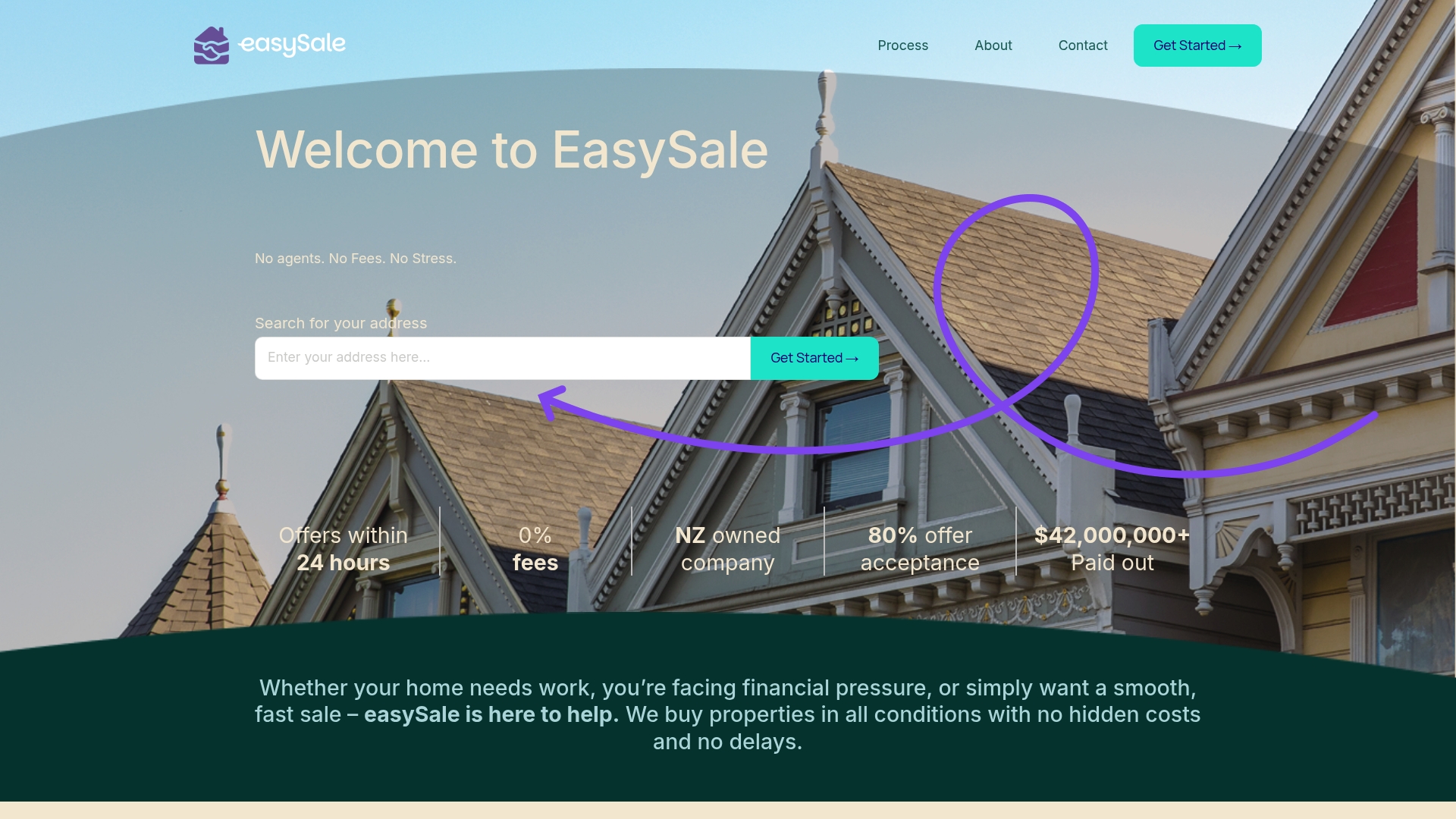
This suits homeowners facing urgent timeframes, properties that need work no buyer wants to take on, or sellers who’d rather skip open homes altogether. Whether you’re managing a divorce or separation, handling an estate sale, or just need to sell fast within 7 days, the process starts with submitting your property details and getting a no-obligation offer, with settlement on your own timeline. You can request your offer through EasySale whenever you’re ready to see what a private, agent-free sale could look like for you.
Sources
- Settled
- Selling your house | New Zealand Government
- Standard clauses for residential and rural agency agreements | The Real Estate Authority
- Building reports and red flags | Consumer Protection New Zealand
This article is general information, not a substitute for advice from a qualified financial advisor. Consult a qualified financial professional about your own circumstances before acting on anything here.
FAQ
What is the hardest month to sell a house?
There’s no single hardest month that applies everywhere, since local demand shifts with the season and the state of the market in your region. Talk to a local valuer or check recent comparable sales for your area before assuming any month is a bad time to list.
Do I have to pay estate agent fees if I pull out of a sale?
It depends on whether you signed an agency agreement and what its terms say. The Real Estate Authority explains that standard clauses can still entitle an agent to commission under certain circumstances, so check your agreement or ask a lawyer.
What is the easiest way to sell my house?
The easiest route for most sellers is a direct cash sale to a buyer like EasySale, since it skips marketing, viewings, agent fees and repairs altogether. For sellers with more time and confidence, a well-prepared private sale with proper legal support is the next simplest option.
How much tax do you pay when selling a house in New Zealand?
Tax on a property sale in New Zealand depends on factors including how long you’ve owned it, whether it was your main home, and rules like the bright-line test. Because these rules are specific to your situation, check current guidance on govt.nz or speak with an accountant before you sell.


