
Fast property sale checklist for New Zealand 2026

Selling your home quickly can feel overwhelming, especially when life throws unexpected challenges your way. Whether you’re facing financial difficulties, urgent relocation, or property damage, having a clear roadmap makes all the difference. This comprehensive checklist guides New Zealand homeowners through every step of a fast property sale, from initial preparation to final settlement. You’ll discover proven strategies to accelerate your sale timeline, avoid common pitfalls, and make informed decisions that protect your interests. Let’s explore how to navigate the fast sale process with confidence and clarity.
Table of Contents
- Checklist Criteria For A Fast Property Sale
- Options For Selling Your Property Fast In New Zealand
- Comparing Fast-Sale Methods: A Side-By-Side Checklist
- Making The Right Decision: Tips For A Fast, Hassle-Free Sale
- Ready To Sell Your Property Fast? Here’s How We Can Help
- FAQ
Key takeaways
| Point | Details |
|---|---|
| Preparation accelerates sales | Assessing your property condition and obtaining necessary certifications like HomeFit can significantly reduce your sale timeline |
| Multiple sale methods exist | Auctions, private sales, and as-is options each suit different situations and urgency levels |
| Legal disclosure is critical | Transparent communication about property defects prevents future disputes and legal challenges |
| Professional guidance matters | Lawyers and agents help navigate complex contracts and ensure compliance with New Zealand property law |
| Realistic pricing speeds outcomes | Balancing market value with urgency creates momentum and attracts serious buyers quickly |
Checklist criteria for a fast property sale
Before diving into sale methods, you need to evaluate several foundational criteria that directly impact your timeline and success. These considerations form the backbone of your property selling checklist essentials and determine which approach suits your situation best.
Start by honestly assessing your property’s current condition. Walk through each room and note any visible issues like dampness, structural concerns, or outdated fixtures. HomeFit certification standards impact buyer interest significantly, so consider whether obtaining this certification aligns with your timeline and budget. If you’re selling quickly, minor cosmetic repairs might not justify the time investment, but safety issues demand attention.
Your financial position and urgency level shape every subsequent decision. Ask yourself these critical questions:
- How quickly do you absolutely need to sell?
- Can you afford to wait for the right buyer, or do you need immediate cash?
- Are you willing to accept a lower price for speed and certainty?
- What are your minimum acceptable proceeds after debts and costs?
Understanding your legal obligations early prevents costly delays. New Zealand property law requires specific disclosures about known defects, boundary disputes, and resource consent issues. Gather documentation now rather than scrambling later when buyers request information. Your lawyer can identify potential liability concerns that might affect your sale strategy.

Set realistic price expectations by researching recent comparable sales in your area. Market conditions in 2026 vary significantly across regions, so local data matters more than national trends. A property in Auckland’s hot market behaves differently than one in a quieter provincial town. Factor in your property’s condition when benchmarking against similar homes.
Pro Tip: Schedule a pre-sale consultation with both a property lawyer and a real estate professional to identify potential roadblocks before listing. This small investment of time can save weeks of delays and thousands in unexpected costs.
Options for selling your property fast in New Zealand
New Zealand offers several distinct pathways for fast property sales, each with unique advantages and considerations. Understanding these options helps you choose the method that aligns with your priorities and circumstances.
Auctions create urgency and competition among buyers, often resulting in faster sales and potentially higher prices. New Zealand auction sale conditions explained show that buyers must complete all due diligence before bidding, and successful bids create unconditional contracts. This eliminates the risk of deals falling through during conditional periods. Auctions benefit from NZ’s competitive market environments where multiple buyers compete for desirable properties.
However, auctions demand significant preparation. You’ll need to provide comprehensive property information upfront, including LIM reports, building inspections, and title documents. Marketing costs can be substantial, and there’s no guarantee your property will sell if bidding doesn’t reach your reserve price. The pressure-cooker environment suits confident sellers with well-presented properties in sought-after locations.
Private sales offer more control and flexibility over the process. You can negotiate directly with buyers, adjust your asking price based on feedback, and work within timeframes that suit both parties. This method works well when you have a specific buyer in mind or prefer a less public sale process. The downside is potentially longer timeframes as you wait for the right buyer to emerge and navigate conditional sale periods.
Selling as-is represents the fastest option for many homeowners, particularly those with properties needing repairs or facing urgent deadlines. Advantages of selling property as-is in NZ include skipping costly renovation work and closing deals within two to four weeks. This approach suits distressed sellers, inherited properties, or homes with significant damage where repair costs outweigh potential value gains.
When you sell your house as-is, buyers accept the property with all existing faults and defects. You’re not obligated to fix anything, but you must disclose known issues honestly. This transparency protects you legally while allowing buyers to make informed decisions. Cash buyers and property investors typically purchase as-is properties, valuing speed and simplicity over perfect condition.
Consider these factors when choosing your sale method:
- Your available timeframe and urgency level
- Property condition and willingness to invest in improvements
- Local market dynamics and buyer demand
- Your comfort level with different sale processes
- Financial goals and minimum acceptable price
Each property sale option serves different needs. Match your choice to your specific circumstances rather than following generic advice.
Comparing fast-sale methods: a side-by-side checklist
A clear comparison helps you evaluate which fast-sale method delivers the outcomes you need. This table summarises the key differences across auction, private sale, and as-is approaches.
| Factor | Auction | Private Sale | As-Is Sale | | — | — | — | | Typical Timeline | 4-6 weeks from listing to settlement | 6-12 weeks depending on conditions | 2-4 weeks from offer to settlement | | Buyer Commitment | Unconditional on fall of hammer | Usually conditional (finance, building inspection) | Often unconditional cash offers | | Upfront Costs | High (marketing, reports, presentation) | Moderate (agent fees, basic marketing) | Minimal (no repairs or improvements) | | Preparation Required | Extensive (full reports, presentation) | Standard (tidy, basic repairs) | None (sold in current condition) | | Price Outcome | Potentially higher in hot markets | Market value with negotiation room | Below market but certain and fast | | Legal Risk | Lower (unconditional sale) | Moderate (deal may fall through) | Low with proper disclosure | | Best For | Well-presented homes in demand | Sellers with time flexibility | Urgent sales, damaged properties |
This comparison reveals important trade-offs between speed, price, and certainty. Auctions maximise competition but require significant upfront investment and work best in strong markets. Private sales offer flexibility but introduce uncertainty through conditional periods. As-is sales prioritise speed and simplicity over maximum price.
Your decision should weigh these factors against your personal priorities. If you’re facing foreclosure or urgent relocation, the certainty and speed of an as-is sale might outweigh the potential for a higher auction price. Conversely, if you have a desirable property and can afford to wait, an auction might deliver better financial results.
Understanding how to sell property fast in NZ means recognising that no single method suits everyone. Your choice depends on your unique combination of timeline pressure, financial needs, property condition, and risk tolerance. When evaluating property offers in 2026, consider both the financial terms and the certainty of completion.
Making the right decision: tips for a fast, hassle-free sale
Executing your chosen sale method effectively requires attention to detail and proactive planning. These expert tips help you avoid common pitfalls and streamline your transaction.
Always disclose known property defects comprehensively, regardless of your sale method. Legal challenges in as-is NZ property sales affect approximately 15% of transactions where sellers fail to reveal issues. Honesty protects you from future liability and builds buyer confidence. Document everything in writing and keep records of all communications about property condition.
Engage trusted professionals early in the process. A property lawyer reviews contracts, clarifies your obligations, and ensures compliance with New Zealand property law. Real estate agents bring market expertise and buyer networks. Don’t skimp on professional advice to save money, particularly when selling as-is property where disclosure requirements are critical.
Prepare all essential documents before marketing your property:
- Land Information Memorandum (LIM) report from your local council
- Certificate of title showing ownership and any encumbrances
- Building inspection reports identifying structural issues
- Warranties and guarantees for recent work or installations
- Resource consent documentation for any alterations
Having these ready demonstrates professionalism and accelerates buyer due diligence. Delays in obtaining documents often derail fast sales when buyers lose patience or find alternative properties.
Price your property realistically from the start. Overpricing hoping to negotiate down wastes precious time and creates negative market perception. Research comparable sales thoroughly and consider obtaining a professional valuation. Remember that speed often requires some price flexibility, particularly in as-is sales where buyers factor in repair costs.
Stay informed about current market conditions and buyer behaviour in your area. Markets shift quickly, and strategies that worked six months ago might not suit today’s environment. Your agent or property professional can provide insights into what’s moving quickly and what’s languishing.
Pro Tip: Create a comprehensive information pack for potential buyers including all reports, documents, and property history. This transparency speeds up their decision-making and demonstrates you have nothing to hide.
“The fastest sales happen when sellers are completely transparent and prepared from day one. Buyers can sense when information is being withheld, and it kills deals faster than any property defect.” — Experienced NZ Property Lawyer
Maintain clear, prompt communication throughout the process. Respond quickly to buyer enquiries, agent requests, and lawyer questions. In fast sales, delays of even a few days can mean the difference between success and a collapsed deal. Understanding the advantages of fast property offers helps you recognise genuine opportunities when they arise.
Ready to sell your property fast? Here’s how we can help
If you’re ready to move forward with a fast, hassle-free sale, easySale.co.nz offers solutions designed specifically for New Zealand homeowners in your situation. We specialise in purchasing properties quickly, regardless of condition, removing the stress and uncertainty from your sale process.
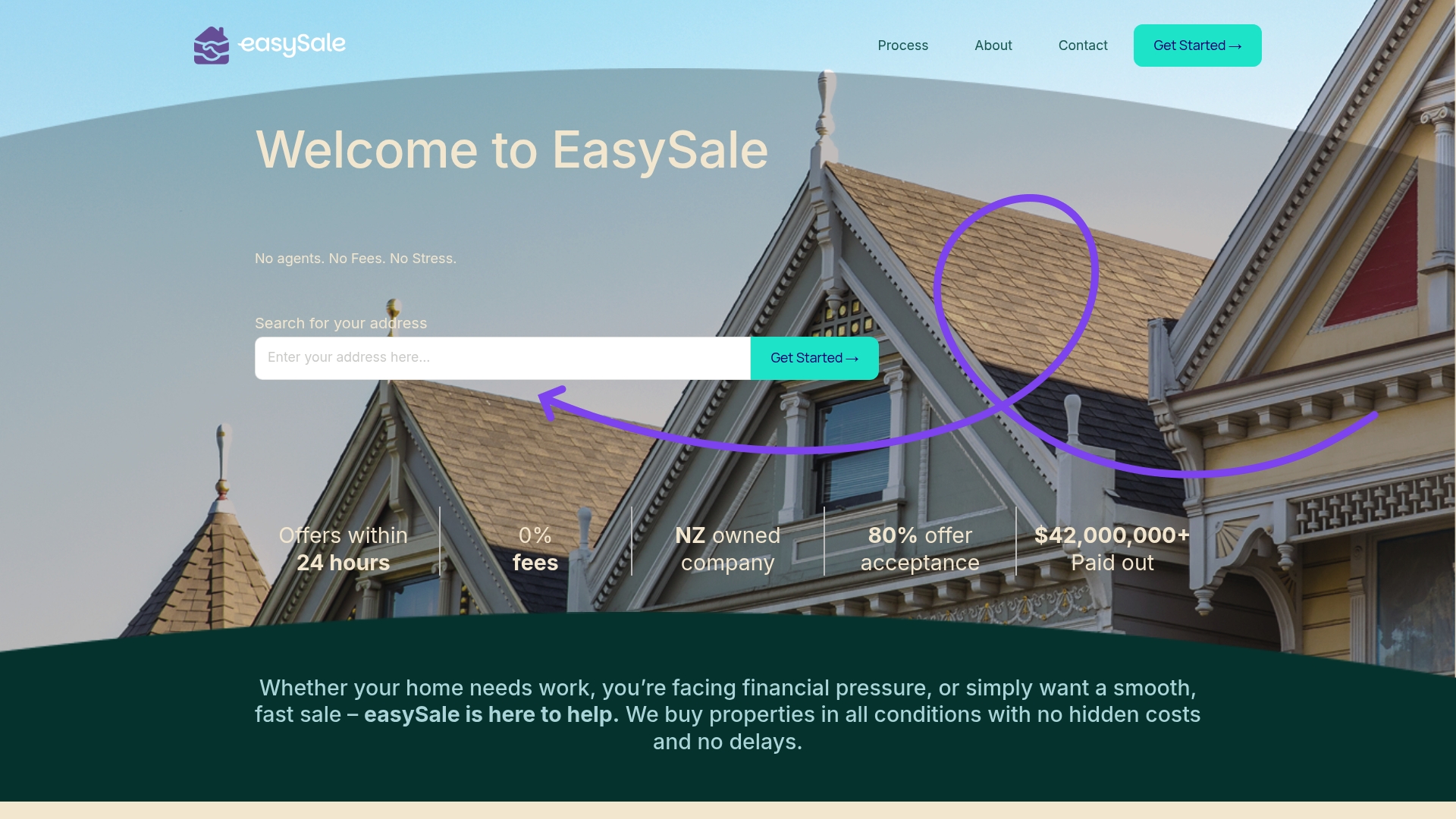
Our direct cash buying service means no agent fees, no lengthy marketing periods, and no deal uncertainty. We buy damaged houses as-is, including properties with structural issues, weather damage, or deferred maintenance. You won’t need to spend a cent on repairs or improvements.
Receive a fair, no-obligation offer within 24 hours of submitting your property details. We handle all the complexity while you focus on your next chapter. Whether you’re downsizing, relocating, or facing financial pressure, our streamlined process delivers results when you need them most.
Explore options to sell your house privately or discover our specialised retirement downsizing services designed for Kiwis transitioning to their next life stage. Contact us today for a confidential assessment tailored to your unique circumstances.
FAQ
How fast can I sell my property using these methods?
Auctions and as-is sales typically close within two to four weeks, significantly faster than traditional listings. Cash buyers can sometimes complete as-is purchases in under two weeks when documentation is ready. Private sales usually take six to twelve weeks due to conditional periods and buyer financing requirements. Your preparation level and market conditions affect timing considerably.
What does selling a property ‘as-is’ mean in New Zealand?
Selling as-is means buyers accept the property with all existing faults, defects, and issues without expecting repairs or improvements from you. You’re not obligated to fix anything, but you must disclose all known problems honestly to avoid legal liability. This approach accelerates sales by eliminating renovation delays and appeals to investors and cash buyers who factor repair costs into their offers.
Are auctions suitable for first-time sellers or buyers?
Auctions can be challenging for first-time participants due to their unconditional nature and high-pressure environment. Success requires thorough preparation, clear understanding of the process, and often professional guidance from experienced agents and lawyers. First-timers should attend several auctions as observers before participating and ensure they’re financially and emotionally prepared for the commitment an auction demands.
What legal documents should I prepare before selling my property fast?
Essential documents include your LIM report detailing council information and consents, certificate of title proving ownership, building inspection reports identifying structural issues, and any warranties or guarantees for recent work. Having these ready before marketing speeds up buyer due diligence significantly and demonstrates transparency. Your lawyer can advise on additional documentation specific to your property’s history and any unique features or issues.
Recommended
