
How to Sell Property Fast NZ: Step-by-Step Success

Over one in five Australian property owners admit they feel overwhelmed at the start of the selling process. Understanding every requirement before listing your home means fewer surprises and better results, especially when navigating the unique New Zealand real estate market. This guide removes confusion with practical tips for assessing your property, assembling critical documents, and choosing the right cash buyer, helping Australian sellers make confident decisions every step of the way.
Table of Contents
- Step 1: Assess Your Property Situation
- Step 2: Gather Essential Sale Documents
- Step 3: Request and Review Cash Offers
- Step 4: Choose a Trusted Cash Buyer
- Step 5: Confirm Settlement and Sale Completion
Quick Summary
| Key Point | Explanation |
|---|---|
| 1. Assess Your Property’s Condition | Evaluate current maintenance issues and potential repairs to understand market readiness and value changes. |
| 2. Gather Essential Sale Documents | Compile necessary documents, such as title and compliance certificates, to ensure a smooth selling process and protect your interests. |
| 3. Review Cash Offers Carefully | Analyze multiple cash offers beyond the headline price, considering settlement dates and conditions that affect your decision. |
| 4. Choose a Trustworthy Cash Buyer | Investigate potential buyers’ credentials and establish good communication to ensure safe and professional transactions. |
| 5. Prepare for Settlement Completion | Review all documentation and communicate with your legal representatives to execute a smooth transfer of ownership during settlement. |
Step 1: Assess Your Property Situation
Selling your property in New Zealand starts with a clear understanding of your current property landscape. Before diving into the market, you need a comprehensive view of what you’re working with assessing your property’s market readiness.
Your initial assessment involves multiple critical factors. First, evaluate your property’s current condition. Are there maintenance issues that might impact sale value? Consider everything from minor cosmetic repairs to significant structural concerns. Next, research your local property market. Look at recent sale prices of comparable properties in your neighbourhood. This gives you a realistic expectation of potential selling prices. Understanding your property’s worth involves more than just an emotional attachment you might have it’s about objective market valuation.
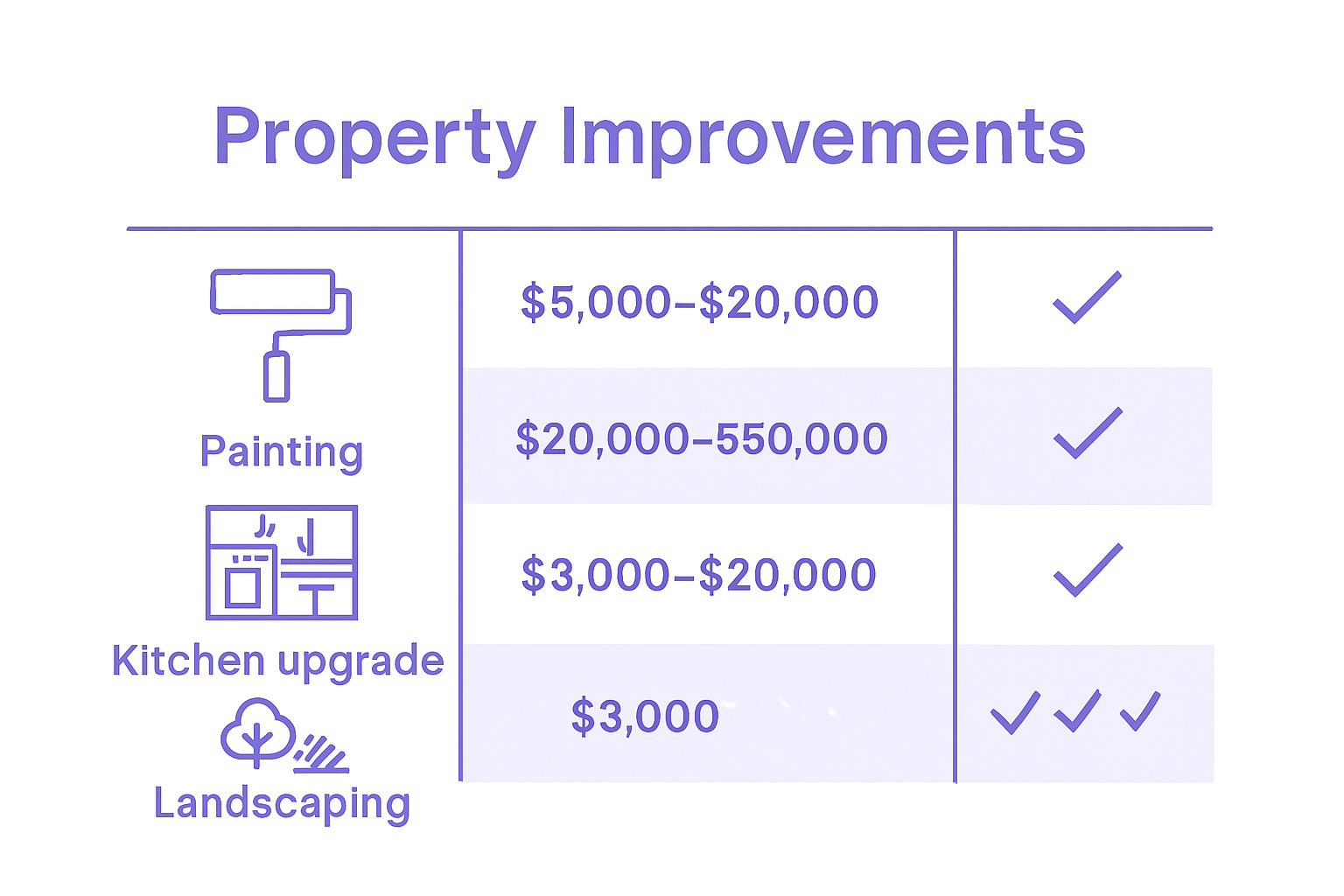
Realistic pricing requires honest self assessment. If your property needs work consider whether investing in repairs will increase your sale price or if selling as is makes more financial sense. Some improvements might offer good returns while others could be unnecessary expenses. Your goal is maximising value with minimal investment.
Here’s a comparison of common property improvements and their potential impact on sale outcomes:
| Improvement Type | Expected Cost Range | Likely Effect on Sale Price | Attractiveness to Buyers |
|---|---|---|---|
| Minor cosmetic updates | $1,000 – $5,000 | Small price boost, better presentation | High, creates good first impression |
| Major structural repairs | $10,000+ | Essential for serious buyers, prevents sale delays | Moderate, needed if issues exist |
| Kitchen or bathroom renovation | $10,000 – $30,000 | Can significantly raise value if modernised | High, adds perceived quality |
| Outdoor improvements | $2,000 – $8,000 | Improves curb appeal, may increase offer competition | Moderate, often noticed early |
| Energy efficiency upgrades | $3,000 – $10,000 | Growing in value, can reduce negotiation | Increasingly important |
Practical Tip: Conduct a preliminary property inspection before listing. Identifying and addressing potential issues upfront can prevent last minute negotiations or sale complications and demonstrate transparency to potential buyers.
Step 2: Gather Essential Sale Documents
Preparing to sell your property requires assembling a comprehensive set of documents that will streamline your transaction and protect your interests. Understanding the essential paperwork for property transactions is crucial to ensuring a smooth and efficient sale process.
Start by collecting your property title documents which prove your legal ownership. These include the certificate of title and any relevant land information memorandum. Mortgage statements are equally important particularly if you have an existing home loan that needs to be discharged during the sale. Gather recent rates notices from your local council as these provide valuable property information potential buyers will want to review. If you have completed any significant renovations or repairs gather the relevant building consent documents and compliance certificates.

Documenting your property sale agreements requires precision. Compile all past building inspection reports energy performance certificates and any warranties for appliances or home systems. If you are working with a real estate agent ensure you have a signed agency agreement that clearly outlines commission rates and terms of engagement. Create a folder with digital and physical copies of these documents to demonstrate transparency and professionalism to potential buyers.
Practical Tip: Create a dedicated digital and physical document folder organised chronologically. Digitising documents ensures you have backup copies and makes sharing information with potential buyers quick and efficient.
This table outlines the essential documents required and their importance in New Zealand property sales:
| Document Type | Why It’s Needed | Risks If Missing |
|---|---|---|
| Certificate of title | Proves legal ownership of property | Sale cannot proceed |
| LIM report | Reveals council property details | Surprises for buyers, lost trust |
| Building consents/compliance | Demonstrates legal renovations | Future legal or financial issues |
| Rates notice | Verifies council dues are paid | Delays, questions over liabilities |
| Signed agency agreement | Sets commission and sale terms | Disputes with agents, legal risks |
| Warranty documents | Adds buyer confidence in quality | Less attractive to cautious buyers |
Step 3: Request and Review Cash Offers
Reviewing cash offers is a critical stage in your property sale journey that requires careful analysis and strategic thinking. Understanding how to evaluate sale and purchase agreements will help you make informed decisions that protect your financial interests.
Start by requesting cash offers from multiple potential buyers. Look beyond just the headline price and examine the full terms of each proposal. Carefully assess the details of potential property sale agreements including settlement dates proposed conditions and any contingencies. Pay close attention to the buyers financial capability cash reserves and potential conditions that might complicate the sale. Some cash buyers might include clauses about property inspections or specific settlement requirements that could impact your timeline.
When comparing offers consider more than just the monetary value. Evaluate factors like settlement flexibility proposed settlement dates and any additional terms that might make one offer more attractive than another. Some cash buyers might offer a faster settlement or more flexible conditions that align better with your personal circumstances. Cross reference each offer against your initial property sale goals to ensure youre making a decision that meets your broader objectives.
Practical Tip: Create a detailed comparison spreadsheet for each cash offer. List out every offer detail including price settlement date conditions and your personal assessment to help you make a clear objective decision.
Step 4: Choose a Trusted Cash Buyer
Selecting the right cash buyer can make or break your property sale experience. Identifying reputable property transaction partners requires careful research and strategic evaluation to protect your financial interests.
Begin by thoroughly investigating potential cash buyers credentials. Look for established companies with verifiable track records in New Zealand property transactions. Understanding legal obligations in property sales helps you identify legitimate buyers who operate transparently. Check their online reputation through independent reviews verify their business registration and confirm they have a solid history of successful property purchases. Request proof of funds to ensure they genuinely have the financial capacity to complete your transaction.
During your selection process prioritise buyers who demonstrate clear communication professional conduct and a straightforward approach to purchasing. Ask detailed questions about their purchase process settlement timelines and any potential conditions. A trustworthy cash buyer will be open about their terms provide comprehensive information and make you feel comfortable throughout the transaction. Watch for red flags like vague responses reluctance to provide documentation or pressure tactics that seem designed to rush your decision.
Practical Tip: Request and compare written offers from multiple cash buyers. Verify each companys credentials through official business registries and seek recommendations from trusted local real estate professionals who understand the New Zealand property market.
Step 5: Confirm Settlement and Sale Completion
Reaching the final stages of your property sale requires meticulous attention to detail and a clear understanding of the settlement process. Navigating the complex legal requirements of property ownership transfer is crucial to ensuring a smooth and successful transaction.
Begin by carefully reviewing all legal documentation related to the sale. Understanding the final settlement procedures involves confirming that all financial and legal obligations are properly addressed. Schedule a final property walkthrough to ensure the property is in the agreed condition. Verify that all necessary repairs or agreements have been completed precisely as negotiated. Prepare all required documentation including the certificate of title property transfer forms and any outstanding financial settlement documents.
On the day of settlement coordinate closely with your legal representative or conveyancer. They will manage the formal transfer of funds and property ownership. Confirm the exact settlement time and location ensuring all parties are clear about the process. Be prepared to provide any last minute documentation or information that might be required. Once settlement is complete verify that funds have been transferred and the property ownership has been officially changed in all relevant government records.
Practical Tip: Create a comprehensive settlement checklist several weeks in advance. Include contact details for all parties involved copies of all critical documents and a clear timeline of expected settlement activities to prevent last minute complications.
Sell Your Property Fast with Confidence and Ease in New Zealand
Are you ready to skip the stress of lengthy property sales and complex paperwork as highlighted in “How to Sell Property Fast NZ Step-by-Step Success”? If dealing with repairs assessments or waiting for cash offers feels overwhelming you are not alone. Thousands of Kiwi homeowners face these challenges especially when life changes call for a swift sale. That is where easySale.co.nz steps in offering a fast fair cash offer without real estate agents or hidden fees. Their simple process removes uncertainty and connects you with trustworthy buyers who purchase properties in any condition.
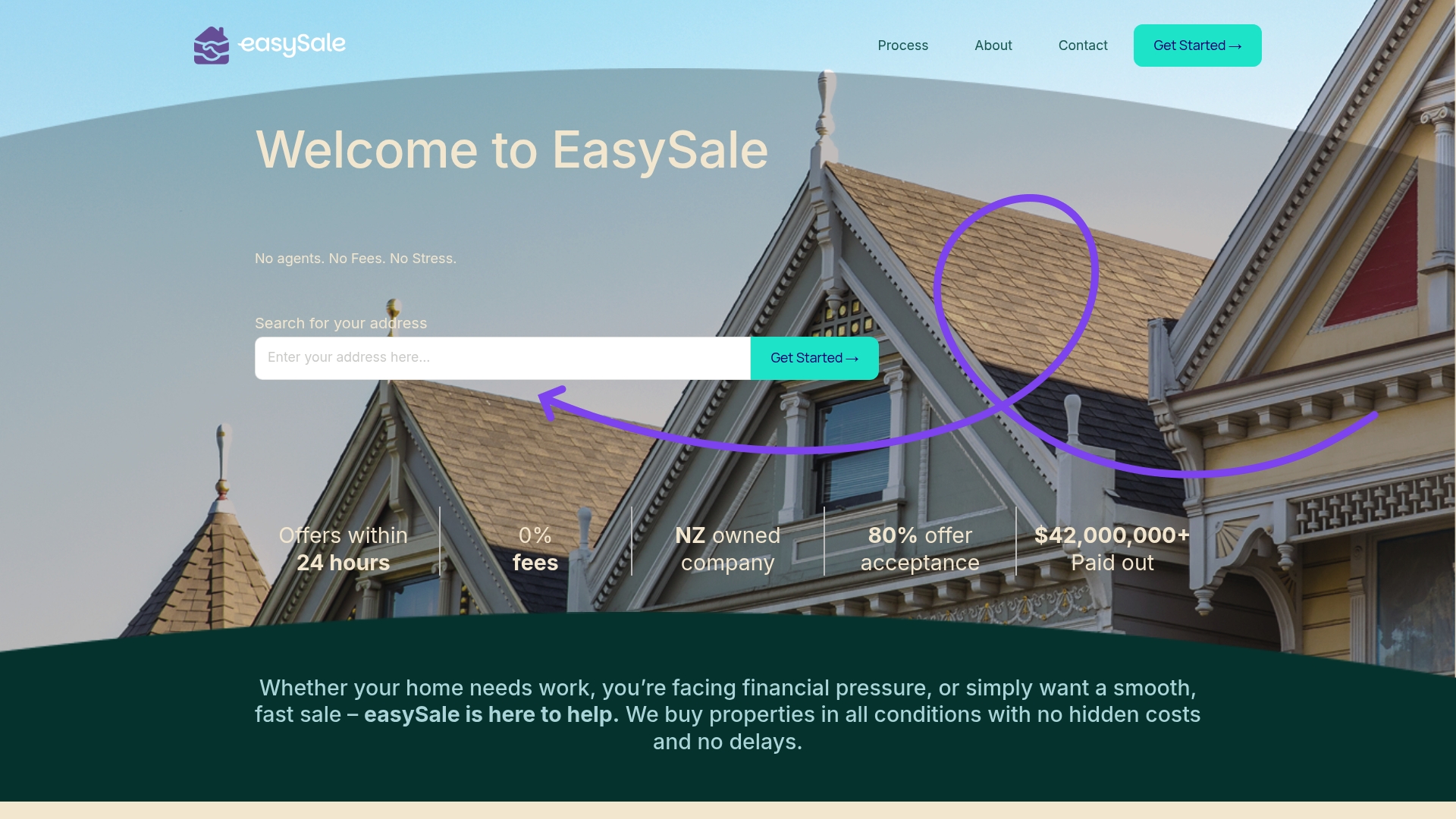
Take control now and avoid delays by submitting your property details online today. Experience the relief of a no-obligation offer tailored to your unique situation combined with flexible settlement options that respect your timeline. Visit easySale.co.nz to receive your quick cash offer and say goodbye to lengthy negotiations and surprise legal issues. Embrace a smooth sale journey designed for New Zealand homeowners who want results fast and hassle free.
Frequently Asked Questions
How can I assess my property’s market readiness quickly?
To assess your property’s market readiness, start by evaluating its current condition and researching recent sale prices of comparable properties nearby. Conduct a preliminary inspection and make any necessary minor repairs to enhance appeal, aiming to complete this assessment within a week.
What essential documents do I need to prepare before selling my property?
Before selling, gather key documents such as the certificate of title, recent rates notices, and any building consents for renovations. Create a folder with both digital and physical copies to ensure you have everything ready for a smooth sale process.
How should I evaluate cash offers I receive for my property?
Review cash offers by examining not just the offered price but also the settlement dates and conditions attached to each offer. Create a comparison spreadsheet to help you make an informed decision based on the best overall terms, aiming to complete this within a few days.
What criteria should I use to choose a cash buyer?
When choosing a cash buyer, investigate their credentials and online reputation thoroughly. Request written offers from multiple buyers and confirm their financial capacity to ensure a reliable sale, and complete this within the first week of receiving offers.
How do I prepare for the final settlement of my property sale?
To prepare for final settlement, review all legal documentation and schedule a final property walkthrough to verify conditions. Create a comprehensive checklist of required documents to ensure a seamless transfer on the settlement day, aiming to complete this checklist at least two weeks before the settlement date.
What are common property improvements that can increase my sale value?
Common improvements that may boost sale value include minor cosmetic updates and kitchen or bathroom renovations, which can result in significant returns. Consider budgeting around $10,000 to $30,000 for key renovations while aiming to complete improvements prior to listing your property.
Recommended
