
How to Sell Property in Any Condition in Australia

When life throws unexpected setbacks like sudden financial hardship or unexpected property damage, finding a swift way out can feel urgent. For many New Zealand homeowners, complex repairs and agent fees only add to the pressure. By focusing on a clear property assessment, gathering the essential documents, and understanding no-obligation cash offers, you can move toward a simple, commission-free sale that puts your needs first.
Table of Contents
- Step 1: Assess Your Property’s Current State
- Step 2: Gather Essential Property Documents
- Step 3: Request A No-Obligation Cash Offer
- Step 4: Review And Accept The Offer Terms
- Step 5: Settle On Your Preferred Sale Date
Quick Summary
| Key Point | Explanation |
|---|---|
| 1. Conduct a thorough property assessment | Inspect every area of your property, noting any issues for accurate valuation and sale planning. |
| 2. Organise essential property documents | Collect legal and financial paperwork to facilitate a smooth selling process for potential buyers. |
| 3. Request multiple cash offers | Reach out to various property buying services for competitive offers, enhancing your negotiation leverage. |
| 4. Review offer terms carefully | Scrutinise the details of cash offers and seek legal advice to avoid misunderstandings and protect your interests. |
| 5. Choose a suitable settlement date | Select a date that aligns with your financial and personal needs, considering logistics and legal processing time. |
Step 1: Assess your property’s current state
Assessing your property’s condition is the critical first step before selling. This evaluation will help you understand the precise state of your home and determine the most strategic approach to selling.
Start by conducting a comprehensive property inspection. Walk through each room systematically and document any existing damage, wear and tear, or structural issues. Look for signs of water damage, cracks in walls, outdated fixtures, or areas requiring significant repairs. The property condition assessment guidelines recommend creating a detailed inventory of your property’s current state.
Pay special attention to major systems like electrical wiring, plumbing, roofing, and foundational integrity. Consider hiring a professional building inspector who can provide an objective, comprehensive report. This documentation will be crucial in determining your property’s market value and potential sale strategy. Understanding potential repair costs upfront allows you to make informed decisions about whether to invest in improvements or sell the property as is.
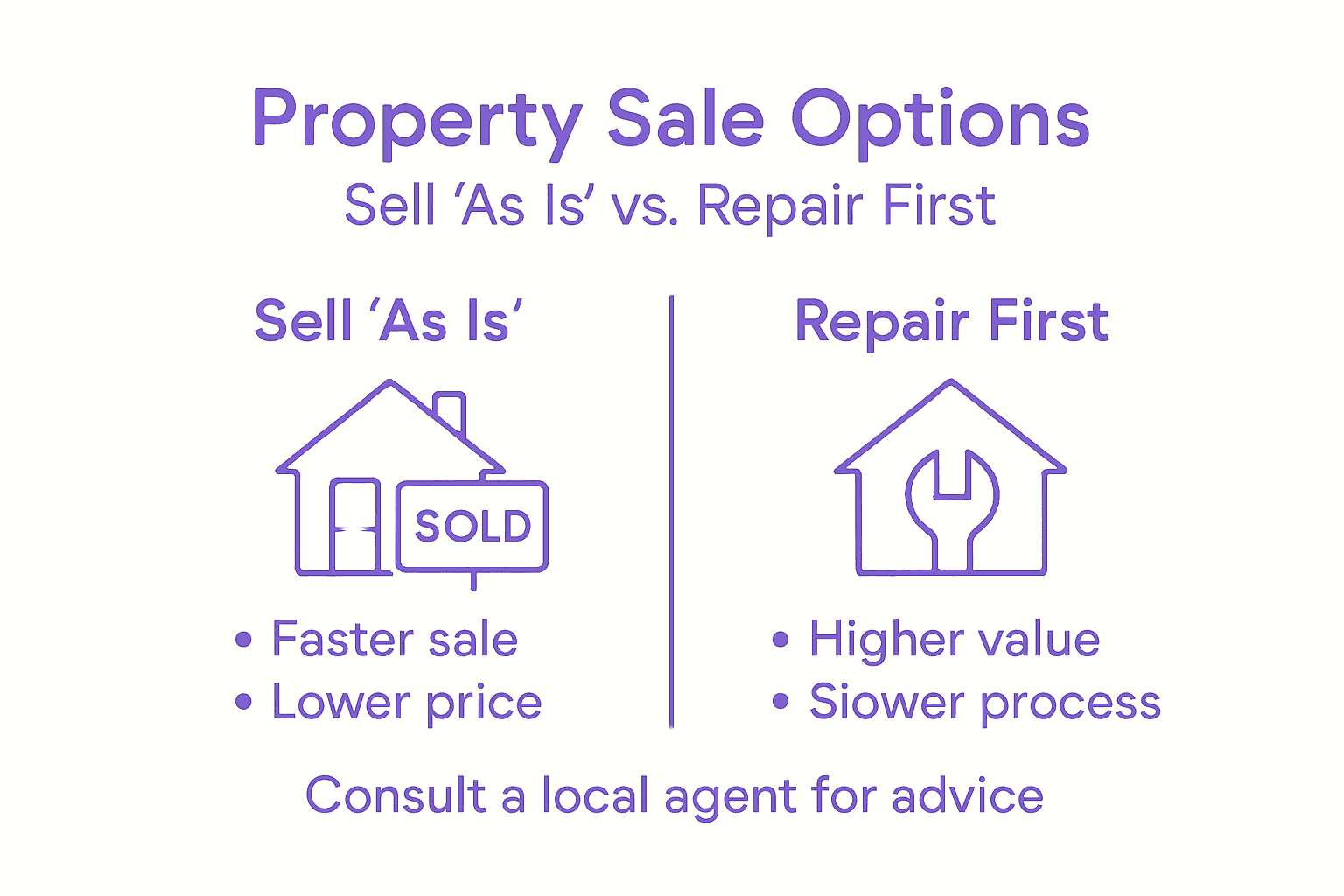
Here is a summary comparing selling a property ‘as is’ versus after making repairs:
| Aspect | Sell ‘As Is’ | Repair Before Selling |
|---|---|---|
| Upfront Costs | Minimal, lower expenses | Higher, investment required |
| Buyer Appeal | Attracts investors, renovators | Attracts wider buyer pool |
| Sale Price | Usually lower | Potential for higher offers |
| Time to Sell | Often faster | May take longer post-repairs |
| Negotiation Power | Limited, less leverage | Stronger, better presentation |
Top Tip: Take high-quality photographs of every room and major system during your assessment to create a transparent record of your property’s condition for potential buyers.
Step 2: Gather essential property documents
Compiling the right property documents is crucial to ensuring a smooth and legally compliant property sale. Your goal is to collect all necessary paperwork that demonstrates your property’s legal and financial status.
Start by locating your critical property transaction documents which typically include your certificate of title, most recent rates notice, building consent records, and any relevant land information memorandums. These documents provide potential buyers with transparent insights into your property’s history and current standing. Request a comprehensive Land Information Memorandum from your local council to obtain official records about zoning, building consents, resource consents, and potential environmental restrictions.
Organise these documents systematically in a clear folder or digital file. Include key certificates like the certificate of title, any architectural plans, renovation permits, and compliance certificates for electrical or plumbing work. If you have completed significant renovations, gather all relevant documentation that proves the work was professionally completed and meets regulatory standards.
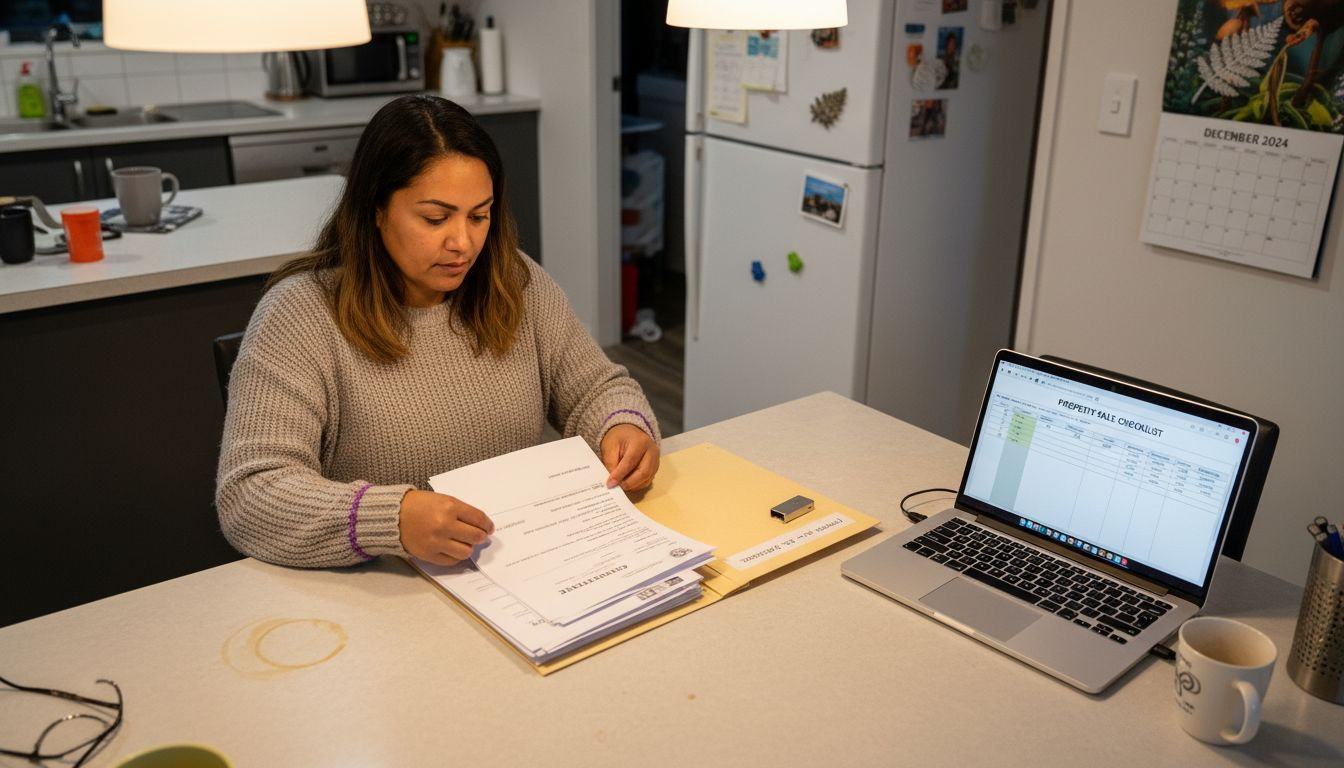
Top Tip: Create digital and physical backup copies of all property documents and store them in secure locations to prevent potential loss or damage.
Step 3: Request a no-obligation cash offer
Navigating the cash offer process requires strategic planning and understanding of property sale legal frameworks. Your primary objective is to secure a fair valuation for your property without committing to any binding agreement.
Contact reputable property purchasing services that specialise in quick cash settlements. Most professional services will request basic information about your property including its location, size, current condition, and any recent improvements. Prepare to provide detailed documentation such as your property title, recent rates notices, and a comprehensive overview of the property’s current state. During this initial consultation, ask specific questions about their valuation process, settlement timeframes, and any potential fees associated with the cash offer.
Evaluate multiple cash offer proposals to ensure you receive a competitive price. Request written offers that clearly outline the terms, including the proposed purchase price, settlement period, and any conditions attached to the offer. Pay close attention to the fine print and do not hesitate to seek independent legal advice if any aspects of the offer seem unclear or complex.
Top Tip: Obtain at least three separate cash offers to effectively compare market rates and negotiation potential.
Step 4: Review and accept the offer terms
Carefully reviewing the cash offer terms is a critical step in ensuring you secure the most favourable outcome for your property sale. Understanding the property sale legal guidelines will help you navigate this complex process confidently.
Examine each section of the offer meticulously, paying close attention to the proposed purchase price, settlement timeline, deposit requirements, and any contingencies. Look for potential conditions such as building inspections, financing clauses, or specific requirements about the property’s condition. These details can significantly impact the final transaction. Consider requesting clarification on any terms that seem ambiguous or potentially restrictive.
Seek independent legal advice before signing any documents. A property lawyer can provide an objective review of the offer, ensuring your interests are protected and identifying any potential risks or unfavourable clauses. They can help you understand the legal implications of each term and negotiate more effectively if certain conditions do not align with your expectations.
Top Tip: Request a comprehensive written explanation of all offer terms and have a legal professional review them before making a final decision.
Step 5: Settle on your preferred sale date
Selecting the right settlement date is crucial to managing your financial planning and property transition smoothly. Understanding the property sale deadline process will help you negotiate a timeline that suits your specific circumstances.
When discussing settlement dates, consider your personal requirements such as potential relocation plans, financial obligations, and current living arrangements. Be prepared to be flexible yet firm about your preferred timeline. Communicate clearly with the buyer about your ideal settlement period and discuss any potential constraints. Some buyers might have specific move in requirements, so finding a mutually agreeable date can help streamline the entire transaction.
Factor in practical considerations like removalist availability, utility transfers, and potential overlap between property settlements if you are simultaneously buying and selling. Allow sufficient time for final property inspections, legal documentation processing, and financial transactions. A well planned settlement date reduces stress and minimises potential complications during the property transfer process.
This table outlines key professionals involved in a property sale and their roles:
| Professional | Purpose | When to Engage |
|---|---|---|
| Building Inspector | Identify structural or repair issues | Early, before listing |
| Conveyancer/Lawyer | Handle legal documents and advice | Offer stage and pre-sale |
| Real Estate Agent | Market and negotiate property sale | Before or during listing |
| Removalist | Support moving logistics | Around settlement period |
Top Tip: Schedule your settlement date midweek to ensure more availability of legal and financial professionals and smoother transaction processing.
Sell Your Property Quickly in Any Condition with easySale
Selling a property ‘as is’ can be overwhelming especially when facing repairs, legal documents, or tight deadlines as outlined in the article. If you want to avoid costly upfront repairs, complex paperwork, or lengthy waiting times you need a simple and reliable solution designed to ease these exact pain points. At easySale.co.nz we specialise in buying properties in any condition across New Zealand with a fast, fair cash offer that eliminates uncertainty and complicated negotiations.

Discover how easy it is to submit your property details, receive a no-obligation cash offer, and settle on your preferred date with our streamlined three-step process. Whether your property requires repairs or you want to avoid the stress of the traditional market, easySale helps you move forward quickly and confidently. Don’t wait until more issues arise or time slips away. Visit easySale.co.nz now and take control of your property sale with complete transparency and flexibility.
Frequently Asked Questions
How do I assess my property’s current condition before selling?
To assess your property’s condition, conduct a thorough inspection of every room and document any issues such as damage, wear, or repairs needed. Make a checklist of major systems like plumbing and electrical to understand where to focus improvements.
What essential documents should I gather when selling my property?
You should compile critical documents such as your certificate of title, recent rates notices, and building consent records. Organise these documents clearly to demonstrate your property’s legal and financial status to potential buyers.
How can I obtain a cash offer for my property?
To obtain a cash offer, contact property purchasing services that specialise in quick sales. Prepare to share information about your property’s condition and gather relevant documents to facilitate the offer process.
What should I look for in a cash offer when selling my property?
When reviewing a cash offer, pay close attention to the purchase price, settlement timeline, and any conditions attached to the offer. Ensure you fully understand the terms before deciding to accept, and consider seeking legal advice for clarification.
How do I set an appropriate settlement date for my property sale?
Setting a settlement date involves considering your relocation plans and financial obligations. Communicate clearly with the buyer about your preferred timeline, allowing for logistical requirements like moving arrangements and final inspections.
Should I hire professionals before selling my property, and who do I need?
Yes, hiring professionals can help ensure a smooth sale. Engage a building inspector for property assessment, a conveyancer or lawyer for legal documentation, and a real estate agent for marketing your property effectively.
Recommended
