
How to Sell Property Privately in Australia Easily
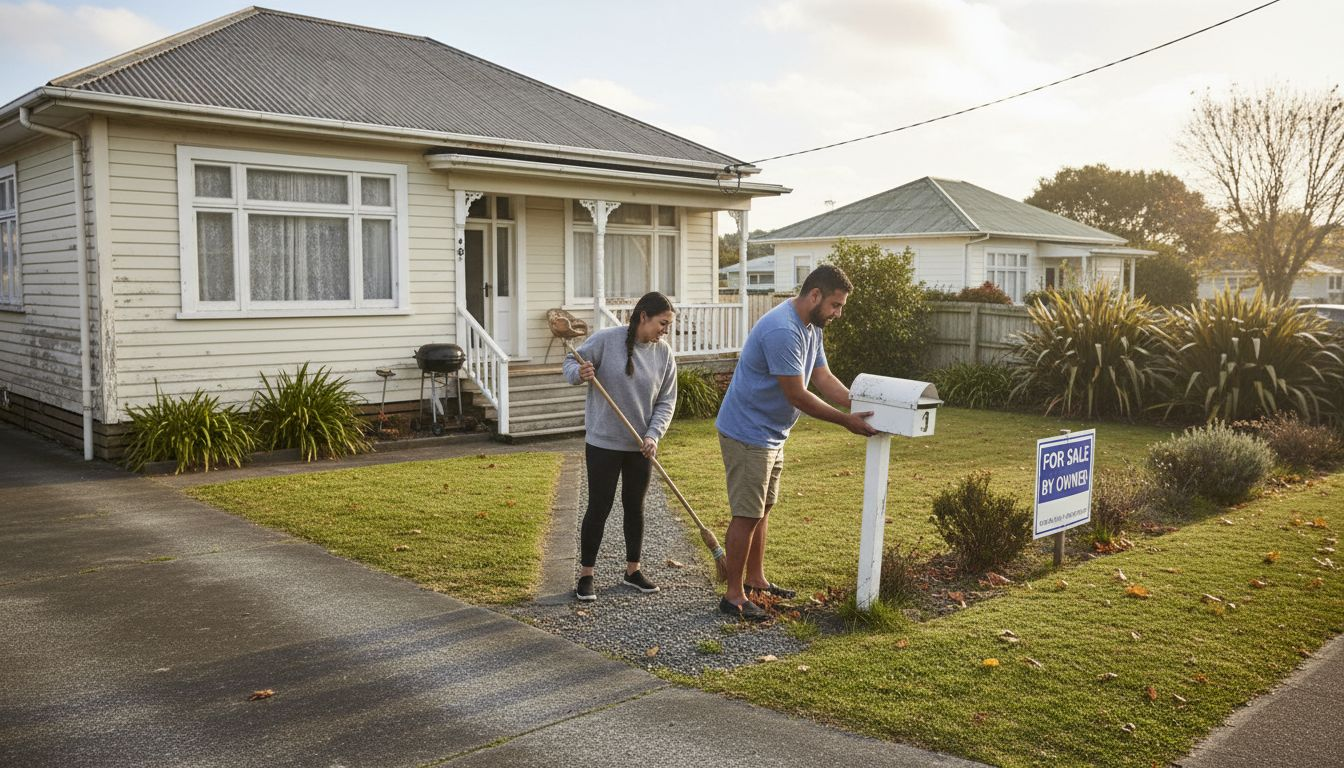
Selling your australian home privately can seem daunting, especially when you consider that more than half of properties in major Australian cities are now sold without an agent. In a market where every detail matters, being well-prepared can make all the difference in attracting serious buyers and achieving your best sale price. This guide breaks down each step so you can confidently handle the process yourself, avoid common mistakes, and maximise your property’s appeal in the eyes of Australian buyers.
Table of Contents
- Step 1: Prepare Your Property For Private Sale
- Step 2: Set A Realistic And Competitive Price
- Step 3: Create Compelling Listing Materials
- Step 4: Market Your Property To The Right Buyers
- Step 5: Negotiate Directly And Manage Offers
- Step 6: Complete Legal Checks And Settlement
Quick Summary
| Key Point | Explanation |
|---|---|
| 1. Complete minor repairs | Fixing small defects enhances buyer perception and increases perceived value. |
| 2. Set a competitive price | A professional valuation helps determine an appealing and realistic price for your property. |
| 3. Create high-quality listings | Use professional photography and engaging descriptions to attract serious buyers. |
| 4. Target the right buyers | Develop a marketing plan that speaks to specific buyer motivations and demographics. |
| 5. Manage offers strategically | Evaluate all offers carefully and remain flexible to negotiate effectively for the best outcome. |
Step 1: Prepare your property for private sale
Preparing your property for a private sale requires strategic effort to maximise your potential buyer appeal and sale price. The goal is to present a property that looks well-maintained, inviting, and move-in ready.
Start by conducting a thorough property assessment, which means walking through your home with a critical eye. Look for necessary repairs and touch-ups that could impact buyer perception. This includes fixing any obvious defects like chipped paint, leaky taps, squeaky doors, or damaged flooring. Small repairs can significantly improve your property’s presentation and signal to potential buyers that the home has been well cared for.
Ensure all areas of your property are accessible and presentable. This means clearing out clutter, depersonalising spaces, and creating a neutral environment that allows buyers to imagine themselves living in the home. Have all relevant documents prepared, such as repair records, utility information, and property certificates to demonstrate transparency and professionalism during the sales process.
Consider a professional cleaning service to deep clean your property, paying special attention to often-overlooked areas like windows, skirting boards, and grout lines. A clean, well-presented home can make a powerful first impression and potentially increase your property’s perceived value.
Here’s a summary of key steps to prepare your property for a successful private sale:
| Preparation Task | Purpose | Impact on Sale Outcome |
|---|---|---|
| Complete minor repairs | Improve buyer impression | Increases perceived value and care |
| Declutter and depersonalise | Help buyers visualise living in the home | Broadens appeal and marketability |
| Deep clean all areas | Enhance first impressions | Makes property more attractive |
| Organise key documents | Build trust and show preparedness | Aids transparency and smoother process |
Quick tip: Aim to create a neutral, welcoming environment that allows potential buyers to visualise themselves living in the space.
Step 2: Set a realistic and competitive price
Pricing your property correctly is crucial to attracting potential buyers and ensuring a successful private sale. The right price can mean the difference between a property that sits on the market and one that generates serious interest.
Obtaining a professional property valuation will help you understand your home’s true market value. This involves more than just checking online property listings your local area. Consider hiring a registered valuer who can provide an objective assessment based on detailed property analysis. They will examine factors like your property’s condition, location, recent sales of comparable properties, and current market trends.
Research suburb profiles and market reports to gain deeper insights into pricing strategies. Look at recent sales in your neighbourhood, paying close attention to properties similar in size, condition, and features. This research will help you understand the realistic price range for your property and avoid overpricing or underpricing.
Remember that pricing is not just about the numbers. Your property’s presentation, location, and unique features can significantly impact its perceived value. Be prepared to be flexible and open to negotiation while maintaining a price that reflects your property’s worth.
Quick tip: Always leave a small negotiation margin in your initial price to allow potential buyers to feel they are getting a good deal.
Step 3: Create compelling listing materials
Crafting an exceptional property listing is your key to attracting serious buyers and standing out in the competitive real estate market. Your goal is to present your property in the most appealing and professional manner possible.
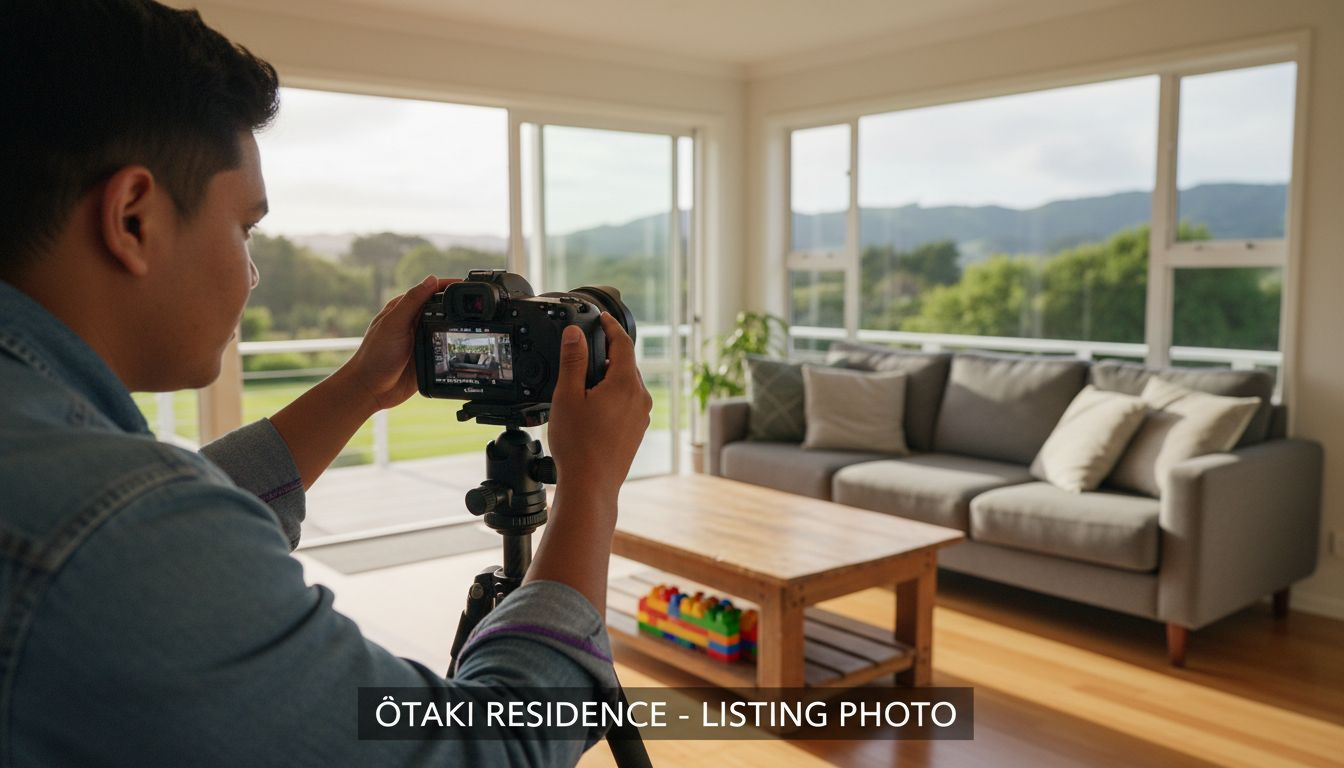
Develop a comprehensive advertising strategy that showcases your property’s unique strengths. Professional photography is absolutely critical start. Invest in high-quality images that capture your home’s best features create a strong first impression. Ensure your photos include well-lit, clean spaces that highlight spacious rooms, natural lighting, and key architectural elements. Consider hiring a professional photographer who understands how to present properties in their most flattering light.
Write a compelling property description that goes beyond basic details and tells a story about your home. Focus on unique selling points like recent renovations, proximity to amenities, special features, or neighbourhood advantages. Use descriptive language that helps potential buyers imagine themselves living in the space. Highlight practical aspects such as recent upgrades, energy efficiency, storage options, and any recent improvements that add value.
When creating your listing, choose multiple platforms to maximise exposure. This might include online real estate websites, social media channels, local community boards, and targeted digital advertising. Ensure your listing is clear, professional, and provides all necessary information including price, property size, number of bedrooms and bathrooms, and key features.
Quick tip: Include a virtual tour or video walkthrough to give potential buyers a comprehensive view of your property and increase engagement.
Step 4: Market your property to the right buyers
Successfully marketing your property requires a strategic approach that targets the most likely potential buyers. Your objective is to create a marketing plan that maximises visibility and attracts serious purchasers who are genuinely interested in your property.
Develop a comprehensive advertising campaign that reaches multiple channels and platforms. This means going beyond traditional methods and leveraging digital platforms to showcase your property. Utilise online real estate websites, social media channels, local community boards, and targeted digital advertising to expand your reach. Consider the demographic most likely to be interested in your property type and tailor your marketing strategy accordingly.
Take an active role in presenting your property to potential buyers. This involves more than just posting listings online. Prepare for property inspections by creating a welcoming environment, being available to answer questions, and highlighting your home’s unique features. Develop a professional presentation that includes detailed information about the property, neighbourhood amenities, recent upgrades, and any special characteristics that make your home stand out.
Understand the different types of property buyers in the market. Some might be first home buyers looking for an affordable starter home, while others could be investors seeking a property with potential for renovation or rental income. By understanding these different buyer personas, you can craft marketing messages that speak directly to their specific needs and motivations.
Below is a comparison of common types of property buyers you may encounter:
| Buyer Type | Key Motivation | What They Value Most |
|---|---|---|
| First home buyer | Affordability, move-in readiness | Price, condition, financing options |
| Investor | Rental yield, long-term capital gain | Renovation potential, rental demand |
| Upgrader | More space or features | Size, modern upgrades, neighbourhood |
Quick tip: Create a property information packet that potential buyers can take away, including professional photographs, property details, and key selling points to help them remember your home.
Step 5: Negotiate directly and manage offers
Navigating property negotiations requires confidence, strategic thinking, and a clear understanding of your property’s value. Your goal is to secure the best possible outcome while maintaining professional and constructive communication with potential buyers.
Get every offer in writing and carefully evaluate its complete details. This means looking beyond just the purchase price and examining crucial elements like settlement periods, deposit amounts, special conditions, and potential contingencies. Pay close attention to the proposed timeline, any conditions attached to the offer, and ensure you understand every aspect before responding.
Selling privately means you will need to become your own negotiation expert. Be prepared to engage directly with potential buyers, understand their motivations, and find mutually beneficial terms. This involves active listening, asking clarifying questions, and being willing to discuss alternatives if the initial offer does not meet your expectations. Remember that negotiation is a collaborative process where both parties aim to reach a satisfactory agreement.
Develop a clear strategy for managing multiple offers. Establish your minimum acceptable price beforehand, but remain flexible and open to creative solutions. Consider factors beyond pure monetary value such as settlement timing, deposit size, and buyer commitment. Always maintain professional communication and keep detailed records of all interactions and proposed terms.
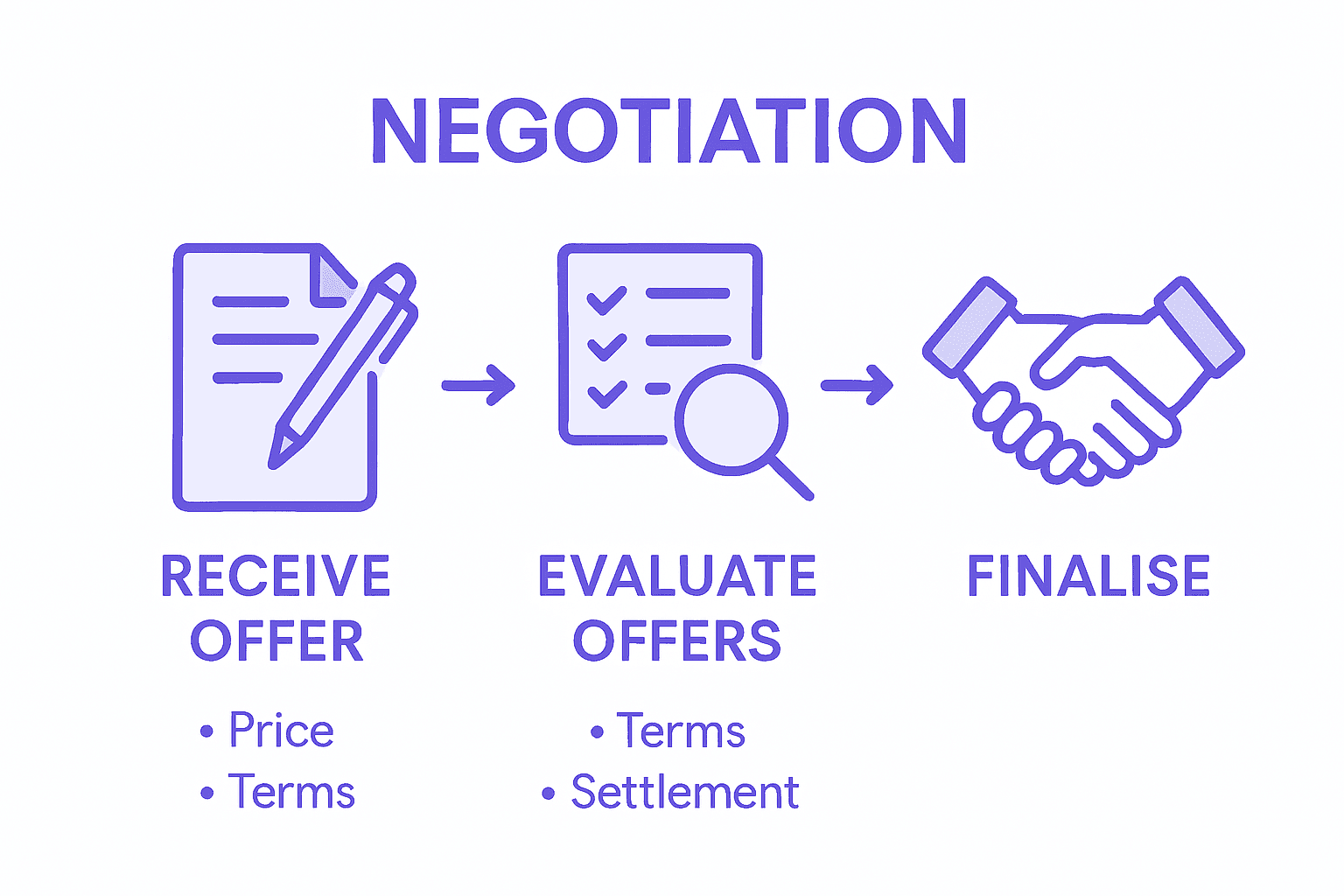
Quick tip: Create a structured comparison sheet for each offer, noting key details like price, settlement date, deposit amount, and special conditions to help you make an objective decision.
Step 6: Complete legal checks and settlement
Successfully concluding a private property sale requires meticulous attention to legal requirements and thorough documentation. Your objective is to navigate the final stages of the transaction smoothly and ensure all legal obligations are met.
Prepare a comprehensive contract of sale with the assistance of a qualified lawyer or licensed conveyancer. This document is crucial and must include all necessary disclosures about the property’s condition, any known defects, and specific details of the sale. Ensure you are transparent about any encumbrances, easements, or special conditions that might affect the property’s transfer.
Understand and follow the precise legal procedures required for a fair and legitimate property transaction. This involves obtaining and preparing all relevant certificates, such as swimming pool compliance certificates, building certificates, and any other local or state mandated documentation. Verify that you have met all statutory requirements for property disclosure and transfer.
Work closely with your legal representative to manage the settlement process. This includes coordinating with the buyer’s legal team, ensuring all financial transactions are correctly processed, and managing the transfer of property ownership. Be prepared to provide additional documentation, respond to queries promptly, and maintain clear communication throughout the settlement period.
Quick tip: Create a detailed checklist of all required legal documents and certificates to ensure nothing is overlooked during the settlement process.
Simplify Your Private Property Sale with easySale.co.nz
Selling your property privately in Australia can be daunting with so many steps from pricing right to handling offers and legal checks. The article highlights key challenges such as setting a realistic price, negotiating directly with buyers, and preparing detailed legal documentation. These tasks can feel overwhelming especially when you want a quick and hassle-free sale without the complexity and uncertainties of traditional methods.
easySale.co.nz understands these pain points and offers a straightforward solution tailored for sellers who want to avoid lengthy processes and agent commissions. Whether you struggle with property damage, financial pressure or life changes requiring a swift sale, easySale.co.nz buys residential properties across New Zealand in any condition. Their simple three-step process means you can:
- Submit your property details easily
- Receive a no-obligation fair cash offer quickly
- Settle your sale on a timeline that suits you
Don’t get caught up in complicated negotiations or legal uncertainties when selling privately Discover how easySale.co.nz works and transform stress into a seamless experience. Act now to receive a fast cash offer and move forward with confidence.
Frequently Asked Questions
How can I prepare my property for a private sale?
To prepare your property for a private sale, conduct a thorough assessment and address any necessary repairs. Aim to declutter, depersonalise, and deep clean your home to create an inviting environment for potential buyers.
What is the best way to set a realistic price for my property?
Setting a realistic price involves obtaining a professional property valuation and researching recent sales of similar properties in your area. This will help you determine a competitive price range that attracts interested buyers without undervaluing your property.
How do I create compelling listing materials for my private sale?
Create compelling listing materials by using high-quality professional photographs and writing a descriptive property description that highlights unique features and improvements. Ensure your listings are clear and informative across multiple platforms to maximise visibility.
How can I market my property to the right buyers?
To market your property effectively, develop a comprehensive advertising plan that includes various digital platforms and social media channels. Know your target demographic and tailor your messaging to resonate with the motivations of potential buyers.
What steps should I follow to negotiate offers successfully?
To negotiate offers successfully, always request written offers and evaluate their complete details, including settlement periods and deposit amounts. Stay open to discussion, actively listen to buyers, and have a clear strategy for managing multiple offers for the best outcome.
What legal checks do I need to complete before settlement?
Before settlement, prepare a comprehensive contract of sale and ensure you have all necessary legal documents, such as compliance certificates. Collaborate with a legal professional to navigate these requirements and facilitate a smooth transaction process.
Recommended
