
Probate And Property Sale – What It Means For You

Sudden loss or major life changes can leave New Zealand homeowners overwhelmed by decisions about inherited or damaged property. Sorting out legal requirements like probate validation often feels confusing, yet it is a crucial step for anyone looking to sell an estate quickly and legally. This guide explains how probate impacts property sales so you can navigate the process confidently and avoid costly delays.
Table of Contents
- Defining Probate And Property Sale In Nz
- Types Of Estates And Probate Situations
- How Probate Empowers Property Sale
- Executor Roles And Legal Requirements
- Risks, Costs And Common Pitfalls To Avoid
Key Takeaways
| Point | Details |
|---|---|
| Importance of Probate | Probate is essential for managing a deceased person’s estate, ensuring assets are legally transferred and debts settled. |
| Executor Responsibilities | Executors must apply for probate, locate the will, manage assets, and ensure proper distribution to beneficiaries, which requires legal guidance. |
| Estate Types Influence Process | Different estate classifications in New Zealand affect probate requirements and asset management, ranging from testate to complex estates. |
| Risks and Costs | Executors face potential financial and legal risks, including court fees and liability for mismanagement, necessitating meticulous record-keeping and professional advice. |
Defining probate and property sale in NZ
Probate represents a crucial legal process in New Zealand that enables the proper management and distribution of a deceased person’s estate. When someone passes away owning significant assets like property, probate validation becomes essential for transferring ownership and resolving financial matters.
In the context of property sales, probate serves several critical functions:
- Confirming the legal validity of the deceased’s will
- Authorising an executor to manage estate assets
- Providing legal permission to sell inherited real estate
- Ensuring proper asset distribution to beneficiaries
The probate process typically involves formal court approval, which grants the executor legal authority to act on behalf of the deceased’s estate. This means they can make critical decisions about property, including selling real estate to settle outstanding debts or distribute inheritance among beneficiaries.
Property sales during probate require careful navigation of legal requirements. The executor must follow specific steps to ensure a legitimate and transparent transaction. This often involves obtaining a grant of probate from the High Court, which officially recognises the will and empowers the executor to manage the estate.
Pro tip: Consult with a legal professional specialising in estate management to understand the specific probate requirements for your unique situation and ensure a smooth property sale process.
Types of estates and probate situations
In New Zealand, estates can be categorised into different types based on specific legal circumstances surrounding the deceased’s assets and will. Estate classifications impact probate requirements and determine how property and financial assets will be managed and distributed.
The primary types of estates in New Zealand include:
- Testate Estates: Where the deceased left a valid will
- Intestate Estates: Where no will exists
- Small Estates: Those falling below specific financial thresholds
- Complex Estates: Involving multiple assets, international holdings, or business interests
For testate estates, the executor named in the will can apply for probate, which provides legal authorization to manage and distribute assets according to the deceased’s wishes. In intestate estates, the court appoints an administrator who follows standard legal guidelines for asset distribution.
Probate situations vary significantly depending on the estate’s complexity. Some estates require full probate proceedings, while others might qualify for simplified processes. Factors influencing probate requirements include total asset value, property ownership structure, and the presence of potential beneficiaries.

Here’s how different estate types influence probate requirements in New Zealand:
| Estate Type | Court Appointment Needed | Complexity Level |
|---|---|---|
| Testate Estate | Executor named in will | Typically lower |
| Intestate Estate | Administrator appointed | Usually higher |
| Small Estate | May be waived | Low if assets minor |
| Complex Estate | Specialist legal input | High, multi-asset |
Complex estates often require professional legal guidance to navigate intricate inheritance laws and ensure proper asset transfer.
Pro tip: Gather all relevant financial documents and seek professional legal advice early in the probate process to streamline asset distribution and minimise potential complications.
How probate empowers property sale
Probate plays a crucial role in enabling property sales after a person’s death, providing legal clearance for executors to manage and transfer real estate assets. Obtaining probate authorises property transactions by establishing the legal right to handle the deceased’s estate.
The key ways probate empowers property sale include:
- Confirming legal ownership transfer
- Providing authority to sell inherited property
- Clearing potential legal barriers to asset distribution
- Protecting beneficiaries’ interests during property transactions
- Ensuring compliance with the deceased’s final wishes
Property sale empowerment through probate involves several critical legal mechanisms. The executor receives official court permission to manage and potentially sell real estate, which means they can negotiate sales, sign contracts, and distribute proceeds according to the will’s instructions.
Different scenarios require specific probate approaches. For instance, when multiple beneficiaries inherit a property, the executor might need to sell the asset and divide the proceeds, or facilitate a transfer of ownership among family members. This process requires careful legal navigation and transparent communication.
Probate provides the critical legal bridge that transforms a property from the deceased’s asset to a marketable and transferable resource.
Pro tip: Consult a legal professional specialising in estate management to understand the specific probate requirements for your property sale and ensure a smooth, legally compliant transaction.
Executor roles and legal requirements
Executors play a critical role in managing and distributing a deceased person’s estate, with substantial legal responsibilities that require careful navigation. Executors must apply for probate and fulfil multiple complex administrative tasks to ensure proper estate management.
Key legal responsibilities of an executor include:
- Locating and validating the deceased’s final will
- Applying for probate through the High Court
- Identifying and valuing all estate assets
- Paying outstanding debts and tax obligations
- Distributing remaining assets to beneficiaries
- Maintaining detailed financial records
- Resolving potential legal disputes among beneficiaries
Legal obligations require executors to act with the utmost integrity and diligence. They must make decisions that honour the deceased’s final wishes while navigating complex legal and financial landscapes. This often involves professional consultations, financial assessments, and potentially selling property to settle estate requirements.
Executors carry significant personal accountability for their actions. They can be held legally responsible for mismanagement, incorrect asset distribution, or failure to meet statutory requirements. Professional advice becomes crucial in complex estates involving multiple assets, international holdings, or potential beneficiary conflicts.
An executor’s role extends beyond simple administration - they are the legal guardian of the deceased’s final wishes and financial legacy.
Pro tip: Consider engaging a legal professional specialising in estate administration to guide you through the complex executor responsibilities and mitigate potential legal risks.
Risks, costs and common pitfalls to avoid
Navigating probate involves understanding potential financial and legal risks that can significantly impact estate administration. Probate costs and potential complications require careful planning and strategic management to minimise financial and legal challenges.
Key financial and legal risks include:
- Court filing fees (approximately $269)
- Legal consultation expenses
- Asset valuation costs
- Potential delays in estate settlement
- Risk of beneficiary disputes
- Unexpected tax liabilities
- Executor personal liability risks
Financial management during probate demands meticulous attention to detail. Executors must carefully track all expenses, maintain comprehensive documentation, and ensure transparent communication with beneficiaries to prevent potential conflicts or legal challenges.
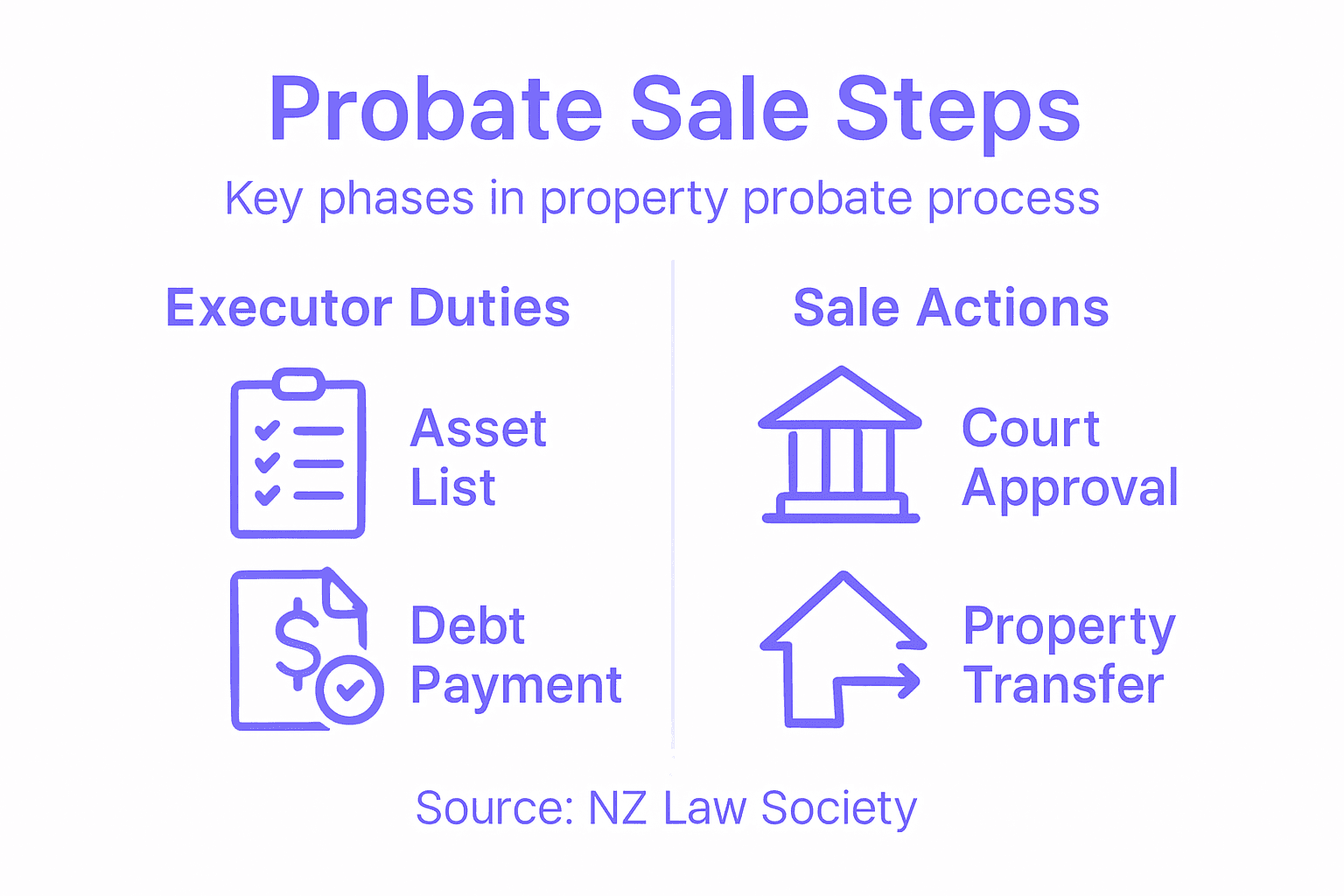
Common pitfalls can derail the probate process and create substantial complications. These include failing to properly notify beneficiaries, distributing assets before settling outstanding debts, incomplete documentation, and inadequate record-keeping. Each mistake can potentially expose executors to personal financial liability and legal repercussions.
Below is a quick reference to common probate costs and risks in NZ:
| Category | Typical Example | Potential Impact |
|---|---|---|
| Direct Court Costs | High Court filing fee $269 | Adds to estate expenses |
| Professional Fees | Legal or valuation fees | Can reduce inheritance |
| Settlement Delays | Asset disputes or missing info | Slows asset distribution |
| Executor Liability | Errors in asset management | Legal and financial risk |
Proper preparation and professional guidance can significantly reduce the risks and complications associated with estate administration.
Pro tip: Maintain detailed financial records, seek professional legal advice, and communicate transparently with all beneficiaries to minimise potential risks during the probate process.
Simplify Your Probate Property Sale with easySale.co.nz
Navigating probate and property sales can be overwhelming with legal requirements, executor responsibilities, and potential delays. If you need to sell your inherited property quickly without the usual stress of valuations, lengthy court procedures, or beneficiary disputes, easySale.co.nz offers a straightforward solution. Our service helps you receive a fast, fair cash offer, allowing you to move on without waiting for complex estate settlements.

Take control of your property sale today by visiting easySale.co.nz. With no real estate agents or commission fees involved, you can finalise the sale on your preferred timeline, even if the property needs repairs or faces financial complications. Learn how our simple three-step process can ease the burden described in our Probate and Property Sale – What It Means For You article and get the support you need now.
Frequently Asked Questions
What is probate in relation to property sales?
Probate is a legal process that validates a deceased person’s will and allows for the management and distribution of their estate, including real estate. It ensures the executor has the authority to sell the property as per the deceased’s wishes.
How do I sell property during the probate process?
To sell property during probate, the executor must obtain a grant of probate from the court. This legal document allows them to manage and sell the estate’s assets, including real estate, to settle debts or distribute inheritance.
What are the responsibilities of an executor in probate?
An executor is responsible for validating the will, applying for probate, identifying and valuing estate assets, paying debts and tax obligations, and distributing remaining assets to beneficiaries while maintaining detailed records of the estate’s financial activities.
What risks should I be aware of during the probate process?
Key risks during probate include court filing fees, legal consultation expenses, potential delays in estate settlement, the risk of beneficiary disputes, unexpected tax liabilities, and personal liability for the executor if mismanagement occurs.
Recommended
