
Selling house during separation: tips that actually work
TL;DR:Selling a house during separation involves managing legal, financial, and emotional factors. Effective early planning, clear communication, and professional advice help make the process smoother and faster. Prioritizing speed over maximum price often results in better financial outcomes for both parties.
Selling a house during separation is defined as the process of jointly marketing and transferring ownership of a shared property while a relationship or marriage is legally dissolving. It combines real estate decisions with emotional pressure, legal obligations, and financial stakes that affect both parties. The good news is that a business-minded approach, clear communication, and the right professional support can make the process far smoother than most people expect. These selling house during separation tips are written specifically for Kiwis who need practical, grounded guidance right now.
1. Agree on a valuation method before anything else
The single biggest source of conflict in separation property sales is disagreement over what the home is worth. Settling this early removes one of the most common reasons sales stall.
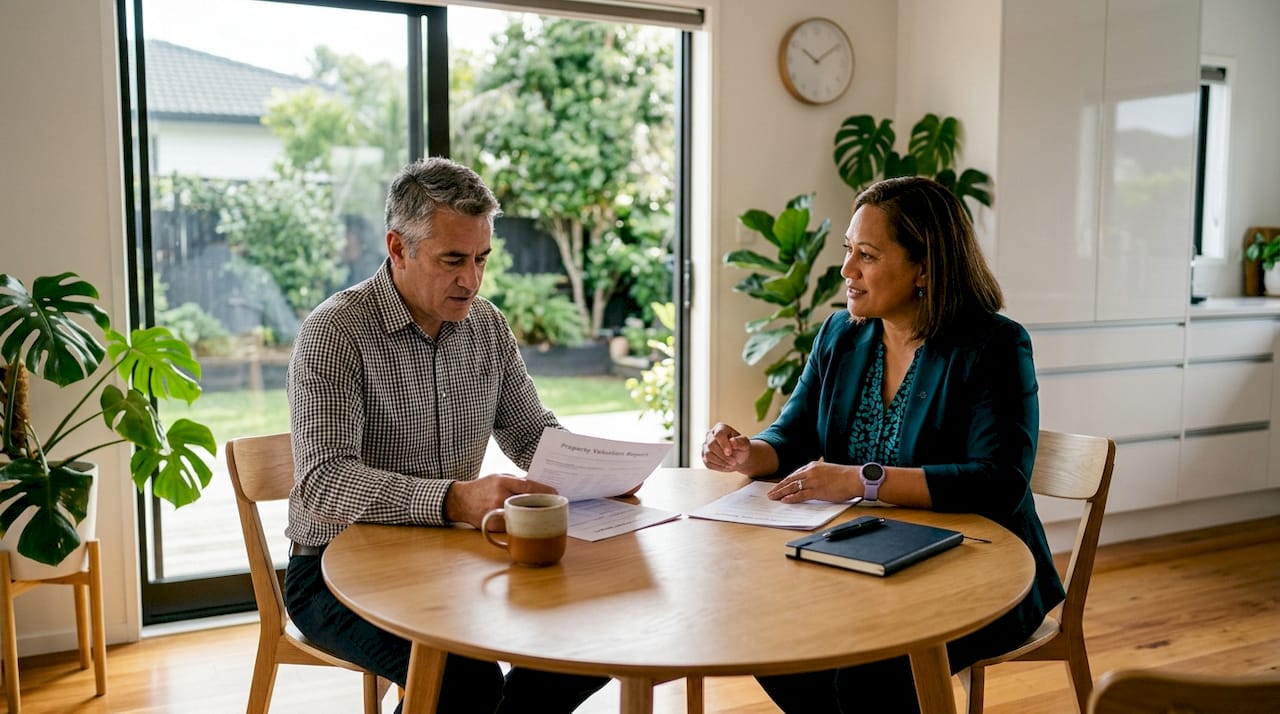
Two standard methods apply here. A comparative market analysis (CMA) is prepared by a licensed real estate agent and compares your home to recent sales in your area. A registered valuation is a formal, independent assessment carried out by a certified property valuer. In situations where both parties disagree, a registered valuation carries more weight because neither party commissioned it with a preferred outcome in mind.
Pro Tip: If you and your ex-partner cannot agree on a valuer, each appoint one independently, then average the two figures. This removes the perception of bias from either side.
A professional appraisal provides unbiased market value, which is particularly important when emotions are running high and one party suspects the other of undervaluing or overvaluing the property. Getting this step right sets a factual foundation for every decision that follows.
2. Set a realistic listing price together
Once you have a valuation, agree on a listing price before the property goes to market. Disagreements over price after listing create confusion for buyers and can cause the sale to fall apart.
Decide together whether your priority is speed or maximum return. A price set at or just below market value attracts more buyers and typically results in a faster sale. A price set above market value may feel satisfying but often leads to extended time on market, price reductions, and more stress for both parties.
- Set a price range you both accept in writing before listing
- Agree on a minimum acceptable price below which you will not sell
- Decide in advance how long you will hold at the asking price before reviewing it
- Put all pricing decisions in writing, even if it feels unnecessary
Agreeing on a floor price before offers arrive is one of the most practical tips for selling home separation situations produce. It removes the need to negotiate with each other under pressure when a real offer lands.
3. Stage and prepare the home to attract buyers
Presentation matters. Buyers make emotional decisions, and a well-presented home sells faster and for more money. The standard staging and repair budget runs 1–3% of the listing price. That means a $700,000 home warrants between $7,000 and $21,000 in preparation spending. Focus that budget on high-impact, low-cost improvements rather than full renovations.
- Declutter every room, including shared storage spaces
- Deep clean the entire property, including windows, carpets, and outdoor areas
- Apply fresh, neutral paint to walls that show wear or strong personal colour choices
- Remove personal photographs and items that reflect either party’s individual taste
- Address minor repairs like dripping taps, broken handles, and cracked tiles
Pro Tip: Hire a professional cleaner and a professional photographer before listing. These two costs alone have an outsized effect on buyer first impressions, both at open homes and online.
Neutral presentation also reduces buyer discomfort. Buyers who sense a home is being sold under difficult circumstances sometimes use that as leverage to negotiate a lower price. A well-staged, clean, and neutral property gives them no such opening. For more detail on preparing your home quickly, the steps are straightforward and manageable even under time pressure.
4. Establish clear communication rules early
Buyers sense conflict. When two sellers give competing instructions to an agent or respond inconsistently to offers, deals fall over. Establishing formal communication protocols prevents this from happening.
The most effective structure is to designate a single point of contact for all sale-related communication. This is usually the real estate agent, who then relays information to both parties equally. If you prefer to manage communication yourselves, agree that all decisions go through one nominated person and that written confirmation follows every verbal agreement.
- Agree on a single contact person for the agent to liaise with
- Commit to written communication for all sale decisions, even if you are still in contact
- Set a response window for offers, ideally 24–48 hours, so neither party can stall
- Agree on what information each party can share with buyers independently
- Establish a process for resolving disagreements before they reach the agent
Responding to buyer offers within 24–48 hours minimises emotional volatility and keeps sale momentum going. Delays caused by one party withholding a response are one of the most common ways separation sales collapse. A structured approach removes that risk.
5. Understand the legal and financial obligations
Selling property during separation in New Zealand carries specific legal requirements that differ from a standard sale. Getting these wrong can delay settlement or expose either party to legal consequences.
Court orders and consent: Standing court orders can prevent either party from selling, transferring, or encumbering the property without written consent from the other party or approval from the court. Violating these orders can result in contempt charges. Check whether any such orders are in place before signing any sale agreement.
Lawyer review: Every offer and sale and purchase agreement should be reviewed by your own lawyer before you sign. Do not rely on a shared lawyer. Each party needs independent legal advice to protect their interests.
Mortgage obligations: Mortgage payments must continue until the sale settles. Missed payments damage both parties’ credit ratings and can complicate the sale itself. Agree in writing on who pays what during the listing period.
Proceeds split: Decide how sale proceeds will be divided before settlement. Factor in agent commissions, legal fees, outstanding mortgage balances, and any agreed repairs or staging costs. Having this agreed in writing avoids disputes at settlement.
Timing relative to divorce: In some cases, selling before a divorce is finalised simplifies the property division process. In others, it is better to wait. Your lawyer can advise on the best timing for your specific situation.
6. Consider faster selling options if time or conflict is a factor
A traditional real estate sale works well when both parties can cooperate and are not under severe time pressure. When conflict is high or timelines are tight, faster alternatives deserve serious consideration.
Direct cash buyers purchase your property without the need for open homes, agent negotiations, or extended settlement periods. The trade-off is typically a lower sale price than the open market might achieve. For many people in separation, the reduction in stress, time, and conflict is worth more than a marginally higher price.
Private sales cut out the agent entirely. They work best when both parties agree on price and process, and when at least one party has some familiarity with property transactions. Without an agent acting as a buffer, communication between the parties needs to be particularly well managed.
| Selling method | Speed | Conflict exposure | Price outcome |
|---|---|---|---|
| Traditional agent sale | Moderate | Higher | Typically highest |
| Private sale | Moderate | Higher | Moderate |
| Direct cash buyer | Fast | Lower | Below market |
For Kiwis who need to move quickly or who cannot reach agreement on a traditional sale process, home selling options that bypass the open market are worth exploring. Speed and certainty have real financial value when the alternative is months of legal costs and ongoing shared mortgage payments.
7. Treat the sale as a business transaction, not a personal dispute
Animosity is the primary cause of home sale sabotage during separation. The single most effective thing you can do is commit, genuinely and consistently, to treating the sale as a neutral business transaction. That means making decisions based on financial outcomes, not on what feels fair or what sends a message to the other party.
A neutral, experienced real estate agent acts as a professional buffer. They absorb the tension, relay information without bias, and keep both parties focused on the outcome. Choosing an agent neither party has a personal connection to is worth the effort. Structured rules of engagement established early reduce emotional conflict and keep the sale on track.
Key takeaways
Selling a house during separation requires a business-minded approach, early agreement on valuation and communication, and clear legal and financial planning to protect both parties and achieve the best outcome.
| Point | Details |
|---|---|
| Agree on valuation first | Use a registered valuation or CMA to set a factual, unbiased price foundation. |
| Set a floor price in writing | Agree on a minimum acceptable sale price before offers arrive to avoid conflict under pressure. |
| Stage within budget | Spend 1–3% of listing price on high-impact preparation like cleaning, paint, and photography. |
| Use a single contact point | Designate one communication channel to prevent buyer confusion and deal collapse. |
| Know your legal obligations | Check for court orders, get independent legal advice, and keep mortgage payments current throughout. |
What I’ve learned from watching separation sales go wrong
Separation sales fail for one reason more than any other: one or both parties let the personal dispute bleed into the property transaction. I’ve seen well-priced homes sit on the market for months because one party refused to accept an offer the other had already agreed to. I’ve seen buyers walk away from solid deals because they sensed tension between the sellers at an open home.
The advice I give every time is this: get the legal and financial framework sorted before the property goes live. That means knowing your floor price, having your lawyer review the sale and purchase agreement process, and agreeing on who handles what. Once those structures are in place, the sale runs on process rather than on goodwill, and goodwill is in short supply during separation.
The other thing worth saying plainly is that a faster sale is almost always the better financial outcome, even if the price is slightly lower. Every month the property sits on the market costs both parties in mortgage payments, rates, insurance, and legal fees. Speed has real dollar value. Do not let the pursuit of a perfect price cost you more than the difference is worth.
— Aaron
Selling your home during separation just got simpler
Going through a separation is hard enough without a complicated property sale adding to the pressure. Easysale offers Kiwis a straightforward way to sell house privately without agents, open homes, or drawn-out negotiations.
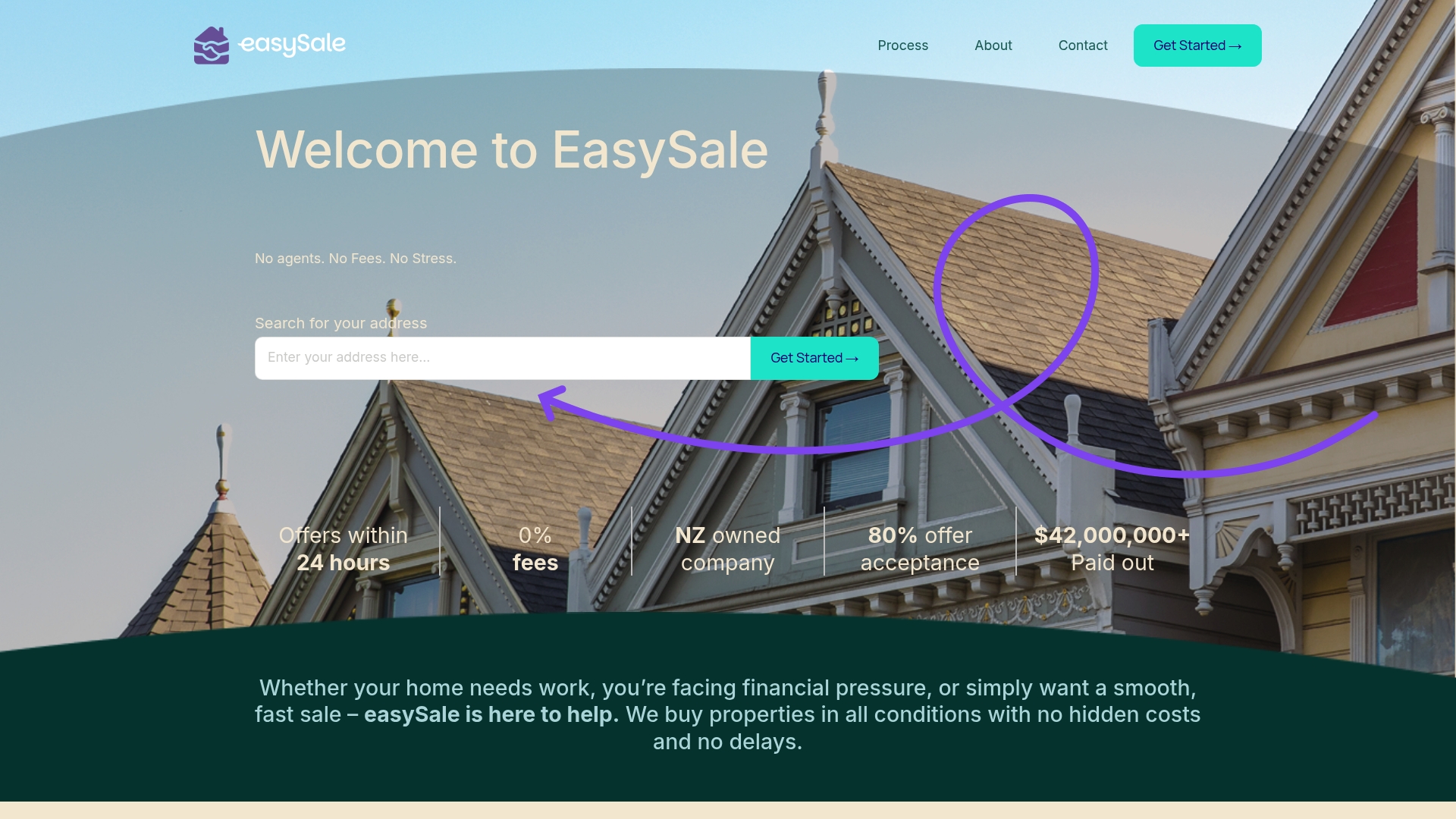
Easysale buys properties directly, in any condition, and provides a fair cash offer within 24 hours. There are no commission fees and no need for both parties to agree on an agent or a listing strategy. You set the settlement timeline that works for your situation. For separated homeowners who need certainty and speed, Easysale removes the variables that cause traditional sales to stall. Find out more about separation home sales in NZ and how the process works.
FAQ
Do both parties have to agree to sell the house during separation?
In most cases, yes. Both owners must consent to the sale unless a court order grants one party the right to sell independently. A family lawyer can advise on your specific situation.
Can a court order stop us from selling our home during separation?
Yes. Standing court orders can legally prevent either party from selling or transferring the property without written consent or court approval. Violating these orders can result in contempt charges.
How do we split the proceeds from the sale?
The split is agreed between both parties, usually with input from lawyers, and formalised before settlement. Costs like agent fees, legal fees, and outstanding mortgage balances are deducted from the gross sale price first.
What happens if one party refuses to cooperate with the sale?
If one party refuses to sign or cooperate, the other can apply to the Family Court for an order requiring the sale to proceed. This process takes time and legal cost, which is why early agreement on sale terms is strongly recommended.
Is a cash buyer a good option during separation?
A direct cash buyer offers speed, certainty, and reduced conflict exposure. The sale price is typically below open market value, but the savings in time, legal fees, and ongoing mortgage costs often offset the difference.
Recommended
