
Your guide to selling an uninhabitable house

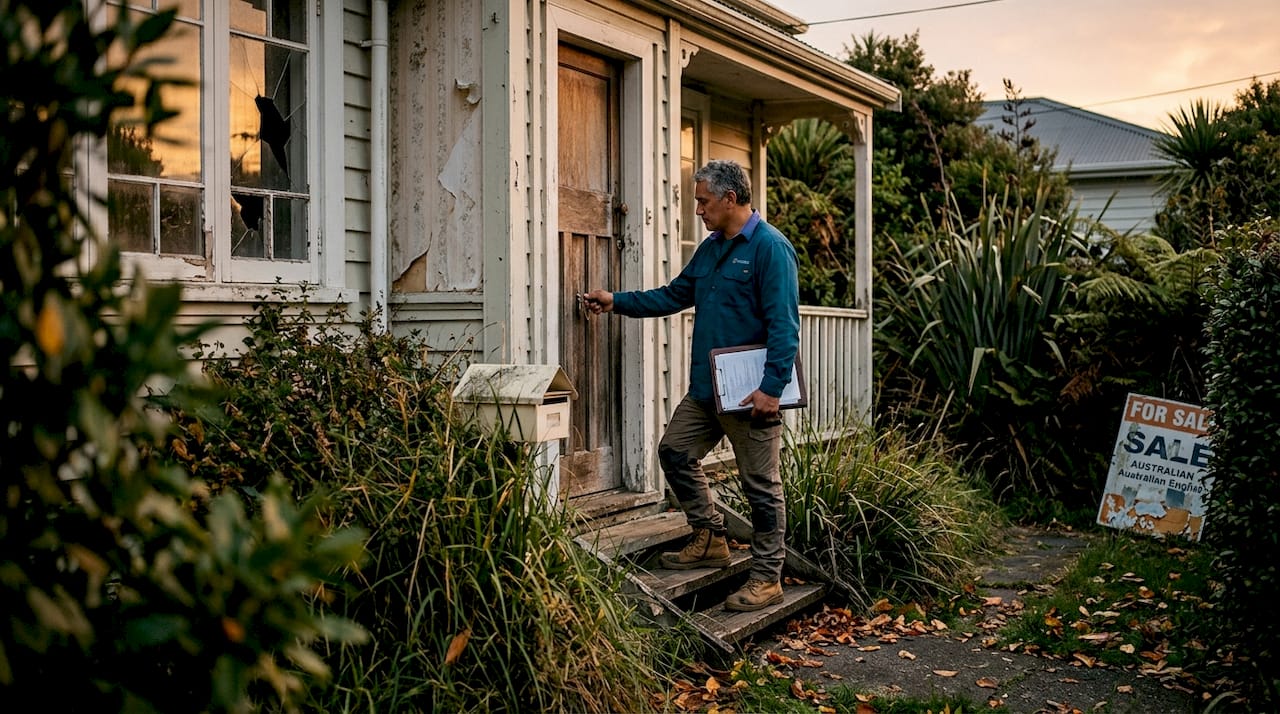
TL;DR:Selling an uninhabitable property requires realistic pricing, full disclosure of defects, and targeting fast-moving cash buyers or investors. Transparency and thorough documentation speed up negotiations and protect sellers from future liability, while minimal repairs and strategic marketing increase appeal. The fastest sale outcomes come from honest pricing, clear communication, and choosing the most suitable sale method for distressed homes.
Selling a house that cannot legally or safely be occupied is one of the most stressful situations a homeowner can face. Whether the property has been condemned, suffered fire or flood damage, or deteriorated from years of neglect, this guide to selling an uninhabitable house walks you through every practical step. You will learn how to assess your property, price it realistically, choose the right sales method, and close with as little stress as possible. The New Zealand market has its own rules and buyer types, and understanding both will make a real difference to your outcome.
Table of Contents
- Key takeaways
- Assessing your property and understanding your legal obligations
- Pricing strategies for uninhabitable properties
- Choosing your sales method and preparing to list
- Managing negotiations and closing the sale
- Post-sale steps and protecting yourself
- My honest take on selling uninhabitable properties in NZ
- How Easysale can help you sell faster
- FAQ
Key takeaways
| Point | Details |
|---|---|
| Price realistically from the start | Uninhabitable homes typically need to be priced 30–50% below comparable habitable properties to attract serious buyers. |
| Disclose all known defects | New Zealand law requires full disclosure of property issues; non-disclosure can lead to legal claims after settlement. |
| Target the right buyers | Cash buyers and investors move fastest and accept as-is conditions, making them the most practical option for distressed sellers. |
| Selling as-is saves time and money | Skipping costly repairs and focusing on transparency tends to produce better outcomes than patching visible problems. |
| Document everything post-sale | Retaining settlement records and legal documents protects you from future liability once ownership transfers. |
Assessing your property and understanding your legal obligations
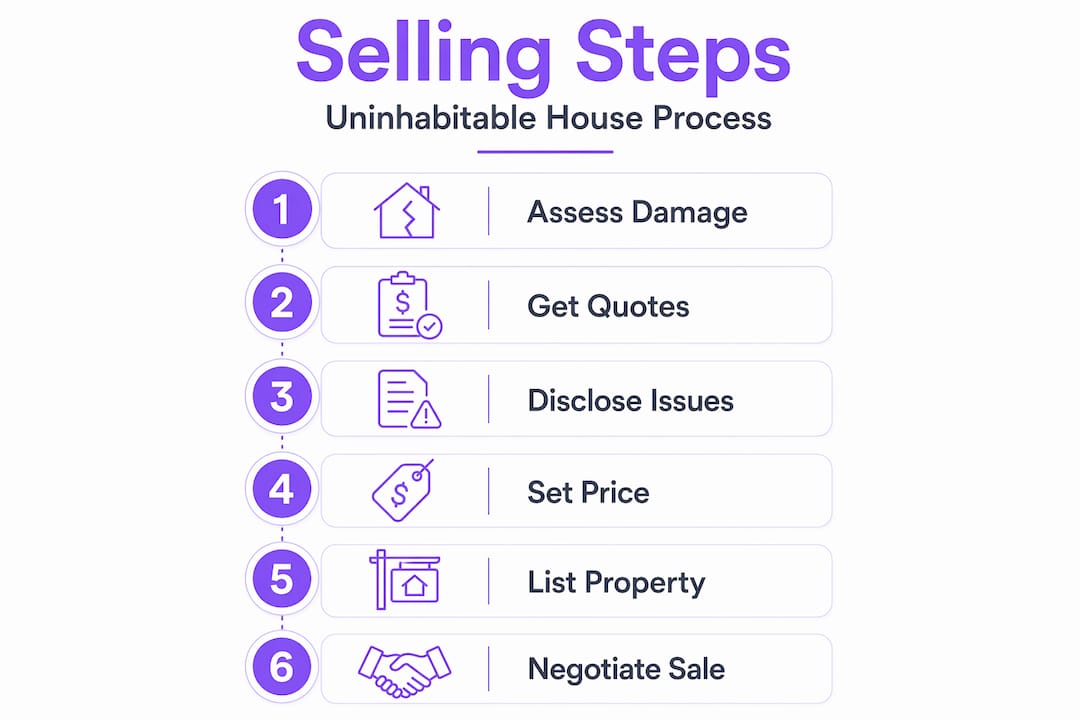
Before you can sell, you need a clear, honest picture of what you are selling. That starts with a thorough property inspection, either conducted by a licensed building inspector or a structural engineer if the damage is significant. You are looking for everything: structural failure, water damage, mould, asbestos, fire or smoke damage, pest infestation, and any environmental hazards. Do not guess. Get it in writing.
The key areas to assess include:
- Structural integrity (foundations, roof, framing, load-bearing walls)
- Plumbing and electrical systems (safety risks and compliance issues)
- Pest damage (borer, termites, or rodent infestation)
- Mould and moisture (especially relevant after flooding or prolonged vacancy)
- Environmental hazards (asbestos, lead paint, contaminated soil)
New Zealand sellers have clear legal obligations here. Disclosure requirements in NZ mean you must provide accurate information about known property defects to avoid contract cancellations or legal claims after the sale. This is not optional, and ignorance is not a defence.
NZ buyers also expect full disclosure on structural issues, pest infestations, and environmental hazards before they make an offer. Providing that information upfront actually works in your favour. It builds buyer confidence, reduces the back and forth, and cuts the risk of a deal falling over at the last minute.
Timing matters too. Disclosure documents should ideally be provided before a buyer submits an offer, not after. Including inspection reports or repair cost estimates alongside your listing signals honesty and helps attract buyers who are serious rather than speculative.
Pro Tip: Get two or three repair cost estimates from licensed tradespeople before listing. Presenting these estimates to potential buyers helps them factor costs into their offers confidently, which speeds up the negotiation process considerably.
Pricing strategies for uninhabitable properties
Pricing an uninhabitable house is where many sellers go wrong. There is a natural temptation to list high and negotiate down, but with damaged properties that strategy almost always backfires. Overpricing uninhabitable houses results in longer time on the market and fewer offers, while a realistic price from day one signals credibility to the buyers you actually want.
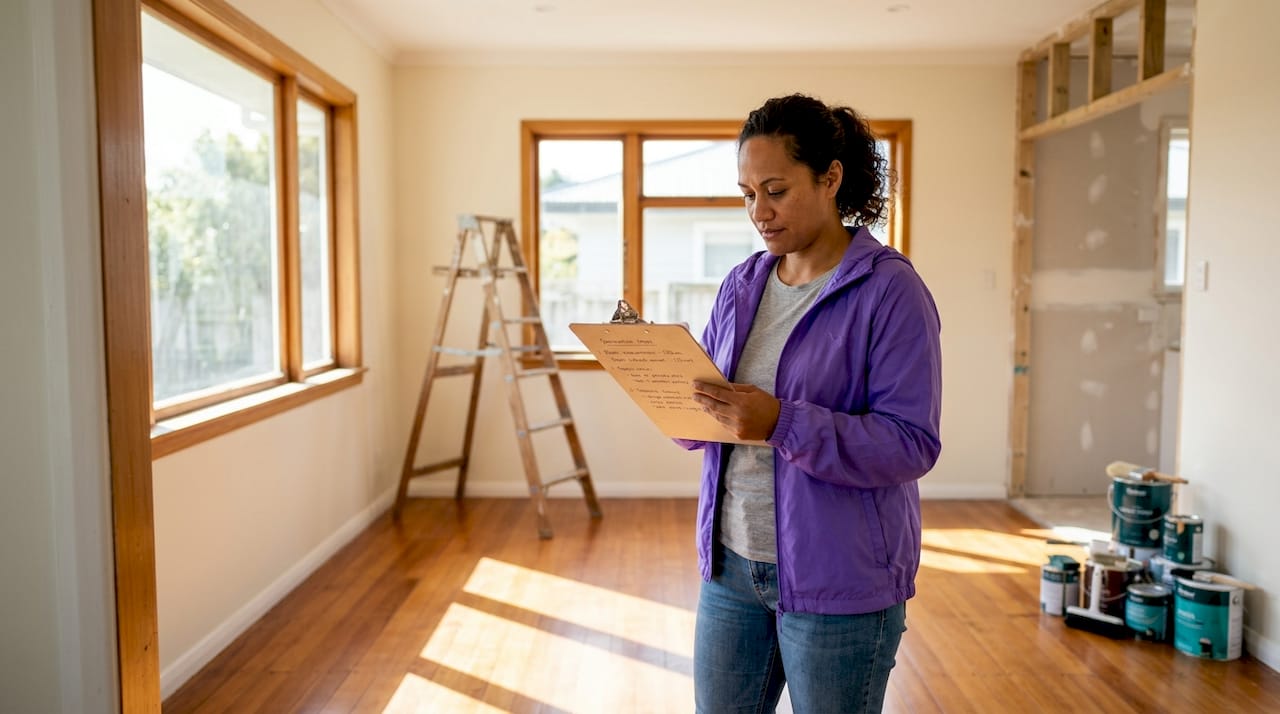
The general rule is that uninhabitable homes need to be priced 30 to 50 percent below similar habitable homes in the same area. That discount reflects the cost and risk the buyer is taking on. You are not just selling a property. You are selling a project.
Understanding who will buy your property
The buyers most likely to purchase an uninhabitable house fall into a few clear categories:
- Investors and property developers who intend to renovate and resell or redevelop the land
- Cash buyers who want a quick transaction without mortgage complications
- Owner-occupiers with construction or trades backgrounds who can manage the work themselves
Cash buyers and real estate investors show the highest interest in uninhabitable properties because they already factor repair costs into their offers. They move faster but will offer below market value. That is the trade-off, and it is usually worth it when you need to sell quickly.
Comparing your sales options
| Sales method | Speed | Price outcome | Best suited for |
|---|---|---|---|
| Private treaty (as-is) | Moderate | Fair if priced well | Sellers who can wait a few weeks |
| Cash buyer or investor | Fast (days to weeks) | Below market, no negotiation drama | Distressed sellers needing speed |
| Auction | Variable | Unpredictable | Properties with developer appeal |
| Traditional listing | Slow | Often stalls due to finance issues | Rarely suitable for uninhabitable homes |
Auctions can work for uninhabitable properties, particularly those on large or well-located sections, but they require careful marketing and legal preparation. One thing many sellers do not realise is that buyers at auction are legally restricted from entering uninhabitable properties before ownership transfers. You need to communicate this clearly to avoid liability issues.
Choosing your sales method and preparing to list
Once you have a realistic price in mind, the next step is choosing how to sell. For most owners of uninhabitable properties, selling as-is to a cash buyer is the most practical path. It removes the uncertainty of buyer finance, skips the drawn-out inspection and negotiation cycles of traditional sales, and can close in days to weeks rather than months.
Selling as-is does not mean doing nothing. There are cost-effective steps that can make a genuine difference to how buyers perceive the property and how quickly offers come in.
- Clean the property thoroughly. Remove rubbish, personal belongings, and debris. A cleared space photographs better and allows buyers to see the structure rather than the mess.
- Secure the property. Board up broken windows, fix damaged fencing, and address any obvious safety hazards. This protects you from liability and shows you have maintained responsibility.
- Document everything. Take clear photographs of all damage, keep copies of inspection reports, and maintain a written record of any repairs or maintenance carried out during your ownership.
- Gather title and council documents. LIM reports, building consents, and title searches help buyers move faster and reduce the risk of delays at settlement.
- Contact a solicitor early. Having a property lawyer involved from the start ensures your sale agreement covers all necessary conditions and protects your interests.
Minor cosmetic repairs are generally not cost-effective before selling an uninhabitable house. Investors focus on potential for rebuilding or renovation, not fresh paint. That said, some targeted repairs can improve sale prospects if they address genuine safety concerns rather than appearance. A conversation with a property professional can help you identify what is worth doing and what is not.
Pro Tip: When listing your property online, include a short summary of the known issues and estimated repair costs in the description itself. Buyers searching for fixer-uppers or investment properties appreciate the transparency and are more likely to make an offer when they already understand what they are taking on.
Managing negotiations and closing the sale
Negotiations for uninhabitable properties tend to be direct. Cash buyers and investors know what they want, and they will price accordingly. You should expect offers below your asking price and plan for it. What matters is evaluating each offer on more than just the dollar figure.
When reviewing any offer, consider these factors:
- Settlement timeline. A faster settlement reduces your holding costs, rates, insurance, and stress. A slightly lower offer with a two-week settlement can be worth more than a higher offer with a 90-day condition period.
- Finance conditions. Cash offers bypass mortgage approval delays. This is one of the biggest advantages when selling a damaged property, as lenders often refuse to finance uninhabitable homes.
- Inspection contingencies. Be cautious of buyers who want extensive inspection rights after the offer is signed. With an uninhabitable property, the condition is known. Buyers should price that in before making an offer.
- As-is clauses. Make sure your sale agreement clearly states the property is sold in its current condition. Your solicitor can draft this properly.
Transparency is your best negotiating tool. Sellers who present clear information on structural issues and estimated repair costs give investors exactly what they need to make confident decisions. Hiding problems only slows things down or creates legal exposure later. Keep all communication in writing throughout the negotiation process and do not agree to verbal commitments.
Post-sale steps and protecting yourself
Settlement day is not the end of your obligations. There are practical steps to take once the property has changed hands, and handling them correctly protects you from future complications.
After your sale settles, you should:
- Confirm the title transfer has been registered with Land Information New Zealand (LINZ) through your solicitor.
- Retain all settlement documents, including the sale and purchase agreement, the settlement statement, and any disclosure paperwork. Keep these for at least seven years for tax and legal purposes.
- Cancel or transfer utilities connected to the property, including rates, power, water, and insurance, as of the settlement date.
- Notify your insurer immediately after settlement that you no longer own the property to avoid paying unnecessary premiums.
- Understand any GST implications if the property was used for business or rental purposes. Speak with an accountant to confirm your tax position.
If you sell a damaged property in New Zealand, the liability for the property’s condition transfers to the buyer on settlement, provided your disclosure was accurate and complete. This is why getting the disclosure right from the start is so important. A clean, well-documented sale protects both parties and removes the risk of disputes after the fact.
My honest take on selling uninhabitable properties in NZ
I have spoken with a lot of homeowners in this situation, and the pattern I keep seeing is the same. People spend weeks, sometimes months, trying to figure out if they should repair before selling, waiting for a “better” market, or hoping a traditional agent can work a miracle. That delay costs them real money.
In my experience, the NZ market for uninhabitable properties is driven almost entirely by investors and cash buyers. These buyers are not sentimental. They are running numbers. The faster you accept that and price accordingly, the faster you move forward. Trying to squeeze out a higher price through a traditional listing rarely works. What I have seen work, consistently, is full transparency combined with realistic pricing from day one.
The sellers who come out ahead are the ones who document everything, disclose everything, and target the right buyers directly. They do not waste time on cosmetic fixes that investors will tear out anyway. They also sell their house in any condition without apology, because the right buyer sees potential where others see problems.
One thing many guides gloss over is the emotional side of this. Selling a home that has deteriorated is genuinely hard, especially if the decline happened through circumstances outside your control. But letting that emotion drive your pricing or delay your decision will cost you. Get the facts, set a fair price, and commit to moving forward.
— Aaron
How Easysale can help you sell faster
If you are looking for the most direct path to selling your uninhabitable property in New Zealand, Easysale is built for exactly this situation.
Easysale buys residential properties across New Zealand in any condition, with no agents, no commissions, and no requirement to carry out repairs before the sale. You submit your property details, receive a no-obligation cash offer, and settle on a timeline that works for you. The process removes the uncertainty and delays that come with traditional sales methods, which is particularly valuable when you are dealing with a distressed or damaged property.
For homeowners exploring related options, the retirement and downsizing sales service offers the same straightforward approach for those in life transition. You can also get a fast cash offer directly through the Easysale platform with no obligation attached.
FAQ
How much below market value will an uninhabitable house sell for?
Uninhabitable homes typically sell 30 to 50 percent below comparable habitable properties, depending on the extent of damage and the local market. Buyers will often negotiate further reductions, so setting a realistic price from the start gives you more control.
Do I have to disclose all damage when selling an uninhabitable house in NZ?
Yes. New Zealand sellers are legally required to disclose known defects, and failure to disclose can result in contract cancellations or legal claims after settlement. Full disclosure also builds buyer confidence and speeds up the sale process.
Is selling as-is a good option for a damaged property?
Selling as-is is often the most practical option because cash buyers bypass many contingencies typical in traditional sales, which reduces delays and holding costs. It also avoids spending money on repairs that investors will likely redo anyway.
Can I sell a condemned house in New Zealand?
Yes, you can sell a condemned or uninhabitable house in New Zealand. The steps to sell a condemned house follow the same process as any as-is sale, but you should work with a property lawyer to address any council notices or compliance orders before or during the transaction.
What type of buyer is most likely to purchase an uninhabitable house?
Cash buyers and property investors are the most active buyers for uninhabitable homes because they factor repair costs into their offers and can proceed without mortgage approval. They typically move faster and with fewer conditions than owner-occupier buyers.


