
Why Sell a Damaged Property in New Zealand Now

Stress often builds quickly when you are dealing with serious property damage in New Zealand, especially if urgent finances are on your mind. As natural hazards like earthquakes and floods can leave homes with complex repair needs, selling becomes more than just a transaction. This guide explains how a fast, transparent sale is possible for damaged properties, outlining your rights, the legal steps, and the smartest ways to avoid unnecessary stress.
Table of Contents
- Damaged Property Sales Explained in NZ
- Types and Causes of Property Damage
- Legal Duties and Disclosure Requirements
- Financial Impact and Insurance Complexities
- Comparing Sale Versus Repair Options
Key Takeaways
| Point | Details |
|---|---|
| Disclosure Requirements | Sellers must fully disclose any known property damage, including repairs and insurance claims, to protect both parties and ensure legal compliance. |
| Understanding Damage Types | Recognising the various causes of property damage, such as natural disasters and environmental factors, is crucial for effective property maintenance and management. |
| Financial Considerations | Selling a damaged property can lead to reduced market value, increased insurance costs, and the need for thorough documentation of insurance claims to negotiate effectively. |
| Repair Versus Sale | Homeowners should weigh the costs and benefits of repairing damaged properties against the option of selling as-is, considering factors such as time, investment, and buyer appeal. |
Damaged Property Sales Explained in NZ
Selling a damaged property in New Zealand requires strategic planning and understanding of legal obligations. Homeowners facing structural issues or property damage from natural events must navigate complex disclosure requirements and potential insurance challenges. Comprehensive property damage disclosure is crucial to maintaining transparency and protecting both seller and buyer interests.
New Zealand property laws mandate full disclosure of any known damage, including issues from earthquakes, floods, or structural deterioration. Sellers must provide detailed information about past damage, repairs undertaken, and any existing insurance claims. This includes documentation from assessments by qualified professionals, repair records, and current property condition reports. Buyers have the right to understand the complete history of property damage before making their purchase decision.
Navigating these sales requires careful preparation. Homeowners should gather comprehensive documentation, including insurance claim records, repair certificates, and professional assessment reports. Working with experienced real estate professionals who understand natural disaster property sales can help streamline the process and ensure legal compliance. Some property investors and specialised buying services focus specifically on purchasing damaged properties, offering alternative sale pathways for homeowners facing complex property conditions.
Pro tip: Before listing a damaged property, obtain a professional property assessment to understand the full extent of damage and potential repair costs, which can help you negotiate more effectively with potential buyers.
Types and Causes of Property Damage
Property damage in New Zealand stems from a diverse range of natural and environmental factors that pose significant risks to homeowners. Natural hazards impact property conditions across different regions, with some areas experiencing more frequent and severe damage than others. The primary types of property damage include structural issues arising from geological events, water-related damage, and environmental degradation.
Earthquakes represent one of the most destructive forces affecting New Zealand properties, particularly in regions like Canterbury and Wellington. Seismic activity can cause immediate structural damage, including foundation cracks, wall displacement, and roof structural failures. Landslides and ground movement often accompany earthquake events, creating additional complications for property integrity. Flooding presents another critical risk, with water damage potentially compromising building foundations, electrical systems, and interior structures. Coastal and low-lying areas are especially vulnerable to water-related property damage from tsunamis, storm surges, and persistent rainfall.
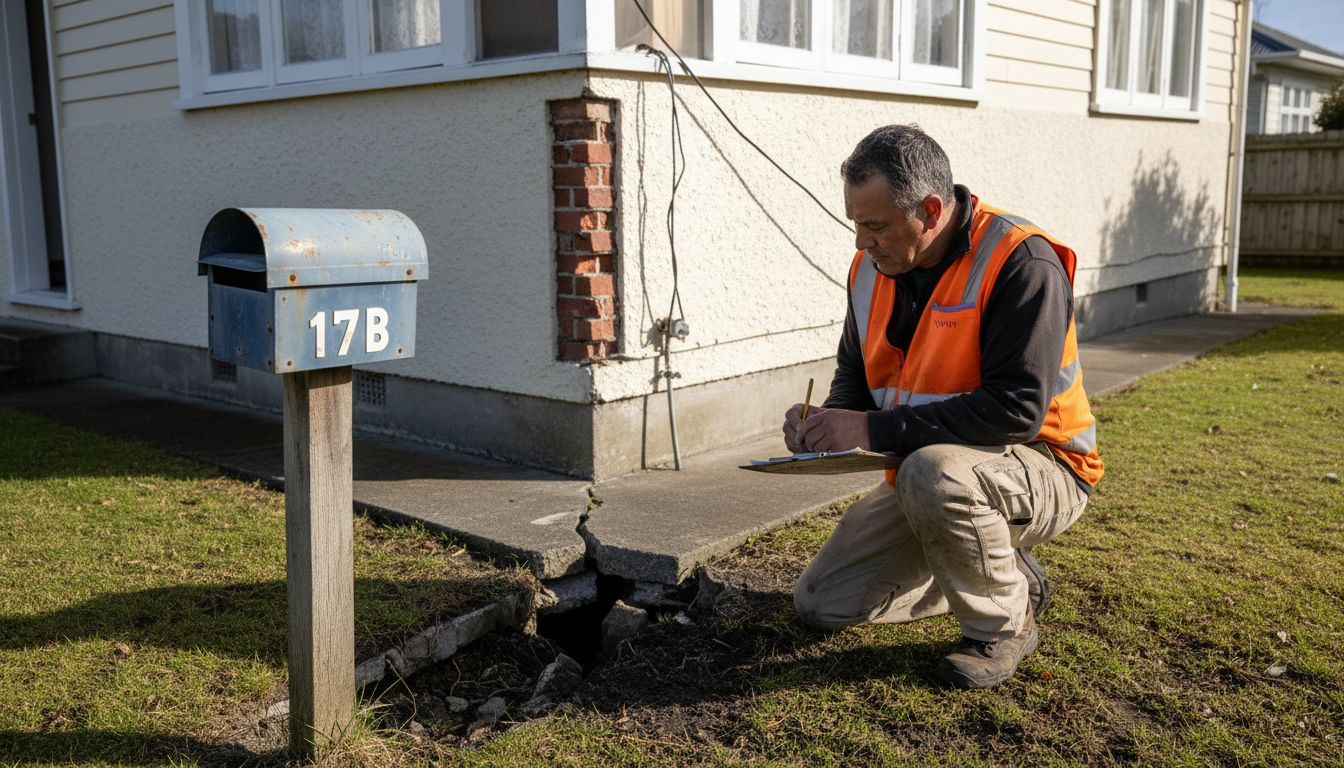
Beyond natural disasters, property damage can also result from long-term environmental factors such as soil erosion, moisture intrusion, and gradual structural deterioration. Timber-framed homes face unique challenges with rot, insect damage, and moisture-related structural weakening. Urban properties might experience damage from infrastructure issues, underground pipe leaks, or historical construction methods that no longer meet contemporary building standards. Natural Hazards Commission research highlights the importance of understanding these complex risk factors for property maintenance and potential resale.
Here’s a summary of key property damage types and their impacts in New Zealand:
| Damage Type | Common Causes | Typical Impact on Property |
|---|---|---|
| Structural Damage | Earthquakes, ground shift | Foundation and wall cracking |
| Water Damage | Floods, tsunamis | Electrical failure, mould growth |
| Environmental Decay | Soil erosion, moisture | Timber rot, insect infestation |
| Infrastructure Issues | Pipe leaks, urban faults | Unstable foundations, dampness |
Pro tip: Conduct regular property inspections and maintain comprehensive documentation of any damage or repairs to protect your property’s value and facilitate smoother future sales processes.
Legal Duties and Disclosure Requirements
In New Zealand, property sellers have stringent legal obligations when selling a damaged property. Property damage disclosure requirements mandate complete transparency about any known structural issues, past damage, and repair history. Sellers must provide comprehensive information that enables potential buyers to make fully informed purchasing decisions, with legal consequences for deliberate omissions or misrepresentations.
The legal framework surrounding property sales involves multiple layers of disclosure. Vendors must reveal all material information about property damage, including details of previous natural disaster impacts, insurance claims, structural repairs, and potential future risks. This includes providing documentation from professional assessments, repair certificates, and evidence of remediation work. Vendor legal responsibilities extend beyond simple acknowledgment, requiring detailed documentation that demonstrates the property’s current condition and historical damage profile.
Specific legal requirements vary depending on the type and extent of property damage. Earthquake-prone buildings, properties with water damage, or those located in high-risk natural hazard zones require additional documentation and potentially specific insurance disclosures. Real estate professionals and legal experts recommend comprehensive pre-sale assessments to identify and document all potential issues. Failure to disclose known damage can result in legal action, potential contract rescission, and significant financial penalties for the seller.
Pro tip: Engage a professional property inspector and legal advisor before listing a damaged property to ensure full compliance with disclosure requirements and minimise potential legal risks.
Financial Impact and Insurance Complexities
Selling a damaged property in New Zealand involves navigating complex financial landscapes and intricate insurance challenges. Property sales after natural disasters reveal significant financial implications that can dramatically affect property values and potential sale outcomes. Homeowners must carefully assess the financial ramifications of property damage, understanding how existing insurance claims and potential repair costs influence market value.
Insurance settlements present unique complexities for damaged properties. Partial payouts, ongoing claims, and unresolved repair works can create significant financial uncertainties. Some insurance policies may include provisions that allow claim transferability to new property owners, while others require complete resolution before sale. Storm-affected property financial mechanisms demonstrate the intricate financial negotiations required, with potential government and local council interventions affecting property valuations.
The financial impact extends beyond immediate repair costs. Property damage can trigger substantial market value reductions, increased insurance premiums, and potential challenges in securing future insurance coverage. Homeowners might face reduced sale prices, longer marketing periods, and more complex negotiation processes. Some high-risk areas may experience more significant financial constraints, with potential buyout schemes or specialized insurance products emerging as alternative solutions for severely damaged properties.
Pro tip: Obtain a professional valuation that specifically accounts for property damage and gather comprehensive documentation of insurance claims to transparently negotiate your property’s true market value.
Comparing Sale Versus Repair Options
Deciding between selling a damaged property or investing in repairs requires careful financial and strategic analysis. Property damage sale considerations reveal that homeowners must evaluate multiple factors including repair costs, potential market value improvements, time constraints, and overall property condition before making a definitive choice.
The repair option demands substantial upfront investment and professional expertise. Comprehensive repairs can potentially increase property value, but they also involve significant time, financial commitment, and uncertainty about complete restoration. Structural damages, especially from natural disasters, may require specialist interventions that can quickly escalate costs beyond initial estimates. Contractual property damage provisions suggest that sellers must transparently disclose all repair work and obtain appropriate certifications to maintain legal compliance and buyer confidence.
Conversely, selling a property in its current damaged state offers a faster, potentially less complicated alternative. Cash property buyers specialising in damaged properties can provide quick settlements, eliminating the need for complex repair processes. This approach particularly benefits homeowners facing time pressures, financial constraints, or properties with extensive damage where repair costs might exceed potential value increases. The ‘as-is’ sale strategy transfers repair responsibilities to investors who specialise in property rehabilitation, offering sellers a streamlined exit strategy.
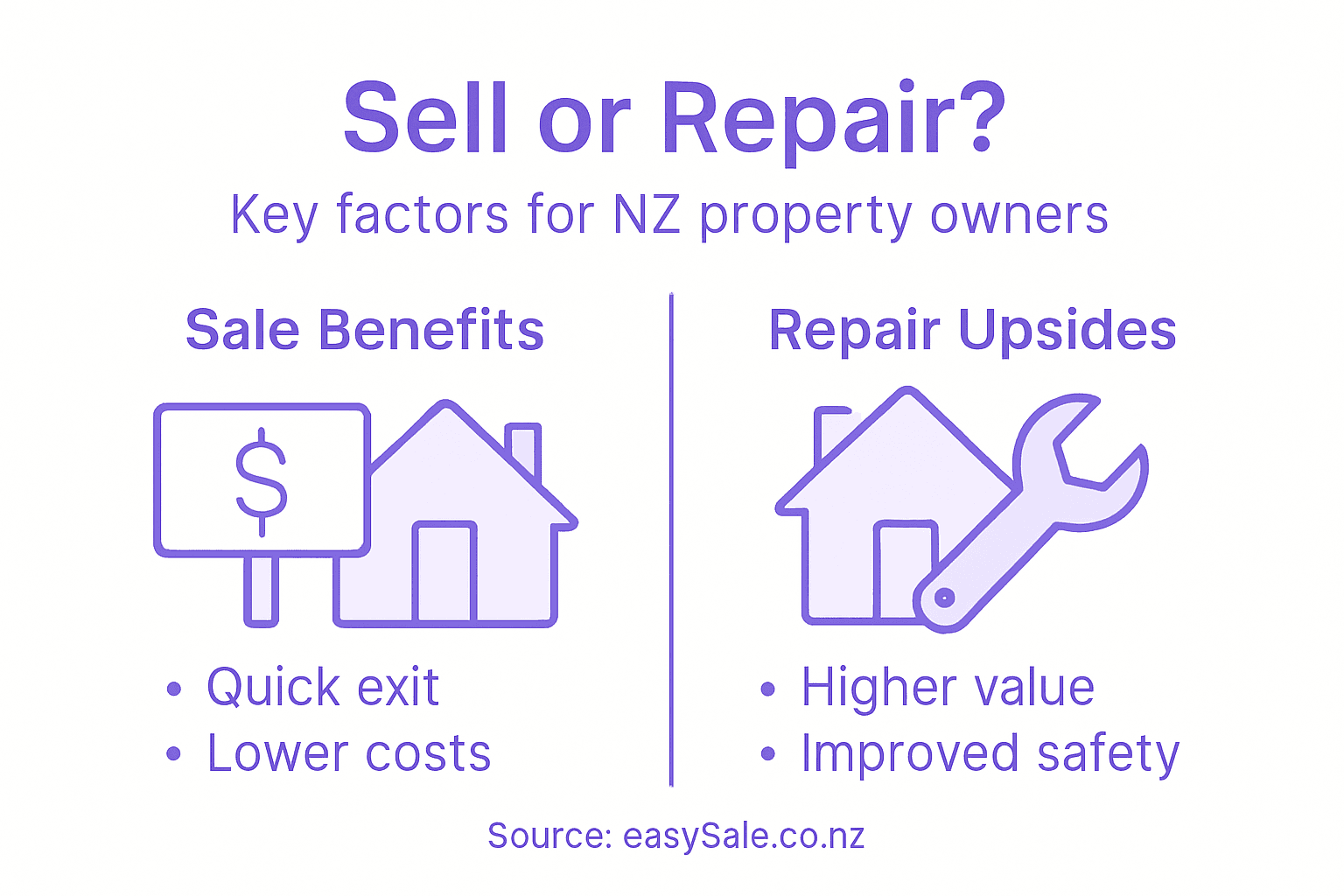
The following table compares selling versus repairing a damaged property in New Zealand:
| Factor | Selling Damaged | Repairing Before Sale |
|---|---|---|
| Time to Settlement | Often rapid | May face lengthy delays |
| Upfront Costs | Minimal | Can be substantial |
| Buyer Appeal | Limited to investors | Wider market interest |
| Sale Price Potential | Reduced | Higher after successful repairs |
Pro tip: Obtain multiple professional assessments to compare potential repair costs against expected market value increase before deciding between selling and repairing your damaged property.
Sell Your Damaged Property with Confidence and Speed
Navigating the complexities of selling a damaged property in New Zealand can be overwhelming. Whether you are dealing with structural issues from earthquakes, water damage, or the financial strain of repairs and insurance claims, you deserve a straightforward solution that respects your unique situation. easySale.co.nz understands the urgency and difficulties often described in property damage disclosure and repair cost challenges. We specialise in buying properties in any condition, eliminating the hassle of prolonged repairs and legal complexities.

Why wait and risk further financial pressure or legal complications? With easySale.co.nz you can receive a fast, fair cash offer through a simple three-step process. Sell your property swiftly without real estate agent fees or lengthy marketing periods. Discover how our cash buyer service can provide peace of mind and a smooth sale by visiting easySale.co.nz today. Take control of your damaged property sale now and enjoy a stress-free pathway forward.
Frequently Asked Questions
What are the benefits of selling a damaged property?
Selling a damaged property can provide a quicker exit, especially for homeowners facing financial constraints or time pressures. It may also avoid the lengthy and costly repair process, transferring responsibilities to investors who specialise in property rehabilitation.
How do I determine the right selling price for a damaged property?
To determine the selling price for a damaged property, obtain professional valuations that factor in the existing damage and potential repair costs. This will help you transparently negotiate your property’s true market value with potential buyers.
What legal obligations do I have when selling a damaged property?
When selling a damaged property, you are required to disclose all known issues, repairs undertaken, and any insurance claims. Compliance with these disclosure requirements is crucial to avoid legal consequences.
Can I sell a property that has pending insurance claims?
Yes, you can sell a property with pending insurance claims. However, it is important to understand how these claims may affect the sale, as some insurance policies allow claim transferability while others may require resolution before the sale completion.
Recommended
