
Guide to selling distressed property fast in NZ

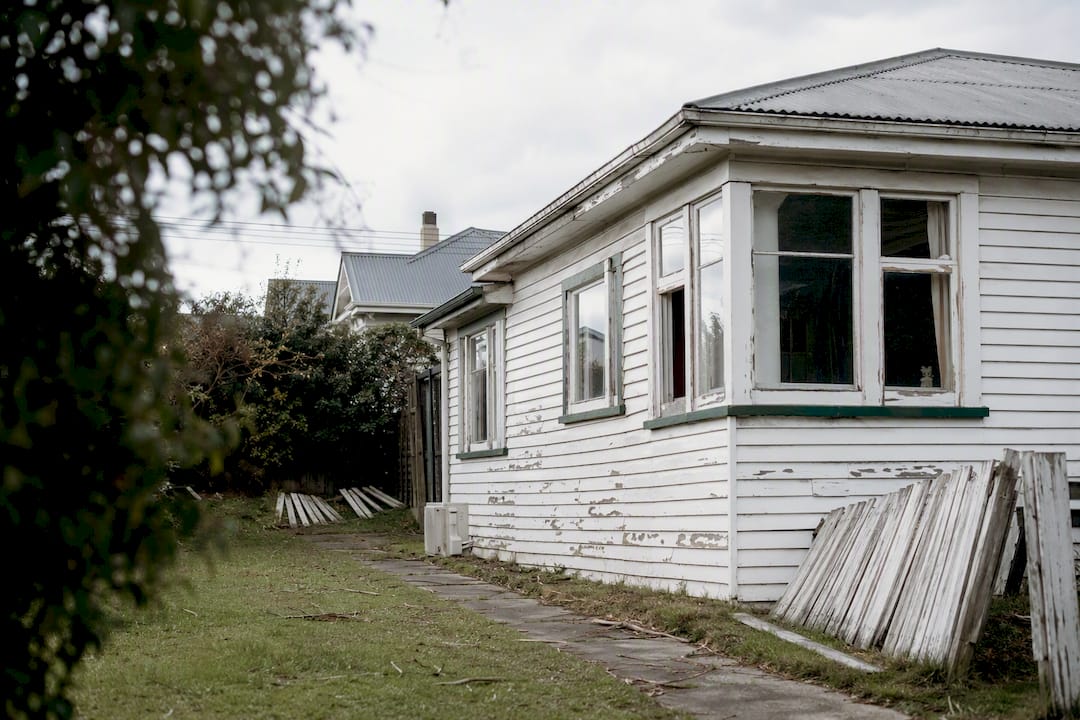
If your home needs urgent repairs, has unconsented work, or you’re facing mortgage arrears, the fastest responsible route is usually a sale as-is to a vetted cash buyer, unless you have both the cash and the months needed to renovate first. Roughly 20% of NZ property sales already happen “as is,” so you’re not doing anything unusual by skipping repairs. Before you contact anyone, do three things in the next 24 to 72 hours:
- Gather your paperwork — insurance and Natural Hazards Commission Toka Tū Ake claim records, any engineer’s reports, and mortgage statements.
- Get a quick property assessment — even a rough walkthrough tells you whether repair costs will eat your equity.
- Contact a specialist cash buyer or a real estate agent, depending on whether speed or maximum price matters more to you.
- If you need certainty within weeks, a cash buyer like Easysale fits.
- If you have six months and spare capital, listing after repairs may net more.
Key Takeaways
A fast, fair sale of a distressed property depends on matching your urgency and cash position to the right buyer type and disclosing everything you know upfront.
| Point | Details |
|---|---|
| Assess before deciding | Check condition, consents and title issues before choosing repair or as-is. |
| Match route to urgency | Cash sales suit arrears or disaster damage; repair-and-list suits low-pressure sellers. |
| Disclose regardless of “as-is” | Known defects and past claims must be disclosed even in as-is contracts. |
| Vet every buyer | Request proof of funds and references before accepting any offer. |
| Consider easySale for speed | Easysale buys in any condition with no commission and flexible settlement timing. |
This article is general information, not a substitute for advice from a qualified financial advisor. Consult a qualified financial professional about your own circumstances before acting on anything here.
Table of Contents
- Your guide to selling distressed property starts with an honest assessment
- Should you repair and list, or sell as-is?
- How do you price a distressed property correctly?
- Which low-cost fixes actually help a distressed sale?
- Who actually buys distressed homes in NZ?
- What must you disclose before selling as-is?
- How long does it take, and what will it cost you?
- How do you choose the right sale route today?
- Why a fast cash sale is often the responsible option
- Sources
Your guide to selling distressed property starts with an honest assessment
Before you decide anything, you need a clear-eyed look at what’s actually wrong with the place and what it might cost to fix or disclose. This isn’t about scaring yourself. It’s about knowing which sale route is realistic before you waste weeks chasing the wrong one.
Start with the physical condition. Walk the property (or get someone qualified to do it) and check the roof for missing or lifted tiles, look for signs of weathertightness failure around windows and cladding joins, note any structural cracking wider than a few millimetres, and check whether the hot water, wiring and plumbing are functioning or original. Mould and rot in bathrooms, subfloors or roof cavities are the items buyers fear most, because they hint at bigger problems underneath.
Then move to legal status. Unconsented alterations, missing Code Compliance Certificates, an unfavourable LIM report, or a mortgagee notice sitting in your letterbox all change who can buy your home and how. A bank-financed buyer’s lender will usually baulk at unconsented work; a cash buyer typically won’t.
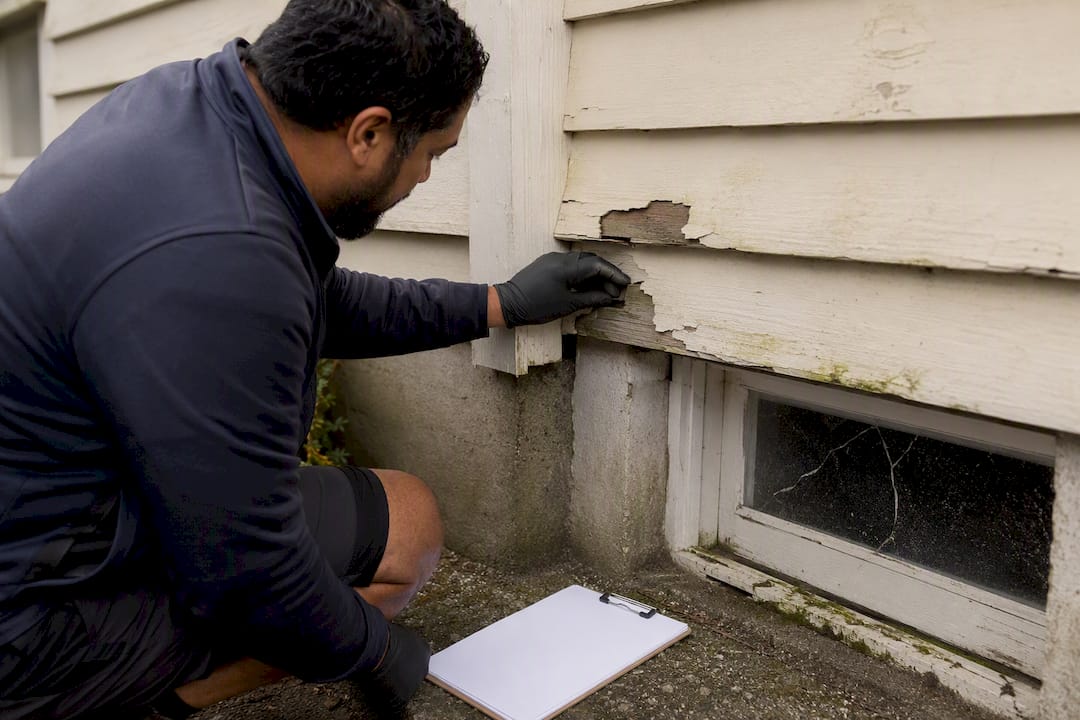
Pull together the paperwork now rather than later: insurance and NHC/EQC claim history, any builder invoices or engineer reports, consent documents and CCCs, and your current mortgage statement showing the payout figure.
| Condition or legal issue | Typical impact on buyer pool |
|---|---|
| Unconsented renovations | Excludes most bank-financed buyers |
| Weathertightness or leaky-home history | Reduces offers, may exclude standard insurance |
| Outstanding council notices | Requires resolution or full disclosure before sale |
| Mortgagee arrears | Narrows your timeline and negotiating power |
| Flood or hazard history | Can affect insurability and valuation |
Ten recurring issues, including unconsented work, flood risk and poor presentation, are known to make houses harder to sell in the New Zealand market, so it pays to identify which of these apply to you early.
Should you repair and list, or sell as-is?
Once you know the condition of your home, you’re choosing between a handful of realistic paths, and each one trades speed against price in a different way.
Full remediation and listing gets you the best chance at top dollar, but it demands capital you may not have, months of project management, and confidence the market won’t move against you while you’re renovating. Partial repairs (fixing the worst safety issues only) split the difference: lower cost, a modest price lift, but still weeks of coordination.
Selling as-is to a cash buyer trades some price for speed and certainty. Sales like this often close within days rather than months because there’s no finance or insurance condition to trip up the deal. Auction can work if your property has renovation appeal to investors, but it still needs marketing time and doesn’t suit every distressed situation. Private sale to an investor sits somewhere between auction and a direct cash offer, usually with more negotiation but less structure.
A mortgagee or forced sale is the outcome to avoid if you can help it. The bank controls the timeline and the price, and the process can run for several months, during which arrears and legal costs keep accumulating.
| Route | Speed | Net proceeds | Upfront cost | Conditionality |
|---|---|---|---|---|
| Repair and list | Slow (3–6 months) | Highest potential | High | Subject to finance/inspection |
| Sell as-is to cash buyer | Fast (7–30 days) | Lower, but predictable | Minimal | Usually unconditional |
| Auction | Moderate | Variable | Low to moderate | Can be unconditional on the day |
| Mortgagee sale | Slow, bank-controlled | Often lowest | None (forced) | Bank sets terms |
Pro Tip: If you’re in arrears, don’t wait for the bank to act. A voluntary sale almost always preserves more value and control than letting a mortgagee process run its course.
For someone with an inherited property in average condition and no urgency, repair-and-list can make sense. For someone facing arrears, an uninsured disaster, or a home that’s been neglected for years, a fast as-is sale is usually the more defensible call, because ongoing repair bills and shrinking buyer interest tend to outpace whatever price gain you were hoping for.
How do you price a distressed property correctly?
Pricing a distressed home isn’t the same exercise as pricing a tidy family house down the road, because condition, consents and buyer type all move the number independently.
Start with your valuation sources. A comparative market analysis (CMA) from an agent gives you a market-based estimate using recent comparable sales. Online estimation tools give a rough figure but rarely account for structural issues or unconsented work. A registered valuer or building inspector gives you the most defensible number, particularly useful if you expect to negotiate hard or need it for legal or insurance purposes.
- Start with a CMA or online estimate as your baseline.
- Deduct realistic repair costs based on a builder’s or engineer’s assessment, not guesswork.
- Subtract agent fees if you’re listing (typically a percentage of sale price plus marketing costs).
- Subtract legal and settlement fees.
- Subtract your mortgage payout figure.
- What’s left is your estimated cash at settlement.
As a worked example: a home valued at $650,000 in good condition, needing $80,000 in repairs, with a $25,000 mortgage payout and $15,000 in agent and legal fees, nets roughly $530,000 if repaired and sold through an agent. Sold as-is to a cash buyer at a discounted offer of $520,000 with no repair costs and minimal fees, the seller might net close to $495,000, but weeks or months sooner and without financing risk.
- Cash buyers price in a risk margin for unknown repair costs, which is why offers sit below fully-renovated market value.
- Subject-to-finance offers from owner-occupiers can fall through late, costing you weeks you may not have.
- Subject-to-inspection conditions on a distressed property often trigger renegotiation once defects surface.
Which low-cost fixes actually help a distressed sale?
You don’t need a renovation budget to improve how your property presents, and even as-is buyers respond to a tidier, safer-looking home.
- Declutter every room, including garages and sheds
- Deep clean kitchens and bathrooms
- Fix obvious safety hazards (loose handrails, exposed wiring, broken steps)
- Remove visibly mouldy carpets, curtains or furniture
- Tidy the yard and clear pathways for inspections
- Touch up chipped or peeling paint on visible surfaces
- Secure or replace broken locks and handles
- Make sure access for viewings and inspections is straightforward
Buyers assume the worst about what they can’t see, so small, visible fixes reduce that perceived risk even when you’re not touching the structural issues. A property that looks cared for, even with known defects, tends to attract steadier offers than one that looks abandoned.
Pro Tip: Take before-and-after photos of any small repairs and keep every receipt. Presenting this evidence to buyers builds trust fast and can shave the risk margin off their offer.
Who actually buys distressed homes in NZ?
Matching your property to the right buyer type saves weeks of wasted marketing.
Owner-occupiers using bank finance are the toughest audience for a distressed property, since lenders often won’t approve loans against unconsented work or serious structural issues. Investors and flippers actively look for homes needing work, because that’s where their margin comes from. Specialist cash buyers, including businesses like Easysale, buy properties in any condition without finance conditions. Developers occasionally buy for land value alone, useful if the dwelling itself is beyond saving.

Your channel choice follows from your buyer type. Agent listings give the widest exposure but slower timelines and commission costs. Private sale to an investor can move fast with less marketing spend. Direct cash buyers offer the fastest, most certain path. Auctions suit properties with clear renovation upside but still need lead time.
Before accepting any offer, vet the buyer:
- Ask for proof of funds or evidence of finance approval.
- Request references from previous vendors if it’s a company.
- Read the contract for plain, understandable terms, not buried conditions.
- Confirm settlement date flexibility matches your situation.
Red flags include a buyer who won’t provide proof of funds, pressure to sign within hours, or vague verbal promises instead of written terms.
What must you disclose before selling as-is?
Selling “as is, where is” shifts due diligence onto the buyer, but it does not remove your legal duty to disclose what you know.
You must disclose known defects, unconsented work, outstanding council notices, and the outcome of any previous NHC or EQC claims. If your property was damaged in a natural event, official guidance recommends disclosing the issue and considering claim assignment so the buyer understands exactly what’s been settled and what hasn’t.
Buyers and their lawyers will typically request:
- Engineer’s or builder’s reports
- NHC/EQC claim files and settlement details
- Consent documents and Code Compliance Certificates
- A LIM report from your local council
- Title search confirming no undisclosed encumbrances
- Talk to your insurer early about any open or unresolved claims.
- Talk to a lawyer about how to word disclosures accurately.
- Consider whether assigning an outstanding claim to the buyer simplifies the deal for both sides.
Real estate agents also carry disclosure duties for issues they’re aware of, so keeping your agent (if you use one) fully informed protects everyone involved.
How long does it take, and what will it cost you?
Timelines vary sharply by route, and so does your total cost to sell.
- Cash buyer sale: typically 7 to 30 days from offer to settlement
- As-is agent-listed sale: often 7 to 30 days to attract an offer, sometimes stretching to 60 days depending on the market
- Repaired-and-listed sale: commonly 3 to 6 months once you factor in renovation time and marketing
- Mortgagee sale: the bank’s process can run 3 to 6 months, largely outside your control
Budget for your mortgage payout, legal fees, agent commission if listing, marketing costs, any repairs you choose to complete, and ongoing holding costs like rates and insurance while the property sits unsold.
As-is cash offers generally sit below fully-repaired market value, reflecting the risk margin buyers price in for unknown repair costs. The exact gap varies enormously by property and location, so treat any percentage you hear as a rough guide rather than a fixed rule, and get a specific figure from an actual buyer before deciding.
How do you choose the right sale route today?
A simple four-factor scoring exercise cuts through the noise. Score yourself 1 to 3 (low to high) on each:
- Speed required — how urgently do you need funds or need to be out?
- Cash available for repairs — do you have capital sitting ready, or would repairs mean more debt?
- Legal or consent complexity — how many unresolved issues sit on the title or in council files?
- Buyer-finance constraints — would most buyers in your area need a mortgage, and would your property qualify?
High scores on speed and complexity, low scores on available cash, point clearly toward an as-is cash sale. Low urgency and healthy cash reserves point toward repair-and-list.
On your first call with any agent or buyer, ask: How quickly can you settle? What conditions apply to your offer? Can you provide proof of funds or finance approval? Walk away if you get vague answers, pressure tactics, or reluctance to put terms in writing.
If your situation involves a live insurance claim, a mortgagee notice, or unresolved consent issues, pause and bring in a valuer, lawyer or insurer before you sign anything.
Why a fast cash sale is often the responsible option
Repairing a distressed property demands capital and months most owners in financial difficulty simply don’t have. Renovating to chase a higher price is often impractical for exactly the sellers who most need to move quickly, which is why trading some price for certainty is frequently the more sensible financial decision rather than a compromise.
Easysale’s process runs in three steps: you submit your property details, you receive a no-obligation cash offer, and you settle on a timeline that works for you. It suits owners facing arrears, storm or fire damage, unconsented work, or simply a home they can no longer maintain.
Before accepting any direct offer, from Easysale or anyone else, ask for proof of funds, request references, and insist on a plain-English contract.
Pro Tip: A cash offer without financing conditions can settle in as little as 7 to 14 days when both sides are ready to move.
A pragmatic recommendation
For most sellers under real time pressure, a vetted as-is cash sale is the sensible, defensible choice, not a last resort. Disclose what you know honestly, and if anything about your claim history or consents feels unclear, a short conversation with a lawyer will save you far more stress than it costs.
If you need a fast, fair sale, here’s how easySale can help
Easysale buys homes across New Zealand in any condition, including fire and flood damage, unconsented work, or years of deferred maintenance, without charging real estate commission or requiring repairs first. That’s the core difference from listing with an agent or holding out for a renovated-price buyer: no repair bills, no waiting on finance-conditional offers, no marketing period.

If speed and certainty matter more than squeezing out the last dollar, request a no-obligation cash offer and see what your property is worth as-is. It costs nothing to compare, and you’re free to weigh it against any agent quote or other offer before deciding. Check proof of funds and settlement terms with any buyer, Easysale included, before you sign.
Sources
- Settled
- 10 things that can make a house harder to sell
- Mortgagee sale guidance and repayment strategies


