
3 Ways to Sell a Tenant Damaged Rental in New Zealand
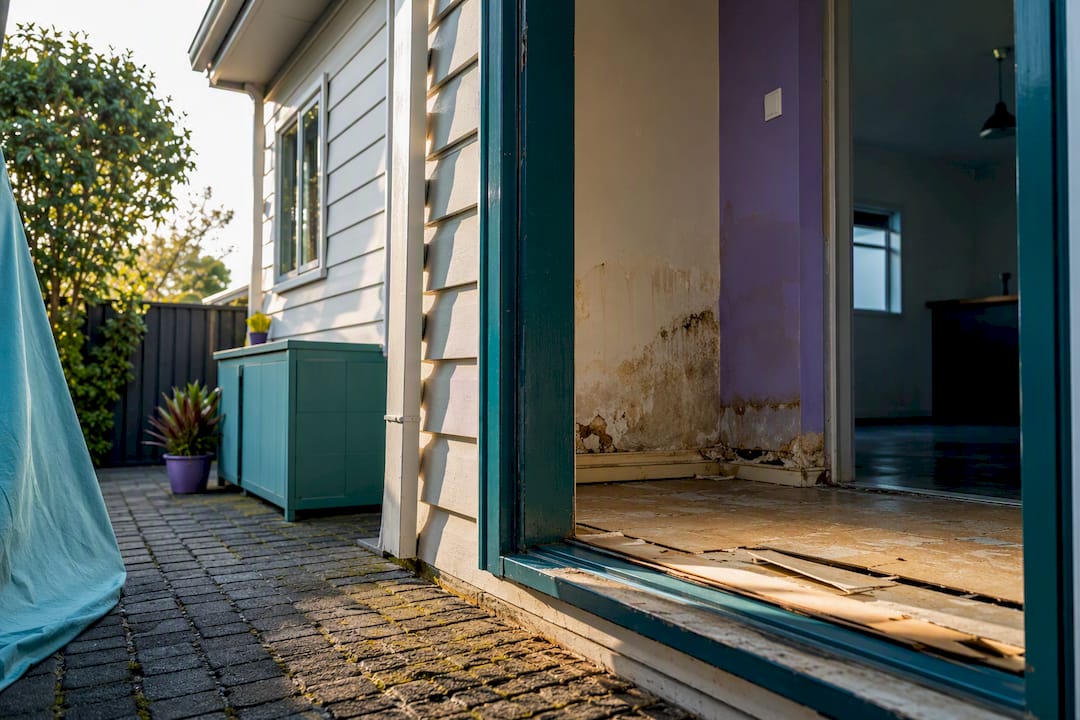
Yes, you can sell a property even with tenant damage sitting on it. Document everything first, check what your tenant is actually liable for under the Residential Tenancies Act, and then decide whether vacant possession, a tenanted sale, or an as-is cash sale gets you to settlement fastest. Follow the statutory notice process before you touch the bond or lodge a Tribunal claim.
TL;DR:Landlords should document all damage thoroughly with photos, condition reports, and repair quotes to support claims for tenant liability.Damage related to normal wear and tear, such as faded carpets or small nail holes, is not tenant damage and cannot be claimed.Insurance and the bond mostly cover repair costs; tenant liability for damages is capped at the excess or a few weeks’ rent.Selling with tenants is viable if the property is presentable, but seeking vacant possession or selling as-is may be better if repairs are extensive or repairs are not worth the cost.An as-is sale offers a quick, certain settlement without repair delays, especially useful when repair costs outweigh the property’s value or tenancy disputes are ongoing.
Table of Contents
- Is this damage or fair wear and tear?
- How to document damage so a claim will stick
- Talk to the tenant, issue notices and try remediation first
- Using the bond, insurance and the Tenancy Tribunal to recover costs
- Selling: keep tenants, seek vacant possession, or sell as-is: how to decide
- Preparing the damaged property for sale (repairs, valuation and access)
- When selling as-is makes sense: a practical option for damaged properties
- Handling disputes or claims from tenants during the selling process
- Author’s perspective: what actually gets a damaged rental sold fast
- How Easysale can help sell a tenant-damaged property fast
- Authoritative tenancy and legal resources
- Sources
Is this damage or fair wear and tear?
Not every mark on a wall is tenant damage. A landlord has to prove the issue is not fair wear and tear before recovering a cent, and Tenancy Services is clear that ordinary use of a home doesn’t count against the tenant.
Some quick examples make the line easier to see:
- Fair wear and tear: faded carpet, worn kitchen bench edges, small nail holes from picture hooks, sun-bleached curtains.
- Tenant damage: broken windows, cigarette burns in carpet, holes punched in gib, pet damage to doors or flooring.
The onus sits with you, the landlord, which means photos and a proper inventory matter more than memory or assumption. Even where damage is clearly the tenant’s doing, their liability has a ceiling. Under Community Law, careless damage caps out at the lesser of your insurance excess or a few weeks’ rent, while deliberate or criminal damage can push liability higher.
How to document damage so a claim will stick
Tribunal claims live or die on paper trails. Tenancy Services notes that without a condition report or move-in photos, claims are frequently dismissed outright, so treat evidence-gathering as job one, not an afterthought.
- Photograph every damaged area in good light, with a timestamp visible or embedded in the file metadata.
- Pull out the original move-in inventory and condition report and compare it line by line.
- Get at least one written contractor quote for repairs, ideally two for comparison.
- Store everything in a dated cloud folder or email chain you can forward without editing.
- Keep a running damage log noting the date noticed, description, and any tenant communication.
Pro Tip: Create a simple spreadsheet with columns for date, room, description, photo file name and repair quote. The Tribunal wants a clear timeline, not a shoebox of unsorted photos.
Talk to the tenant, issue notices and try remediation first
Escalating straight to the Tribunal without talking to your tenant first rarely goes well and can weaken your case. Start with a calm, factual conversation about what you’ve found and what you expect fixed or paid for.
If that doesn’t resolve things, a formal 14-day notice to remedy is your next step, as set out under the Residential Tenancies Act. It should:
- Name the specific breach (not “damage” generally, but the exact issue).
- State the remedy you require and the 14-day deadline.
- Reference the tenancy agreement clause it relates to.
- Warn what happens if the tenant doesn’t comply.
Send it by a method you can prove, registered post or email with a read receipt, and keep that delivery evidence. If the tenant ignores the notice or disputes it, that non-compliance becomes part of your Tribunal file rather than a reason to panic.
Using the bond, insurance and the Tenancy Tribunal to recover costs
Most landlords assume the tenant will simply pay for repairs. In practice, insurance and the bond do most of the heavy lifting. Tenancy Services recommends carrying landlord insurance precisely because it’s usually the primary route for covering significant damage, with the tenant’s liability often limited to your policy excess.
Before lodging anything, check the Tribunal will actually want:
- The signed tenancy agreement and bond lodgement details.
- Your condition report, photos and damage log.
- Contractor quotes or invoices for the repair cost.
- Copies of any 14-day notices and proof of delivery.
Careless tenant damage is capped at the lesser of your excess or a few weeks’ rent under Community Law’s guidance, so set your expectations accordingly. Many landlords assume they’ll recover full repair costs from the tenant directly. Realistically, insurance plus the bond will usually be your main recovery path rather than a windfall from the tenant’s pocket.
Selling: keep tenants, seek vacant possession, or sell as-is: how to decide
Three paths exist here, and the right one depends on how much time and repair capacity you have.
- Sell tenanted: viable if the property is presentable and the tenancy well-documented. Buyers will want the tenancy agreement, bond details and rent records handed over at settlement, as Settled explains.
- Seek vacant possession: for a periodic tenancy, you’ll generally need to give at least 90 days’ written notice, which affects your settlement timeline and marketing window.
- Sell as-is to a cash buyer: the pragmatic choice when damage is significant, repairs would eat your margin, or you simply don’t want to manage the process while a tenancy or dispute is unresolved.
Fixed-term tenancies transfer to the buyer unless the tenant agrees otherwise, so factor that into which buyers will even consider the property.
Preparing the damaged property for sale (repairs, valuation and access)
Not every repair is worth doing before you list. Cosmetic fixes that cost little and lift buyer confidence are usually worthwhile; structural or extensive repairs often make more sense reflected in a lower asking price than paid for upfront.
- Get quotes for essential repairs versus cosmetic ones, then decide what genuinely moves the sale price.
- Arrange photography, inspections and open homes with the tenant’s written consent and reasonable notice, respecting their privacy rights throughout.
- Ask a local agent or valuer for a realistic price given the property’s current condition, not its “fixed” hypothetical value.
- If repairs and coordination feel like more hassle than they’re worth, weigh that against the certainty of an as-is offer.
Coordinating trades, cleaners and clearances around an active tenancy is its own logistical headache. Services like Onyx Removals that handle end-of-tenancy cleaning and turnover tasks can take some of that pressure off if you do go the repair-and-list route.
When selling as-is makes sense: a practical option for damaged properties
A direct cash offer skips the repair-and-market cycle entirely. Instead of chasing quotes, waiting on trades and running open homes around a tenancy, you get an offer based on the property’s actual condition and can settle on a timeline that suits you.
To speed things along, have your tenancy agreement, bond details, title information and clear photos of the damage ready before you enquire. Buyers assessing an as-is purchase will price against condition, but they also value certainty, and having documentation sorted upfront removes back-and-forth that otherwise stretches out negotiations by weeks. Read through this practical guide to selling a damaged property for a fuller checklist.
Handling disputes or claims from tenants during the selling process
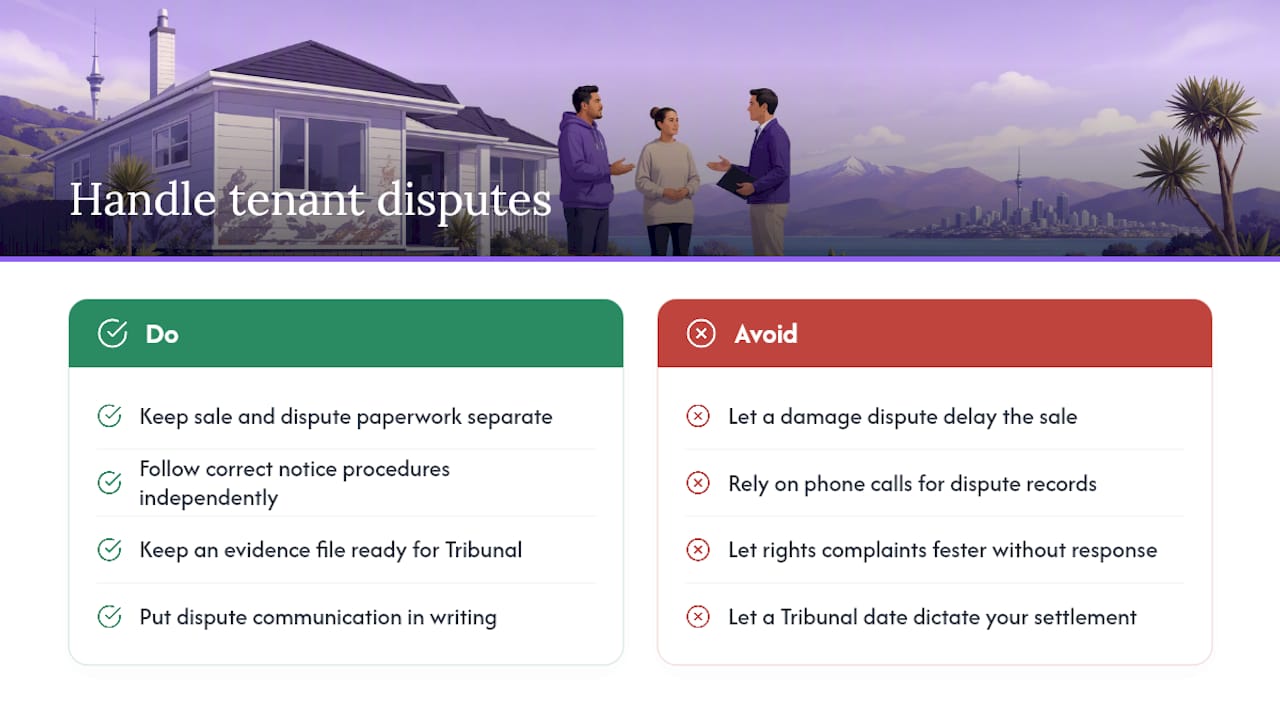
Tenants sometimes push back once they realise a sale is coming, particularly if they’re facing a 90-day notice or a Tribunal claim over damage at the same time. Keeping the two processes separate in your own paperwork matters here. A dispute over damage liability shouldn’t be allowed to delay or derail your sale timeline if you’ve followed the correct notice procedures independently.
If a tenant disputes a damage claim, they can apply to the Tenancy Tribunal themselves, and you’ll need your evidence file ready regardless of who initiates proceedings. Keep communication in writing wherever a dispute is brewing. A phone call might feel faster, but it leaves no record if the disagreement escalates.
Where a tenant claims your sale process breaches their rights, for example inadequate notice for viewings or photography, address it immediately and in writing rather than letting it fester. Clear, early communication tends to reduce friction significantly, and a modest gesture like a small rent concession for cooperation with access can save weeks of delay compared to a standoff, according to Settled.govt.nz’s experience with sales involving tenants.
If a dispute genuinely can’t be resolved and threatens to hold up settlement, that’s often the point where an as-is sale to a buyer who isn’t fazed by an active tenancy or an unresolved damage claim becomes the more sensible option, rather than letting a Tribunal date dictate your settlement date.
Author’s perspective: what actually gets a damaged rental sold fast
Three signals tell me a landlord should stop repairing and sell as-is: the repair quote exceeds what it’ll add to sale price, the tenancy is contentious, or you need certainty over maximum dollars. Beyond that, prioritise your condition report and photos over everything else. Paperwork sells houses faster than paint does.
— Aaron
How Easysale can help sell a tenant-damaged property fast
There’s a real cost to the repair-and-list route: weeks of quotes, trades juggling access around a tenancy, and no guarantee the market pays back what you spent. Easysale is the alternative when that timeline and uncertainty don’t work for you. It buys properties in whatever condition they’re in, tenanted or vacant, damaged or not, without agent commissions or a repair list to work through first.

The process runs in three steps: submit your property details, receive a no-obligation cash offer, then settle on a timeline that suits you rather than the market’s. Before you enquire, pull together photos of the damage, your tenancy agreement, bond details and title information. It speeds up how fast an offer lands in your inbox. If a tenant-damaged property has been sitting on your to-do list, get a no-obligation offer from easySale and see what a fast, certain settlement actually looks like.
Authoritative tenancy and legal resources
For forms, Bond Hub access and Tribunal applications, start at Tenancy Services, the official source for procedure and statutory templates.
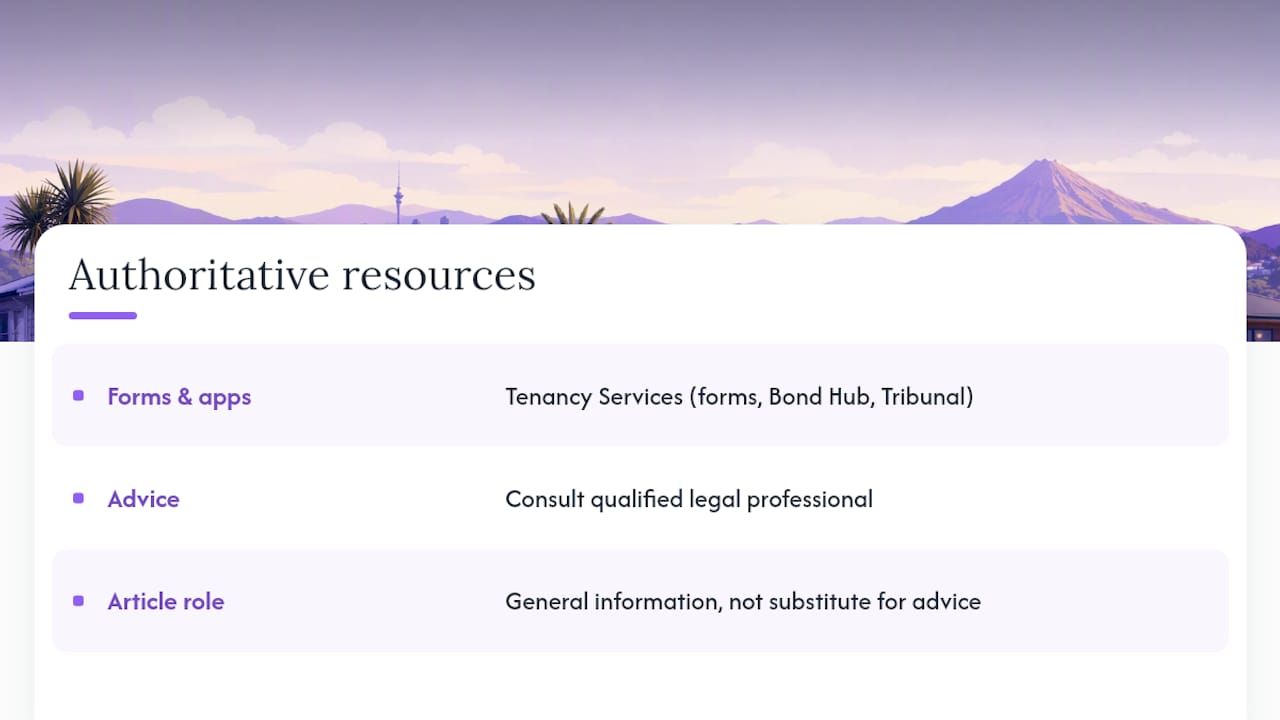
This article is general information, not a substitute for advice from a qualified lawyer. Consult a qualified legal professional about your own circumstances before acting on anything here.
Sources
- Damage and repairs » Tenancy Services
- Damage and repairs - Community Law
- Residential Tenancies Act – liability provisions
- Settled
Recommended
