
Selling a damaged property in New Zealand: your practical guide
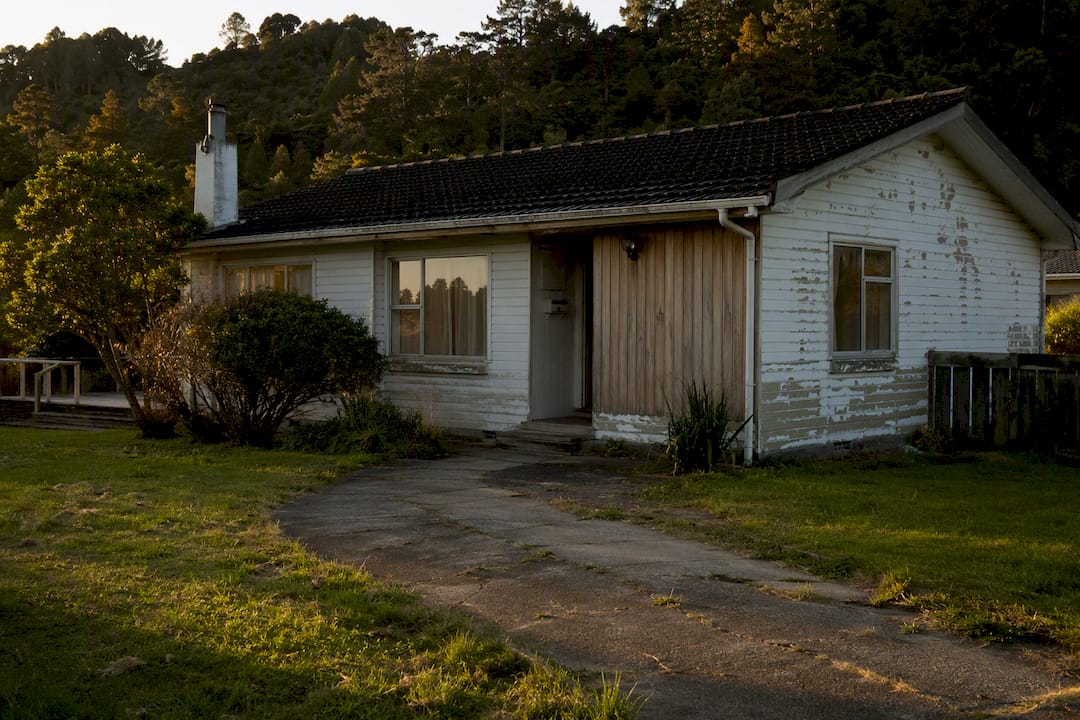
Yes, you can sell a damaged property in New Zealand, and in many cases it’s the fastest way out of a stressful situation. The first 72 hours matter most: document the damage properly, check where any insurance or Natural Hazards Commission claim stands, and get legal advice before you list or accept an offer. From there you’ve got real choices: repair and list on the open market, sell as-is, or go straight to a direct cash buyer who takes on the damage themselves.
Your immediate checklist looks like this:
- Photograph and video every damaged area, inside and out, with timestamps.
- Contact your insurer or the Natural Hazards Commission to confirm your claim status.
- Ask a property lawyer what you’re legally required to disclose before you talk to any buyer.
Sellers who work through a direct cash buying process for a damaged home report sales moving roughly 45% faster than the traditional agent route, according to easySale’s internal data. That gap is largely down to skipping repairs, open homes, and finance-conditional buyers altogether.
Key Takeaways
Selling a damaged property in New Zealand works best when disclosure happens early, claim documents are sorted before listing, and the selling method matches your priorities on speed versus price.
| Point | Details |
|---|---|
| Disclose everything in writing | Attach reports and claim history to a vendor statement before any offer is signed. |
| Sort claims before listing | Request NHC documents early and decide on a Deed of Assignment before negotiating. |
| Weigh CoA against disclosure | A Certificate of Acceptance can trigger costly Building Code upgrades, so compare it to discounting and disclosing. |
| Match the method to your priority | As-is listings suit price, repairs suit time-rich sellers, and Easysale suits speed and certainty. |
| Easysale offers a faster route | Easysale’s direct cash offer process reports around 45% faster sales for damaged properties, with no repairs or agent fees. |
This article is general information, not a substitute for advice from a qualified lawyer. Consult a qualified legal professional about your own circumstances before acting on anything here.
Table of Contents
- Selling damaged property guide: your options at a glance
- What must you legally disclose when selling?
- How do you document damage before selling?
- Does unconsented work stop a sale?
- How do insurance and Natural Hazards Commission claims affect a sale?
- How do you value a damaged property fairly?
- How do you handle negotiations and buyer conditions?
- What’s the step-by-step process to sell now?
- When does a direct cash buyer make the most sense?
- Common mistakes sellers make and what actually works
- How easySale helps you sell a damaged home
- Sources
Selling damaged property guide: your options at a glance
Every damaged property sale comes down to a trade-off between speed, certainty, and the price you’ll walk away with. Here’s how the four main routes stack up.
- Sell as-is on the open market. You list through an agent without fixing the damage, disclosing it fully in writing. Investors and renovators are your likely buyers, and settlement usually takes 6 to 12 weeks once you find the right one, assuming finance and building reports don’t stall things.
- Repair, then sell. This makes sense when the repair cost is well below the value uplift you’ll get, and when you have the cash flow to front the work without a claim payout in hand. Run the numbers before committing. If repairs cost more than the price gap between damaged and repaired value, you’re paying to lose money.
- Sell to a direct cash buyer. Easysale is one option here. No agent commission, no repairs required, and settlement can happen on your timeline rather than a buyer’s finance approval. The trade-off is usually a lower price than a fully repaired open-market sale would fetch, in exchange for speed and certainty.
- Private sale or conditional deal. Common when a buyer already knows the property. Expect clauses around finance, building inspection, and sometimes assignment of any outstanding insurance claim.
What must you legally disclose when selling?
New Zealand law puts the disclosure duty squarely on you as the seller. If you know about a defect, whether it’s structural cracking, a leaky roof, or work done without consent, you’re required to tell the buyer. Failing to do so can expose you to a claim for misrepresentation or breach of contract well after settlement has happened and the money’s spent.
The Real Estate Authority’s rules add another layer if you’re selling through an agent. Under the disclosure guidance covering rules 6.4 and 10.7, a licensee must pass on anything they know about defects, and they’re required to stop acting for you altogether if you instruct them not to disclose something. That’s a real safeguard for buyers, and a strong reason to get ahead of it yourself.
What typically needs disclosing:
- Structural damage from a storm, flood, earthquake, or subsidence, even if it’s since been patched.
- Any building work carried out without the right council consent.
- Insurance or Natural Hazards Commission claims, whether they’re settled, unsettled, or never lodged at all.
The practical fix is straightforward: put together a written vendor statement, attach any inspection or engineer’s reports you have, and tell your agent or the buyer in writing rather than a phone call. Marketing a home “as is, where is” does not remove this duty. The disclosure principles make clear that as-is wording covers condition, not your obligation to speak up about what you know.
Pro Tip: Get your disclosure statement checked by a property lawyer before it goes anywhere near a buyer. A half-hour conversation now is far cheaper than defending a misrepresentation claim after settlement.
How do you document damage before selling?
Buyers, and their lawyers, will want a clear paper trail. Build it early rather than scrambling when an offer lands.
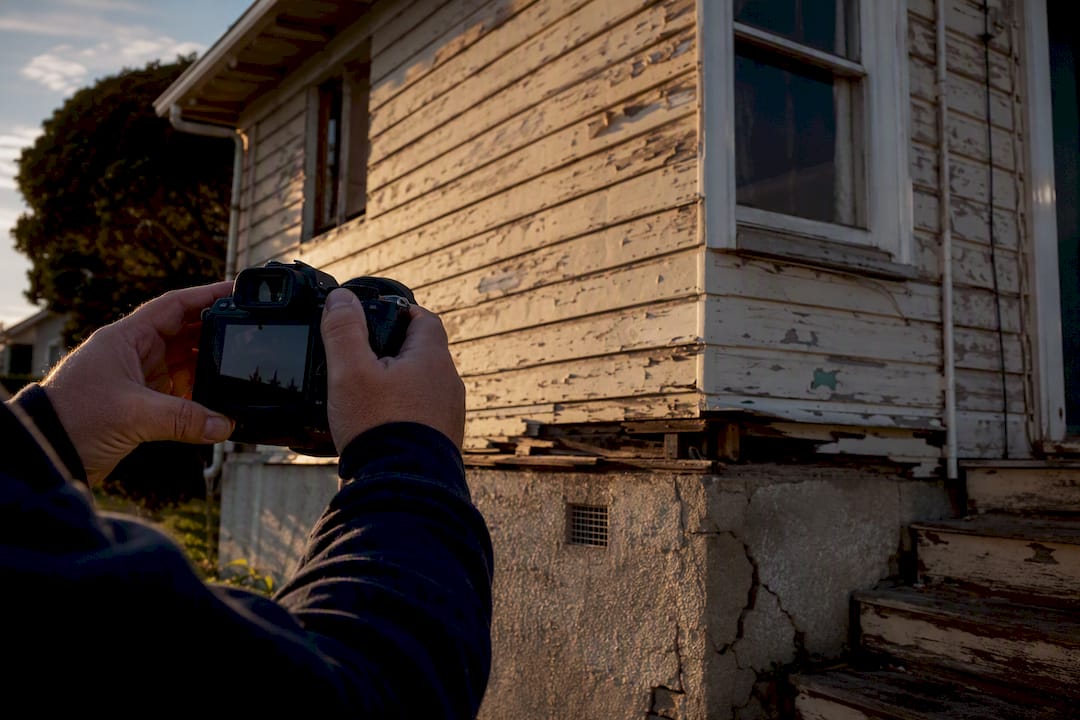
Start an evidence log the day you notice damage. Date-stamp every photo, keep short video walk-throughs of each affected room, and note down anything a tradesperson or neighbour tells you about when the damage happened.
From there, commission the right professional reports for what you’re dealing with:
- A building inspector’s report for general condition and visible defects.
- A structural engineer’s report if there’s cracking, movement, or anything load-bearing involved.
- Electrical or plumbing checks where water or wiring damage is suspected, even if it looks minor.
Keep in mind that if a report flags a problem, you can’t quietly shelve it. Property inspection report guidance confirms sellers must disclose findings from reports they’ve commissioned, even when the buyer is expected to get their own.
Round out the pack with your insurance claim paperwork, the insurer’s scope of works, contractor invoices, and any sign-off documents from work already completed. A tidy folder here often does more to keep a sale on track than a lower price would.
Does unconsented work stop a sale?
Not necessarily, but it usually needs a decision. If a previous owner or a past version of you did work without council consent, a Certificate of Acceptance (CoA) is one path forward. It’s different from a Code Compliance Certificate (CCC), which is issued when consented work passes final council inspection. A CoA instead asks the council to retrospectively accept work that was never consented in the first place, and that process can be more demanding than owners expect.
- A CoA can require bringing older work up to current Building Code standards, not just approving what’s already there.
- Council inspections and remedial work can add weeks or months, and the Council’s CoA process sometimes uncovers issues that cost more to fix than the CoA itself.
- Legal guidance on unconsented works recommends weighing a CoA application against simply disclosing the issue and pricing the property accordingly.
For many sellers, especially those needing a quick sale, disclosing the unconsented work and discounting the price is the more commercially sensible move. Chasing a CoA only makes sense if you have the time and budget to absorb whatever the council finds.
How do insurance and Natural Hazards Commission claims affect a sale?
Buyers on a damaged property will almost always ask what’s happened with any insurance or Natural Hazards Commission (NHC) claim, and you need clean answers ready before you list.
Request your claim history and documentation directly from the NHC (formerly EQC) well before marketing starts. NHC guidance on claims transfer explains that buyers expect to see what’s been claimed, what’s been paid, and what remains outstanding.
- If a claim is unresolved, a Deed of Assignment transfers the benefit of that claim from you to the buyer. It needs to be negotiated as part of the sale agreement, not tacked on afterwards.
- If your claim has already been paid out but the repairs were never carried out, expect that to affect both insurability and valuation going forward. A buyer’s insurer may decline cover until the work is done.
- General insurance claims-process guidance is a useful reference point for understanding how claims typically move through assessment and payout stages, even outside the NHC framework specifically.
Settled’s guidance for sellers after a natural disaster is blunt about this: request the paperwork early, decide on assignment before you’re mid-negotiation, and disclose fully even if you’re selling “as is, where is.”
How do you value a damaged property fairly?
Pricing a damaged home is part maths, part psychology. You want a figure that reflects reality without scaring off the buyers who could actually make it work.
Start with comparable sales in your area, then adjust downward for the estimated repair cost rather than guessing at a discount. A short-form registered valuation or appraisal gives you a defensible number, and it’s worth measuring any direct cash offer against that appraisal so you know exactly what you’re trading away for speed.
- Get repair quotes from at least two tradespeople and build in a margin for the unknowns that always show up once walls come off.
- Consider listing “priced for repair” so buyers self-select into the right budget range from the start.
- An as-is listing with a reserve price can work well when you want to test the market before committing to a cash buyer’s offer.
- Conditional offers, where a buyer wants further inspection before finalising, tend to slow things down but can lift the final price if you have the time to wait them out.
How do you handle negotiations and buyer conditions?
Damaged properties attract buyers who negotiate harder, and that’s fair enough. Knowing what’s coming lets you respond calmly instead of on the back foot.
- Expect conditions around building inspection, finance approval, and sometimes assignment of any outstanding insurance claim. Each one needs a clear, written response from you, not a verbal assurance.
- Build protective clauses into the contract: full disclosure attached as a schedule, a defined settlement date, and explicit wording if a claim is being transferred as part of the deal.
- Understand your timeline realistically. Finance-conditional buyers commonly add two to four weeks of uncertainty. A direct cash offer usually removes most of that contingency period because there’s no bank valuation or mortgage approval sitting between the offer and settlement.
What’s the step-by-step process to sell now?
Here’s the order most sellers should work through, from the moment damage is discovered to settlement day.
- First 48 to 72 hours: Make the property safe, photograph everything, notify your insurer or the NHC, and get a lawyer to confirm your disclosure obligations.
- Next 2 to 6 weeks: Commission any inspection or engineer reports you need, decide between repairing and selling as-is, gather your claim and consent paperwork, and get indicative offers so you know your realistic price range.
- When you’re ready to sell: Put together your full sale pack, disclose everything in writing before an offer is signed, negotiate using your evidence rather than emotion, and lock in a settlement window that suits your circumstances.
Pro Tip: Don’t wait for a “perfect” report before you start getting indicative offers. A rough figure now helps you decide whether repairing is even worth it, before you’ve spent a cent on tradespeople.
When does a direct cash buyer make the most sense?
Some situations point clearly toward a direct sale rather than the open market. Urgent relocation for work or family reasons, damage severe enough that insurers won’t touch it, or a consent process too costly and slow to be worth pursuing are the three most common triggers.
Easysale’s process runs in three steps: you submit the property details, receive a no-obligation cash offer, and settle on a timeline that suits you, no agent involved, no repairs required. The 45% faster sale timeline reported internally reflects exactly this: skipping the open-market steps that damaged properties tend to get stuck on.
Before accepting any cash offer, ask the buyer how they calculated it, whether the offer is genuinely no-obligation, what documents they need from you, and how firm their proposed settlement date really is.
- Ask for the offer basis in writing, not just a verbal number.
- Confirm there’s no cooling-off penalty if you decide not to proceed.
- Check the settlement date is negotiable to fit your circumstances.
Common mistakes sellers make and what actually works
The mistake I see most often isn’t dishonesty, it’s delay. Sellers sit on a known defect hoping a buyer won’t ask, or they wait for a “complete” report before telling anyone anything. That delay is what turns a manageable disclosure into a misrepresentation claim months later.
The fix isn’t expensive. A written disclosure statement and one solid inspection report cover most situations without needing five separate specialists. Save the structural engineer for genuine structural concerns, not every crack in a wall.
Get legal advice the moment consent status or claim transferability is unclear. That’s the one area where guessing costs far more than asking.
— Aaron
How easySale helps you sell a damaged home
If repairing, disclosing, and waiting for the right buyer feels like more than your situation allows, Easysale gives you a way to skip straight to a result: a cash offer on your property as it stands right now, no repairs, no agent commission, and no open homes.

The process is deliberately simple. You tell Easysale about the property, including the damage, any consent issues, and where your insurance or NHC claim stands. Easysale reviews the details and comes back with a no-obligation cash offer, usually without needing you to commission a fresh round of reports first. Once you accept, settlement is set on a timeline that works for you, whether that’s a few weeks or a few months out. It’s the same three-step approach covered in easySale’s guide to selling damaged property fast, built specifically around properties that struggle on the open market. If you’re ready to see where you stand, you can request a fair cash offer on your damaged home and find out what a no-repairs sale looks like for your situation.
Sources
- Principles of disclosure | Real Estate Authority
- Buying or selling a home with previous claims | Natural Hazards Commission Toka Tū Ake
- Certificate of acceptance for unconsented building work | Auckland Council
Recommended
