
Private House Sales NZ: Stress-Free Solutions Explained
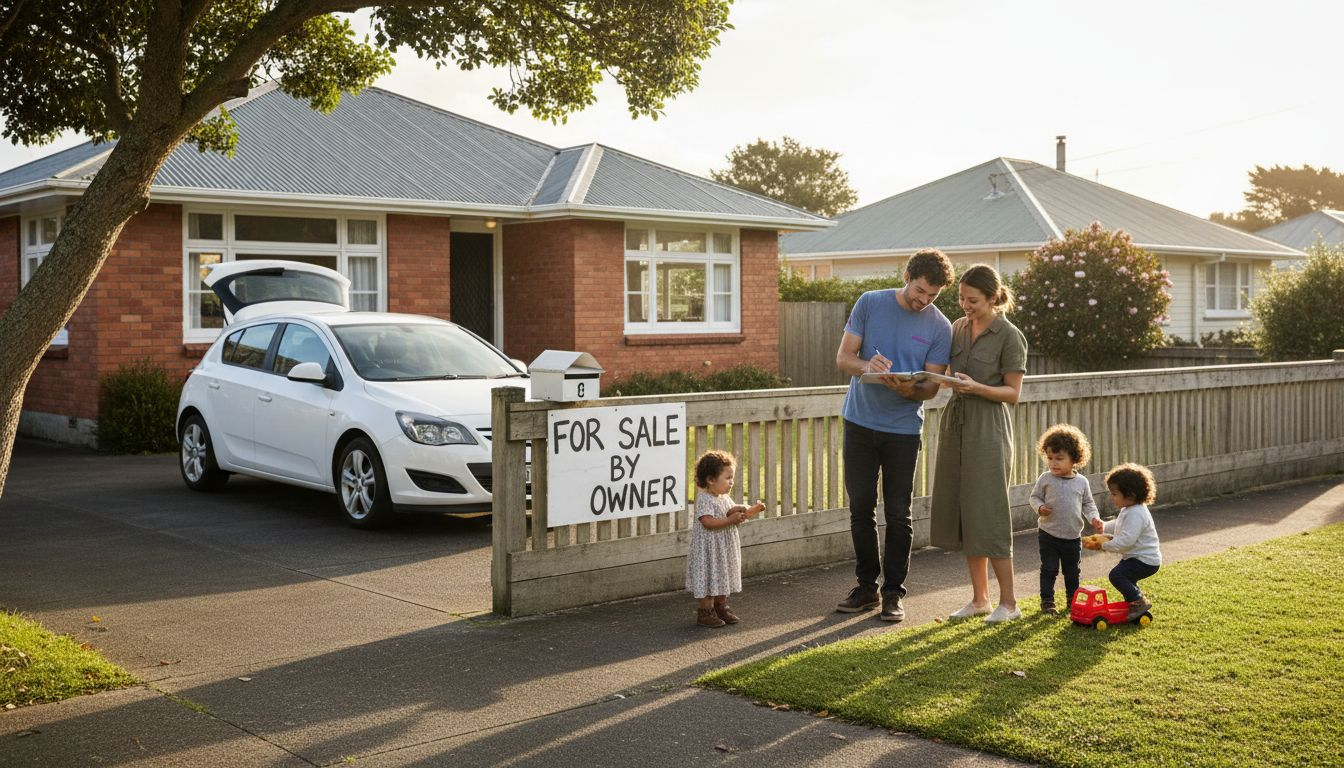
Selling your home during financial stress can feel overwhelming, especially when every dollar counts and speed matters. Many New Zealand homeowners discover that a private house sale puts them in control, allowing them to sidestep agent commissions and customise the process to their own timeline. Taking on this challenge means marketing directly to buyers and handling legal steps with a trusted solicitor. For those needing a fast, straightforward solution, understanding the core benefits and responsibilities of selling privately is the first step towards relief.
Table of Contents
- Defining Private House Sales In New Zealand
- Types Of Private Sale And Key Differences
- How The Private Sale Process Works
- Legal Disclosure, Contracts, And Obligations
- Risks, Costs And Common Pitfalls
- Alternatives To Private Selling And Cash Buyer Options
Key Takeaways
| Point | Details |
|---|---|
| Control vs Convenience | Selling privately gives you control over the process, but it requires significant effort in marketing, negotiation, and legal compliance. |
| Cost Savings Potential | Avoiding agent commissions can save you thousands, but consider the time and costs of self-managing the sale. |
| Legal Disclosure Importance | Full disclosure of property issues is crucial to avoid legal complications; transparency builds buyer trust. |
| Consider Alternatives | Weigh the benefits of private sales against hiring agents or using cash buyers for quicker, stress-free transactions. |
Defining Private House Sales in New Zealand
When you sell your home privately in New Zealand, you’re taking control of the entire transaction without involving a real estate agent. This means you handle the marketing, showings, negotiations, and all the other moving parts yourself, which is fundamentally different from the traditional agent-led sale most people know. Selling privately means marketing directly to potential buyers whilst managing the legal and contractual side with the help of a lawyer or conveyancer. You keep the commission money that would otherwise go to an agent, but you also take on the responsibility and effort that comes with that freedom.
The key distinction here is control versus convenience. In a traditional sale, a real estate agent handles advertising, schedules viewings, negotiates offers, and manages the timeline. With a private sale, all of that falls to you. You decide how to market the property, who you show it to, and what price you’re willing to accept. This approach works well for motivated sellers who understand their local market or have properties that appeal to specific buyer groups. However, private sales require full transparency about the property, meaning you must honestly disclose all relevant information about the home’s condition, history, and any issues. Failing to do so creates legal complications that can derail the entire deal.
What makes private sales attractive for many Kiwis facing difficult circumstances is the cost savings and speed. You’re not paying agent commissions (typically 2-3% of the sale price), which on a $500,000 property could mean saving $10,000 to $15,000. You also maintain control over your timeline and can structure the sale to fit your needs rather than the agent’s. That said, the legal process remains complex. You’ll still need a lawyer or conveyancer to prepare contracts, manage the deposit, handle title transfers, and ensure everything meets New Zealand property law requirements. The responsibility is yours, but the legal framework is not something you can skip.
Pro tip: Before committing to a private sale, calculate your realistic effort investment (time spent marketing, showing the property, and managing inquiries) against the commission savings. For some sellers, the savings justify the work; for others, professional support might deliver faster results that outweigh the cost.
Types of Private Sale and Key Differences
When you decide to sell your home privately, you’re not limited to just one approach. New Zealand offers several private sale methods, each with its own mechanics and suitability depending on your situation. Understanding these options helps you choose the right path for your specific circumstances, whether you’re facing financial pressure, a property in poor condition, or simply want to avoid agent fees. The most common private sale types include private treaty, advertised price, and deadline sales, each operating differently in terms of negotiation flexibility, timeline, and buyer engagement.
Private treaty is the most flexible and widely used private sale method. This approach involves negotiation between buyer and seller without fixed deadlines, giving both parties room to discuss terms, price adjustments, and settlement dates. There’s no rush or artificial pressure to accept an offer quickly, which can work in your favour if you’re not desperate to sell immediately. However, this flexibility can also mean the sale takes longer, as you might spend weeks or months negotiating with potential buyers. Advertised price sales work differently. You set a specific asking price publicly, and buyers either accept it or make offers below that price. This method signals confidence in your property’s value but can discourage buyers who see the price as fixed. Deadline sales create urgency by setting a specific closing date for offers, which can accelerate the process if you need to sell quickly.
Tender and auction sales sit outside traditional private sales but worth mentioning. With auction and tender sales, there are set rules and no cooling off periods, meaning the buyer is committed once they’re successful. These work well if you have a property with clear appeal and want maximum exposure, but they require professional coordination and marketing. For sellers in distress or with properties that need work, private treaty typically offers the most realistic pathway because it removes the pressure of competing against other bidders and allows honest conversation about the property’s true condition.
The key difference between these methods comes down to control and speed. Private treaty gives you maximum control but slower timelines. Deadline sales and auctions compress the timeframe but introduce competition and less flexibility. Your choice depends on whether you need to sell quickly or whether you have time to negotiate. Most Kiwis facing difficult circumstances benefit most from private treaty because it allows straightforward communication with serious buyers and gives you breathing room to manage the transaction on your terms.
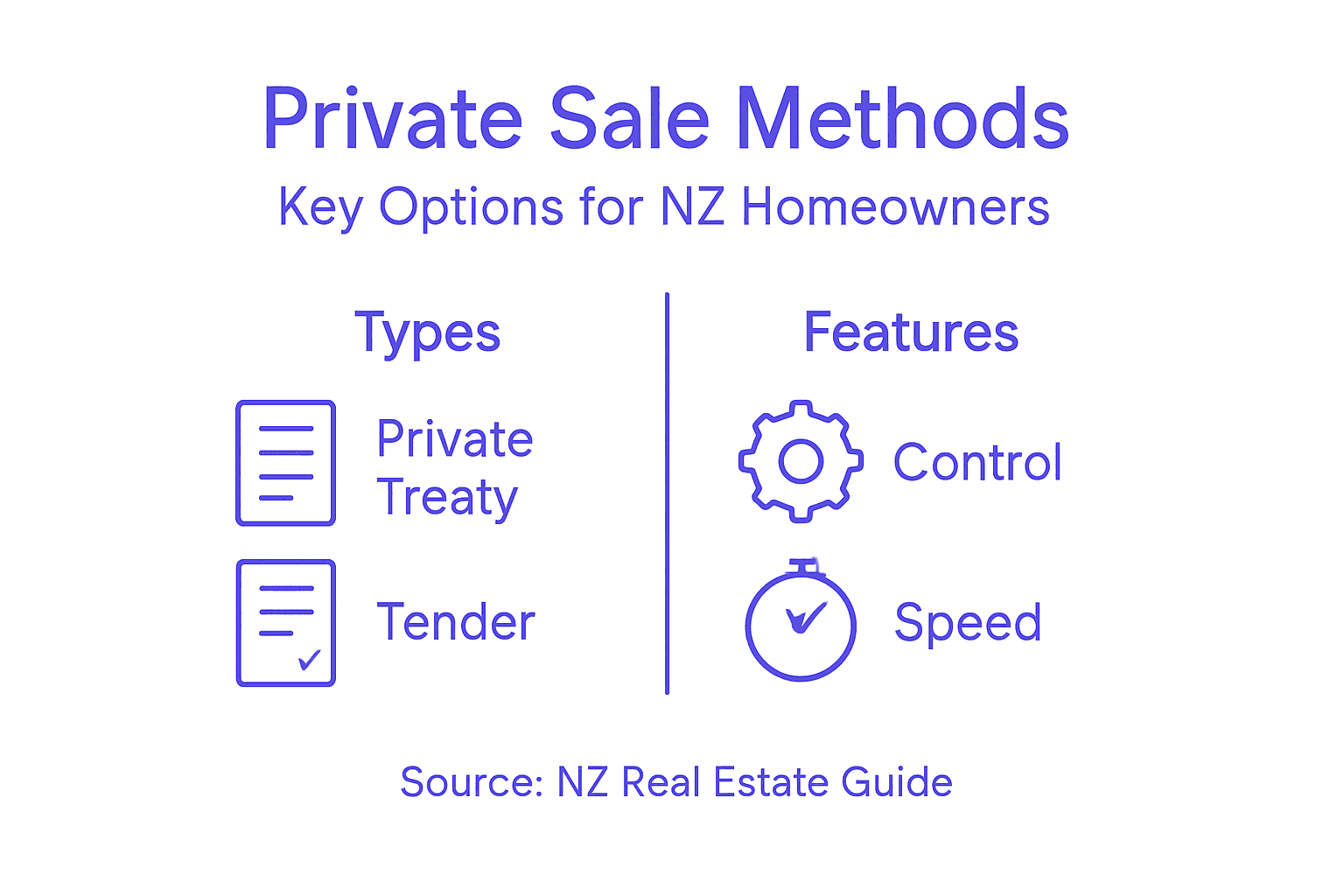
Here’s a comparison of private sale methods in New Zealand:
| Sale Method | Timeline Control | Buyer Engagement | Typical Seller Profile |
|---|---|---|---|
| Private Treaty | Flexible, seller-led | One-on-one, detailed | Owners wanting negotiation time |
| Advertised Price | Moderately flexible | Open, offers welcomed | Sellers confident in value |
| Deadline Sale | Short, fixed deadline | Competitive urgency | Sellers needing a quick result |
| Auction | Highly compressed | Public, competitive | Properties with broad appeal |
| Tender | Set closing date | Private, multiple | Unique or high-value properties |
Pro tip: If you’re selling privately without an agent, private treaty combined with clear, honest property disclosure builds buyer confidence fastest. Buyers facing a quick or quiet sale often appreciate transparency over flashy marketing, making this combination ideal for distressed properties.
How the Private Sale Process Works
Selling your home privately in New Zealand follows a structured journey, though you’ll be taking on responsibilities that an agent would typically handle. The process starts with preparation and moves through marketing, negotiation, and finally legal completion. Understanding each stage helps you stay organised and avoid costly mistakes. Unlike a traditional sale where an agent manages timelines and coordination, you’re orchestrating the entire operation yourself, which requires planning, attention to detail, and clear communication with potential buyers.

Your first step is preparing the property and determining a realistic asking price. This means assessing your home honestly, addressing any obvious issues, and researching comparable sales in your area to set a competitive price. Property pricing, marketing, and negotiating offers become your responsibility, which demands some market knowledge or willingness to do research. Next comes marketing. Without an agent’s network, you’ll need to list on property websites like Trade Me, create compelling descriptions and photography, and potentially host open homes. This is where many private sellers struggle, as effective marketing requires time investment and sometimes professional photography to stand out. Once interest arrives, you’ll field inquiries, arrange viewings, and negotiate terms directly with buyers. This direct contact has benefits and challenges, it allows flexibility but also requires you to remain professional and composed during negotiations.
The legal side parallels a traditional sale but falls entirely on you to coordinate. Hosting open homes, negotiating offers, and organising legal paperwork through a solicitor form the closing stages of a private sale. You’ll need to engage a lawyer or conveyancer early to prepare the agreement for sale and purchase, conduct title searches, and manage settlement. This legal work costs money, typically between $1,500 and $2,500, but it’s non-negotiable. Your solicitor ensures all disclosures are made, deposits are protected, and the transaction complies with New Zealand law. The entire process typically takes 4 to 12 weeks, depending on how quickly you find a buyer and how smoothly negotiations proceed. Time pressure is real for sellers facing financial difficulty, so being proactive in marketing and responsive to inquiries accelerates the timeline significantly.
Pro tip: Start legal paperwork preparation immediately after listing, not after you receive an offer. Having your solicitor draft the agreement for sale and purchase in advance means you can respond to serious buyers within days, giving you a competitive edge over sellers who are still getting their legal documents organised.
Legal Disclosure, Contracts, and Obligations
When you sell your home privately, the legal responsibility falls squarely on your shoulders. This isn’t an area where you can cut corners or hope things work out informally. New Zealand property law requires full disclosure of all known relevant information about the property to protect buyers and shield yourself from future claims. What does this mean practically? You must tell potential buyers about structural issues, previous water damage, pest infestations, boundary disputes, and any other problems that could affect the property’s value or livability. Hiding information doesn’t protect you, it exposes you to legal action, sale cancellations, and potentially expensive remedies after settlement. Buyers have the right to take legal action if they discover you knowingly withheld material information, and these cases can drag on for years.
Your sale and purchase agreement is the cornerstone of your entire transaction. This document outlines the price, settlement date, what chattels are included, and any conditions the sale depends on. You absolutely need a qualified lawyer or conveyancer to draft this agreement, not a template you’ve found online or guidance from a friend. A lawyer costs money upfront, typically between $1,500 and $2,500, but they protect your interests and ensure the contract is legally sound. They’ll also handle the deposit, which the buyer pays to secure the agreement. That deposit is held in a trust account, not your personal account, which protects both you and the buyer. Your lawyer verifies the deposit has been received and safely held before you’re legally obligated to proceed. Skipping professional legal help is false economy. One mistake in your agreement could invalidate the entire sale or leave you liable for damages.
Comprehensive disclosure goes beyond just telling the truth when asked. You should proactively document property issues and include them in your marketing materials and disclosure statements. If your home has had flooding, mention it upfront. If the roof was damaged and repaired, provide receipts and details. If you know the neighbours have boundary issues with you, say so. This transparency actually accelerates sales by filtering out buyers who couldn’t handle known issues anyway and building trust with serious purchasers. The legal protection you get from honest disclosure outweighs any short-term loss from scaring off interested parties. Many properties with disclosed issues still sell successfully because buyers appreciate honesty and can factor problems into their decision. A cooling-off period doesn’t apply to private sales, which means once a buyer signs the agreement, they’re committed unless the contract explicitly includes escape clauses. This makes getting your legal documentation right the first time absolutely critical.
Pro tip: Create a written property disclosure statement before you start marketing, listing every known issue, past repairs, and property quirks you can think of. Provide this to serious buyers early in discussions. This prevents disputes later and demonstrates good faith, often making buyers more comfortable proceeding quickly.
Risks, Costs and Common Pitfalls
Private house sales aren’t risk-free, despite the appeal of avoiding agent commissions. The reality is that many first-time private sellers underestimate the challenges and end up either losing money, extending their sale timeline unnecessarily, or creating legal problems that cost far more than they would have saved. Private house sales carry risks including legal pitfalls, incomplete disclosure, and potential financial loss from inadequate negotiation. One of the most common mistakes is underpricing your property. Without professional market analysis, you might set an asking price based on emotion or incomplete information, and buyers will negotiate you down further. You could leave tens of thousands of dollars on the table. Another critical pitfall is poor marketing. If your property doesn’t get adequate exposure, you’ll attract fewer interested buyers, which weakens your negotiating position and extends your time on market. Professional photography, strategic online placement, and compelling descriptions cost money, but skipping them often costs more in lost value and extended carrying costs.
Legal missteps create the most dangerous pitfalls. Missing important legal steps and failing to properly disclose can expose sellers to costly disputes that linger long after settlement. Sellers who rush through the legal process or try to use DIY templates without professional review often discover problems months later when it’s too late to fix them. You might forget to declare a past renovation done without council consent, or fail to mention a neighbour dispute, and suddenly the buyer is threatening legal action. These disputes can cost thousands in legal fees and damages, easily exceeding what you saved by avoiding an agent. There’s also the risk of encountering problem buyers. Without an agent screening inquiries, you might spend weeks negotiating with someone who isn’t genuinely interested, has no deposit, or is structuring an offer that won’t satisfy your lender.
The hidden costs of private selling deserve attention. Marketing, professional photography, legal fees, conveyancing, and potentially survey costs add up quickly. You might spend $3,000 to $5,000 on these basics, which reduces your net commission savings. Then there’s your time. Hosting open homes on weekends, responding to inquiries late at night, managing negotiations, and coordinating with your lawyer and the buyer’s solicitor demands hours you might not have. For sellers facing financial distress or time pressure, these demands can become overwhelming. Private sales also account for a small percentage of property transactions, which tells you something important: most Kiwis recognise the complexity and choose professional help. This doesn’t mean private sales can’t work, but you must enter the process with eyes open about the genuine risks and costs involved.
Below summarises key costs and time estimates for private house sales:
| Aspect | Typical Cost Range | Time Commitment Estimate |
|---|---|---|
| Legal Fees | $1,500–$2,500 | 2–3 weeks for contracts |
| Marketing | $500–$2,000 | 10–20 hours for planning |
| Professional Photos | $300–$800 | 1–2 days scheduling/shoot |
| Open Homes & Inquiries | Out-of-pocket expense | 30–50 hours total |
| Total Duration | 4–12 weeks per transaction |
Pro tip: Budget conservatively for costs (legal, marketing, inspections) and factor in a realistic time commitment before deciding private sale is right for you. If you’re facing financial pressure or need to sell urgently, the stress and potential losses from mistakes might outweigh the commission savings.
Alternatives to Private Selling and Cash Buyer Options
If private selling feels overwhelming, you have legitimate alternatives worth considering. Each option trades something you want (like avoiding agent fees or controlling the process) for something else you gain (like professional support, speed, or certainty). Understanding these alternatives helps you make an informed decision rather than struggling through a private sale that might not suit your circumstances. The main alternatives include traditional real estate agents, auctions, tenders, deadline sales, and cash buyer services, each with distinct advantages and drawbacks depending on your priorities.
Real estate agents handle the entire sale process for a commission, typically 2 to 3 percent of the sale price. This sounds expensive, but agents bring professional marketing, broad buyer networks, skilled negotiation, and legal oversight that can justify the cost. They market your property extensively, manage viewings, handle inquiries, and negotiate on your behalf. For sellers facing time pressure or emotional stress, this professional buffer proves invaluable. Auctions create competitive bidding environments and generate urgency, potentially driving prices higher if your property has genuine appeal. However, auctions require upfront marketing investment and don’t suit properties needing work or those in slower markets. Tenders and deadline sales function similarly, creating structured timelines that accelerate the buying process. These methods work well for properties with clear value but require professional coordination. The trade-off is always the same: you pay for expertise and exposure, but you avoid the stress and time commitment of managing the sale yourself.
Cash buyers represent a fundamentally different approach. Cash buyers can expedite transactions as they bypass financing delays, meaning settlement can occur within days rather than weeks. This appeals strongly to sellers facing foreclosure, urgent relocations, or properties requiring expensive repairs. A cash buyer evaluates your property, makes an offer based on its current condition, and closes quickly without finance contingencies. The catch is that cash buyers typically offer below market value because they’re purchasing the right to solve problems themselves and take on risk. You might receive 70 to 85 percent of what a traditional sale would bring, but you get certainty and speed. For homeowners in genuine financial distress, this trade-off often makes sense. The stress relief and certainty of a quick settlement can outweigh the lower price, especially when facing mounting debt or time-sensitive circumstances. Smart home selling options should balance speed against financial outcomes to determine what matters most to your specific situation. The key is understanding your priorities. If you need maximum price, traditional agents or auctions suit you. If you need speed and certainty, cash buyers deliver. If you need moderate support and reasonable timelines, private sales with professional legal help occupy the middle ground.
Pro tip: Get multiple offers from different sources before deciding. Talk to a real estate agent about their marketing strategy and expected timeline, compare that with cash buyer offers and timeline, then honestly assess which outcome aligns with your genuine needs rather than what sounds best in theory.
Discover Stress-Free Private House Sales with easySale
Selling your property privately in New Zealand can feel overwhelming with all the legal disclosures, marketing, and negotiations you must manage yourself. If you are facing financial pressure, property damage, or simply need a quick, straightforward sale without the usual agent fees and delays, you are not alone. Many homeowners struggle with the time commitment and legal complexities involved in private treaty sales or other methods discussed in private house sales guides.
easySale.co.nz understands these challenges and provides a fast, fair cash offer service designed specifically for New Zealand homeowners seeking a hassle-free way to sell. You avoid the stress of marketing your home, the uncertainty of buyer negotiations, and the risk of costly legal pitfalls. Through a simple three-step process, you can receive a no-obligation offer for your property regardless of its condition and settle on your preferred timeline.
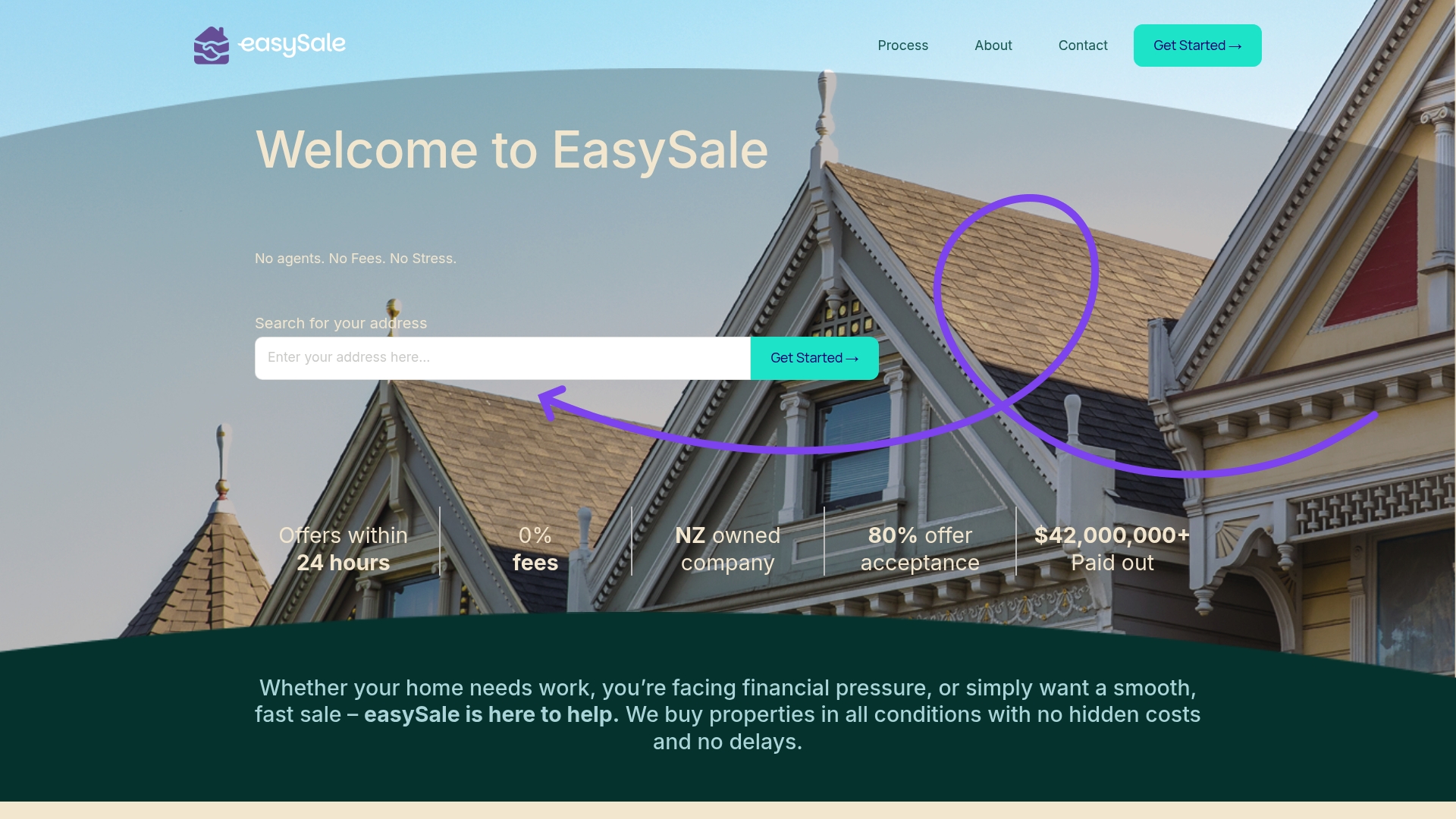
Ready to take control of your home sale and skip the complexity of private sales? Visit easySale.co.nz now to get started. Learn how you can sell quickly, save on commission fees, and gain the peace of mind that comes from dealing with a trusted national cash buyer. Don’t wait while legal headaches and market delays pile up. Explore your options today with easySale.co.nz and make your next move stress free.
Frequently Asked Questions
What are the benefits of selling a house privately?
Selling your house privately allows you to bypass agent commissions, typically saving you thousands of dollars. You also retain complete control over the sale process, including pricing, marketing, and negotiations, which can result in a faster sale tailored to your needs.
How do I determine the asking price for my home when selling privately?
To set a realistic asking price, assess your home honestly, address any issues, and research comparable sales in your area. This will help you gauge your property’s value and ensure you do not underprice it.
What legal obligations do I have when selling my home privately?
You are required to fully disclose all known relevant information about the property, such as structural issues, past repairs, and any disputes. A qualified lawyer or conveyancer should draft your sale agreement to ensure compliance with legal requirements and protect your interests.
What are the common pitfalls of private house sales?
Common pitfalls include inadequate marketing, underpricing the property, and legal missteps such as incomplete disclosure. These can lead to extended sale timelines, lower sale prices, or costly legal disputes after the transaction.
Recommended
