
Property Selling Terminology Explained for NZ Homes
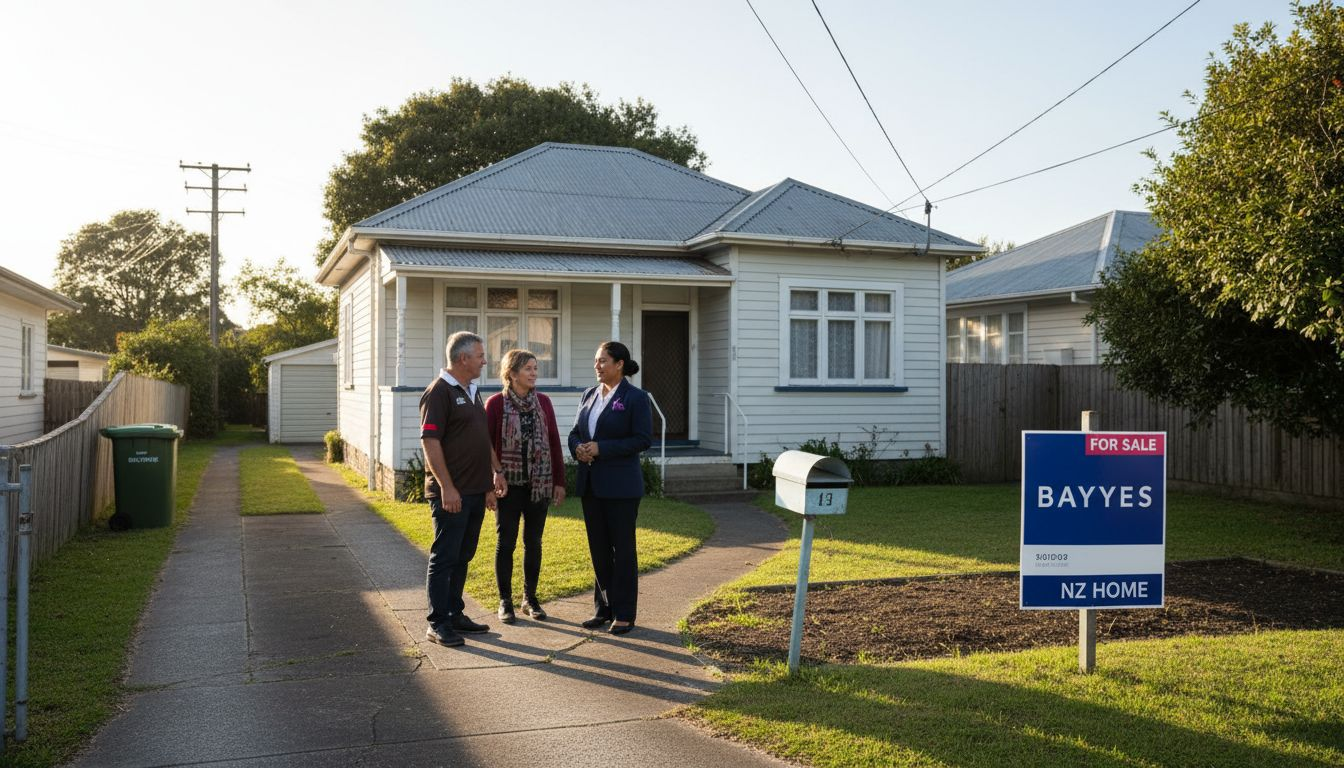
Most New Zealand homeowners in financial distress do not realise that selling as is, where is can dramatically speed up the process, often bypassing lengthy negotiations and agent commissions. Australian investors and cash buyers are increasingly active in the market, creating urgent opportunities for sellers who need fast solutions. Knowing the crucial property terms and legal complexities gives you the power to make confident, informed decisions when your circumstances demand a quick sale.
Table of Contents
- Core Property Selling Terms Defined
- Types of Property Sales in New Zealand
- Understanding Sale and Purchase Agreements
- Key Financial and Legal Aspects
- Risks, Taxes, and What to Avoid
Key Takeaways
| Point | Details |
|---|---|
| Understanding ‘As Is, Where Is’ | This term signifies that the property is sold in its current condition, highlighting the need for thorough inspections due to potential risks. |
| Sale Methods | Familiarise yourself with the types of property sales, including auction, tender, and private sale, to choose the best option for your circumstances. |
| Legal Obligations | Ensure awareness of your legal responsibilities under relevant legislation to avoid potential disputes and compliance issues during the sale process. |
| Tax Considerations | Engage a property tax consultant to clarify any tax implications related to your property sale, particularly around the bright-line test. |
Core Property Selling Terms Defined
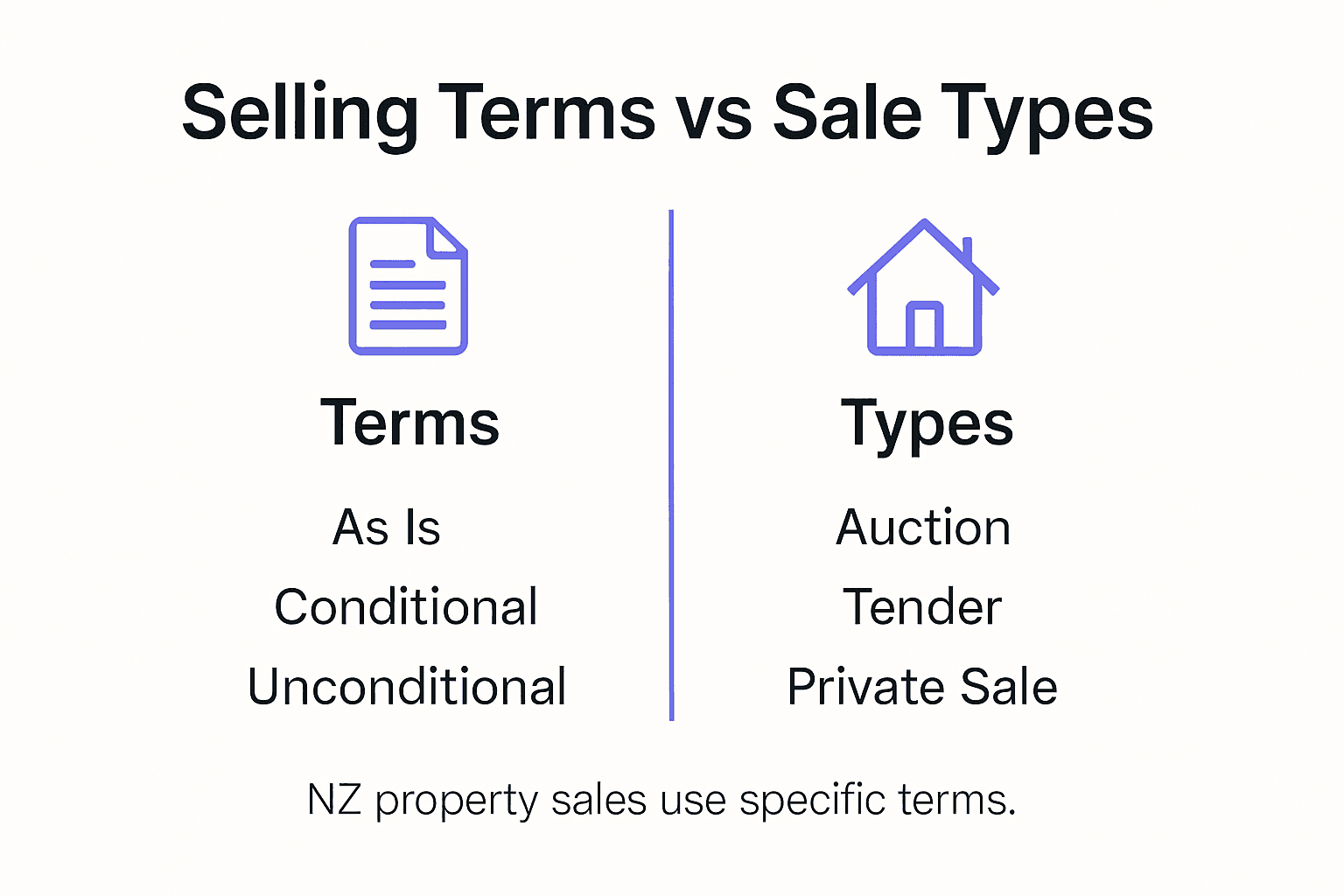
Navigating New Zealand’s property market requires understanding specific terminology that can significantly impact your home sale. As is, where is is a critical phrase every Kiwi seller should comprehend. This term signifies that a property will be sold in its current condition, with no guarantees or warranties from the seller about its state.
When a property is listed as is, where is, potential buyers must be particularly diligent. The term indicates substantial potential risks, such as existing damage, unconsented modifications, or insurance complications. Buyers are essentially accepting the property exactly as it stands, which means thorough pre-purchase inspections become crucial.
Other key property selling terms include conditional sale, which allows the transaction to proceed only if specific conditions are met, such as a successful building inspection or mortgage approval. Unconditional sale represents a straightforward transaction where all conditions have been satisfied, and the sale can proceed without further contingencies. Understanding these terms helps sellers set realistic expectations and navigate potential complexities in the property transaction process.

Pro tip: Always request a professional property valuation and building inspection before listing your home to understand its true market value and potential sale conditions.
Types of Property Sales in New Zealand
New Zealand’s property market offers diverse sales methods that cater to different seller needs and property characteristics. Property ownership structures in New Zealand range from straightforward freehold titles to more complex arrangements like unit titles and cross leases, each presenting unique considerations for sellers and buyers alike.
The primary types of property sales in New Zealand include auction, tender, and private sale. Auctions create a competitive environment where potential buyers bid publicly, often resulting in quick sales and potentially higher prices. Tenders involve sealed bids, allowing sellers to review offers confidentially and select the most advantageous proposal. Private sales provide the most direct negotiation method, enabling sellers to interact personally with potential buyers and potentially save on marketing and agent commission costs.
Legal frameworks surrounding these sales methods are comprehensive, with the New Zealand Law Society’s Property Law Section Guidelines providing detailed guidance on transaction processes. Each sale type requires specific documentation, disclosure requirements, and settlement procedures. Factors like property condition, market demand, and individual seller circumstances will ultimately determine the most suitable sales approach.
Here’s a summary of New Zealand’s main property sale methods for sellers:
| Sale Method | Ideal For | Key Benefit | Major Consideration |
|---|---|---|---|
| Auction | Properties in demand | Fast, competitive sale | No price guarantee |
| Tender | High-value, unique homes | Confidential offers, flexibility | Can require longer marketing period |
| Private Sale | Sellers wanting control | Direct negotiation, lower fees | More time-consuming process |
Pro tip: Consult a property law professional to understand the nuanced legal implications of different sale methods before making a final decision on how to market your property.
Understanding Sale and Purchase Agreements
A Sale and Purchase Agreement represents the critical legal document that formalises property transactions in New Zealand. Understanding the core components of this agreement is essential for both buyers and sellers, as it outlines the precise terms and conditions governing the property transfer.
The agreement typically encompasses several key elements, including the property sale price, specific chattels being transferred, settlement date, and critical conditions such as building inspections or finance approval. These conditions can be conditional or unconditional, with conditional agreements allowing buyers specific timeframes to satisfy predetermined requirements before the sale becomes binding. Buyers must carefully review each clause, understanding their rights and potential exit strategies if conditions are not met.
Electronic signatures and specific documentation requirements have modernised property transactions in New Zealand. The Real Estate Authority now recognises digital signing processes, making agreements more flexible and accessible. Critically, any modifications to the original agreement must be initialled by both parties to ensure legal validity and prevent potential disputes.
Pro tip: Always consult an independent legal professional to review your Sale and Purchase Agreement before signing, ensuring you fully understand all terms and potential implications.
Key Financial and Legal Aspects
Navigating the financial landscape of property sales requires a comprehensive understanding of New Zealand’s complex legal framework. Sellers must be intimately familiar with their legal obligations, which encompass critical legislation such as the Property Law Act 2007 and Land Transfer Act 2017. These regulatory requirements mandate precise disclosure protocols and define the comprehensive responsibilities sellers bear throughout the transaction process.
Financial considerations extend far beyond the simple property sale price. Sellers must strategically manage various expenses including agent commissions, potential bridging finance, legal fees, advertising costs, and moving expenses. Additionally, tax implications like the bright-line property rule can significantly impact the financial outcome, requiring sellers to calculate potential capital gains or losses with meticulous attention to detail.
Below is an overview of common property sale costs to plan for:
| Cost Type | Typical Value Range | Timing of Payment |
|---|---|---|
| Agent Commission | 2–4% of sale price | On settlement |
| Legal Fees | NZD 1,500–3,000 | Progressively or on settlement |
| Advertising | NZD 500–2,000 | Before or during listing |
| Moving Expenses | NZD 1,000–5,000+ | After sale is finalised |
The Real Estate Agents Act 2008 provides crucial consumer protections, establishing clear conduct standards for real estate professionals and ensuring transparent interactions between buyers, sellers, and agents. Sellers must understand their rights and obligations, recognising that full disclosure of property conditions, potential defects, and any known issues is not just ethical but legally mandated. Compliance with these regulations helps mitigate potential future legal disputes and ensures a smoother, more predictable property transaction.
Pro tip: Engage a qualified property lawyer to review all documentation and provide personalised advice tailored to your specific property sale circumstances.
Risks, Taxes, and What to Avoid
Property sales in New Zealand involve nuanced financial landscapes that demand strategic navigation. Tax implications surrounding property transactions are particularly complex, with the bright-line test creating potential taxation scenarios that sellers must carefully understand. While New Zealand lacks a general capital gains tax, specific regulations can trigger unexpected tax liabilities based on the property’s ownership duration, seller’s intentions, and potential development activities.
Sellers face multiple risks beyond simple financial calculations, including potential legal missteps, financial exposure through bridging loans, and complex disclosure requirements. Common pitfalls include inadequate property documentation, failing to disclose known structural issues, and underestimating transaction costs. Sellers must meticulously prepare for scenarios where sales might not proceed or unexpected expenses emerge, maintaining comprehensive financial and legal contingency plans.
Specific risks encompass unconsented property modifications, outstanding building compliance issues, and potential disputes arising from incomplete or misleading property representations. Sellers should proactively address potential challenges by obtaining professional building inspections, ensuring all property modifications meet local council requirements, and maintaining transparent communication with potential buyers. Understanding the intricate interplay between legal obligations, tax regulations, and potential financial implications is crucial for a successful property transaction.
Pro tip: Engage a specialist property tax consultant to review your specific circumstances and provide personalised guidance on potential tax obligations before finalising your property sale.
Simplify Your Property Sale with Clear Terms and Quick Solutions
Understanding key property selling terminology like as is, where is, conditional sale, and unconditional sale can be overwhelming. Many New Zealand homeowners feel stressed navigating these complexities while trying to sell quickly or manage unexpected challenges such as property damage or tight financial situations. Your goal is clear: sell your home with confidence, avoid hidden fees, and skip the lengthy, confusing process.
That is where easySale.co.nz can make a real difference. We buy properties in any condition across New Zealand, offering a fast, fair cash offer so you do not have to worry about complicated auctions, legal jargon, or unpredictable sale conditions. Whether your property requires urgent attention or you prefer a straightforward transaction without real estate agents or commission fees, our simple three-step process respects your time and circumstances.
Ready to avoid risks and financial surprises? Take control today with easySale.co.nz and experience a stress-free way to sell your home on your terms. Discover how quick and easy property selling can be by submitting your details for a no-obligation offer now.
Frequently Asked Questions
What does ‘as is, where is’ mean in property sales?
This term indicates that the property is sold in its current condition without any guarantees from the seller about its state, placing the onus on buyers to thoroughly inspect the property before purchase.
What are the different types of property sales in New Zealand?
The main types include auction, tender, and private sale. Auctions involve public bidding, tenders consist of sealed offers, and private sales allow direct negotiations between sellers and buyers.
What is a Sale and Purchase Agreement?
A Sale and Purchase Agreement is the legal document that formalises the terms of property transactions, detailing aspects like sale price, conditions, and settlement date.
What financial aspects should I consider when selling my home?
Sellers need to account for agent commissions, legal fees, advertising costs, and potential tax implications, ensuring all expenses are planned for before finalising the sale.
Recommended
