
Property Buying Process – What Sellers Need To Know

Property buying in New Zealand is more complex than many Australian sellers realize, with different rules, costs, and legal steps at every turn. Whether you are selling for the first time or already familiar with the market, having a solid grasp of these processes is critical. Nearly 60 percent of sellers in New Zealand report unexpected hurdles due to unclear documentation or misunderstood methods. This guide reveals what Australian sellers need to know to avoid common pitfalls and achieve smoother, more successful property transactions.
Table of Contents
- Defining The Property Buying Process In NZ
- Traditional Vs. Direct Sale Processes Compared
- Key Steps In A Standard Home Sale
- Legal Requirements For Property Sellers
- Costs, Risks, And Fast-Sale Alternatives
Key Takeaways
| Point | Details |
|---|---|
| Understanding the Property Buying Process | Knowing the structured steps for buying property in New Zealand ensures smoother transactions and compliance with legal requirements. |
| Choosing Between Selling Methods | Sellers can opt for traditional agent sales or direct sale processes, each with unique advantages that can impact time and costs. |
| Importance of Proper Documentation | Comprehensive property information, including titles and legal documents, is essential for a successful sale and to avoid complications. |
| Evaluating Costs and Risks | Sellers should assess their financial obligations and potential risks associated with different selling strategies before making decisions. |
Defining The Property Buying Process In NZ
The property buying process in New Zealand represents a structured journey for sellers navigating real estate transactions. Understanding this process ensures smoother, more predictable property sales. Property sale processes involve multiple legal and financial steps that require careful navigation.
In New Zealand, property sales typically occur through several primary methods: auction, tender, negotiation, and private treaty. Each method carries unique characteristics affecting how sellers present and market their properties. Immigration guidelines highlight critical considerations such as residency status and potential consent requirements that can impact property transactions.
Key components of the property buying process include property valuation, legal documentation, marketing strategy, and settlement procedures. Sellers must prepare comprehensive property information, including titles, building certificates, and potential encumbrances. Understanding these elements helps streamline transactions and minimise potential complications during the sale.
Pro Seller Strategy: Research and prepare comprehensive property documentation before listing, as thorough preparation can significantly reduce transaction timelines and potential legal complications.
Traditional Vs. Direct Sale Processes Compared
In the New Zealand property market, sellers face two primary approaches to selling their property: the traditional real estate agent method and direct sale processes. Selling strategies vary significantly, each offering distinct advantages and challenges for property owners seeking to maximise their sale outcome.
Traditional real estate agent sales involve hiring a licensed professional to manage the entire selling process. These agents typically handle marketing, property staging, negotiation, and legal documentation. In contrast, direct sale processes empower sellers to take a more hands-on approach, potentially reducing commission costs and maintaining greater control over the transaction. Government guidelines recommend understanding the legal responsibilities associated with each method before making a decision.
Key differences between traditional and direct sales include marketing reach, negotiation expertise, and transaction complexity. Real estate agents bring professional networks and marketing resources, while direct sales require sellers to invest personal time and effort in advertising, negotiating, and managing paperwork. Sellers must carefully evaluate their own skills, market knowledge, and available time when choosing between these approaches.
Pro Seller Strategy: Conduct a thorough self-assessment of your market knowledge, negotiation skills, and available time before selecting a selling method, as your personal capabilities will significantly impact the sale’s success.
Here’s a comparison of key aspects between traditional agent sales and direct sale processes in New Zealand:
| Aspect | Traditional Agent Sale | Direct Sale Process |
|---|---|---|
| Selling Costs | 3-4% commission plus marketing fees | Minimal costs, no agent commission |
| Control Over Process | Agent manages listing, viewings, negotiation | Seller responsible for all tasks |
| Marketing Reach | Broad exposure via agent networks | Limited by seller’s resources |
| Required Expertise | Agent provides property expertise | Seller needs property knowledge |
| Time Commitment | Low for seller, high for agent | High for seller, self-managed |
| Speed of Sale | Can vary, often slower | Typically faster, especially with direct buyers |
Key Steps In A Standard Home Sale
Selling a home in New Zealand involves a structured process that requires careful planning and execution. Property preparation strategies are critical to ensuring a successful sale, with sellers needing to understand each stage of the transaction thoroughly.
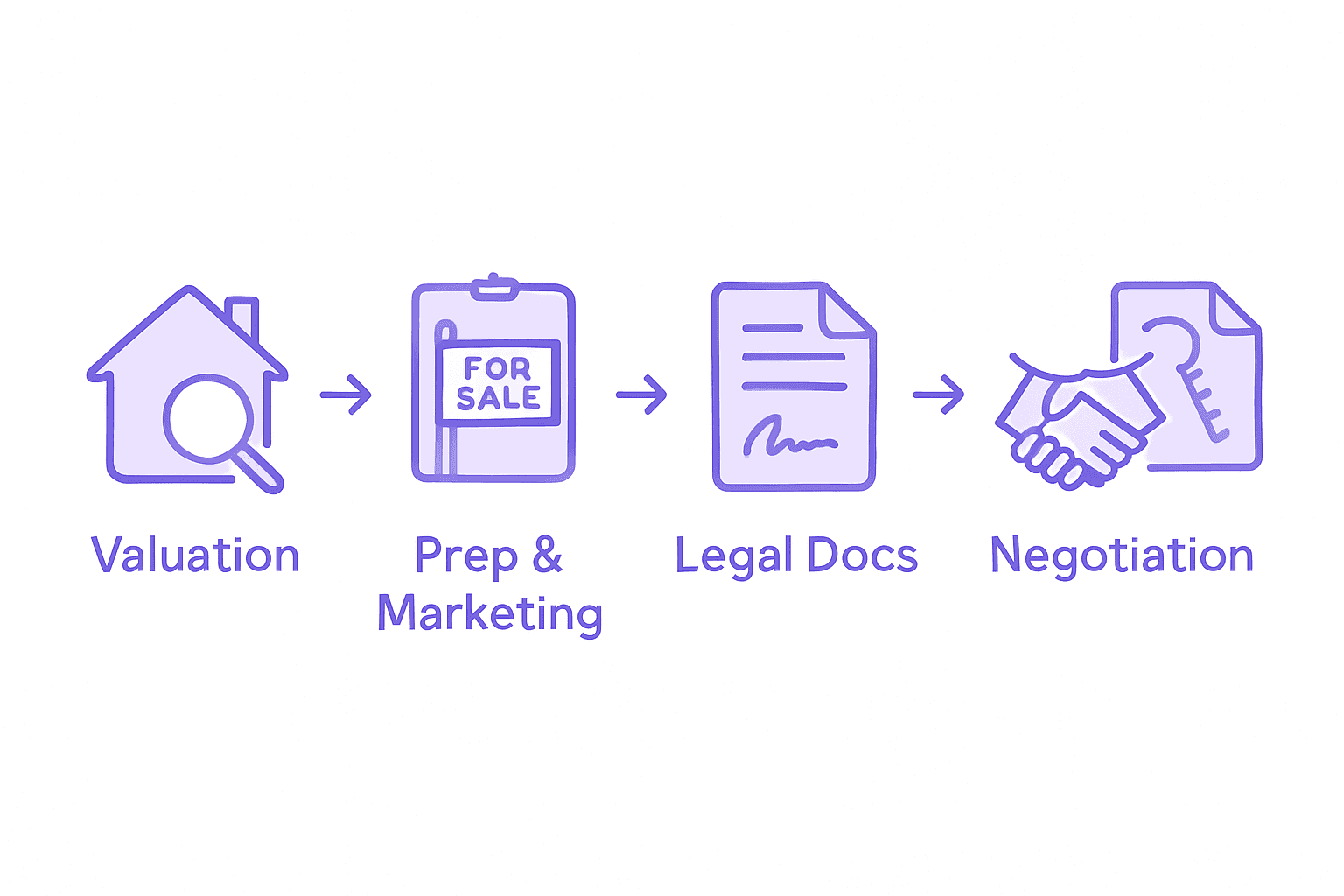
The standard home sale typically encompasses several key stages. Initially, sellers must assess their property’s market value, which involves obtaining professional appraisals and understanding current market conditions. Government selling guidelines recommend comprehensive property preparation, including addressing maintenance issues, decluttering, and potentially undertaking minor renovations to improve marketability.
Critical steps include property valuation, marketing preparation, legal documentation, negotiation, and settlement. Sellers must compile essential documents such as property titles, building certificates, and disclosure statements. Marketing strategies involve professional photography, online listings, open home inspections, and potentially engaging real estate professionals to maximise property exposure and attract potential buyers.
Pro Seller Strategy: Invest time in professional property presentation and thorough documentation preparation, as these elements significantly influence buyer perception and can directly impact final sale price and transaction speed.
Legal Requirements For Property Sellers
Property sellers in New Zealand must navigate a complex legal landscape with specific obligations and regulatory requirements. Real estate legal guidelines outline crucial responsibilities that sellers must understand to ensure a compliant and transparent property transaction.
Key legal requirements include comprehensive property disclosure, adherence to the Real Estate Agents Act 2008, and compliance with financial regulations. Government property selling regulations mandate that sellers provide accurate and complete information about the property’s condition, potential defects, and any known issues that might impact the property’s value or desirability.
Specific legal obligations encompass several critical areas. Sellers must provide precise property documentation, including current titles, building certificates, and comprehensive disclosure statements. Additionally, sellers must comply with anti-money laundering regulations, verify the identity of potential buyers, and ensure all financial transactions are transparent and legally documented. Understanding these requirements helps sellers mitigate potential legal risks and prevent future disputes.
Pro Seller Strategy: Consult a legal professional specialising in property transactions to review all documentation and ensure full compliance with New Zealand’s complex property selling regulations before listing your property.
Costs, Risks, And Fast-Sale Alternatives
Navigating property sales involves understanding the complex financial landscape and potential risks associated with different selling strategies. Selling cost comparisons reveal significant variations between traditional and alternative selling methods that can substantially impact a seller’s financial outcome.
Traditional property sales typically involve substantial upfront and ongoing costs. Real estate agent commissions often range between 3-4% of the sale price, coupled with marketing expenses, legal fees, and potential property preparation costs. These expenses can quickly accumulate, reducing overall profit margins. Government selling guidelines recommend sellers carefully evaluate these financial implications before selecting a sales approach.

Fast-sale alternatives provide sellers with more flexible and potentially cost-effective options. Direct property buying services eliminate agent commissions, reduce marketing expenses, and offer quicker settlement timelines. These alternatives are particularly beneficial for sellers facing urgent financial situations, property inheritance, divorce proceedings, or those with damaged or difficult-to-sell properties. Sellers can often receive cash offers within days, bypassing traditional market uncertainties and reducing overall transaction complexity.
Pro Seller Strategy: Calculate total transaction costs across different selling methods, including hidden expenses like staging, marketing, and potential property repairs, to make a truly informed decision about your sale strategy.
Below is a summary of typical costs and risks associated with different property sale strategies in New Zealand:
| Factor | Traditional Sale | Fast-Sale Alternative |
|---|---|---|
| Upfront Fees | Advertising and legal costs | Minimal or included in offer |
| Main Risk | Higher total expenses reduce profit | Lower sale price but fast settlement |
| Settlement Time | Several weeks to months | Often completed within days |
| Suitable Scenarios | Stable market, maximising price | Urgent sales, distressed situations |
Simplify Your Property Sale With a Fast, Fair Cash Offer
Selling your property in New Zealand can be complex and time-consuming especially when navigating the traditional steps like legal documentation, property valuation, and marketing as outlined in the Property Buying Process article. For many sellers, the pressure of commission fees, lengthy settlements, and managing paperwork creates uncertainty and stress. If you want to avoid these challenges and bypass the hassle typical of an agent-managed sale, easySale.co.nz offers a transparent and efficient solution.
At easySale.co.nz you receive a no-obligation, fast cash offer tailored to your property regardless of condition. This service is perfect if you need a quick sale due to financial pressures, urgent life changes, or simply want to avoid the drawn-out traditional sale process. Discover how our straightforward three-step property buying service eliminates the complexities and risks associated with standard sales while giving you control over your settlement timeframe. Start your stress-free sale journey today by visiting easySale.co.nz and see how easy selling your home can be.
Frequently Asked Questions
What are the key steps in the property buying process?
The property buying process typically includes assessing the market value, preparing comprehensive documentation, marketing the property, negotiating with potential buyers, and completing the settlement.
What legal requirements must sellers comply with when selling property?
Sellers must provide accurate property disclosures, adhere to the Real Estate Agents Act 2008, comply with financial regulations, and ensure all documentation, such as titles and building certificates, are up to date.
How do traditional sales compare to direct sale processes?
Traditional sales involve hiring a real estate agent, who manages marketing and negotiations, while direct sales allow sellers to take charge, reducing commission costs but requiring more personal time and effort for marketing and negotiations.
What costs should sellers expect when selling their property?
Sellers should anticipate costs including real estate agent commissions (typically 3-4%), marketing fees, legal expenses, and potential costs associated with property preparation like repairs and renovations.
Recommended
