
24–48 Hour Offers: NZ Real Estate Seller Checklist for Cash Sales
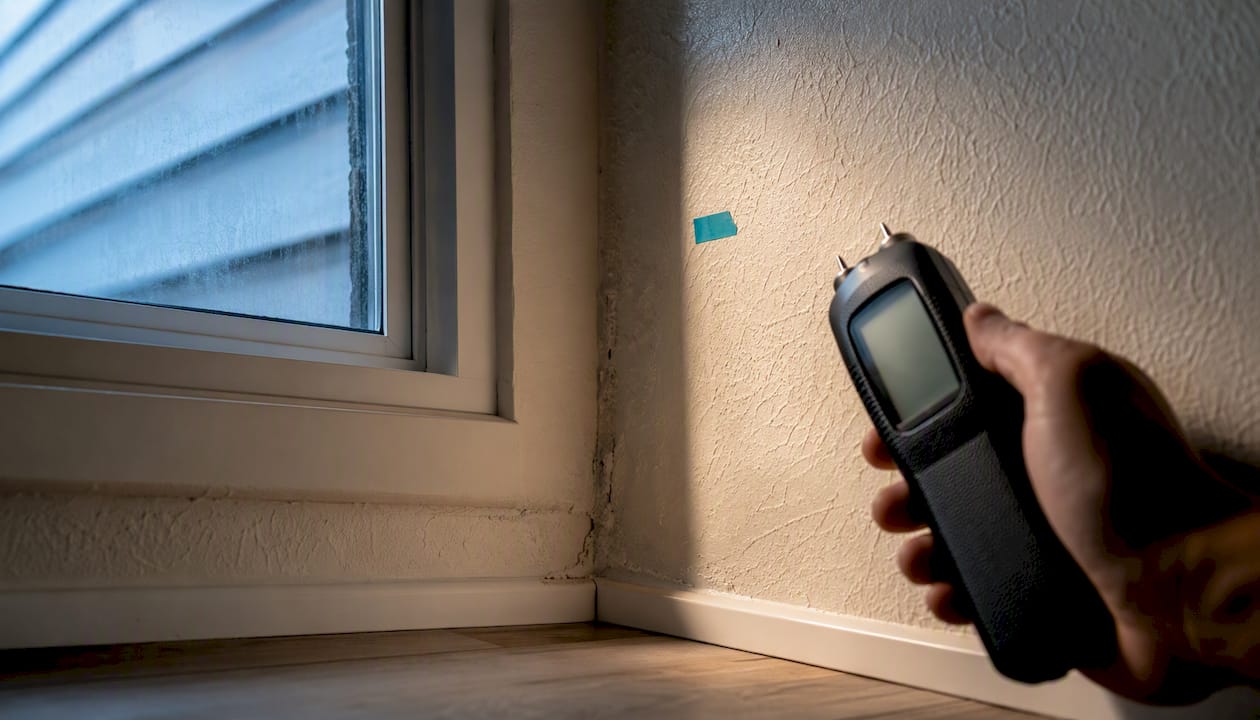
If you need to sell fast, a verified cash buyer can put a written offer in front of you within 24 to 48 hours, with settlement possible in as little as seven days. Before you sign anything, insist on two protections: a lawyer or conveyancer reviewing the contract, and proof of funds from the buyer. Alongside that, have your title, LIM, and rates information ready, and make sure any deposit goes into a solicitor’s trust account, never straight to you or the buyer.
TL;DR:Verified cash buyers typically provide written offers within 24 to 48 hours, with settlement possible in as little as seven days, but offers may be below market value.Engaging a lawyer or conveyancer before signing any contract is essential, and all deposits must be held in a solicitor’s trust account to ensure legal protection.Conducting due diligence like LIM reports, building inspections, and title searches costs in the low thousands and influences buyer confidence, especially for properties with hazards or unpermitted work.Protect yourself from scams by requiring proof of funds directly from banks, verifying buyer identification, and avoiding large cash payments outside formal escrow arrangements.Disclosing known property defects upfront and in writing is critical, as failure to do so can lead to contract rescission, renegotiation, or legal claims, particularly for unpermitted work or damage.
EasysaleRequest a Fast Property OfferEasysale helps New Zealand homeowners sell properties in any condition through a straightforward, no-obligation cash offer process.Request an offer
Table of Contents
- What is a real estate seller checklist for a fast cash sale?
- Documents and legal musts before you sign
- What due diligence should you expect from a buyer?
- How do you vet a cash buyer safely?
- How fast is a cash sale and what will it cost you in due diligence?
- What must you disclose, and what happens if you don’t?
- When is a direct cash sale the right call?
- Ready to request a fast, no-obligation offer?
- Sources
- FAQ
What is a real estate seller checklist for a fast cash sale?
A real estate seller checklist for a fast cash sale is the ordered list of tasks a homeowner works through to sell directly to a cash buyer without an agent, commission, or repairs. It covers what to send a buyer first, how to confirm the offer is genuine, which documents your lawyer needs, and how settlement gets locked in.
Here’s the order that actually gets a private cash sale over the line without drama:
- Send the basics to the buyer. Give them the address, a brief and honest condition summary, any outstanding encumbrances (mortgages, caveats), and the tenancy status if the property is occupied.
- Ask for a written, itemised offer and proof of funds within 24 to 48 hours of that first contact. A serious buyer won’t hesitate on either.
- Engage a property lawyer or conveyancer before you sign anything, and instruct them to hold any deposit in a trust account.
- Gather your paperwork: certificate of title, LIM report, current rates notice, building consents or Code Compliance Certificates for any work done, body corporate records if it’s a unit title, and a chattels list.
- Negotiate the settlement date and get any access arrangements or remedial allowances confirmed in writing, not verbally.
- Plan the practical end of it, moving day logistics and the timing of your mortgage discharge with your bank.
This sequence matters because skipping steps, like agreeing verbally to a settlement date before your lawyer has seen the contract, is where private sales come unstuck. A step-by-step private sale guide can help you see how each task connects to the next.
Pro Tip: Draft your condition summary before you contact any buyer. Writing down every defect, past repair, and consent status forces you to think through disclosure early, rather than scrambling once an offer is on the table.
Documents and legal musts before you sign
The New Zealand Law Society is direct on this point: engage a property lawyer or conveyancer before you sign a Sale and Purchase Agreement, not after. Selling privately saves you a commission, but it doesn’t remove the legal responsibilities that come with the transaction, and Settled’s guidance on private sales makes that distinction clear.
Your lawyer will check, and you need to prepare information on, several areas:
- Weathertightness history and any past leaks or remediation work
- Unconsented building work, including additions, decks, or internal alterations
- Boundary accuracy and any known hazard notices on the property file
- Tenancy status and lease terms, if the property is currently tenanted
Deposit handling deserves its own line item. Insist the deposit goes to a solicitor-held trust account, with signatures collected from every registered title holder, not just one owner if the property is jointly held. If you’re selling a unit title property, there are extra layers: pre-contract and pre-settlement disclosure statements, plus body corporate certificates confirming levies and any pending disputes.
What due diligence should you expect from a buyer?
A serious cash buyer will run three checks before committing, and knowing the rough cost and timing helps you set expectations rather than get caught out mid-negotiation.
- LIM report: $150 to $450, with a standard turnaround of about a week. Confirm your rates are up to date and that any consents on file match the work actually done.
- Building inspection: typically $400 to $800, checking structural soundness, cladding and weathertightness, and signs of moisture.
- Title search: confirms mortgages, easements, and, on older properties, cross-lease complications that can slow settlement if they’re not sorted early.
Combined, LIM and inspection costs commonly land in the mid-hundreds to low thousands in total. Insurance and insurability checks matter too. If a property sits in a flood zone or has an unresolved natural hazard flag, some buyers will hesitate or adjust their offer, so it pays to know this before you list.
How do you vet a cash buyer safely?
Speed is the whole point of a cash sale, but speed is exactly where scams and bad-faith buyers try to slip through. Protect yourself with a short set of non-negotiables.
- Require written proof of funds or a bank confirmation letter sent directly to your lawyer, not to you personally.
- Any deposit must go to a solicitor’s trust account or an agreed escrow arrangement. Never accept a large cash payment handed over in person.
- Ask for buyer identification, and for company incorporation details and director ID if you’re dealing with a corporate buyer.
- Watch for red flags: a buyer who won’t allow your lawyer to review the contract, who pressures you to sign immediately, or who can’t produce verifiable evidence of funds.
Pro Tip: If a buyer resists routine verification, treat that resistance itself as information. A genuine cash buyer expects proof-of-funds requests and won’t push back on them.
How fast is a cash sale and what will it cost you in due diligence?
Cash buyers typically respond with a written offer within 24 to 48 hours of assessing your property, and settlement can happen in as little as about a week if both parties agree to the timeline. That speed comes with a trade-off worth being honest with yourself about: cash certainty usually means accepting an offer below what a drawn-out market listing might eventually fetch.
What must you disclose, and what happens if you don’t?
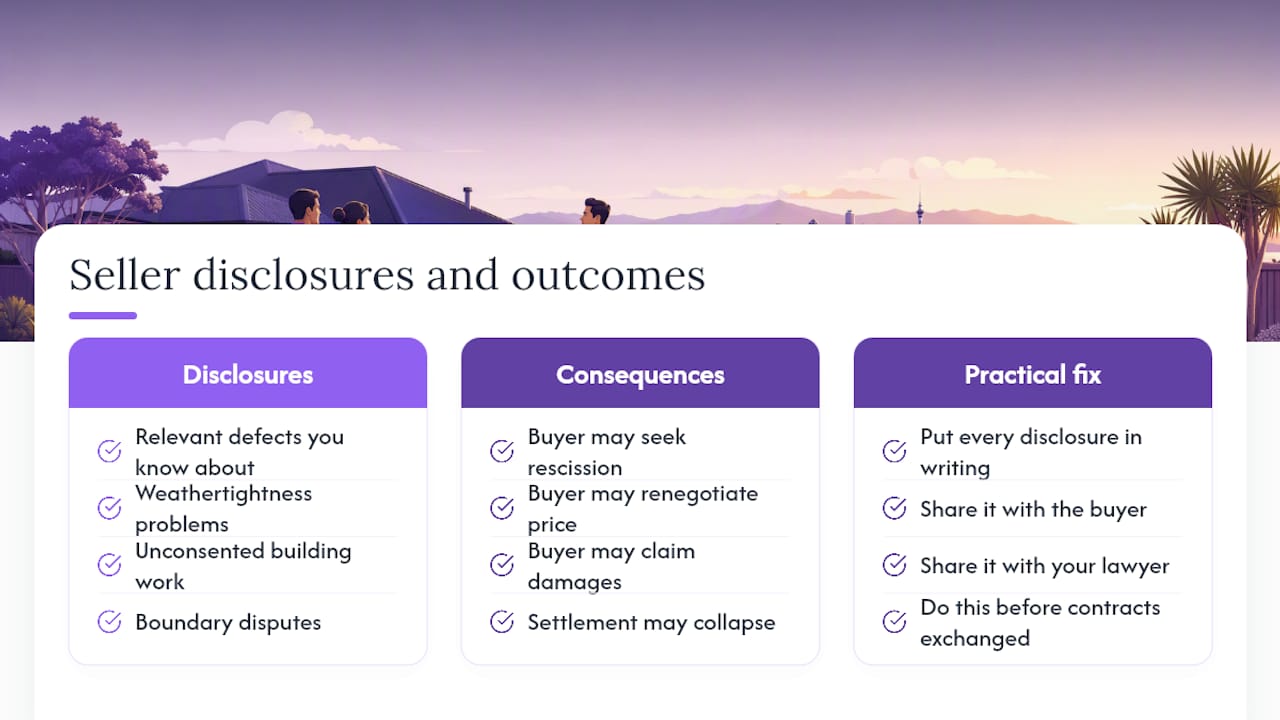
New Zealand sellers must disclose relevant information they’re aware of about property defects. That includes weathertightness problems, unconsented building work, boundary disputes, and outstanding rates, and Settled’s disclosure guidance spells out exactly why this matters. You can find more detail on what counts as a defect in this guide to property defects for NZ sellers.
Failing to disclose something you knew about can lead to the buyer seeking rescission of the contract, renegotiating the price after the fact, claiming damages, or in the worst cases, the settlement collapsing altogether. The practical fix is simple: put every disclosure in writing, and share it with both the buyer and your own lawyer before contracts are exchanged. It costs you nothing and closes off most disputes before they start.
When is a direct cash sale the right call?
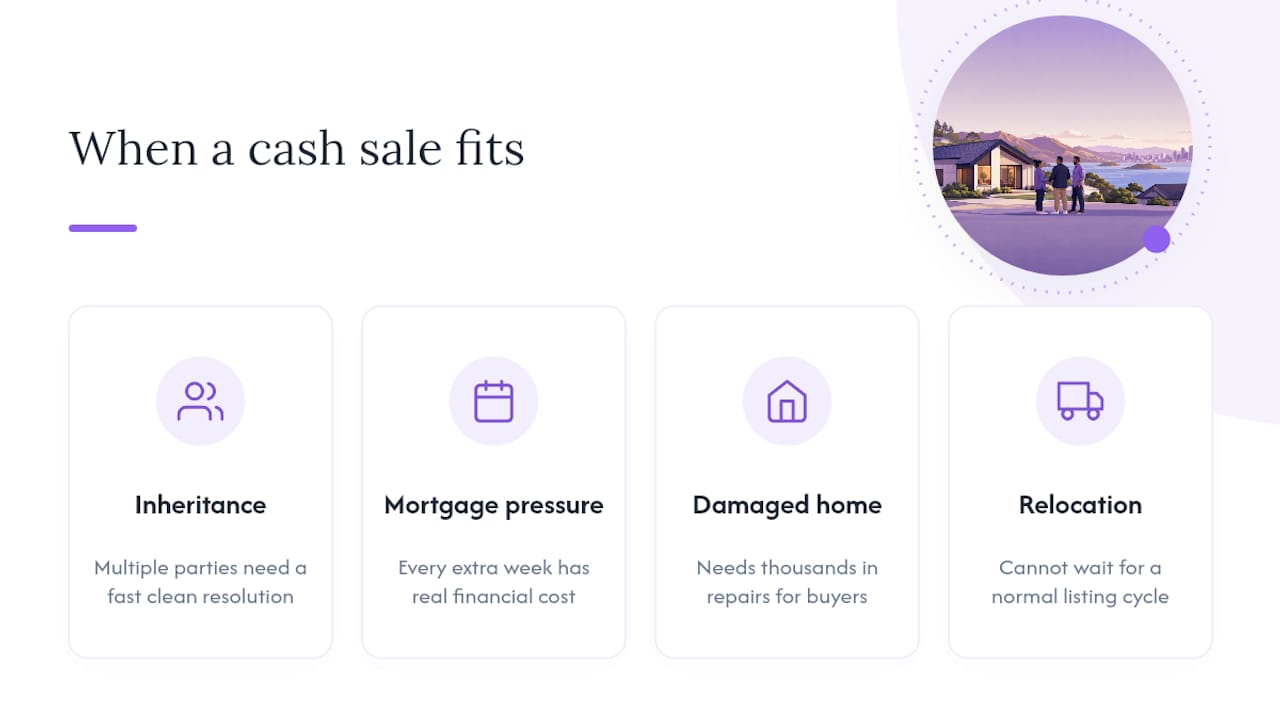
A cash sale earns its place when certainty matters more than squeezing out the last dollar. That’s inheritance situations where several parties need a clean, fast resolution. It’s mortgage pressure, where every extra week on the market carries real financial cost. It’s a damaged home that would need thousands in repairs before a traditional buyer would even look at it, or a relocation that simply can’t wait for a normal listing cycle.
What surprises a lot of sellers is how much transparency speeds things up rather than slowing them down. Being upfront about unconsented work or damage early cuts down on renegotiation and reduces the risk of a deal falling over late. Cash buyers who work in this space expect as-is properties. What they don’t tolerate well is finding out about a problem after they’ve already committed.
— Aaron
Ready to request a fast, no-obligation offer?
There are property buying services that run a straightforward three-step process for homeowners who want out of the traditional sale grind: submit your property details, receive a no-obligation cash offer, and settle on a timeline that suits you, all without an agent, commission, or repair bills eating into your outcome. Such services buy properties as-is, including damaged, unconsented, tenanted, or inherited homes, which covers many situations that make a fast sale necessary.

None of that replaces the checklist above. Even when you’re dealing with a professional buyer, verify funds and get independent legal advice before you sign, exactly as you would with any private buyer. If you’re ready to see what a cash offer looks like for your property, you can request a fast cash offer or check out the fast settlement option if a seven-day timeline is what you need.
Sources
- Buying and selling a property — New Zealand Law Society
- Govt
- Due diligence when buying a house in NZ — MoneyBalance
This article is general information, not a substitute for advice from a qualified financial advisor. Consult a qualified financial professional about your own circumstances before acting on anything here.
FAQ
How fast can I get a cash offer on my house?
Most verified cash buyers give you a written offer within 24 to 48 hours of reviewing your property details, with settlement possible in as little as seven days.
Do I still need a lawyer if I’m selling for cash?
Yes. The Law Society recommends engaging a property lawyer or conveyancer before signing any Sale and Purchase Agreement, cash sale or not.
What must I disclose when selling my house privately?
You must disclose known defects, including weathertightness issues and unconsented building work, plus boundary disputes and outstanding rates, under Settled’s disclosure guidance.
Can I sell a tenanted property for cash?
Yes, many cash buyers purchase tenanted properties, but you must follow Residential Tenancies Act notice requirements and disclose the tenancy early.
Does Easysale charge commission or fees?
No, some property buying services buy directly from homeowners with no agent involvement or commission fees; current offer terms are available on their websites.
Recommended
