
Why Sell Property Without Renovation in NZ
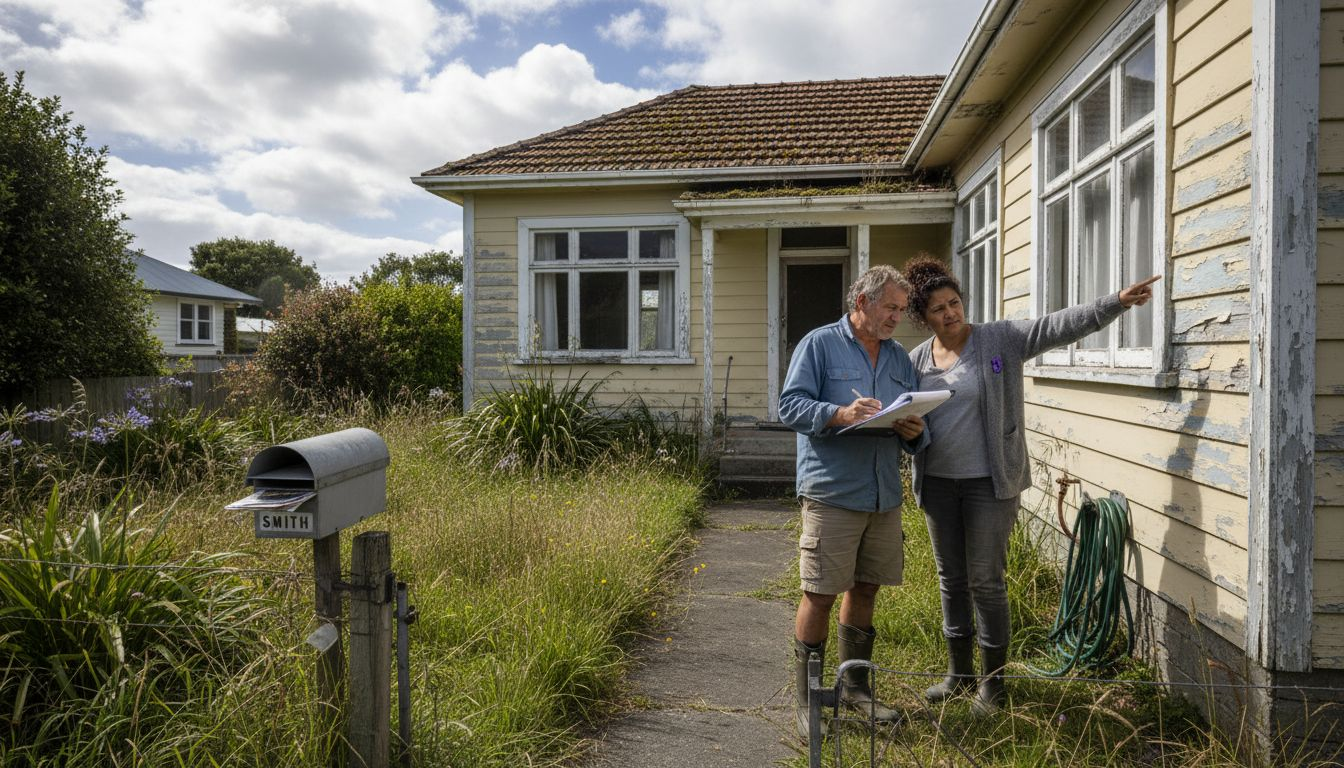
Facing financial stress or urgent changes can make selling your property feel overwhelming. For many New Zealand homeowners, a traditional sale with costly renovations simply isn’t realistic. Selling your home as-is lets you offer it in its current condition and move forward faster, even if there’s earthquake damage or legal issues. This article explains the core concept of selling property as-is, outlining how risk and responsibility shift to the buyer—so you can decide if this approach suits your needs.
Table of Contents
- Selling Property As-Is: Core Concept Defined
- Types of As-Is Sales and Typical Buyers
- Legal and Disclosure Duties for Sellers
- Financial Impact and Risk Comparison
- Common Mistakes and Smarter Alternatives
Key Takeaways
| Point | Details |
|---|---|
| Selling As-Is | Selling property as-is in New Zealand means transferring all defects and responsibilities to the buyer, ensuring transparency about the home’s current condition. |
| Legal Obligations | Sellers must disclose known defects and risks, maintaining transparency to avoid future liabilities and legal disputes. |
| Financial Trade-Offs | As-is sales typically result in lower sale prices, but they save time and eliminate renovation costs, making them appealing for urgent situations. |
| Buyer Types | Common buyers of as-is properties include DIY renovators and property investors, who generally understand the risks and budget for repairs accordingly. |
Selling Property As-Is: Core Concept Defined
When you sell property as-is in New Zealand, you’re offering your home in its current physical and legal condition. No repairs. No improvements. No warranties. What you see is what the buyer gets.
This approach transfers all defects, risks, and responsibility to the buyer. They assume full liability for any issues—whether that’s structural damage, weathertightness problems, unconsented alterations, or earthquake damage.
Understanding the Legal Reality
Selling property as-is involves offering your home without making improvements, which means transferring all defects and risks to the buyer. It sounds straightforward, but the legal side has important nuances you need to understand.
You still have legal responsibilities as a seller, even when selling as-is. You must disclose the property’s actual condition to alert buyers to risks and potential repair costs. This protects you from future liabilities and ensures the transaction is transparent.
Buyers typically accept full responsibility for repairs and defects after purchase under an as-is arrangement. That’s the core trade-off: they get a lower price, but they inherit all the property’s problems.
Key Characteristics of As-Is Sales
Here’s what defines a true as-is property sale:
- No repairs or improvements made before sale
- Full disclosure of the property’s current state and known defects
- Risk transfer to the buyer upon completion
- Reduced purchase price reflecting the property’s condition
- Common in disaster-affected regions where extensive damage exists
- Faster settlement with fewer delays from negotiation disputes
Why This Matters for Your Situation
If you’re facing financial pressure, urgent life changes, or inherited property issues, an as-is sale cuts through the complexity. You don’t spend months renovating or waiting for buyers to negotiate over repairs.
Instead, you get a fair offer based on the property’s actual condition. Settlement happens on your timeline, not the bank’s or a builder’s schedule.
Selling as-is means transparency upfront: disclose the property’s true condition, transfer responsibility to the buyer, and move forward without renovation delays.
This approach works particularly well if your property has sustained damage—earthquake damage, weathertightness issues, or structural concerns that would cost tens of thousands to fix.
Pro tip: Document the property’s current condition thoroughly before listing—take photos, note any issues, and be honest about what needs repair so buyers know exactly what they’re purchasing.
Types of As-Is Sales and Typical Buyers
As-is sales come in different shapes depending on why the property needs selling without repairs. Understanding which type applies to your situation helps you know what to expect when listing.
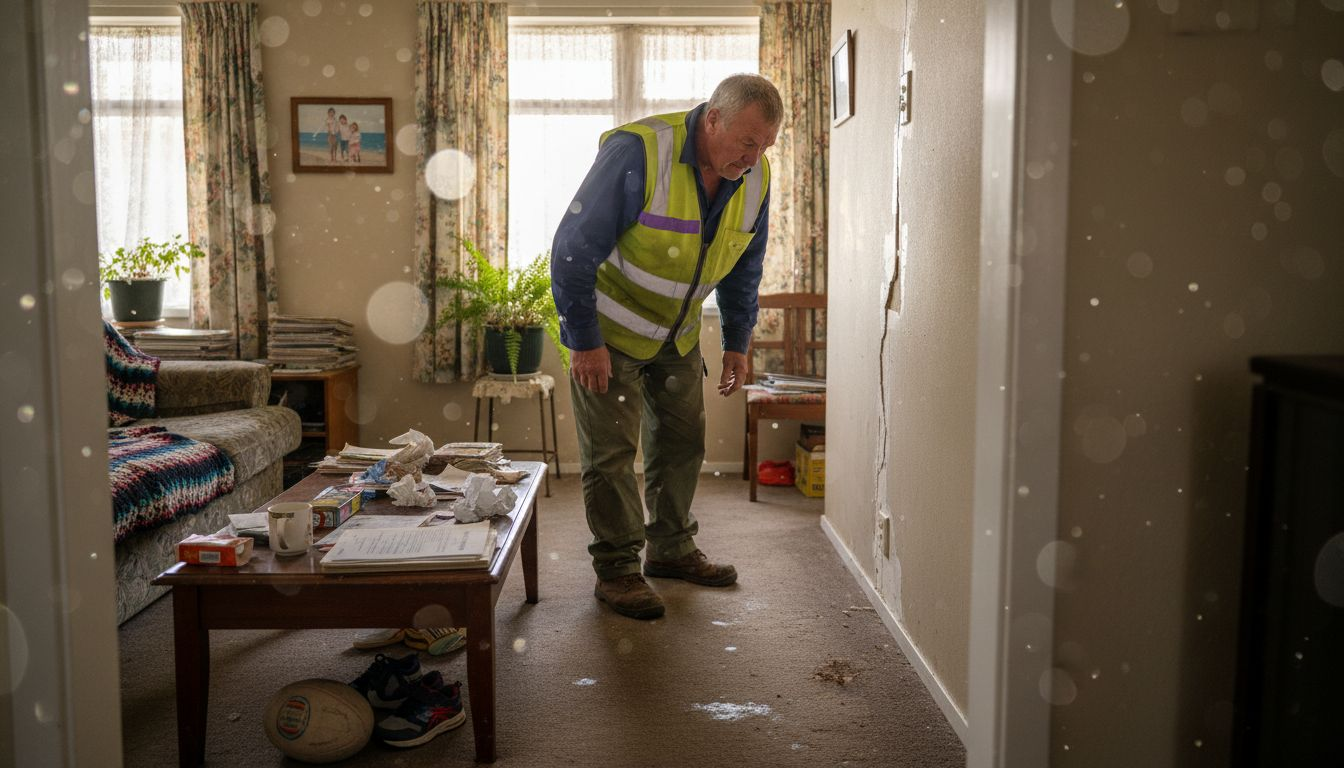
Some properties end up as-is because of catastrophic events. Others sit neglected for years. Some are written off by insurers or caught in legal tangles. The common thread: they all need a buyer willing to accept the property’s current state.
Common Types of As-Is Properties
Here’s what you’ll typically find in the as-is market:
- Natural disaster damage from earthquakes, flooding, or fire
- Insurance write-offs where insurers determine repair costs exceed the property’s value
- Weathertightness issues causing moisture damage and structural concerns
- Unconsented alterations or illegal building work that can’t easily be remedied
- Mortgagee or estate sales where urgent circumstances force a quick sale
- Severely neglected properties requiring extensive renovation throughout
- Homes with legal complications such as title issues or compliance problems
Properties damaged in natural disasters and written off by insurers represent a significant portion of the as-is market in New Zealand, particularly in regions affected by recent earthquakes.
Who Buys As-Is Properties?
Not every buyer suits an as-is property. The ones who succeed typically fall into specific categories.
DIY renovators and skilled tradespeople see as-is properties as opportunities. They have the knowledge and connections to manage repairs cost-effectively. They understand building codes, know reliable contractors, and can project costs accurately.
Property investors hunt for as-is deals because the discount is substantial. They calculate repair costs, factor in holding expenses, then project resale value. Lower purchase price plus sweat equity often equals solid returns.
Developers and builders purchase as-is properties to subdivide, rebuild, or completely transform. They work with the raw potential rather than the current condition.
First-home buyers with renovation skills sometimes enter this market strategically. They accept higher risk for lower entry prices, planning to add value through their own efforts.
Typical as-is buyers understand that accepting a damaged property means taking on repair responsibility—and they budget accordingly for unexpected costs.
These buyers research thoroughly. They get building inspections, confirm insurance details, and understand exactly what they’re inheriting before signing the contract.
See at a glance how typical as-is buyers approach purchasing:
| Buyer Type | Repair Strategy | Risk Tolerance | Main Motivation |
|---|---|---|---|
| DIY renovator | Hands-on repairs | High | Add value via sweat equity |
| Investor | Outsource repairs | Moderate | Profit after renovation |
| Developer | Complete rebuild/subdivision | High | Maximise land potential |
| First-home buyer | Own labour, staged repairs | Moderate | Enter market affordably |
Pro tip: Identify which buyer category suits your property before marketing—a neglected family home appeals to first-time renovators, whilst an earthquake-damaged investment property attracts investors and developers.
Legal and Disclosure Duties for Sellers
Selling your property as-is doesn’t mean you can hide problems. You still have legal obligations to disclose what you know about the property’s condition, defects, and risks.
This applies whether you’re selling through a real estate agent, private sale, or to a cash buyer. The law expects transparency. Failing to disclose can lead to legal claims, disputes, and costly consequences after settlement.
Your Disclosure Obligations
Sellers in New Zealand must legally disclose known defects and issues affecting the property’s value or safety before sale. This includes damage, hazards, and any material information that could influence a buyer’s decision.
You don’t need to guess or investigate hidden problems. But anything you know about—or should reasonably know about—must be disclosed. That includes:
- Structural damage or foundation issues
- Weathertightness problems and water ingress
- Previous damage from earthquakes, fire, or flooding
- Unconsented building work or illegal alterations
- Title issues or legal complications
- Insurance history or previous write-offs
- Pest infestations or contamination
Disclose these matters in the Sale and Purchase Agreement and in writing before the buyer commits. This protects you legally and sets clear expectations.
What “As-Is” Doesn’t Mean
Selling as-is does not exempt you from disclosure duties. It simply means the buyer accepts the property in its current physical condition without demanding repairs.
But the buyer still needs to know what “current condition” actually means. You must be transparent about known issues so they can make an informed decision and budget appropriately for repairs.
Think of it this way: as-is transfers repair responsibility to the buyer, but it doesn’t transfer your obligation to be honest about what they’re inheriting.
Disclosure is not optional in as-is sales—transparency in the contract about the property’s condition satisfies your legal obligations and protects you from future claims.
Practical Steps to Protect Yourself
Here’s how to handle disclosure correctly:
- Document everything you know about the property’s condition
- Be specific in your disclosure—describe actual damage, not vague statements
- Include details in the Sale and Purchase Agreement about defects and hazards
- Get legal advice to ensure your contract meets Property Law Act requirements
- Keep records of all disclosures and communications with the buyer
Working with a lawyer or experienced property advisor ensures your disclosures are accurate, complete, and legally sound. This is especially important with damaged properties where disputes are more likely.
Pro tip: Have a building inspector or experienced tradesperson assess your property before listing, then disclose their findings formally—this creates transparency upfront and reduces disputes later.
Financial Impact and Risk Comparison
Selling property as-is involves real financial trade-offs. You’ll likely receive less money, but you save time and avoid renovation costs. Understanding these trade-offs helps you make an informed decision about whether this approach suits your situation.
The mathematics differs depending on your property type, damage severity, and local market conditions. Let’s break down what you’re actually facing.
The Price Discount Reality
Selling property as-is leads to lower sale prices due to the higher risk and anticipated repair costs taken on by buyers. A damaged property might sell for 20–40% less than a fully renovated equivalent, depending on repair scope.
But here’s what matters: you’re comparing the as-is price against renovation costs plus time investment. A property needing $150,000 in repairs won’t fetch full market price anyway. You’d need to spend that money first, tie up months, and hope the market values those improvements.
As-is sales skip that burden entirely. You accept a lower price and move forward quickly.
What You Save
Beyond avoiding renovation costs, you eliminate several expensive hidden expenses:
- Contractor management and project delays
- Holding costs like rates, insurance, and maintenance during renovation
- Real estate agent commissions if selling privately
- Financing costs if renovation requires borrowed funds
- Emotional stress from months of construction disruption
For homeowners facing financial pressure or urgent timelines, these savings matter more than maximising final sale price.

What The Buyer Risks
Buyers taking on as-is properties face genuine risks. Repair costs often exceed initial estimates. They struggle to secure financing when lenders worry about property condition. Insurance companies may decline coverage or charge premiums.
These risks justify the price discount. The buyer budgets for uncertainty. They’re not getting a bargain—they’re accepting genuine risk in exchange for lower cost.
The financial trade-off is straightforward: you sacrifice maximum sale price for speed, certainty, and avoiding renovation expense.
Comparing Your Options
Consider your actual situation:
- Renovate then sell: Higher eventual price, but months of work, upfront renovation costs, and holding expenses
- Sell as-is: Lower price, immediate settlement, zero renovation investment
- Rent out damaged property: Ongoing costs without income until repairs happen
If you need funds now or face financial difficulty, the lower as-is price often delivers more net benefit than waiting months to maximise price.
Here’s how seller options differ when handling a damaged property:
| Option | Upfront Cost | Time to Sell | Potential Legal Risk |
|---|---|---|---|
| Renovate then sell | High renovation expense | Several months | Lower (if fully updated) |
| Sell as-is | Minimal, mainly disclosure | Fast—often weeks | Medium to high if disclosure incomplete |
| Rent out | Ongoing repair/holding costs | Indefinite, until repaired | Varies, dependent on tenancy/property status |
Pro tip: Get multiple valuation quotes specifically for as-is sales to understand your actual market price, then calculate whether renovation would genuinely increase net proceeds after all costs and time investment.
Common Mistakes and Smarter Alternatives
Many homeowners approach as-is sales without a solid strategy. They rush through listing, skip crucial preparation, or make decisions that ultimately cost them time and money. Learning what goes wrong helps you avoid the same pitfalls.
The good news: most mistakes are preventable with basic planning and professional guidance.
Mistakes That Cost You
Poor pricing tops the list. Sellers sometimes underestimate repair costs or fail to understand what similar as-is properties actually sell for. This leads to overpriced listings that sit indefinitely, defeating the purpose of a quick sale.
Another common error: inadequate disclosure. Sellers who gloss over defects or fail to document issues properly create legal exposure and buyer distrust. When problems surface later, disputes erupt.
Missing or incomplete documentation also hurts your position. Buyers want to see building reports, repair quotes, and clear disclosure statements before committing.
Common mistakes when selling as-is include poor pricing and inadequate disclosure, which can deter buyers or create legal issues. Sellers sometimes underestimate repair costs, leading to prolonged listings that waste valuable time.
The Smarter Approach
Instead of hoping for the best, take deliberate steps that improve your position:
- Get a professional building report to understand actual repair costs and communicate them clearly to buyers
- Price accurately based on comparable as-is sales in your area, not wishful thinking
- Document everything with photos, inspection reports, and detailed written disclosure
- Consider strategic minor repairs that don’t require full renovation but improve marketability
- Communicate transparently about defects upfront so serious buyers self-select
Minor repairs deserve explanation. You’re not doing a full renovation. But fixing obvious issues—broken windows, loose guttering, cleared rubbish—shows the property is being taken seriously. These small investments often attract better buyers without major expense.
Strategic preparation means obtaining professional reports, pricing accurately, and communicating defects clearly—this attracts serious buyers and prevents disputes.
A professional building report costs $1,500–$3,000 but protects you legally and helps buyers make informed decisions. It’s money well spent.
When to Seek Professional Help
If your property has significant damage, multiple issues, or legal complications, work with a property advisor or experienced cash buyer who understands as-is sales.
They can guide pricing, coordinate disclosure properly, and handle buyer communication professionally. This protects you legally and often results in faster settlement.
Pro tip: Obtain a professional building report before listing and use it in your marketing—buyers appreciate transparency, and you avoid disputes about undisclosed defects later.
Sell Your Property As-Is with Confidence and Speed
If you are considering selling your property without renovation in New Zealand, you understand the challenges of managing repairs, disclosure, and financial risk. The article highlights key pain points such as the urgency to move on, avoiding costly renovations, and the need for full transparency when selling as-is properties that may have damage or defects. This can feel overwhelming when you want a fast, fair sale without the usual stress and delays.
At easySale.co.nz we specialise in helping homeowners like you who want to skip repair hassles and sell quickly for a fair cash offer regardless of your property’s condition. Our straightforward process respects your timeline and transfers the responsibility of repairs to us. We eliminate real estate agent fees and simplify disclosure so you avoid legal risks and lengthy negotiations. Discover how selling property as-is can be smooth and secure when supported by experts.
Feeling ready to escape renovation delays and get a genuine offer fast?

Visit easySale.co.nz now to submit your property details, receive a no-obligation offer, and settle on your terms. Dive into a transparent, hassle-free sale that lets you move forward quickly without sacrificing value or peace of mind.
Frequently Asked Questions
What does selling a property as-is mean?
Selling a property as-is means offering the home in its current condition without making any repairs or improvements. The buyer assumes all defects and risks associated with the property at the time of sale.
What are the benefits of selling property without renovation?
The benefits include a quicker sale process, no renovation costs, and less hassle from negotiations over repairs. You can move forward without the need for extensive time or financial investment in renovations.
Are there legal obligations when selling as-is?
Yes, even when selling as-is, you have legal responsibilities to disclose known defects and issues affecting the property’s value or safety. Transparency is crucial to protect yourself from future claims.
How does selling as-is impact the sale price?
Selling as-is typically results in a lower sale price, often 20-40% less than a fully renovated property, reflecting the risks and anticipated repair costs the buyer will assume. However, it allows for immediate settlement and avoids renovation expenses.
Recommended
