
Simple Property Sale NZ – Stress-Free Solution for Sellers

Unexpected financial struggles or sudden life changes can leave homeowners in New Zealand searching for fast solutions. When stress from bills or urgent needs mounts, a simple property sale offers an immediate, straightforward path to cash without real estate agents standing in the way. By focusing on direct negotiation, upfront pricing, and reduced paperwork, this approach gives sellers clear control and faster answers when time and certainty matter most.
Table of Contents
- Simple Property Sale Defined In New Zealand
- Types Of Property Sale Methods And Comparisons
- Step-By-Step Process For A Simple Cash Sale
- Legal Requirements And Seller Protections In Nz
- Costs, Risks And Common Pitfalls For Sellers
- Alternatives To Agent-Free Simple Sale Methods
Key Takeaways
| Point | Details |
|---|---|
| Simple Property Sale Definition | A simple property sale in New Zealand focuses on efficiency, transparency, and minimises complexity for sellers through direct negotiations and reduced paperwork. |
| Sale Methods Overview | Sellers can choose from various methods such as auctions, private sales, and deadline sales, each offering distinct advantages depending on their circumstances. |
| Legal Protections for Sellers | Understanding legal requirements and protections under New Zealand law is crucial for sellers to ensure fair treatment and mitigate risks during transactions. |
| Costs and Risks Management | Sellers should consider potential legal fees, marketing costs, and the importance of accurate property valuations to manage financial risks effectively. |
Simple property sale defined in New Zealand
A simple property sale in New Zealand refers to a straightforward residential property transaction that minimises complexity and administrative burden for sellers. Unlike traditional real estate sales, this approach focuses on efficiency, transparency, and reducing unnecessary steps in transferring property ownership.
The core characteristics of a simple property sale include:
- Direct negotiation between seller and buyer
- Minimal intermediary involvement
- Clear, upfront pricing
- Faster settlement processes
- Reduced paperwork and legal complications
In the New Zealand context, property sale processes involve understanding legal requirements and selecting an appropriate sale method. Sellers can choose between selling independently or engaging professional assistance, with each approach offering distinct advantages.

Understanding the legal framework is crucial. The New Zealand Law Society Property Law Section Guidelines outline comprehensive practices that protect both buyers and sellers during property transactions. These guidelines ensure standardised agreements and provide a clear roadmap for property transfers.
Pro tip: Research your local property market conditions and legal requirements thoroughly before initiating a sale to streamline your transaction and avoid potential complications.
Types of property sale methods and comparisons
In New Zealand, property sellers have multiple sale methods available, each with unique characteristics and potential advantages. Property sale options vary depending on market conditions, property type, and individual seller requirements.
The primary property sale methods in New Zealand include:
- Auction: A public bidding process where potential buyers compete
- Deadline sale: Buyers submit offers before a specified date
- Tender: Sealed confidential bids submitted by interested parties
- Private sale: Direct negotiation between seller and potential buyers
- Negotiated sale: Flexible approach with ongoing price discussions
Each method presents distinct advantages and challenges. Auctions can generate competitive tension and potentially higher prices, while deadline sales provide a structured timeframe for decision-making. Tenders offer discretion, and private sales allow maximum flexibility for sellers who prefer direct negotiations.
Here’s a side-by-side view of New Zealand property sale methods and their most suitable seller profiles:
| Sale Method | Best Suited For | Typical Timeframe |
|---|---|---|
| Auction | Sellers seeking top market price | 2-4 weeks post listing |
| Deadline Sale | Owners preferring faster closure | 3-6 weeks to settlement |
| Tender | Vendors valuing discretion | 4-8 weeks for responses |
| Private Sale | Sellers wanting direct control | 6-12 weeks on average |
| Negotiated Sale | Flexible sellers with time | Varies, often long-term |
Understanding the nuanced real estate transaction processes helps sellers make informed decisions. Factors like market demand, property condition, and personal timelines significantly influence the most appropriate sale method.
Pro tip: Consult with local property professionals to determine the most suitable sale method for your specific property and market circumstances.
Step-by-step process for a simple cash sale
A simple cash sale in New Zealand involves a streamlined property transaction designed to minimise complexity and accelerate the selling process. Property sale procedures require careful navigation to ensure a smooth transfer of ownership.
The comprehensive step-by-step process includes:
- Property Valuation
- Obtain an independent property appraisal
- Understand current market value
- Determine a competitive yet fair selling price
- Preparation
- Gather all necessary property documentation
- Prepare legal certificates
- Address minor repairs or presentation issues
- Legal Documentation
- Draft a comprehensive sale and purchase agreement
- Ensure all legal requirements are meticulously met
- Coordinate with a conveyancer or property lawyer
- Transaction Settlement
- Agree on deposit and payment terms
- Complete title transfer documentation
- Finalise financial transactions
- Transfer property ownership
Each stage requires attention to detail and understanding of New Zealand’s property transaction regulations. Cash sales typically offer faster completion times compared to traditional financing methods, providing sellers with a more direct and efficient selling experience.
Pro tip: Maintain organised documentation and communicate transparently with all parties to ensure a seamless property transaction.
Legal requirements and seller protections in NZ
Navigating the legal landscape of property sales in New Zealand requires understanding comprehensive statutory protections for sellers. Property Law Act guidelines establish critical frameworks that safeguard sellers’ interests during residential transactions.
Key legal protections for sellers include:
- Written contract requirements
- Mandatory disclosure obligations
- Protection against unfair contractual terms
- Clear cancellation rights
- Standardised transaction procedures
- Legal recourse for contract breaches
The regulatory environment in New Zealand emphasises transparency and fairness. Real Estate Authority regulations provide additional layers of protection by mandating ethical conduct, ensuring sellers receive accurate information and fair treatment throughout the sales process.
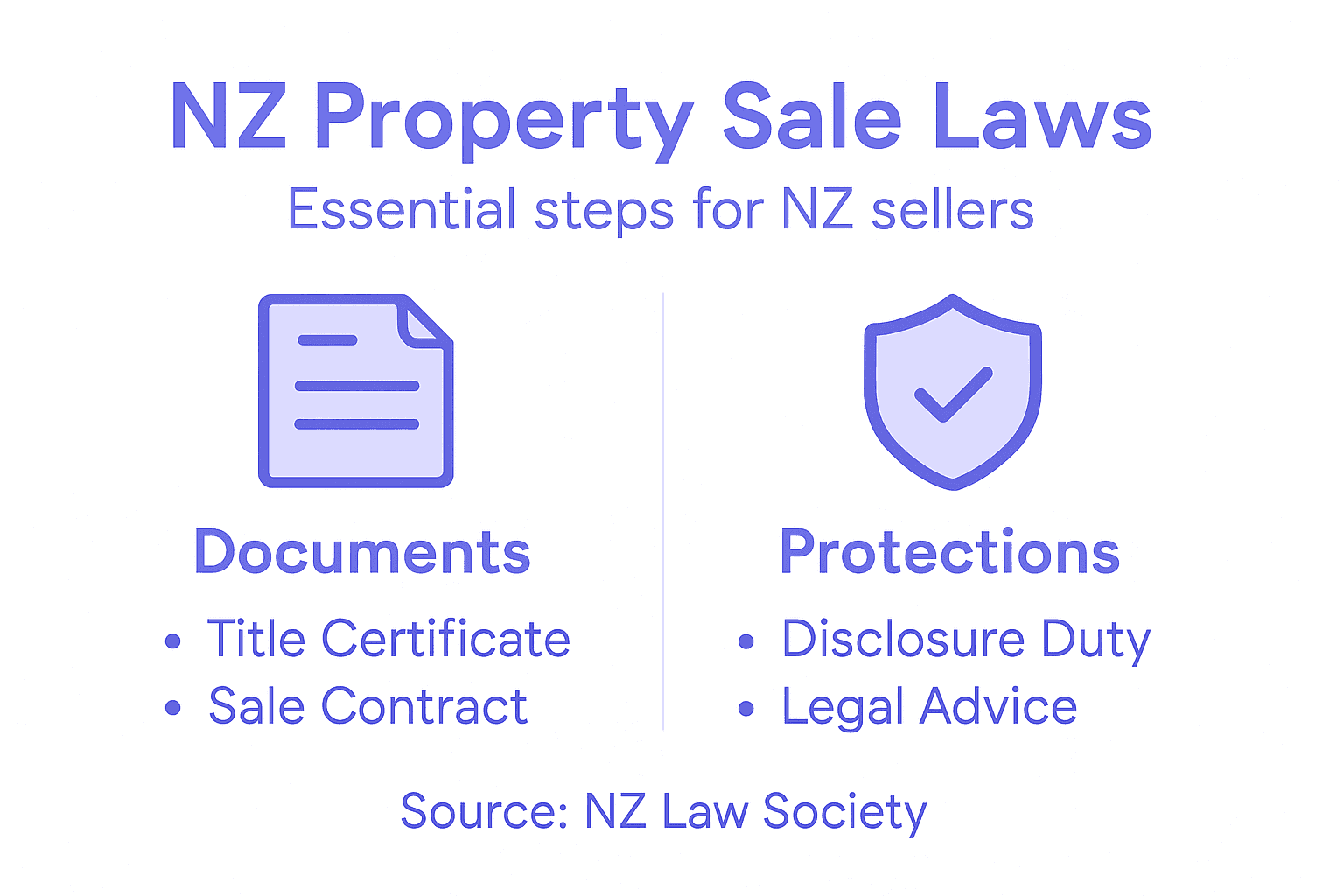
Sellers must understand their legal obligations, which include providing accurate property information, addressing potential structural issues, and ensuring all documentation is correctly prepared. Professional legal advice can help navigate these complex requirements and minimise potential risks during property transactions.
Pro tip: Consult with a qualified property lawyer to review all sale documents and ensure complete compliance with New Zealand’s legal requirements.
Costs, risks and common pitfalls for sellers
Selling property in New Zealand involves navigating a complex landscape of potential financial and legal challenges. Government property sale guidelines highlight critical considerations that can significantly impact a seller’s transaction.
Key financial risks and costs include:
- Legal consultation fees
- Property valuation expenses
- Marketing and advertising costs
- Potential home repair investments
- Settlement documentation charges
- Potential capital gains tax implications
Common pitfalls that sellers must carefully manage involve:
- Undervaluing property
- Inadequate property disclosure
- Misunderstanding contract terms
- Failing to prepare comprehensive documentation
- Unrealistic price expectations
- Overlooking market condition nuances
The Real Estate Authority recommendations emphasise the importance of thorough preparation and professional guidance. Understanding these potential challenges can help sellers mitigate risks and ensure a smoother, more predictable property transaction.
Below is a summary of cost factors and risk management strategies for New Zealand home sellers:
| Cost/Risk Factor | Typical Impact | Common Risk Mitigation |
|---|---|---|
| Legal fees | $2,000–$4,000 per sale | Use qualified property lawyer |
| Marketing expenses | $500–$2,000 per listing | Budget and compare platforms |
| Property repairs | Varies by issue | Pre-sale inspections |
| Contract misinterpretation | Possible legal disputes | Professional review |
| Underestimating value | Loss of sale proceeds | Independent property valuation |
Pro tip: Engage a professional property consultant early to conduct a comprehensive risk assessment and develop a strategic selling approach.
Alternatives to agent-free simple sale methods
New Zealand property sellers have multiple options beyond traditional real estate agent services for completing property transactions. Government property sale guidelines outline several alternative methods that provide flexibility and potential cost savings.
Alternative sale methods for New Zealand property owners include:
- Private direct sales
- Seller manages entire transaction independently
- Direct negotiation with potential buyers
- Full control over marketing and pricing
- Online property platforms
- Digital marketplaces connecting sellers directly
- Reduced commission costs
- Broader market exposure
- Auction self-management
- Sellers conduct property auction personally
- Set specific sale conditions
- Generate competitive bidding environment
- Sale by tender
- Confidential sealed bid process
- Seller reviews multiple offers simultaneously
- Flexible negotiation approach
The residential real estate transaction process requires careful understanding of legal obligations and potential risks associated with these alternative methods. Sellers must be prepared to invest time in research and potentially seek professional legal advice to ensure a compliant transaction.
Pro tip: Consult a property lawyer to review documentation and understand legal requirements before pursuing an agent-free sale method.
Discover a Stress-Free Way to Sell Your Property in New Zealand
Selling a property can be overwhelming with complex legal requirements and unpredictable timelines. This article highlights how a simple property sale reduces stress by offering a fast, transparent process without excessive paperwork or agent fees. If you’re facing challenges like urgent financial needs or unwanted property conditions, easySale.co.nz is designed to provide a straightforward solution that aligns perfectly with these goals.
By choosing easySale.co.nz, you can enjoy a fast cash offer, avoid complicated negotiations, and settle on your terms. The platform buys properties in any condition nationwide, ensuring sellers gain control and confidence while eliminating common pitfalls like undervaluing your home or contractual misunderstandings.
Thinking about a quick, no-hassle sale that respects your unique situation and legal protections?
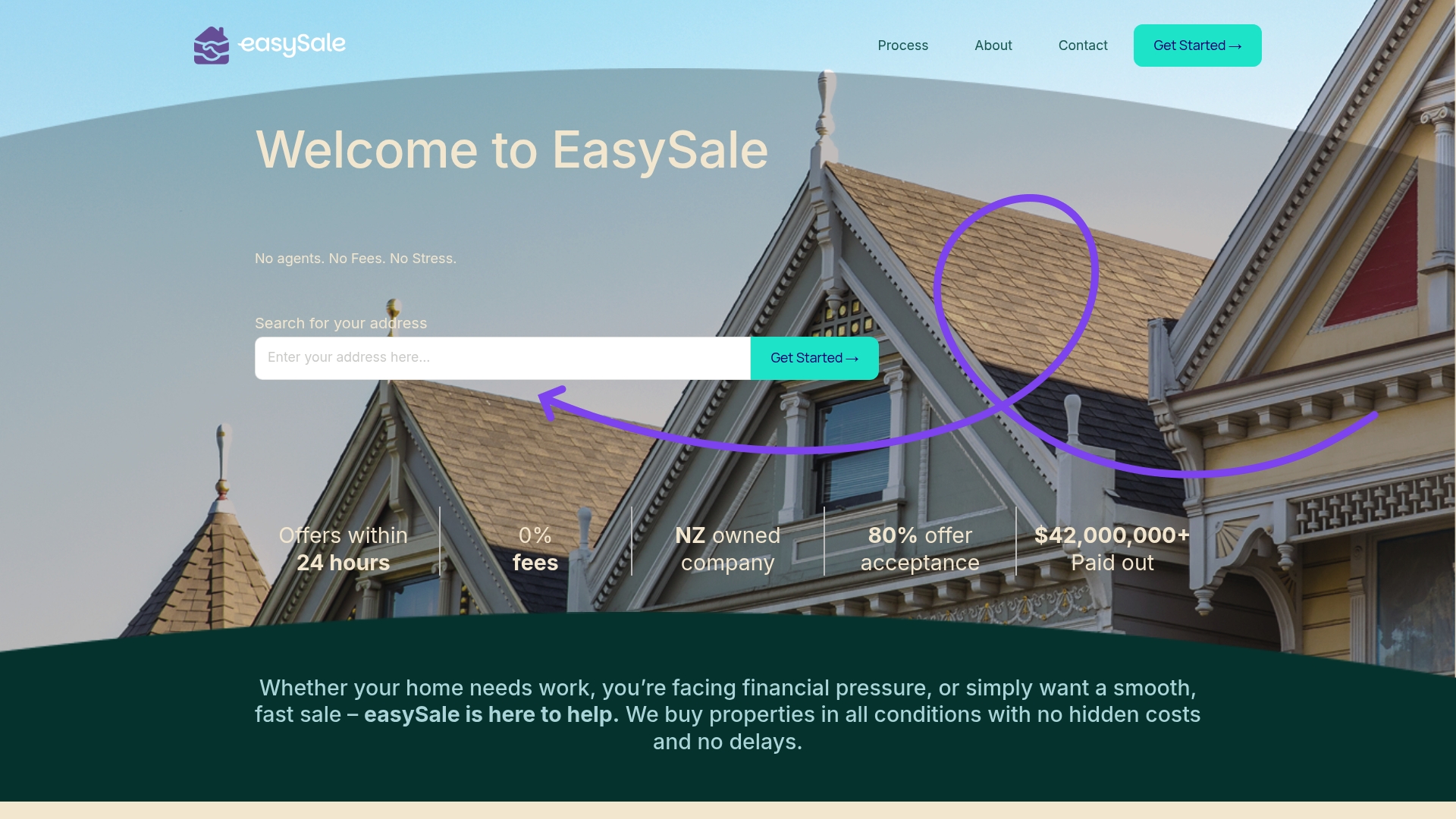
Take the first step now by submitting your property details on easySale.co.nz. Join many New Zealand homeowners who have found peace of mind with our stress-free property sale service designed specifically for sellers looking to act swiftly and simply.
Frequently Asked Questions
What is a simple property sale in New Zealand?
A simple property sale refers to a straightforward residential transaction that minimises complexity and administrative burden for sellers. It focuses on efficiency, transparency, and reducing unnecessary steps in transferring property ownership.
What are the main benefits of selling a property via a simple sale method?
The main benefits include direct negotiation between seller and buyer, minimal intermediary involvement, clear pricing, faster settlement processes, and reduced paperwork and legal complications.
What are the legal requirements for selling a property in New Zealand?
Sellers must comply with written contract requirements, mandatory disclosure obligations, and ensure all legal documentation is correctly prepared. Consulting a qualified property lawyer can help navigate these requirements.
What costs should I consider when selling my property?
Key costs include legal fees, property valuation expenses, marketing costs, potential home repair investments, and settlement documentation charges. It’s essential to engage professionals to assess these costs accurately.
Recommended
- Property Sale Process in NZ Explained: Essential Steps
- Master the Simple Property Sale Process: Quick & Stress-Free
- 7 Smart Ways to Sell Property Without Hassle in NZ
- How to Sell Without Agent in NZ: A Fast, Stress-Free Guide
- Property Management in Lagos, Algarve for Investors | Riva Prime
- The Impact of the NAR Lawsuit: What Buyers, Sellers and Agents Need to Know – Bold Street AI
- No Down Payment and Its Impact on Housing Market 2026
