
Why NZ properties sell below market value: key reasons
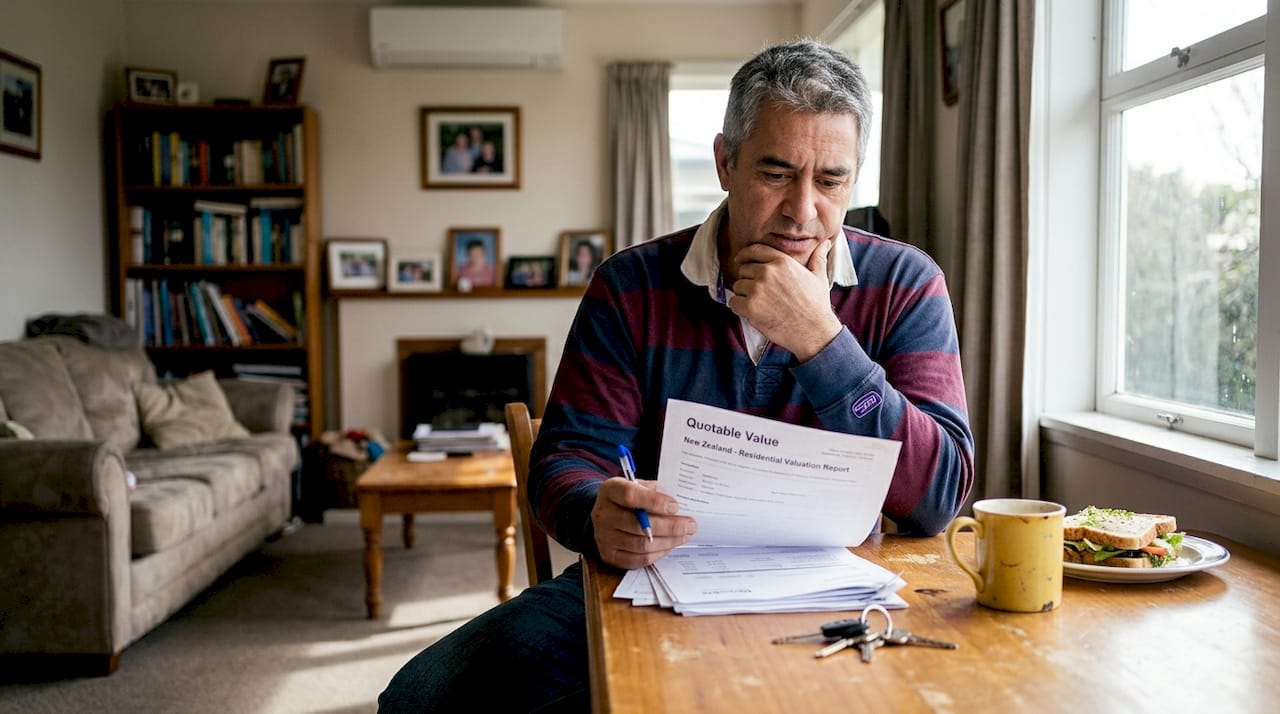
In New Zealand, the idea that property always goes up is deeply held. But the numbers tell a different story. 9.2% of resales nationally recorded a loss in Q1 2025, with Auckland hitting 14.2% and apartments reaching a staggering 32.8% loss rate. If you’re a homeowner facing financial pressure, a sudden life change, or a property in poor condition, understanding why below-market sales happen, and what you can do about it, could save you thousands and a great deal of stress.
Table of Contents
- How property value losses happen in New Zealand
- The main reasons properties sell below market value
- How property damage and ‘as is’ sales affect market value
- What homeowners can do: options, tips and common pitfalls
- Get support for a hassle-free, fast sale
- Frequently asked questions
Key Takeaways
| Point | Details |
|---|---|
| Not all homes gain value | Short-term holds and market timing can lead to substantial losses, especially after recent market peaks. |
| Common distress sale drivers | Financial pressure, property issues, and urgent life changes are the leading causes of below-value sales in NZ. |
| ‘As is’ means fast but at a cost | Selling ‘as is’ or quickly to cash buyers saves time but usually requires accepting a discount of 10-30%. |
| You have options | Exploring all sale types, prepping documents, and seeking advice can improve your result even under stress. |
| Help is available | Specialist buyers and support services exist for rapid or distressed home sales nationwide. |
How property value losses happen in New Zealand
Many homeowners assume that as long as they hold their property for a few years, they’ll come out ahead. That assumption is being tested hard right now. Short ownership periods of 2 to 3 years, particularly for those who bought at the 2021 to 2022 market peak, are a primary driver of resale losses, with prices now sitting 16 to 18% below those highs.
The data paints a clear picture. Auckland and apartment owners are bearing the brunt of the downturn. Rising losses across NZ are concentrated among those who bought at the top and are now forced to sell before the market recovers. Timing, in other words, matters enormously.
| Segment | Q1 2025 loss rate |
|---|---|
| National average | 9.2% |
| Auckland | 14.2% |
| Apartments | 32.8% |
| Houses | 8.4% |
| Auckland (Q3 2025 estimate) | 18 to 22% |
The median loss recorded nationally was $49,000, while the median gain for profitable sales was $280,000. That gap shows just how much purchase timing shapes your outcome. Sellers who bought in calmer markets and held for longer are still doing well. Those who bought near the peak and must sell now are the ones absorbing the losses.
The key insight: It’s not that property has stopped being a good long-term investment. It’s that short holds during a price correction are where the real damage occurs.
If you’re weighing up whether to sell now or wait, understanding the reasons to sell property quickly in the current climate can help you make a more informed decision rather than a reactive one.
The main reasons properties sell below market value
Loss-making sales don’t happen in a vacuum. There are four core drivers that push homeowners into below-market territory, and each one creates a different kind of pressure.
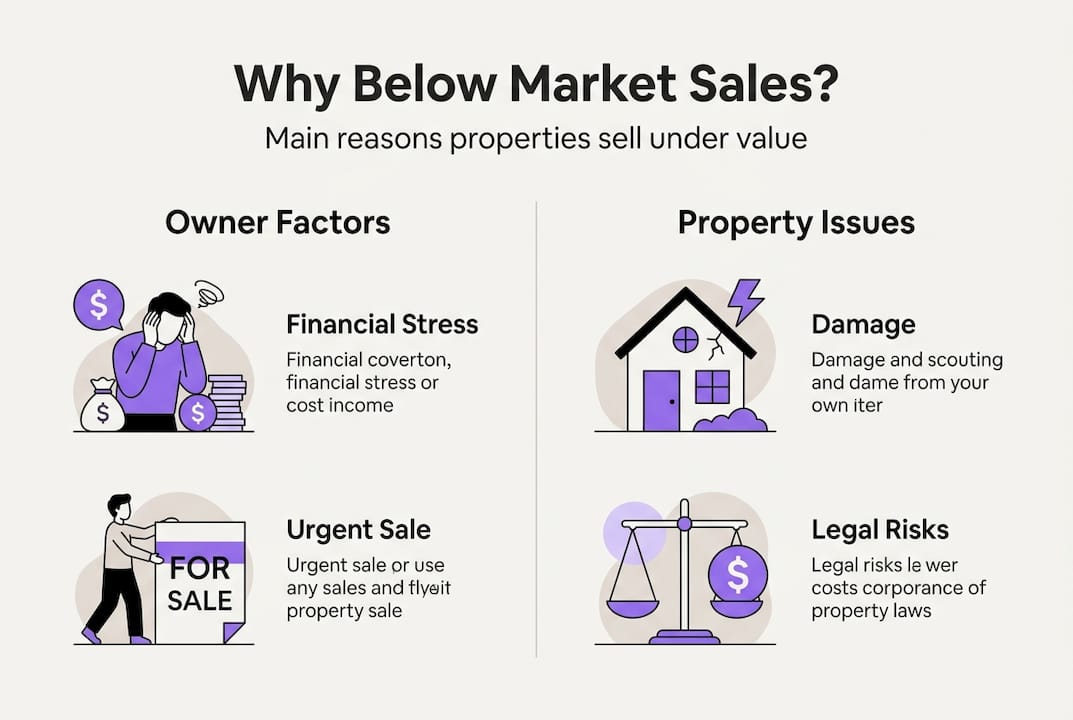
Financial distress is the most visible cause. Mortgagee sales are rising in South Auckland due to job losses, high interest rates, and properties purchased during the Covid-era boom. When a bank moves to repossess, sellers often accept a loss just to retain some control over the outcome.

Urgent life changes are the second major driver. Job loss, divorce, and family crises force quick decisions, and a market with high listings gives buyers significant negotiating power. Sellers in these situations simply don’t have the luxury of waiting for a better offer.
Here are the four main drivers in plain terms:
- Financial distress: Mortgage arrears, rising rates, or job loss forcing a sale before the market recovers
- Urgent life events: Divorce, illness, relocation, or a death in the family requiring a fast resolution
- Property damage: Storm, earthquake, leaky home syndrome, or unconsented building work making a standard sale difficult
- Market pressure: High inventory giving buyers leverage to negotiate well below asking price
Understanding which category applies to your situation helps you choose the right sale path. The quick sale types available in NZ vary significantly in terms of speed, price outcome, and complexity. Knowing your options before you commit is critical.
Real example: A homeowner in Manukau who bought in late 2021 and lost their job in 2024 may face a choice between a mortgagee sale at a steep discount or a negotiated cash sale that gives them slightly more control. Neither is ideal, but one is clearly better.
Pro Tip: If you’re considering selling property fast in NZ, get at least two independent valuations before accepting any offer. Even in a distressed situation, knowing your baseline protects you from accepting far less than necessary.
Urgency, distress sales, and the impact on price
When urgency enters the picture, the entire sales process changes. Distressed sales typically close within 7 to 30 days, and they come with far fewer buyer protections than a standard transaction. Speed is the trade-off for price.
Cash buyers and mortgagee auctions operate on an as-is, where-is basis, meaning the buyer takes on all risk related to condition, repairs, and legal compliance. Because of that risk, buyers factor in a discount, typically 10 to 30% below what the property might fetch in a standard sale. The Banking Ombudsman’s guidance on mortgagee sales confirms that these processes prioritise the lender’s recovery over the seller’s return.
| Sale type | Typical timeframe | Price outcome | Seller control |
|---|---|---|---|
| Standard agent sale | 30 to 90 days | Closest to market value | High |
| Auction | 4 to 6 weeks | Variable, can be strong | Medium |
| Cash buyer (as-is) | 7 to 30 days | 10 to 30% below market | Medium |
| Mortgagee sale | Bank-controlled | Often lowest outcome | Low |
Here’s what typically happens in a distressed sale:
- The homeowner contacts a cash buyer or the bank initiates a mortgagee process
- A rapid assessment of the property is made, often without a full building inspection
- An offer is made based on as-is value, factoring in repair costs and market risk
- Settlement occurs quickly, often within two to four weeks
- The seller receives funds and the debt is cleared, or partially cleared
Pro Tip: Before agreeing to any fast sale, review the step-by-step fast sale guide so you understand exactly what you’re signing and what protections you retain. Many sellers skip this and regret it later.
If you’re unsure how the process works end to end, navigating a cash sale in New Zealand has specific legal and procedural steps that differ from a standard agent-led transaction.
How property damage and ‘as is’ sales affect market value
Property damage is its own category of complexity. Whether it’s earthquake damage in Canterbury, storm flooding in Hawke’s Bay, or a leaky home in Auckland, damaged properties create a unique challenge for sellers. A standard sale process often isn’t viable when a property has significant structural, weather-tightness, or compliance issues.
Selling as-is to a cash buyer avoids the need for costly repairs and bypasses the drawn-out process of finding a buyer willing to take on a damaged home through a traditional agent. The trade-off is a discount, typically in the 10 to 30% range, as the buyer prices in repair costs, code compliance upgrades, and legal risk.
Common situations where an as-is sale makes sense:
- Earthquake or storm damage where repairs are extensive and insurance disputes are unresolved
- Leaky home syndrome where remediation costs can exceed $100,000 and disclosure obligations complicate a standard sale
- Unconsented building work that would require council sign-off before a standard buyer’s bank would lend
- Deceased estates where beneficiaries want a fast, clean resolution without investing in the property
- Severe deferred maintenance where the cost of bringing the property to a sellable standard outweighs the benefit
Worth knowing: Buyers purchasing as-is properties are essentially paying for certainty of speed and a known risk profile. The discount reflects their cost of capital, repair estimates, and the premium they charge for taking on your problem.
For homeowners in this position, understanding how to sell a house in any condition in New Zealand is the first step. There are also practical tips for a fast sale that can help you present the property clearly and avoid leaving money on the table even in a difficult situation. Property valuation impacts from damage and condition issues are real and quantifiable, so getting an independent assessment before accepting any offer is always worthwhile.
What homeowners can do: options, tips and common pitfalls
If you’re facing a below-market sale, the worst thing you can do is panic and accept the first offer that arrives. Experts note that longer holds of 9 or more years consistently yield gains, and the current losses are driven by cycle timing rather than a structural collapse in values. If you can hold, holding is often the better financial decision.
But if you can’t hold, here’s how to protect yourself:
Your sale options, ranked by seller control:
- Standard agent sale: Best price outcome but requires time, presentation, and market conditions in your favour
- Auction: Can generate competitive bidding but results are unpredictable in a soft market
- Cash buyer or as-is sale: Fast and certain, but expect a discount of 10 to 30%
- Mortgagee sale: Last resort; the bank controls the process and your outcome is typically the worst
Common mistakes to avoid:
- Accepting the first cash offer without getting a second opinion on value
- Failing to have your title, LIM report, and building consent records ready before listing
- Assuming a fast sale means a fair sale without doing basic due diligence on the buyer
- Ignoring legal advice because you’re in a hurry
Pro Tip: Review the essential fast sale guide before you engage any buyer. It covers the documents you need, the questions to ask, and the red flags to watch for. Also, wealth preservation strategies in real estate can help you think about the broader financial picture beyond the immediate sale.
For a clear walkthrough of the process from start to finish, the quick sale steps guide is a practical resource that many NZ homeowners have found useful when time is short and decisions need to be made quickly.
Get support for a hassle-free, fast sale
If you’re in a position where waiting isn’t an option, you don’t have to navigate it alone. Whether your property has damage, you’re facing financial pressure, or life has simply moved faster than the market, there are solutions built specifically for your situation.
At easySale.co.nz, we buy properties across New Zealand in any condition, with no agent fees, no open homes, and no drawn-out negotiations. If you need a fast, transparent cash offer, you can get a fair cash offer for your damaged or as-is property without the usual stress. For those going through a life transition such as retirement or downsizing, we offer a respectful, flexible process that works around your timeline. The three-step process is straightforward: submit your details, receive a no-obligation offer, and settle when it suits you.
Frequently asked questions
What counts as a below market value sale in New Zealand?
A below-market sale is one where the final price is less than what the property would likely fetch in a standard, open-market transaction. Short ownership after peak buying is one of the most common reasons this occurs in New Zealand right now.
How much less are ‘as is’ or distressed homes selling for?
Most as-is or distressed properties sell for 10 to 30% below market value, though the exact discount depends on location, the severity of damage or condition issues, and how urgently the seller needs to close.
Are mortgagee sales or cash offers riskier for homeowners?
Both typically result in a lower price and fewer legal protections for the seller, but they can be the right choice when the alternative is bank repossession or mounting debt with no resolution in sight.
Is everyone who sells below market value in financial trouble?
Not at all. Cycle timing and short holds after a market peak account for many below-market sales, and experts note this reflects normal property cycles rather than widespread financial distress across the market.
Recommended
