
Top benefits of selling your house as is in New Zealand
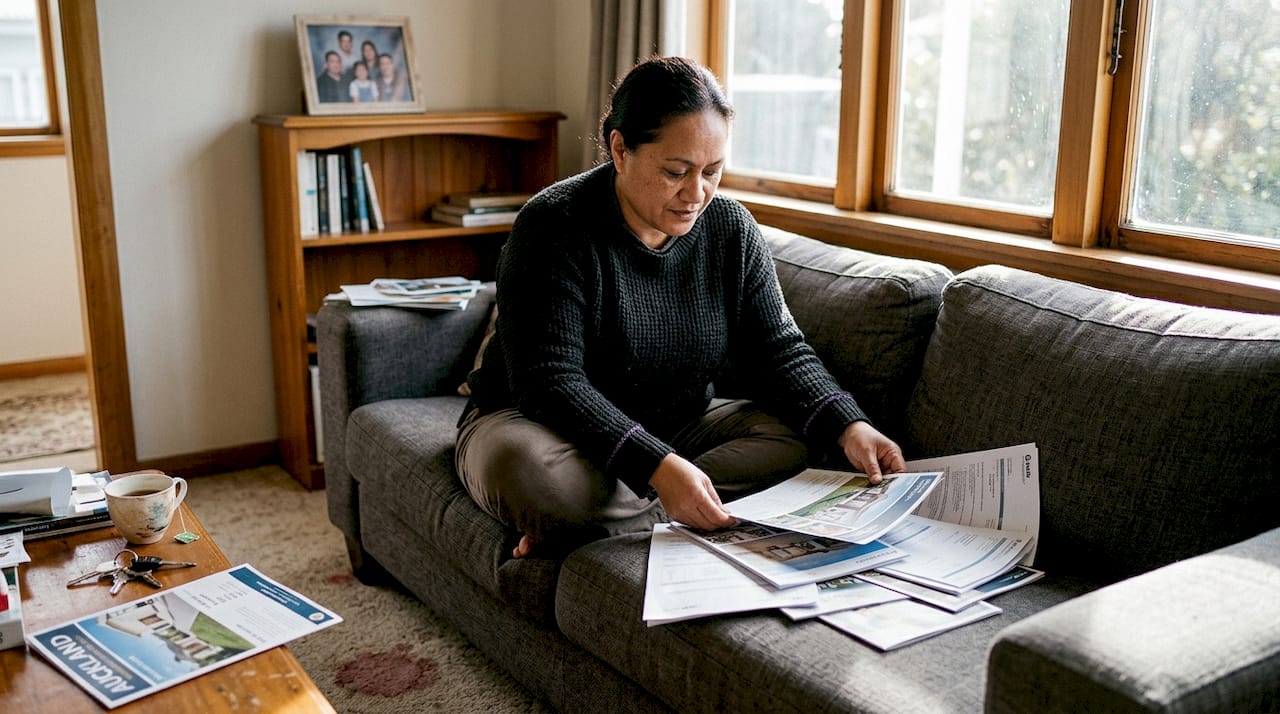
TL;DR:Selling ‘as is’ allows homeowners to avoid repairs, staging, and agent commissions.It offers faster, more private sales ideal for urgent or condition-related situations.Around 20% of NZ home sales now involve ‘as is’ transactions, reflecting its mainstream acceptance.
Selling a home in New Zealand is rarely simple, and when life throws you a curveball, the traditional route can feel impossible. Whether you’re facing financial pressure, a relationship breakdown, an unexpected relocation, or a property that needs serious work, the clock keeps ticking. Every week on the market means more holding costs, more stress, and more uncertainty. Selling your home ‘as is’ has become a practical, increasingly popular solution for Kiwi homeowners who need to move quickly and cleanly. This article walks you through the key benefits, what the process actually involves, and how it compares to a traditional agent-led sale so you can make a confident, informed decision.
Table of Contents
- What does selling ‘as is’ mean in New Zealand?
- Save on repairs, staging, and agent commissions
- Faster, more private sales for urgent life situations
- Comparing ‘as is’ sale to traditional methods
- What most homeowners miss about selling ‘as is’
- Ready for a quick, easy NZ property sale?
- Frequently asked questions
Key Takeaways
| Point | Details |
|---|---|
| Skip costly repairs | Selling as is means you avoid the time and expense of fixing up your home. |
| Save agent commission | No real estate agent means you keep thousands more from your property sale. |
| Faster, private process | As is sales can close in days with less public marketing and fewer disruptions. |
| Ideal for urgent sales | A quick solution for financial stress, inheritance, or sudden moves. |
| Legal responsibility | You must still disclose known faults, protecting both parties. |
What does selling ‘as is’ mean in New Zealand?
The term ‘as is, where is’ has a specific meaning in New Zealand property law. It simply means the property is sold in its current condition, with no obligation on the seller to carry out repairs, improvements, or any form of preparation before settlement. The buyer accepts the home exactly as they find it.
This approach gained significant traction after the Christchurch earthquakes, when thousands of homeowners needed to offload earthquake-damaged properties quickly. Since then, it has become a recognised and widely used method across the country. In fact, approximately 20% of NZ home sales now involve ‘as is’ transactions, which tells you just how mainstream this option has become.
Common situations that lead homeowners toward an ‘as is’ sale include storm or flood damage, deferred maintenance, deceased estates, urgent financial need, or simply not wanting the hassle of preparing a home for market. As explained in the why sell house as is NZ guide, selling ‘as is’ in New Zealand allows homeowners to sell in current condition without repairs, renovations, or staging.
One important legal point: while the buyer takes on the property’s condition, sellers are still required to disclose any known defects. This protects both parties and keeps the transaction transparent. As noted in guidance on as is where is in Auckland, the ‘as is’ framework shifts the burden of due diligence to the buyer, but it does not excuse sellers from honest disclosure.
“Selling ‘as is’ doesn’t mean selling blind. Buyers take on the risk of condition, but sellers must still be upfront about what they know.”
When you sell ‘as is,’ you skip a long list of pre-sale tasks:
- Structural or cosmetic repairs
- Renovation or updating of kitchens and bathrooms
- Professional staging and furniture hire
- Pre-sale inspections and remediation work
- Landscaping and exterior touch-ups
Save on repairs, staging, and agent commissions
One of the most compelling reasons to sell ‘as is’ is the money you keep in your pocket. A traditional home sale in New Zealand often involves thousands of dollars spent before a single buyer walks through the door. Repairs, painting, staging, professional photography, marketing campaigns, and then agent commissions on top. It adds up fast.
When you sell without renovation, as outlined in this guide on selling without renovation, you sidestep all of those upfront costs. There is no need to spend $15,000 on a kitchen refresh or $8,000 on a new roof just to make the property presentable. The buyer factors in the condition when making their offer.
The biggest single saving, though, is often the agent commission. Selling without an agent removes a fee that most homeowners underestimate. According to data on agent commission savings, typical NZ agent fees run at around 3.95% plus GST. On a $500,000 sale, that is approximately $19,750 gone before you even account for marketing costs.
Statistic callout: On a $500k sale, skipping the agent saves you roughly $19,750 in commission alone, not counting marketing, staging, or repair costs.
Pro Tip: Before deciding whether to invest in repairs before selling, add up all the costs you would need to spend, then compare that total to the likely discount on an ‘as is’ offer. Many sellers find the numbers are closer than expected, and the time and stress saved tips the balance toward selling as is.
Here is a quick summary of the costs you avoid with an ‘as is’ sale:
- Real estate agent commission (typically 3.95% + GST)
- Pre-sale repairs and maintenance
- Staging and furniture hire
- Professional photography and marketing
- Open home preparation and ongoing upkeep
- Potential cost overruns on renovation work
For many homeowners, these savings alone make the ‘as is’ route worth serious consideration.
Faster, more private sales for urgent life situations
Cost savings matter, but for many, the real draw is the speed and privacy. When you are dealing with a separation, a job relocation, mounting debt, or the stress of managing an inherited property, the last thing you need is a drawn-out sales process with strangers walking through your home every weekend.
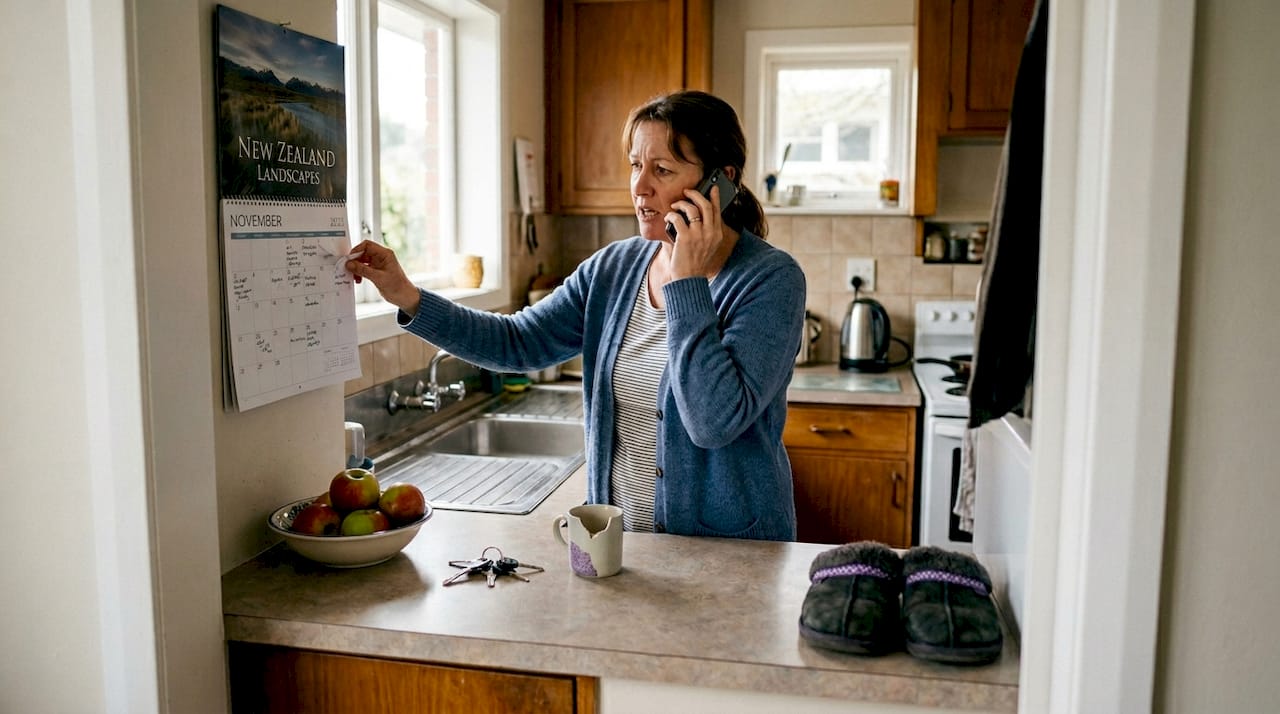
Selling as is for cash to a direct buyer means you can often settle in days rather than weeks or months. There are no open homes, no auction campaigns, and no waiting on bank finance approvals from multiple buyers. The process is direct and contained.
For sellers managing any condition property, the privacy benefit is significant. You are not exposing your personal circumstances or your home’s condition to the general public. The transaction stays between you and the buyer, which many people in difficult situations find genuinely relieving.
Here are the main speed and privacy advantages of an ‘as is’ sale:
- Settlement can happen in as little as a few days with a cash buyer
- No open homes or repeated inspections by strangers
- No reliance on buyer finance, which can fall through at the last moment
- Minimal paperwork compared to a traditional agent-managed sale
- You choose the settlement date to suit your timeline
Pro Tip: If you need to move by a specific date, such as a new job start or a court-ordered settlement, an ‘as is’ cash sale is often the only method that gives you genuine control over timing.
It is worth being honest about the trade-off. As noted in the why sell house as is NZ guide, ‘as is’ sales to cash buyers offer speed and privacy over maximum price. You may receive a slightly lower offer than you would on the open market. But once you factor in holding costs, repair expenses, and agent fees, the net difference is often smaller than it first appears.
Comparing ‘as is’ sale to traditional methods
Understanding the stand-out benefits, it is helpful to see how ‘as is’ stacks up against a traditional process. The table below gives you a clear side-by-side view.
| Factor | ‘As is’ sale | Traditional agent sale |
|---|---|---|
| Preparation required | None | Repairs, staging, photography |
| Agent commission | None | ~3.95% + GST |
| Timeline to settlement | Days to weeks | Weeks to months |
| Open homes | No | Yes, regularly |
| Buyer pool | Cash buyers, investors | General public |
| Price outcome | Slightly lower | Potentially higher |
| Certainty | High (unconditional offers) | Lower (finance conditions) |
| Privacy | High | Low |
As shown above, the traditional method may achieve a higher headline price, but it comes with more cost, more time, and more uncertainty. For homeowners focused on simplifying home selling, the ‘as is’ route removes most of the friction from the process.
The buyer pool is different too. ‘As is’ properties tend to attract investors, developers, and cash buyers who are experienced with purchasing homes in varying conditions. They are not deterred by cosmetic issues or deferred maintenance. If your home needs repairs and you want a quick result, this buyer pool is your most realistic audience anyway.
The approximately 20% of NZ home sales that are ‘as is’ transactions reflect how well-established this method has become. It is not a niche workaround. It is a legitimate, commonly used path that suits a specific set of seller circumstances very well.
The traditional method remains the right choice when you have time, your property is in good condition, and maximising the sale price is your primary goal. But when urgency, condition, or cost are the driving factors, ‘as is’ is hard to beat.
What most homeowners miss about selling ‘as is’
The most common misconception we hear is that an ‘as is’ sale automatically means accepting a lowball offer. That is not the full picture. When you account for agent commissions, repair costs, staging fees, and the carrying costs of holding a property for an extra three to six months, the net proceeds from an ‘as is’ sale often come very close to what you would clear through a traditional sale.
There is also a less obvious benefit that sellers rarely consider: certainty. A conditional offer from a retail buyer can fall through at any stage. An unconditional cash offer does not. That certainty has real financial and emotional value, especially when you are already under pressure.
One practical insight worth holding onto: the sellers who do best with smart steps to sell as-is are those who disclose everything upfront. Accurate disclosure protects you legally and builds trust with buyers, which often results in stronger, faster offers. Trying to hide known defects is both legally risky and counterproductive.
Choose your buyer carefully. Not all cash buyers operate with the same level of transparency or fairness. Look for buyers with a clear process, no hidden fees, and a track record of settled transactions.
Ready for a quick, easy NZ property sale?
If the benefits covered in this article sound like exactly what you need, easySale.co.nz is built to help you act on them. Whether you are dealing with a property that needs work, a situation that requires speed, or simply want to avoid the cost and complexity of a traditional sale, we make the process straightforward.
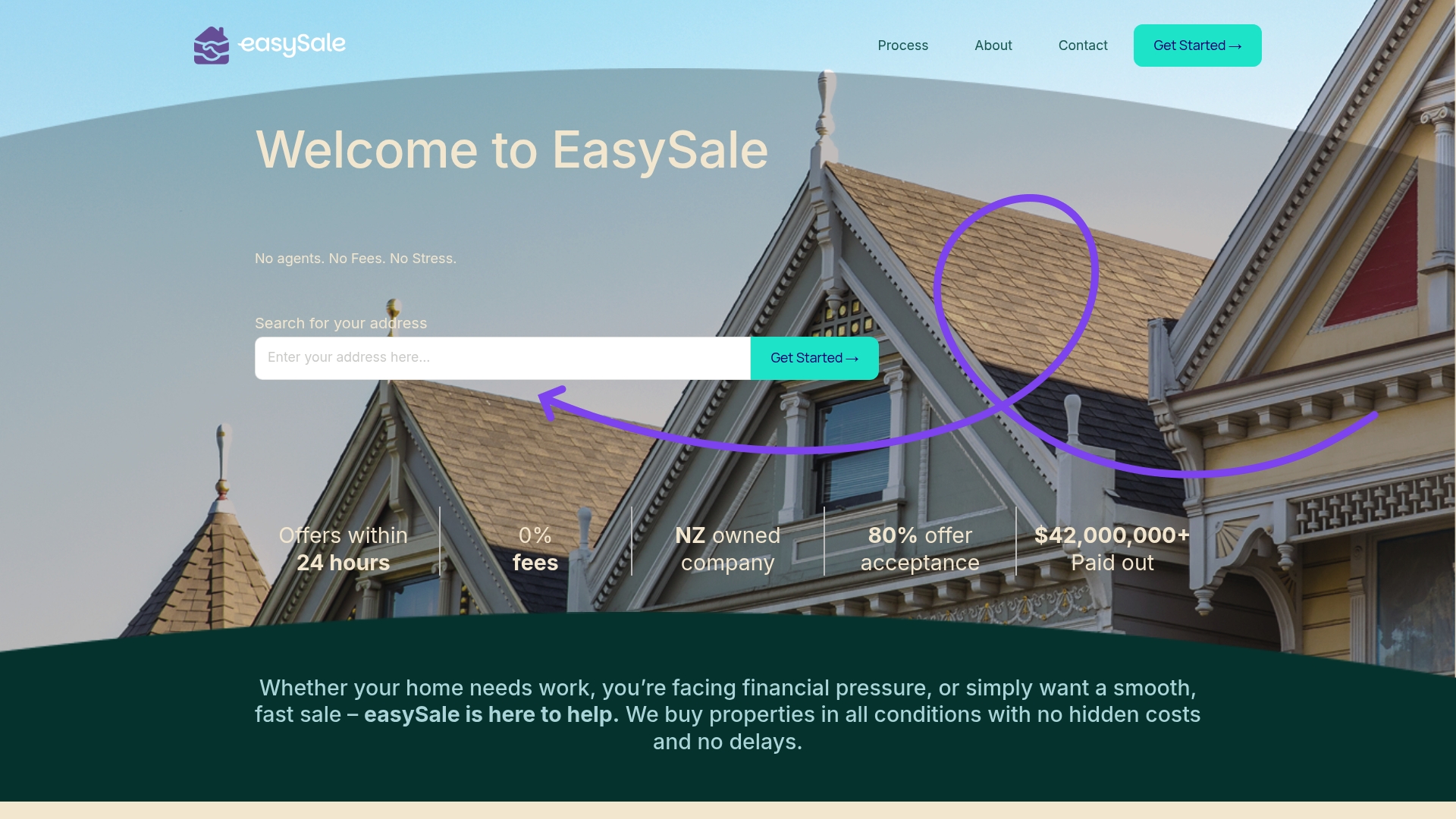
At EasySale NZ, you submit your property details, receive a no-obligation cash offer, and settle on a timeline that works for you. There are no agents, no commissions, and no pressure. We buy properties in any condition across New Zealand, including situations involving retirement and downsizing sales. If you are ready to take the next step, visit sell your house fast and get your free, no-obligation offer today.
Frequently asked questions
Do I need to make any repairs before selling my house as is in NZ?
No, you do not need to make any repairs. Selling ‘as is’ means the buyer purchases the home in its current condition, exactly as it stands.
How much commission do I save selling without a real estate agent?
You typically save around 3.95% plus GST on the sale price. On a $500,000 home, that is approximately $19,750 back in your pocket.
What are the legal risks of selling as is in NZ?
The main risk is failing to disclose known defects. As outlined in guidance on as is where is sales, while due diligence shifts to the buyer, sellers must still declare all faults they are aware of or face potential legal action.
Are ‘as is’ sales accepted by most buyers in NZ?
They are well-established and widely accepted, particularly among investors and cash buyers. Approximately 20% of New Zealand home sales are ‘as is’ transactions, reflecting how common this method has become.
Recommended
