
Boost your NZ home sale value with fast, smart upgrades
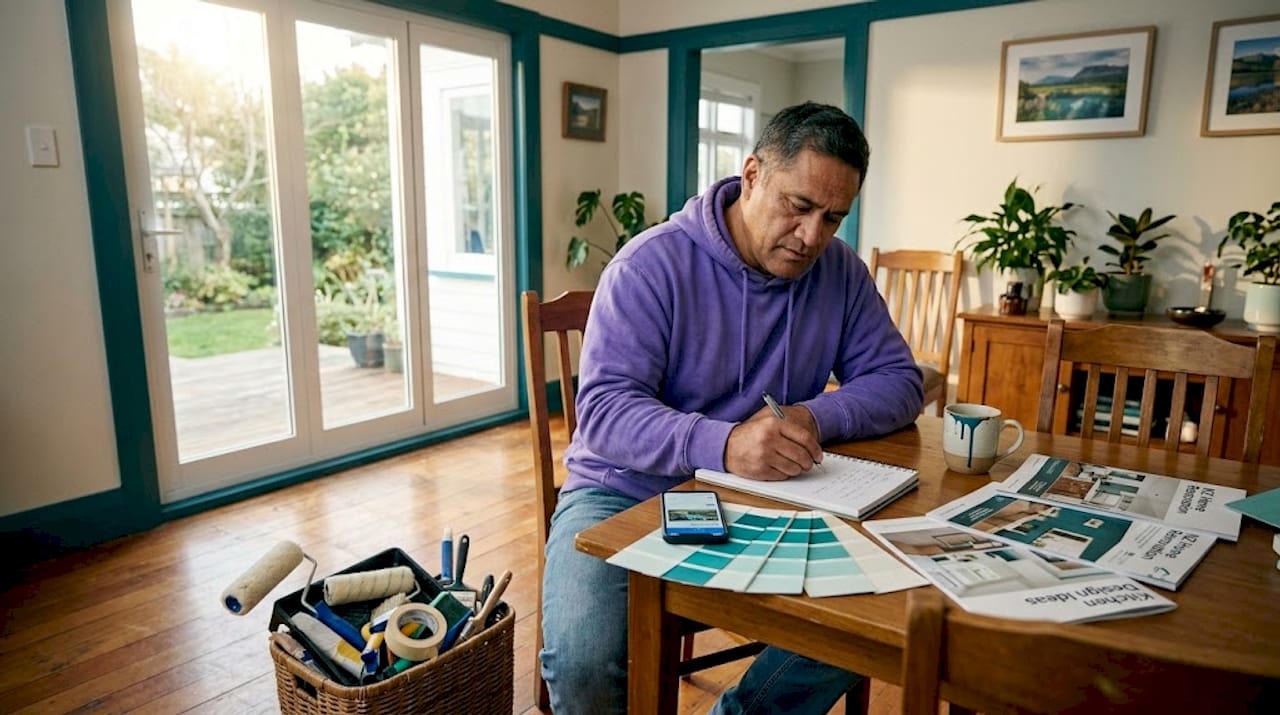
TL;DR:Simple cosmetic upgrades like fresh paint and curb appeal offer over 100% ROI for quick sales.Targeted, small renovations can boost value but should match the suburb’s market expectations.In urgent or financially constrained situations, selling as-is or through direct cash buyers is often the best option.
When you need to sell your home quickly, the pressure to maximise its value can feel overwhelming. Major renovations are rarely realistic when time, money, or energy is limited, yet low-cost cosmetic upgrades like fresh paint, decluttering, deep cleaning, and curb appeal improvements can offer exceptional return on investment with minimal effort. This article gives you expert-backed, actionable upgrade ideas with clear ROI data, and guides you through exactly what to prioritise and what to skip, so you can make confident decisions fast.
Table of Contents
- How to choose the right improvements for your situation
- Easy high-ROI cosmetic upgrades for a quick sale
- Renovation ROI: Where bigger upgrades make sense
- The role of staging and professional photography
- Summary: Choosing your best-fit value-boosting strategy
- Why smart, low-stress fixes beat overcapitalising in New Zealand
- Sell fast in any condition with EasySale
- Frequently asked questions
Key Takeaways
| Point | Details |
|---|---|
| Cosmetic wins first | A quick coat of paint, decluttering, and cleaning is the fastest way to increase any NZ home’s value with minimal cost. |
| Renovate only when justified | Consider renovations if you have the time and money but for urgent situations stick with visible, affordable changes. |
| Staging accelerates sales | Spending on professional staging or at least quality photos pays off by speeding up the sale and boosting offers. |
| Match to your market | Choose upgrades to suit your suburb, price bracket, and buyer expectations in current NZ conditions. |
| Sell as is if needed | If overwhelmed or repairs are too much, selling ‘as is’ privately can save time and stress. |
How to choose the right improvements for your situation
Before you spend a single dollar or lift a paintbrush, you need to assess your situation honestly. The right upgrade strategy depends on four key factors: how much time you have, how much cash you can access, how urgently you need to sell, and the current condition of your property.
These factors determine whether cosmetic fixes are your best path or whether a targeted renovation might genuinely pay off. Here is a simple way to think about it:
- Time poor (under 4 weeks): Stick to cosmetic only. Paint, clean, declutter, tidy the garden.
- Moderate time (1-3 months): You can tackle minor kitchen or bathroom updates, flooring, and staging.
- Urgent financial pressure: As-is sale or cosmetic only. Renovation risks delays and cost blowouts.
- Property in good structural condition but tired-looking: Targeted cosmetic upgrades will give the best return without overcapitalising.
- Significant damage or deferred maintenance: Consider an as-is cash sale to avoid throwing money into a property you can’t recover costs on.
Understanding when to renovate before selling matters enormously. If you have time and cash, renovations can return 50 to 90 percent ROI. But for quick or stress-free sales, cosmetic fixes or selling as-is are far safer than risking project delays or budget blowouts. The key rule is this: never spend more than you will get back. That is called overcapitalising, and it is the most common mistake sellers make.
Pro Tip: Get a rough appraisal from a local agent or property buyer before committing to any upgrade spend. Knowing your property’s likely sale range helps you set a sensible upgrade budget.
When preparing for a quick sale, the goal is always to make your property more attractive to the broadest pool of buyers, not to achieve a dream finish that suits only your personal taste.
Easy high-ROI cosmetic upgrades for a quick sale
The good news is that the highest-returning upgrades are also the fastest and most affordable. You do not need a big budget or a team of tradies to make a significant difference to buyer perception and sale price.
Paint and street appeal consistently return over 100 percent ROI, making them the single best investment for sellers on a tight schedule. A fresh coat of neutral paint inside and out, a clean front door, and a tidy garden can transform a tired-looking property into something buyers genuinely want to walk through.
Here are the cosmetic upgrades anyone can complete in under a week:
- Repaint interior walls in neutral tones (warm white, light grey, soft beige) to appeal to the widest buyer range
- Waterblast the driveway, pathways, and decks for an instant fresh appearance
- Paint or replace the front door for immediate street appeal impact
- Declutter every room thoroughly, including wardrobes and cupboards buyers will open
- Deep clean the entire property, especially kitchen surfaces, bathrooms, and windows
- Tidy the garden: mow lawns, trim hedges, weed garden beds, add fresh mulch
- Fix minor visible repairs: leaky taps, broken handles, cracked light switch covers, squeaky doors
- Replace outdated light fittings with inexpensive modern alternatives for an instant update
- Add fresh plants or flowers near the entrance to create a welcoming first impression
Pro Tip: Focus your energy on high-traffic and high-visibility areas first. The entrance, living room, and kitchen surfaces are where buyers form their strongest impressions. A spotless, freshly painted hallway sets the tone for the entire property.
The property selling essentials most sellers overlook are often the simplest. Buyers respond emotionally to clean, bright, and well-maintained spaces. You are not just selling a house, you are selling the feeling of moving in. Fast sale tips from experienced property professionals consistently highlight that cosmetic presentation is the single biggest lever you can pull in a short timeframe.
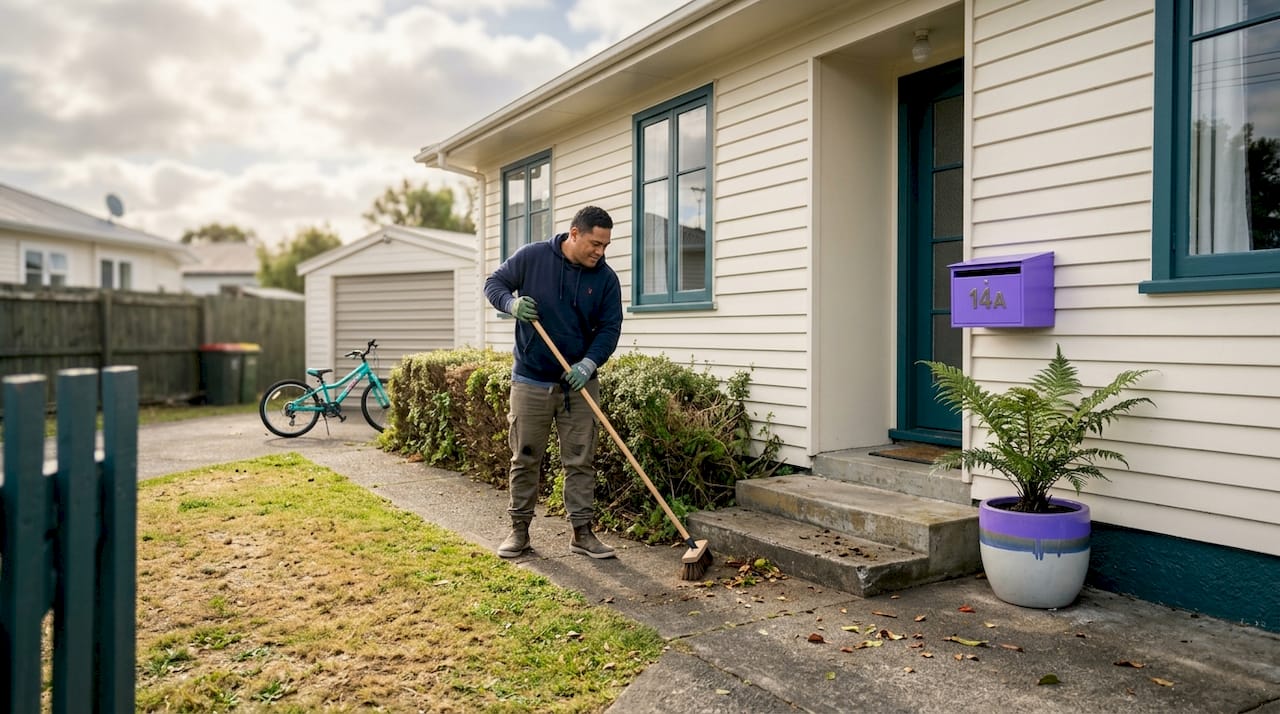
Statistic callout: Fresh paint and curb appeal improvements have been shown to return over 100% ROI for sellers, making them the most cost-effective upgrades available for New Zealand homeowners.
Renovation ROI: Where bigger upgrades make sense
Sometimes a targeted renovation is worth the investment, particularly if your property has a slightly tired kitchen or bathroom that is dragging down perceived value without being structurally problematic. The key word here is targeted. Focused, visible updates rather than full gut-and-rebuild projects.
A $30,000 targeted renovation budget can realistically add $40,000 to $60,000 to your sale price in a typical New Zealand home, provided you focus on cosmetic and visible changes rather than hidden structural work.
Here is a breakdown of typical renovation costs and expected returns for New Zealand properties:
| Renovation type | Typical cost | Expected ROI | Timeframe |
|---|---|---|---|
| Interior repaint | $2,000 to $5,000 | 100%+ | 3 to 7 days |
| Kitchen cosmetic update | $5,000 to $10,000 | 70 to 85% | 1 to 3 weeks |
| Full kitchen renovation | $15,000 to $25,000 | 70 to 85% | 4 to 8 weeks |
| Bathroom refresh | $3,000 to $8,000 | 65 to 75% | 1 to 2 weeks |
| Full bathroom renovation | $10,000 to $20,000 | 65 to 75% | 3 to 6 weeks |
| Deck or outdoor area | $8,000 to $20,000 | 65 to 80% | 2 to 4 weeks |
| Curb appeal improvements | $500 to $3,000 | 100%+ | 1 to 3 days |
Kitchen and bathroom ROI benchmarks sit at 70 to 85 percent and 65 to 75 percent respectively, which are solid but not exceptional compared to simple cosmetic fixes. This means a full renovation rarely makes financial sense for sellers under time pressure.
Decks and indoor-outdoor flow are particularly valued in New Zealand, where lifestyle and outdoor living are major buyer priorities. If your property has potential for a deck addition or an existing deck that needs minimal work to look presentable, this can be a smart targeted investment.
Watch out for these common renovation traps:
- Scope creep: A cosmetic kitchen update that turns into replumbing and rewiring
- Tradesperson delays: Even minor renos can push timelines out weeks in a busy market
- Overcapitalising for your suburb: A premium kitchen in an entry-level suburb will not return its cost
- Personal taste upgrades: Anything too specific to your style will narrow buyer appeal
When reviewing NZ property improvement strategies, experienced sellers consistently advise matching your upgrade level to your suburb’s price bracket. A $20,000 kitchen renovation may be entirely justified in a $1.2 million suburb but counterproductive in a $650,000 one.
The role of staging and professional photography
Once you have done the physical work, presentation is everything. Staging and photography are often underestimated, but they directly influence how quickly your property sells and at what price.
“Staged, decluttered rooms sell significantly faster and at higher prices. Buyers make emotional decisions from first impressions, and your online listing photos are now the first open home.”
Professional staging costing $2,000 to $5,000 and quality photography make rooms feel aspirational. They help buyers imagine their life in the space, which is what drives offers. Decluttered rooms photograph larger and feel more welcoming on inspection.
This applies even to properties in rough condition. A damaged or older home that is clean, staged simply, and photographed well will attract far more enquiries than an equally damaged home that looks chaotic and neglected in its listing photos.
Consider these staging principles for fast results:
- Remove at least 30 to 50 percent of furniture and personal items to make spaces feel open
- Use neutral, light-coloured linen and towels to freshen bedrooms and bathrooms instantly
- Add simple, inexpensive props such as fresh flowers, a bowl of fruit, and neatly stacked books
- Ensure every room is lit naturally and artificially for photography
Pro Tip: If your budget is very tight, spend it on professional photography before anything else. First digital impressions now determine whether buyers even visit your property. Poor quality phone photos actively reduce your sale price. Even staging luxury properties for maximum impact follows the same core principle: less is more, and light sells.
To simplify the home selling process, combine your cosmetic upgrades with proper staging and photography as a complete package rather than treating them as optional extras. Together, they create a compelling listing that attracts serious buyers quickly.
Summary: Choosing your best-fit value-boosting strategy
Now that you understand the options, here is a side-by-side comparison to help you decide which approach suits your situation best.
| Strategy | Upfront cost | Time required | Typical ROI | Stress level |
|---|---|---|---|---|
| Cosmetic fixes only | $500 to $5,000 | 1 to 7 days | 80 to 100%+ | Low |
| Targeted renovation | $5,000 to $25,000 | 2 to 8 weeks | 65 to 85% | Medium |
| Full renovation | $30,000+ | 2 to 6 months | 50 to 80% | High |
| Sell as-is (no work) | $0 | Days | N/A | Very low |
Matching upgrades to your suburb bracket is critical in the New Zealand market. Neutral tones are strongly preferred by buyers across all price brackets, and ventilation and mould prevention are key considerations given New Zealand’s climate. Properties that show no mould, good airflow, and clean, dry interiors appeal to a far broader buyer pool.
Use this numbered decision framework to choose your strategy quickly:
- Assess your timeline. If you have less than four weeks, cosmetic fixes or as-is sale only.
- Check your liquid cash. If you cannot comfortably fund the upgrade without financial strain, go cosmetic or as-is.
- Get a property appraisal first. Know your likely sale price before committing any spend.
- Identify your suburb’s price bracket. Match upgrade quality to buyer expectations in your area.
- Prioritise visible, high-traffic areas. Entrance, kitchen, living room, and main bathroom first.
- Calculate your maximum upgrade budget. Never spend more than 2 to 3 percent of your expected sale price on pre-sale improvements unless ROI data strongly supports it.
- Book staging and photography last. Do this after all physical work is complete for the best result.
Review our fast house sale checklist to ensure you have covered every key step before your property hits the market.
Why smart, low-stress fixes beat overcapitalising in New Zealand
Here is the perspective that most renovation guides will not tell you directly: the biggest regret we hear from New Zealand sellers is not that they did too little. It is that they spent too much.
Overcapitalising is the number one seller mistake in the current New Zealand market. Homeowners invest $40,000 in a renovation expecting to add $60,000 in value, only to find the market has moved, the suburb ceiling is lower than expected, or buyers simply did not value the upgrade enough to pay for it. Research on renovation decisions confirms that while renovations can return 50 to 90 percent ROI when time and cash allow, for sellers under pressure the risks of delays and budget blowouts outweigh the potential gains.
In our experience working with homeowners across New Zealand, the properties that sell fastest and with the least stress are almost always the ones that are clean, decluttered, freshly painted, and staged well. Not the ones with brand-new kitchens or renovated bathrooms. Buyers in the current market are more pragmatic than sellers expect. They want to see that a home is maintained and cared for. They can handle a dated kitchen if it is spotless and functional.
The trap is spending money to satisfy your own emotional attachment to the property rather than focusing on what actually attracts offers. A fresh, neutral, well-presented home attracts the broadest pool of buyers. A highly personalised renovation often narrows that pool.
Pro Tip: Your goal is not to create the perfect home. Your goal is to make buyers feel comfortable and excited to make an offer. Those are very different objectives.
For anyone under financial pressure, facing an urgent life change, or dealing with a property that needs significant work, our no-stress selling guide walks you through the full range of options available, including fast cash sale pathways that bypass the need for any upgrades at all.
Sell fast in any condition with EasySale
Sometimes the best upgrade is no upgrade at all. If you are facing financial pressure, a significant life change, or a property that needs more work than you can realistically manage, a direct cash sale may be the most practical and rewarding option available to you.
At easySale.co.nz, we buy New Zealand properties in any condition, with no agent fees, no commission, and no obligation to renovate or repair anything. Whether you need to sell your house privately, are exploring a retirement or downsizing sale, or simply need a fast, fair direct cash offer without the stress of the traditional market, we are here to help. Our process is simple: submit your property details, receive a no-obligation offer, and settle on your timeline. No surprises, no delays.
Frequently asked questions
What value-boosting upgrade has the best ROI for NZ homes?
Fresh paint and curb appeal improvements return over 100% ROI and can be completed within days, making them the top choice for New Zealand sellers working with a limited budget and tight timeline.
Is it worth renovating my kitchen before selling quickly?
Only if your kitchen is genuinely run-down and dragging down buyer perception. A targeted $30,000 renovation can add $40,000 to $60,000 in value, but for fast sales, painting cupboard doors, fixing handles, and decluttering will deliver faster results at a fraction of the cost.
Does staging really work for homes in rough condition?
Yes. Professional staging and photography between $2,000 and $5,000 significantly speeds up sales even for damaged properties, by making rooms feel inviting and helping buyers visualise the space’s potential rather than its current flaws.
How much should I spend to maximise value if time and cash are tight?
Keep your spend on fast cosmetic fixes, specifically cleaning, painting, and garden tidying, for the best return with minimal upfront cost and no risk of delays or budget overruns.
Recommended
