
Home selling myths debunked: Fast, fair options for Kiwis

TL;DR:Private sales often have lower success rates and median prices compared to agent-led sales.Selling “as-is” offers fast, certainty-focused options, especially for damaged or distressed properties.Proper pricing, market timing, and presentation are crucial for a quick, successful sale in New Zealand.
Selling your home quickly in New Zealand sounds simple until you’re actually in the middle of it. Many Kiwis assume that skipping the agent saves money, that a fast sale means a low price, or that repairs are non-negotiable before listing. If you’re facing financial pressure, property damage, or a life change that demands action now, believing the wrong myths can cost you time, money, and peace of mind. This article cuts through the noise and debunks the most common home selling myths using real data, so you can make a confident, informed decision about what actually works for your situation.
Table of Contents
- Myth 1: Selling privately always saves money and time
- Myth 2: You must repair, renovate, or stage to sell quickly
- Myth 3: Pricing high, skipping prep, and timing don’t matter
- Myth 4: All agents are the same, and prep doesn’t help
- A hard truth: Fast isn’t always fair (but it can be smart)
- Looking for a stress-free, fast home sale?
- Frequently asked questions
Key Takeaways
| Point | Details |
|---|---|
| Private sales myth | Private sales often yield lower prices and slower results than agent-led transactions, even after saving on commission. |
| No repairs required | Selling ‘as-is’ to cash buyers can be the fastest solution for distressed, damaged, or storm-affected homes. |
| Prep and timing matter | Minimal preparation and correct pricing can speed up your home sale and boost the final offer. |
| Choose your method | Weigh each option—agent-led or direct sale—based on your urgency, property condition, and financial situation for the best outcome. |
Myth 1: Selling privately always saves money and time
First, let’s tackle the biggest misconception around private sales. The idea that cutting out the agent automatically saves you money and speeds up the process is appealing. But the numbers tell a more complicated story.
Private sales have lower success rates of 65% compared to 76% for agent-led sales over a 10-year period, with longer days on market and lower median prices. That gap is significant. When you’re in a hurry or under financial stress, a sale that drags on for months or falls through entirely is the worst possible outcome.
Agents bring a network, negotiation skill, and marketing reach that private sellers rarely replicate. Yes, commissions typically range from 2% to 4% of the sale price. But agent-led sales data consistently shows that agent-assisted sales achieve higher median prices, often enough to offset those fees entirely.
That said, private selling isn’t always the wrong choice. For some sellers, especially those targeting a niche buyer or selling to a known party, it can work well. The key is going in with realistic expectations. Our private selling guide walks you through the full process if you want to explore that path.
Quick comparison: Agent-led vs private sale
| Factor | Agent-led sale | Private sale |
|---|---|---|
| Success rate | ~76% | ~65% |
| Median sale price | Higher | Lower |
| Days on market | Shorter | Longer |
| Commission cost | 2-4% | None |
| Marketing reach | Broad | Limited |
| Negotiation support | Yes | No |
Pros and cons at a glance:
- Agent-led: Wider reach, stronger prices, professional negotiation, but commission fees apply
- Private sale: No commission, more control, but lower success rates and typically longer timelines
- Direct cash buyer: Fastest settlement, no fees, but usually below market value
“Private sales save on commission but often return less overall. Over a decade of data, agent-led sales consistently outperform private sellers on price and completion rates.”
Myth 2: You must repair, renovate, or stage to sell quickly
After price and pathway, the next widespread myth is that selling requires investing in repairs and staging. This simply isn’t true for every seller.
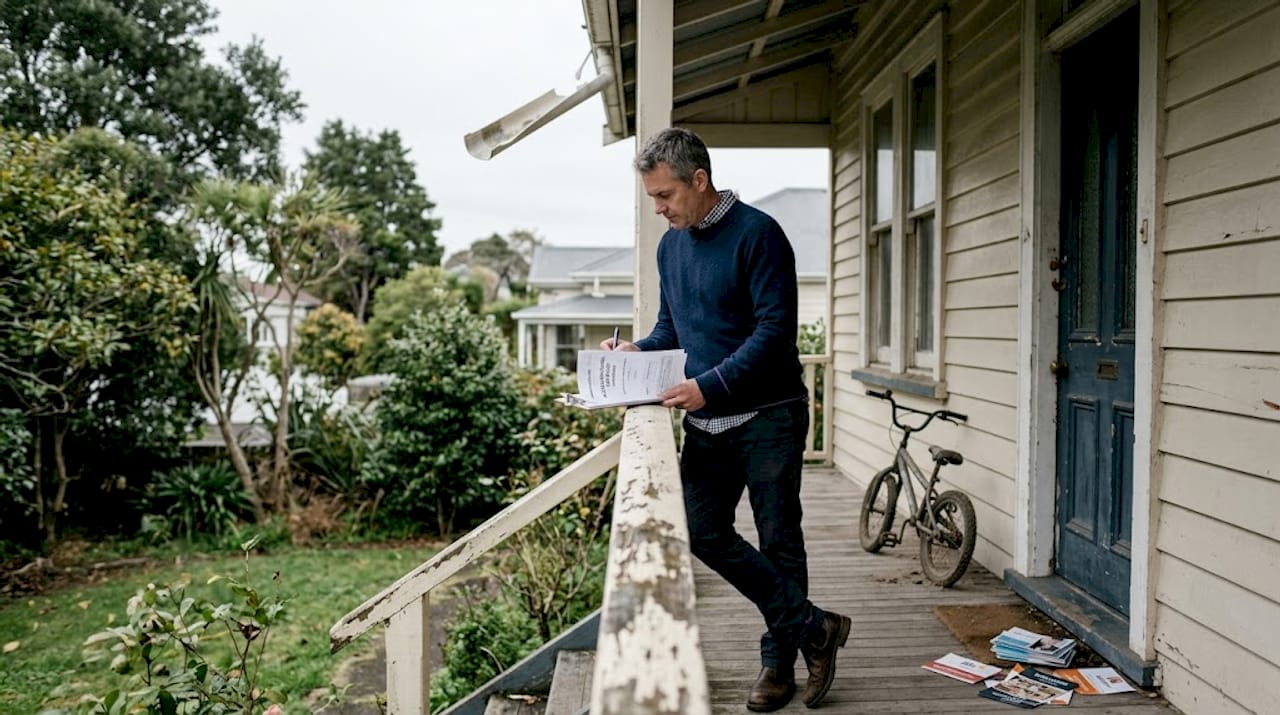
As-is where-is is a term used when a property is sold in its current condition, with no repairs, no guarantees, and no open homes. The buyer accepts the property exactly as it stands. Cash buyers and as-is sales allow fast, repair-free transactions that are essential for financially distressed or disaster-affected homeowners.
This approach suits a specific group of sellers well: those dealing with storm or earthquake damage, uninsured properties, deceased estates, or anyone who simply cannot afford the time or cost of renovation before selling. The trade-off is real. You will likely receive a lower price than a fully prepared home on the open market. But what you gain is certainty, speed, and zero upfront cost.
Here’s how an as-is sale typically works:
- Contact a cash buyer with your property details, including its current condition
- Receive an offer within 24 to 48 hours, with no obligation to accept
- Review and accept the offer with the help of your solicitor
- Settle on your timeline, which can be as fast as 7 days
For homeowners selling any condition of property, this route removes the stress of renovation decisions entirely.
Pro Tip: Before contacting a cash buyer, gather your LIM (Land Information Memorandum) report and property file from your local council. Having these ready upfront speeds up due diligence and avoids delays in the offer process.
The 24 to 48 hour offer window and 7-day settlement option are genuinely available through reputable direct buyers. For homeowners under serious time pressure, that kind of certainty is worth more than a slightly higher price that takes months to materialise.
Myth 3: Pricing high, skipping prep, and timing don’t matter
Smart sellers know that timing, pricing, and a little prep can make or break the sale, even in tough situations. The myth that you can simply set a price and wait, regardless of market conditions, leads to costly delays.
Realistic pricing starts with comparable sales. Tools like Trade Me Insights and Stats NZ data give you a clear picture of what similar homes in your area have sold for recently. Using comparables and minor staging delivers faster results and higher prices, while overpricing leads to extended time on market and eventual price reductions that signal desperation to buyers.
Timing also plays a real role. Spring and early summer tend to attract more buyers in New Zealand, while mid-winter listings often sit longer.
Seasonal impact on NZ property sales:
| Season | Buyer activity | Average days on market | Price impact |
|---|---|---|---|
| Spring (Sep-Nov) | High | Shorter | Positive |
| Summer (Dec-Feb) | Moderate | Variable | Neutral |
| Autumn (Mar-May) | Moderate | Average | Neutral |
| Winter (Jun-Aug) | Low | Longer | Negative |
For sellers who need to move fast, our tips for fast property sale cover practical steps to reduce time on market without heavy spending. The quick sale guide also outlines a clear action plan for urgent situations.
Common mistakes when selling under pressure:
- Overpricing based on hope rather than comparable sales
- Listing with poor photos or minimal description
- Ignoring basic cleaning and decluttering before viewings
- Skipping legal preparation, such as having your sale and purchase agreement ready
- Failing to disclose known issues, which can cause deals to fall over at due diligence
Pro Tip: You don’t need a full renovation to make a strong impression. Focus on clean windows, tidy gardens, and a freshly cleaned interior. These low-cost steps make a measurable difference in buyer perception and can shorten your time on market significantly.
Myth 4: All agents are the same, and prep doesn’t help
A final myth: that all agents offer the same results, or that prep doesn’t matter if you’re selling fast or as-is. Both assumptions can cost you.
Agent quality varies enormously. An experienced agent with a strong local track record will negotiate harder, market more effectively, and close deals that a less experienced agent might lose. If you choose the agent route, interview at least two or three candidates, ask for recent comparable sales they’ve handled, and check their reviews. Unprepared homes linger on the market or attract low-ball offers, even for private sellers who think skipping prep saves time.
The same principle applies even if you’re selling directly to a cash buyer. Basic preparation signals that you’re a serious, organised seller and makes the due diligence process smoother for everyone.
Core actions for the best result, regardless of method:
- Clean and declutter every room, including storage areas
- Gather key documents: title, LIM, council consents, insurance history
- Fix obvious minor issues like dripping taps or broken light fittings
- Be transparent about any known defects or damage
- Set a realistic price based on current market data
- Respond promptly to enquiries and offers
For a broader look at simplifying home selling in New Zealand, there are practical frameworks that work across all sale methods.
“Even buyers purchasing ‘as-is’ want to feel confident about what they’re getting. A clean, well-documented property, even a damaged one, signals honesty and speeds up the process for everyone involved.”
Private sellers who skip preparation often underestimate how much it affects buyer confidence. A low-ball offer isn’t always about the buyer being opportunistic. Sometimes it reflects genuine uncertainty about what they’re taking on.
A hard truth: Fast isn’t always fair (but it can be smart)
So, what’s the real story for homeowners who need to decide now? Here it is plainly: not every situation allows time to chase the top price. Sometimes certainty and speed are worth more than extra dollars, and recognising that is a sign of clear thinking, not desperation.
Consider a homeowner dealing with earthquake or storm damage on an uninsured property, or someone facing a tight settlement deadline due to relationship breakdown or financial hardship. Waiting three months for the right buyer on the open market isn’t always an option. In those cases, a direct cash offer at a modest discount can be the most rational financial decision available.
But speed should never mean skipping due diligence. Always use a solicitor to review any sale and purchase agreement. Get your LIM. Know what your property is worth before you accept any offer. Our step-by-step fast selling resource outlines exactly how to move quickly without cutting corners that matter.
The empowered seller is not the one who moves fastest or holds out longest. It’s the one who weighs all available options clearly and chooses the path that fits their actual circumstances.
Looking for a stress-free, fast home sale?
If these myths sound familiar and you need options now, here’s a better way. At easySale.co.nz, we buy homes across New Zealand in any condition, with no agents, no commissions, and no pressure to repair or stage anything.
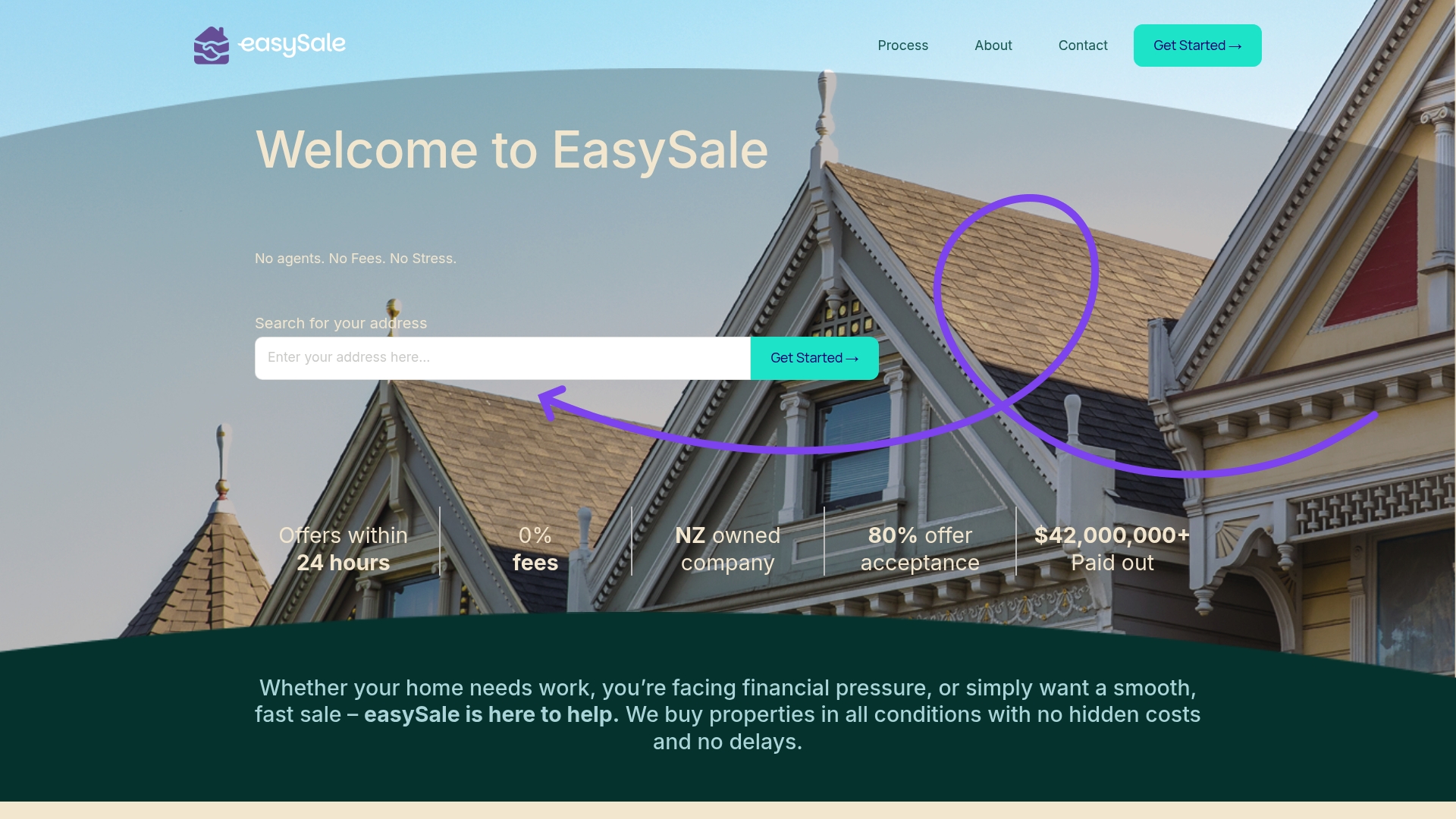
Whether you’re looking to sell your house privately or need a cash offer for damaged property, we can provide a fair, no-obligation offer within 24 to 48 hours. Settlement happens on your timeline, whether that’s 7 days or 7 weeks. There are no hidden fees, no open homes, and no drawn-out negotiations. Just a straightforward process designed around your needs. Get in touch today for a confidential, no-pressure conversation about your options.
Frequently asked questions
What is an ‘as-is where-is’ sale in New Zealand?
An ‘as-is where-is’ sale means you sell your home in its current condition, with no repairs or guarantees, often direct to a cash buyer. This approach is particularly useful for damaged or distressed homes where traditional listing isn’t practical.
How fast can you sell a house privately or directly to a cash buyer?
Cash buyers can often make an offer within 24 to 48 hours and complete settlement in as little as 7 days, making it the fastest available option for urgent sellers.
Is private selling really cheaper after you factor in lower sale prices?
Private sales avoid commission, but lower median prices and longer time on market often mean the overall financial outcome is worse than using an experienced agent.
Do you have to repair or stage a home to sell fast in NZ?
No. Cash buyers and investors purchase homes ‘as-is’ quickly, saving you the cost and hassle of repairs, renovations, or staging before sale.
Recommended
