
Home staging checklist for sellers: maximise your sale price
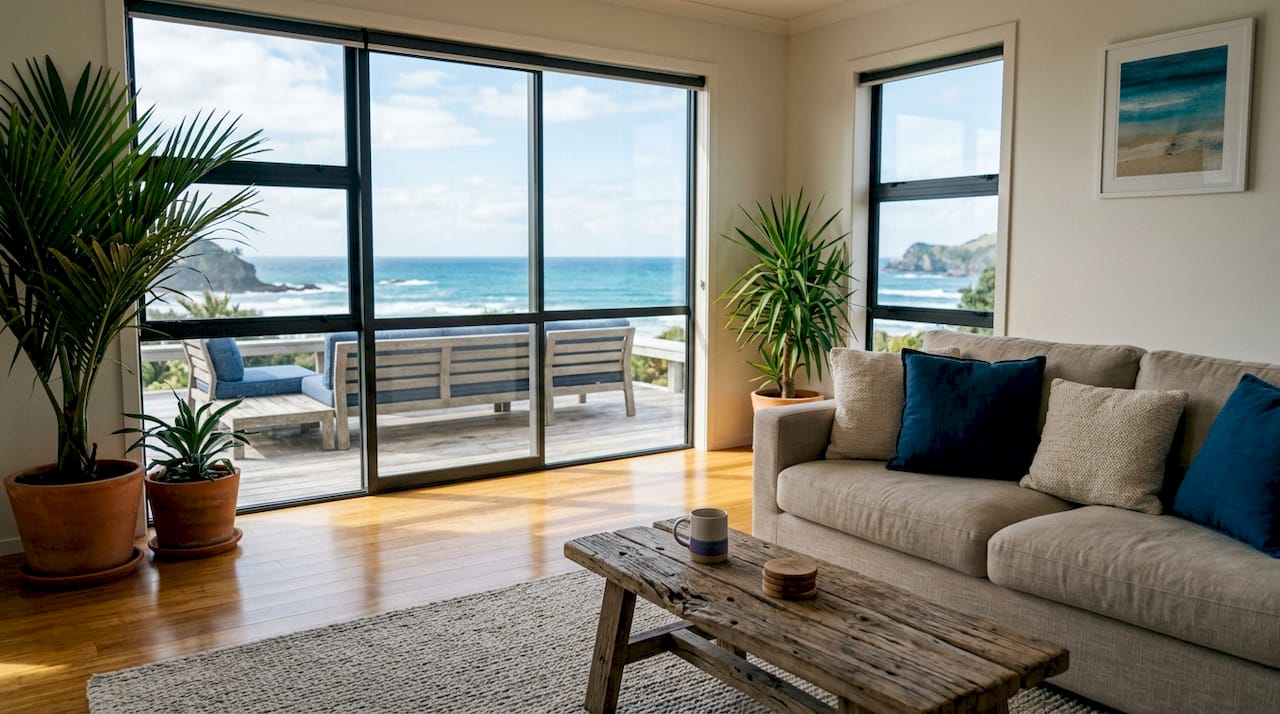
TL;DR:A home staging checklist helps sellers prepare properties by decluttering, cleaning, and enhancing curb appeal. Staged homes in New Zealand sell faster, for higher prices, and offer significant return on investment. Following a detailed plan ensures each space appeals to buyers’ emotions, increasing the likelihood of a successful sale.
A home staging checklist for sellers is a systematic tool that prepares your property for sale by focusing on decluttering, deep cleaning, neutral styling, and curb appeal. Staged homes in New Zealand typically sell 30–50% faster and fetch 5–15% higher prices, generating a return on investment of 5 to 10 times staging costs. That kind of result does not happen by accident. It comes from working through a clear, room-by-room checklist that leaves nothing to chance. With 93% of Kiwi buyers starting their property search online, your listing photos are your first and most powerful sales tool.
1. What areas does a home staging checklist for sellers cover?
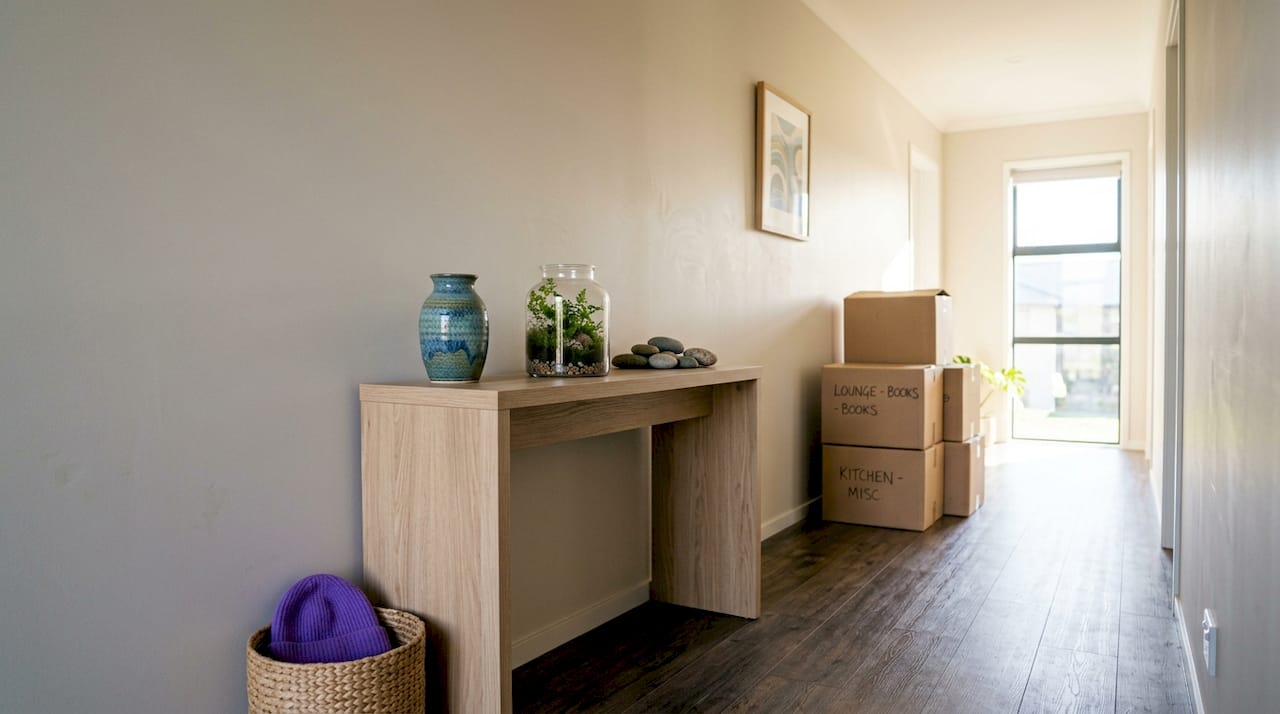
A solid staging checklist covers every part of your home, from the front gate to the back fence. Buyers form an impression within seconds of walking through the door, so no room gets a pass. The checklist below gives you a structured starting point.
Whole home:
- Remove at least 40% of visible belongings to create a sense of space
- Depersonalise by packing away family photos, niche hobby items, and political books
- Deep clean every room, including skirting boards, light switches, and ceiling fans
- Replace blown globes and update dated light fittings where budget allows
Kitchen and bathrooms:
- Clear bench tops and vanities down to one or two quality items
- Scrub grout, polish taps, and replace worn towels with fresh white ones
- Fix dripping taps and sticky cupboard doors before the first open home
Living areas and bedrooms:
- Arrange furniture to highlight flow and make rooms feel larger
- Use neutral bedding, cushions, and throws in linen or cotton textures
- Remove excess furniture so buyers can picture their own belongings in the space
Outdoors:
- Mow lawns, trim hedges, and weed garden beds
- Add fresh mulch to garden borders for a tidy, finished look
- Clean the driveway, repaint the letterbox, and wash exterior windows
Pro Tip: Walk through your home as a buyer would. Start at the footpath and note every detail that catches your eye, positive or negative. That honest audit shapes your checklist priorities.
2. How to declutter and depersonalise your home for staging
Decluttering is the single most impactful step in any staging preparation. Clutter signals poor storage and maintenance to buyers, even when the rest of the home is well presented. Removing excess items costs you nothing but time, yet it transforms how a space feels.
The most effective system is the Three-Box Rule: label three boxes as Keep, Donate, and Sell or Dump. Work through every room methodically. If you have not used an item in the past six months, it belongs in the Donate or Sell box.
Follow these steps in order:
- Start with the kitchen. Clear the bench top completely, then return only one or two quality items such as a coffee machine or a small fruit bowl. Pack everything else into boxes.
- Move to the bathrooms. Remove personal grooming products, medications, and excess toiletries. Leave one quality hand wash and a folded towel on the vanity.
- Tackle the living areas. Remove family photos, children’s artwork, and any collections that reflect specific tastes. Buyers need to picture their own life in the space.
- Sort the bedrooms. Clear wardrobes to roughly half capacity. Buyers open wardrobe doors, and a half-full wardrobe signals generous storage.
- Address the garage and laundry. These spaces are often overlooked. Stack boxes neatly or arrange off-site storage to show the full floor area.
Renting a storage unit for four to six weeks is a practical solution for excess furniture and boxes. The cost is modest compared to the price lift a decluttered home achieves.
Pro Tip: Aim to remove at least 40% of visible belongings from every room. If the space still feels full after your first pass, keep going.
3. What cleaning and maintenance tasks make the biggest difference?
Deep cleaning is non-negotiable before any open home. Window cleaning alone boosts natural light by up to 20%, making small rooms feel larger and fresher. That is a significant gain for zero renovation cost.
High-priority cleaning tasks:
- Wash all windows inside and out, including tracks and frames
- Steam clean carpets or hire a professional carpet cleaner
- Scrub kitchen appliances, including the oven interior and rangehood filter
- Regrout or bleach bathroom tiles and polish all chrome fittings
- Wipe down walls, doors, and skirting boards throughout
Maintenance repairs that remove buyer objections:
- Fix chipped or peeling paint on walls, trims, and ceilings
- Repair leaky taps, running toilets, and dripping showerheads
- Replace cracked tiles and re-seal gaps around baths and basins
- Adjust sticky doors and drawers so they open and close smoothly
- Patch any holes in walls left by picture hooks or shelving
Outdoors, add fresh mulch to garden beds and trim back overgrown shrubs. A tidy garden signals that the whole property has been well maintained. Buyers draw conclusions about the unseen parts of a home based on what they can see.
Pro Tip: Book a professional deep clean at least three days before photography. Cleaners reach areas you overlook, and the result shows clearly in listing photos.
4. What styling and furniture tips maximise buyer appeal?
Styling creates the emotional response that converts interest into offers. The goal is a neutral, aspirational space where buyers can picture their own life, not yours. Home staging’s true value lies in creating a blank canvas that lets buyers project their lifestyle onto the property.
Colour and texture:
- Use neutral wall colours such as Alabaster or Half Tea, which are popular with Kiwi buyers
- Add warmth through textures like linen cushions, chunky knit throws, and woven baskets
- Avoid bold feature walls or heavily patterned soft furnishings that polarise buyers
Furniture and layout:
- Remove at least one piece of furniture from each room to improve flow
- Float furniture away from walls to create a sense of depth and conversation areas
- Use rugs to define zones in open-plan spaces
Lighting:
- Combine ambient lighting (ceiling fixtures), task lighting (desk or bench lamps), and accent lighting (floor lamps or wall sconces) for depth
- Replace cool fluorescent globes with warm white LED bulbs throughout
- Open all curtains and blinds before every viewing to maximise natural light
Scent:
- Avoid heavy plug-in air fresheners or scented candles during open homes
- Opt for subtle, natural aromas such as fresh linen or a light citrus scent
- Ensure the home is well ventilated before buyers arrive
“Buyers decide emotionally and justify rationally. A well-styled home gives them the emotional ‘yes’ before they have even checked the price guide. Neutral colours and quality textures do that work quietly, without drawing attention to themselves.”
You can also review recent sold properties in your area to see how comparable homes were presented and what styling choices appeared in their listing photos.
5. How to time and budget your staging process
Timing your staging correctly protects your investment. Contact staging companies at least two weeks before your listing goes live. That window allows time for a consultation, furniture selection, delivery, and setup before photography day.
Physical staging for an average three-bedroom home takes 4–5 hours on site. A standard hire period covers five weeks, which is enough for photography, open homes, and negotiations.
| Staging option | Typical cost (NZD) | Best suited for |
|---|---|---|
| Professional full staging | $2,000–$5,000 | Vacant homes or properties needing full furniture |
| Partial styling (accessories only) | $500–$1,500 | Furnished homes needing a refresh |
| Virtual staging (per image) | ~$35 per image | Online listings where physical staging is not viable |
| DIY staging | Cost of consumables | Sellers with time and an eye for presentation |
Professional staging ROI almost always exceeds the cost. A home that sits on the market for an extra four weeks often faces price reductions that far outstrip any staging fee. Staging fees also include insurance on rented furniture, so there are no unexpected costs if an item is damaged during a viewing.
Virtual staging is worth considering for investment properties or homes where the seller has already vacated. At around $35 NZD per image, it is a fraction of the cost of physical staging and still produces professional listing photos. Before committing to any option, a free home valuation gives you a clear baseline to measure your staging investment against your expected sale price.
Key takeaways
Staged homes sell faster and for more money because they give buyers a clear, aspirational picture of the life they could live in the property.
| Point | Details |
|---|---|
| Staging delivers strong ROI | NZ staged homes sell 30–50% faster and achieve 5–15% higher prices than unstaged properties. |
| Decluttering is the top priority | Remove at least 40% of visible belongings using the Three-Box Rule before any other styling work. |
| Cleaning boosts light and appeal | Window cleaning alone increases natural light by up to 20%, making rooms feel larger at no renovation cost. |
| Timing matters | Contact staging companies at least two weeks before listing to allow for setup and photography. |
| Budget to your situation | Professional staging costs $2,000–$5,000; virtual staging at ~$35 per image suits tighter budgets. |
Aaron’s take: why the checklist approach changes everything
Most sellers underestimate how much work goes into presenting a home well. They tidy up, maybe buy some fresh flowers, and call it done. The checklist approach is different because it forces you to look at every room with a buyer’s eyes, not an owner’s eyes.
The sellers I have seen get the best results are the ones who treat decluttering as a genuine priority, not an afterthought. Removing personal items feels uncomfortable at first. Your home starts to feel less like yours. That is exactly the point. Buyers cannot picture themselves in a space that is full of someone else’s life.
Neutral styling and good lighting do the heavy lifting once the clutter is gone. You do not need expensive furniture or a complete renovation. A fresh coat of paint in Alabaster, clean windows, and a few quality textiles in linen or cotton will outperform a kitchen renovation in terms of return on effort.
Professional staging is worth the investment for most sellers, particularly those with vacant properties. The cost is modest against the price protection it provides. A home that sells in week two at asking price beats a home that sells in week eight at a reduced price, every time. If you are weighing up whether to stage, run the numbers on what a 5% price reduction would cost you. That figure usually answers the question.
— Aaron
Selling your home? Easysale makes it straightforward
Staging your home well takes time, effort, and a clear plan. For sellers who want to maximise their sale price through the traditional market, the checklist above gives you a proven framework to follow. For sellers who need a faster path, Easysale offers a direct alternative.
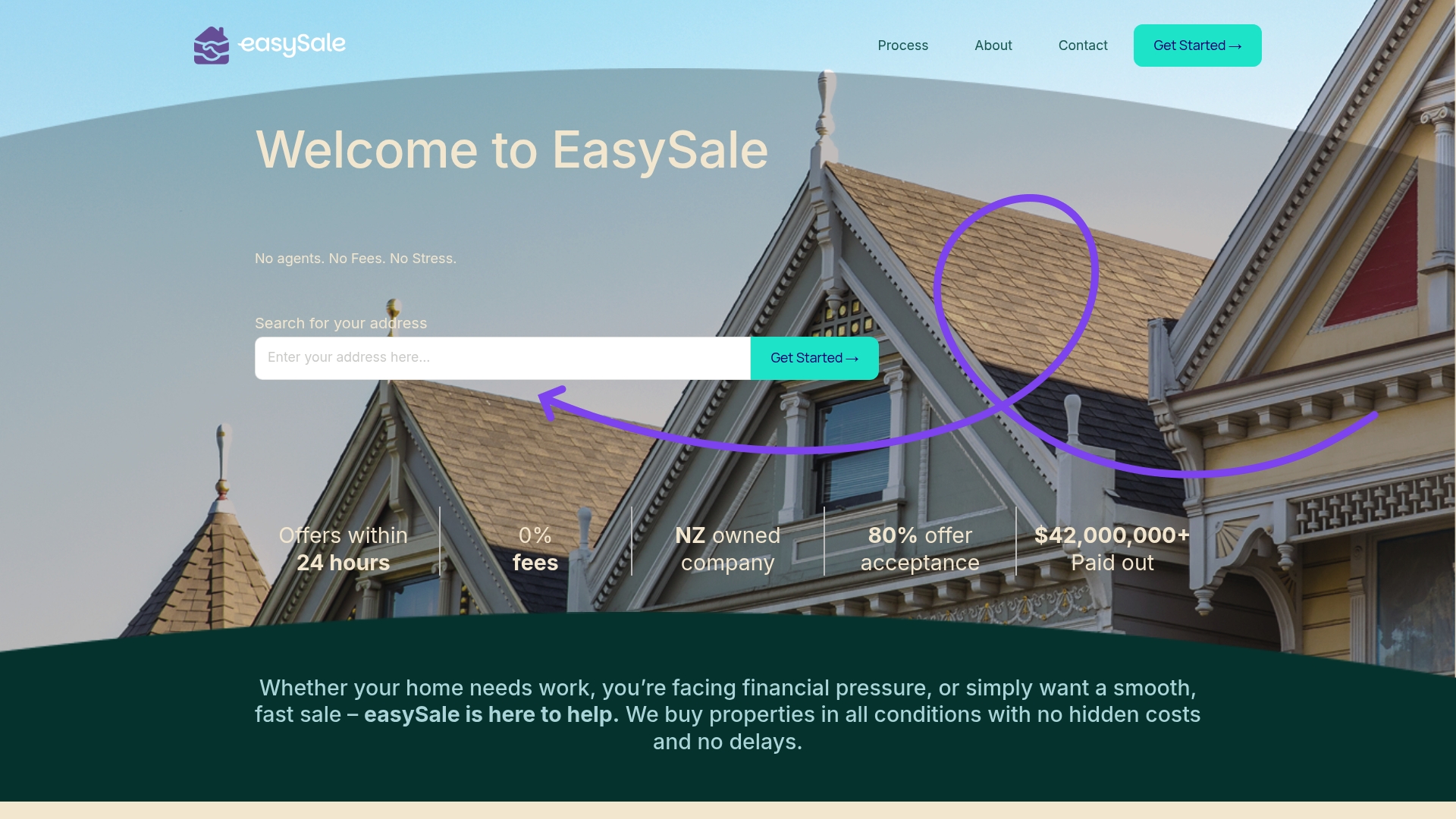
Easysale buys properties across New Zealand directly, with no agent fees, no commission, and no open homes to prepare for. You submit your property details, receive a fair cash offer within 24 hours, and settle on a timeline that suits you. Whether your home is fully staged or sold as-is, Easysale works around your situation. If you want to sell your house privately and skip the staging process entirely, Easysale is worth a conversation. You can also explore fast sale upgrades if you want to lift your property’s value before going to market.
FAQ
How much does home staging cost in New Zealand?
Professional full staging for a three-bedroom home costs $2,000–$5,000 for a five-week hire period. Virtual staging is available at around $35 NZD per image for online listings.
How long before listing should I start staging?
Contact a staging company at least two weeks before your listing goes live. That allows time for consultation, furniture selection, delivery, and setup before photography.
Does staging actually increase sale price?
Staged homes in New Zealand typically achieve 5–15% higher sale prices than unstaged properties. The return on investment is generally 5 to 10 times the staging cost.
What is the most important staging task for sellers?
Decluttering is the single most impactful step. Removing at least 40% of visible belongings creates a sense of space and allows buyers to picture their own belongings in the home.
Can I stage my home myself without a professional?
DIY staging is effective when you focus on decluttering, deep cleaning, neutral styling, and good lighting. For vacant properties or premium listings, professional staging typically delivers a stronger result.
Recommended
