
Privacy tips when selling property in New Zealand
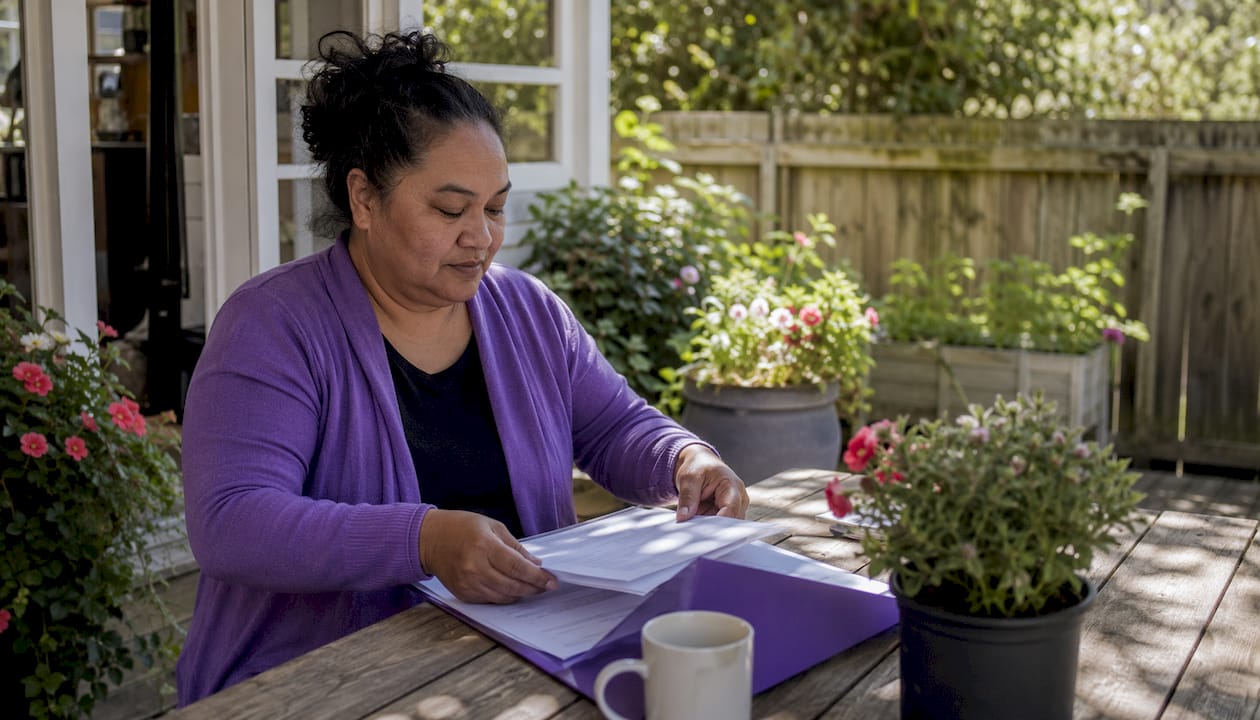
Protecting your personal information and belongings while selling your home takes more planning than most Kiwis expect. Before the first open home, you need to remove sensitive documents, secure valuables off-site, and set clear boundaries with your agent. Over a third of New Zealand sellers Now, over a third of New Zealand property sellers prefer private or off-market sales specifically to limit public exposure and maintain discretion.
Here are the most important steps to protect your privacy when selling:
- Remove passports, bank statements, and credit card receipts from the property entirely, not just into a drawer
- Store valuables, jewellery, and prescription medications off-site before any viewing
- Disable or reset smart home access codes and digital devices before listing
- Limit viewings to scheduled, supervised appointments where possible
- Ask your agent about a sign-in register for open home visitors
- Communicate your privacy expectations to your agent in writing before marketing begins
- Share only the personal information legally required during the sale process
- Understand what you must legally disclose to buyers under New Zealand law
How to secure your personal information and belongings before listing
The biggest privacy risk during a property sale is one most sellers overlook: the documents and devices sitting in plain sight around the home.
Settled.govt.nz advises that sellers must remove all sensitive personal documents from the property during open homes, including passports, bank statements, and credit card receipts. Tucking them into a sock drawer or under the bed is not enough. Store them off-site entirely.
- Personal documents: Take passports, IRD correspondence, bank statements, and any mail with your full name and address completely off the property before viewings begin.
- Valuables and medications: Jewellery, small electronics, and prescription medications should leave the house with you. Common hiding spots are the first places checked during open homes.
- Digital devices: Password-protect all computers and switch them off. USB drives and external hard drives need secure off-site storage too.
- Smart home systems: Reset alarm codes, garage door codes, and any digital access devices before your first viewing. Smart home devices should be fully cleared of personal codes before settlement to prevent post-sale breaches.
- Property documents: Organise essential paperwork such as LIM reports and title documents on an encrypted drive or secure cloud storage, so you can share them with vetted buyers without handing over physical copies.
- Written agreement with your agent: A clear written privacy agreement with your real estate agent helps avoid misunderstandings about marketing practices like letterbox drops or social media posts.
- Confidentiality agreements: For high-value or sensitive sales, consider asking buyers to sign a non-disclosure agreement before viewing the property. Confidentiality clauses can also be negotiated into your listing agreement to restrict how widely your details are publicised.
Pro Tip: Treat your home like a public space the moment it goes on the market. If something can be pocketed or photographed, it needs to go.
Managing property viewings safely and with confidence
How you run viewings has a direct impact on both your security and your privacy. Appointment-only viewings give you far more control than open homes, and many agents will accommodate this if you ask.
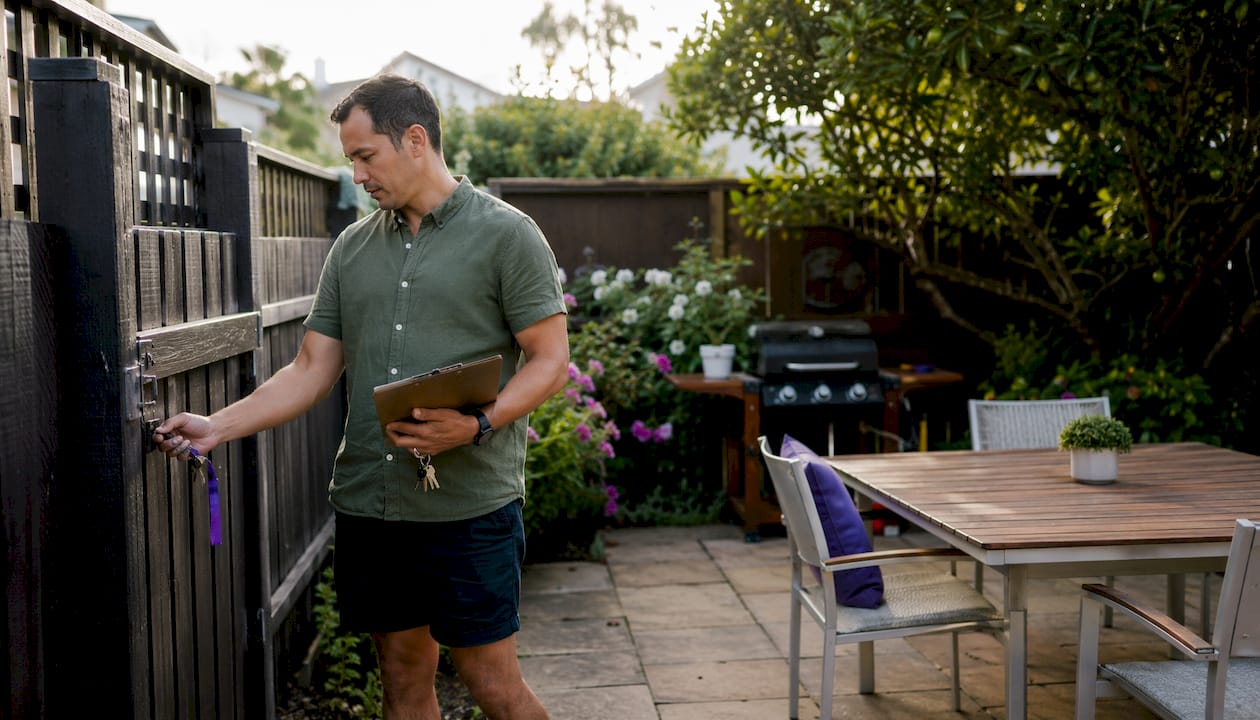
- Supervised appointments: Ask your agent to show the property by appointment only if open homes make you uncomfortable. Settled.govt.nz confirms sellers can request this arrangement even when working with an agent.
- Sign-in register: Ask your agent whether visitors will be required to provide their name and contact details on arrival. This basic step discourages opportunistic behaviour.
- Two agents on-site: For larger or multi-storey homes, request that a second agent be present during open homes to monitor different areas of the property.
- Screening buyers: Where possible, ask your agent to pre-qualify prospective buyers before granting access. This reduces the number of unserious visitors walking through your home.
- Photography and recording: Politely but clearly inform visitors that unapproved photography or video recording is not permitted. Your agent can communicate this at the door before anyone enters.
- Alarm and security systems: Keep your security system active and adjusted during viewings. Do not leave alarm codes written down anywhere in the house, and never leave a key under the doormat.
- Lockboxes: Electronic lockboxes offer controlled key access for agents, but choose a model with an audit trail so you know exactly when and by whom the property was accessed.
Some insurance policies won’t cover theft during open homes, so contact your insurer before your first viewing and confirm your coverage. That’s a practical step many sellers skip until it’s too late.
What New Zealand law requires you to disclose when selling
Privacy during a property sale has real limits under New Zealand law, and understanding those limits protects you from legal risk just as much as it protects your personal information.
- Mandatory disclosure: Sellers are legally required to disclose known defects including weather-tightness issues, boundary disputes, unconsented alterations, and the impact of proposed developments. Failing to disclose can result in the sale collapsing or the buyer taking legal action.
- Agent obligations override confidentiality: If your agent knows about a property issue, they are bound by their Code of Conduct to disclose it to buyers. Asking them to stay silent means they must stop acting for you.
- Privacy Act 2020: Under New Zealand’s Privacy Act 2020, information linked to an identifiable individual in a property transaction is personal information and carries specific legal protections. You have the right to request access to, and correction of, any personal data held by your agent.
- AML/CFT Act identity verification: Identity verification is required under the Anti-Money Laundering and Countering Financing of Terrorism Act 2009 for all property sales. Your agent, lawyer, or conveyancer will ask for primary photo ID such as a passport or firearms licence, or a New Zealand driver’s licence supported by a bank card or IRD letter.
- Selling on someone else’s behalf: If you’re selling a property for another person, identity verification requirements apply to you as well as the owner.
- Legal advice: Engage a property lawyer or conveyancer early. They handle confidential document preparation, hold deposits in trust, and confirm your obligations before you sign anything.
Know the line: You don’t need to advertise known issues, but buyers who have indicated interest in making an offer must be told. Honesty protects you legally and keeps the sale on track.
Tools and services that support a more private property sale
Beyond the practical steps above, there are services and approaches that give New Zealand sellers greater control over who knows about their sale and how their information is handled.
- Off-market and private sales: Private sales give sellers greater control over who knows about the transaction, reducing public exposure compared to standard listings. No signboard, no open homes, no public advertising.
- Direct cash buyers: Platforms like Easysale allow you to receive a fast, fair cash offer without agent commissions, public listings, or strangers walking through your home. The process is direct, discreet, and settled on your timeline.
- Encrypted document sharing: Use encrypted cloud storage or secure file-sharing tools to send property documents to vetted buyers, rather than emailing unprotected PDFs.
- Confidential communication channels: Request that your agent or buyer’s representative communicate through secure channels and avoid discussing sale details in public forums or social media.
- Trusted legal professionals: Your lawyer or conveyancer is bound by professional confidentiality obligations. Letting them handle document preparation and identity verification keeps sensitive information out of unnecessary hands.
- Smart home reset post-sale: Before settlement, ensure all smart locks, security cameras, alarm systems, and digital assistants are fully reset and cleared of your personal access codes and data.
For sellers who want to sell without public exposure, a direct cash offer through Easysale removes the need for open homes, agent commissions, and public listings entirely. You can also review a cash home buyers guide to understand what to expect from the process before you commit.
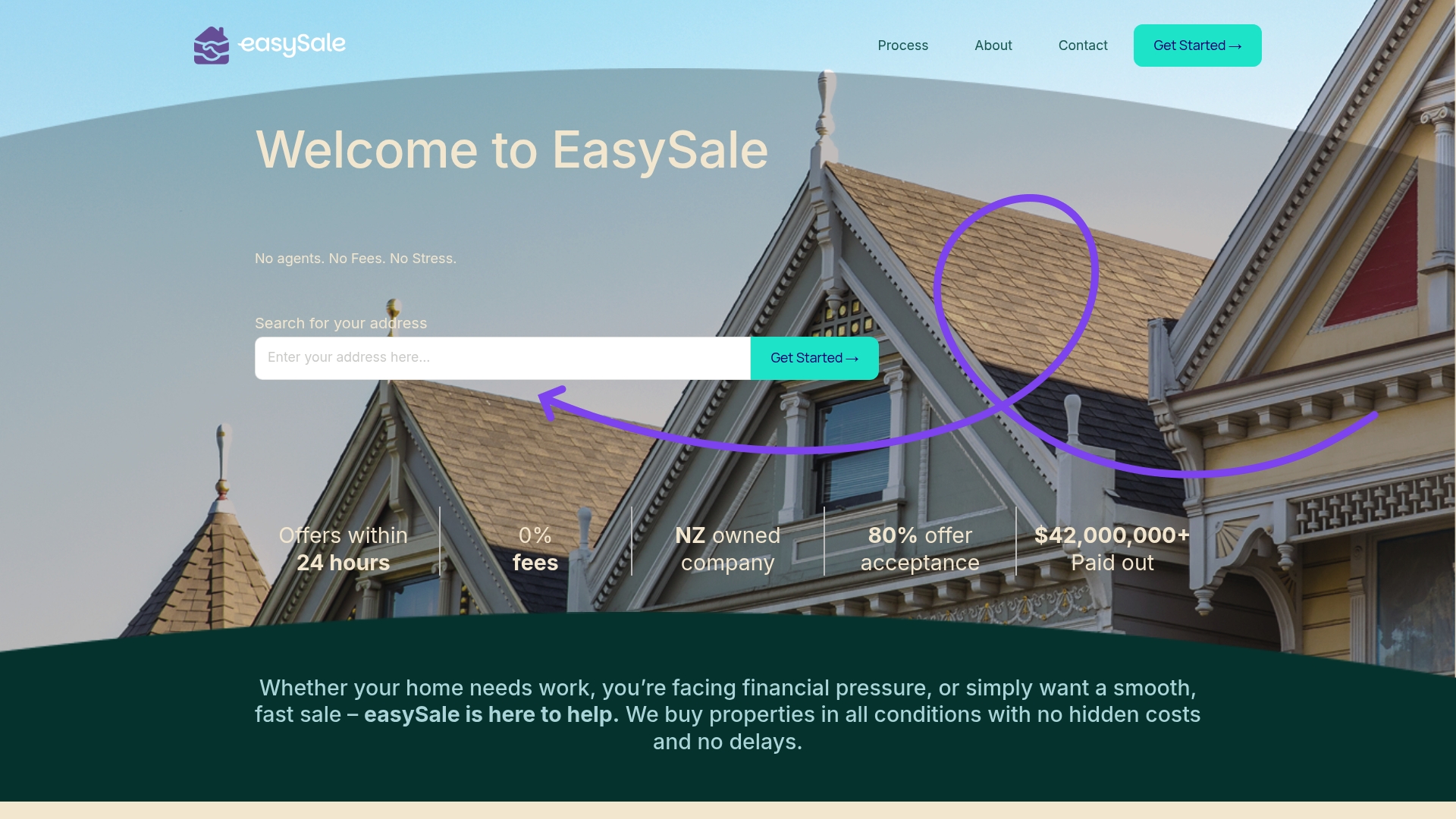
Ready to sell privately and securely? Easysale makes it straightforward. Submit your property details, receive a no-obligation cash offer, and settle on your terms, with no open homes and no agent fees.
Key takeaways
Protecting your privacy when selling property in New Zealand requires removing personal documents, controlling viewings, understanding your legal disclosure obligations, and choosing a sale method that limits unnecessary public exposure.
| Point | Details |
|---|---|
| Remove documents before viewings | Store passports, bank statements, and credit card receipts off-site, not in drawers. |
| Secure valuables and medications | Take jewellery, small electronics, and prescriptions off the property before any open home. |
| Know your disclosure obligations | New Zealand law requires you to disclose known defects; your agent cannot hide material issues on your behalf. |
| Reset digital access before settlement | Clear all smart home codes, alarm systems, and digital devices before the sale completes. |
| Consider a private or off-market sale | Over a third of New Zealand property sellers now prefer private or off-market sales to limit public exposure and maintain discretion. |
Recommended
