
Reasons to sell damaged property in New Zealand
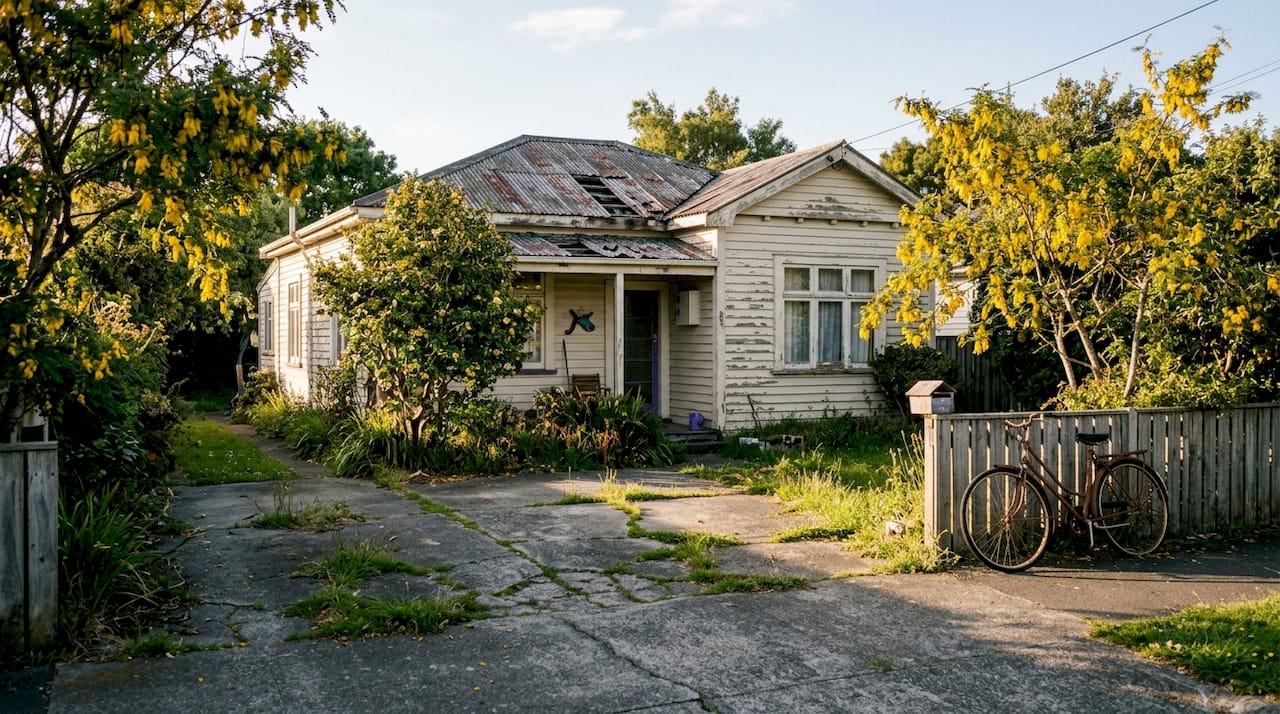
TL;DR:Selling damaged properties quickly often avoids mounting holding costs and reduces financial losses.Cash buyers expedite sales and remove financing obstacles, making them the best choice for distressed homes.
Selling a damaged property is defined as the deliberate choice to transfer ownership of a home in its current condition, without completing repairs first. The reasons to sell damaged property are largely financial: holding costs accumulate, buyer pools shrink, and repair bills often exceed the value they add. For New Zealand homeowners facing storm damage, fire, structural failure, or years of deferred maintenance, a fast sale to the right buyer is frequently the most financially sound decision available.
1. How damage type and severity affect your property value
Damage falls into three broad categories, and each one carries a predictable discount to market value. Cosmetic damage reduces value by 5–10%, major system failures by 10–20%, and structural damage by 20–35%, with fire damage causing up to 50% devaluation relative to comparable updated homes. Knowing where your property sits on that scale is the starting point for every decision that follows.

The category of damage also determines who can buy your home. Mortgage lenders require damaged properties to be habitable and insurable before approving finance. Structural damage effectively removes financed buyers from the equation entirely, leaving only cash investors as realistic purchasers.
| Damage category | Value reduction | Buyer pool |
|---|---|---|
| Cosmetic (paint, carpet, fixtures) | 5–10% | Broad, includes financed buyers |
| Major system failures (roof, plumbing, electrical) | 10–20% | Narrowed, some lenders decline |
| Structural damage | 20–35% | Cash buyers only |
| Fire damage | Up to 50% | Cash buyers only |
- Cosmetic issues are the easiest to price around and attract the widest buyer pool.
- Major system failures trigger lender inspections that frequently result in declined applications.
- Structural problems and fire damage restrict you almost entirely to cash investors.
Pro Tip: Get a registered valuer’s report that specifically notes the damage category. This document gives cash buyers confidence and speeds up their offer process considerably.
2. The compounding cost of holding onto a damaged home
Every week a damaged property sits unsold, it costs you money. Holding costs persist regardless of whether the property is occupied or generating income. Council rates, insurance premiums, and basic maintenance liabilities continue to accumulate even when the home is uninhabitable.
The financial pressure compounds quickly. A property with a leaking roof that costs $800 per month in rates and insurance will cost you nearly $10,000 over a year, before a single repair is made. If the roof deteriorates further during that time, the repair bill grows too.
- Council rates are charged on the land and improvements regardless of condition.
- Insurance premiums often increase after a claim or when a property sits vacant.
- Maintenance liability grows when minor damage is left unaddressed.
- Lost rental income is a real cost if the property was previously tenanted.
Repairing major damage plus carrying costs often exceeds the potential post-restoration home value. That is the point at which selling as-is stops being a compromise and becomes the financially correct move.
Key insight: The primary motivation for quick sales is to stop compounding financial losses. Waiting for repairs often worsens the owner’s position, not improves it.
3. Why cash buyers are the right fit for damaged homes
Cash buyers close faster than any other buyer type. Selling to cash buyers shortens closing times to as little as 7–14 days, compared to the 6–9 months typically required for rebuilding or completing a conventional sale. That speed is not just convenient. It directly reduces the holding costs described above.
Cash buyers also remove the financing obstacle entirely. There is no lender to satisfy, no building inspection required by a bank, and no risk of a sale falling through because a valuer flagged structural concerns. The benefits of selling in disrepair are clearest when you compare the certainty of a cash offer against the uncertainty of a conditional sale that could collapse at any point.
Pro Tip: When approaching cash buyers, have your damage documentation ready upfront. Photos, council records, and any existing repair quotes reduce back-and-forth and help buyers move faster.
The practical advantages of a cash sale include:
- No lender approval delays or declined finance conditions.
- No requirement to complete repairs before settlement.
- Fewer contingencies in the sale agreement.
- A fixed settlement date you can plan around.
4. Stopping the financial bleed before it gets worse
Damaged properties do not stabilise on their own. A small roof leak becomes a ceiling collapse. Unconsented work flagged by a council inspector can trigger compliance orders that freeze a sale entirely. Natural hazard risks and unconsented work complicate insurance and lender approvals, motivating owners to seek faster, simpler sales before the situation escalates.
The financial logic is straightforward. If your property is worth $600,000 in good condition but has sustained $120,000 in structural damage, you are already looking at a realistic market value of $400,000 or less. Every month you delay, rates and insurance eat further into that figure. Selling quickly locks in your net proceeds before they erode further.
Sellers who act decisively protect their equity. Those who wait, hoping the market will compensate for the damage, typically find the opposite is true.
5. Common misconceptions about selling a damaged home
Damage does not make a property unsellable. It changes the buyer type and the price, but a market exists for every condition of property. The misconception that a damaged home must be repaired before it can be sold leads many owners to spend money they will never recover.
Sellers who price upfront to reflect damage attract the right buyers quickly and avoid longer market exposure and lower appraisal values. Mispricing a damaged home creates prolonged listings, which signal problems to buyers and result in even lower offers over time.
“Emotional stress and logistic burdens of managing repairs often lead to longer time on market and lower net proceeds. Selling as-is avoids these hurdles entirely.”
Emotional attachment is the other major barrier. Many homeowners delay selling because the property holds personal significance. That attachment is understandable, but it carries a real financial cost. Many sellers underestimate the emotional strain and logistical complexity of repairs, making an as-is sale a simpler, less stressful path forward.
6. Practical steps for selling a damaged property fast in New Zealand
A fast, clean sale of a damaged home follows a clear process. Skipping steps creates delays and reduces your final proceeds.
- Assess the damage accurately. Commission a building inspection or registered valuation that documents the damage category and estimated repair costs. This gives you a realistic price anchor.
- Disclose everything. Full transparency with buyers is both a legal obligation and a practical advantage. Buyers who know the full picture upfront are far less likely to renegotiate or withdraw.
- Set a realistic asking price from day one. Pricing damaged property realistically upfront avoids listing stagnation and attracts suitable buyers. A price that reflects the damage signals honesty and attracts serious offers.
- Target cash buyers directly. List through channels that reach property investors and cash buyers. Traditional open homes attract financed buyers who cannot proceed with heavily damaged properties.
- Use a specialist service. Services that buy damaged homes as-is remove the need for marketing, negotiation, and open homes entirely.
Pro Tip: Before accepting any offer, confirm the buyer’s proof of funds. A cash offer is only as good as the buyer’s ability to settle on time.
Key takeaways
Selling a damaged property as-is is a financially sound decision when holding costs, restricted buyer pools, and repair costs combine to erode your net proceeds over time.
| Point | Details |
|---|---|
| Damage category determines buyer pool | Structural damage limits buyers to cash investors; cosmetic damage keeps financed buyers in play. |
| Holding costs compound fast | Rates, insurance, and maintenance accumulate every month a damaged property sits unsold. |
| Cash buyers close in 7–14 days | Fast settlement stops financial losses and removes lender-related sale risks. |
| Realistic pricing attracts the right buyers | Upfront pricing that reflects damage reduces time on market and prevents lowball offers later. |
| Selling as-is is a financial strategy | Acting decisively protects equity; waiting for repairs often worsens the seller’s position. |
What I’ve learned from watching sellers hold on too long
Aaron here. Over the years, I’ve seen the same pattern repeat itself with damaged properties. The owner knows the home needs work. They get one repair quote, decide it’s too expensive, and then do nothing. Six months later, the damage is worse, the holding costs have stacked up, and they’re now selling from a weaker position than they were in at the start.
The sellers who come out ahead are the ones who treat the decision like a business call. They get an accurate damage assessment, understand what the property is realistically worth, and move quickly to a buyer who can actually complete the purchase. They don’t spend six months hoping the market will rescue them.
The other thing I’d flag is the emotional side. Damaged properties are often family homes, and that makes the decision harder. But I’ve watched people spend $80,000 on repairs to a home they then sell for $60,000 more than the as-is value. The maths rarely works out the way sellers hope. A realistic view of your options before you commit to repairs is worth more than any renovation quote.
My honest advice: get the facts, set a realistic price, and move. The market rewards decisiveness, especially when the property has problems that only grow with time.
— Aaron
How Easysale helps Kiwi homeowners sell damaged homes fast
Easysale buys damaged properties across New Zealand in any condition, with no open homes, no agent commissions, and no requirement to complete repairs before settlement.

The process is straightforward. You submit your property details, receive a fair cash offer, and settle on a timeline that works for you. Easysale’s team understands the specific challenges of the New Zealand property market, including council compliance issues, insurance complications, and the limited buyer pool for structurally damaged homes. If you’re ready to stop the financial pressure and move forward, visit Easysale’s damaged property buying service to get a no-obligation cash offer today.
FAQ
Does damage make a property impossible to sell?
No. Damage changes the buyer type and the price, but every condition of property has a market. Cash investors actively seek damaged homes.
How quickly can I sell a damaged house in New Zealand?
Cash buyers can close in as little as 7–14 days, compared to months required for conventional sales or full repairs.
Do I have to fix anything before selling?
No. Selling as-is means the property transfers in its current condition. Cash buyers purchase without requiring repairs or renovations.
Will I lose a lot of money selling a damaged home as-is?
Structural damage reduces value by 20–35%, but holding costs and repair overspend often make as-is sales more profitable than repairing first.
What should I disclose when selling a damaged property?
Full disclosure of all known damage is a legal obligation in New Zealand. Transparency upfront reduces the risk of buyers withdrawing or renegotiating at settlement.
Recommended
